

Some Lamborghinis are built to be fast.
Others are built to be beautiful.
The Diablo GT was built with only one objective:
To become the ultimate Diablo.
More than twenty-five years after its debut, the Diablo GT has evolved into one of the most sought-after production Lamborghinis ever created. Produced in extraordinarily small numbers, engineered with an uncompromising focus on performance and representing the final evolution of the original Diablo platform, it occupies a unique place in Sant’Agata Bolognese’s history.
Now, one exceptional example is set to cross the auction block at Bonhams’ Laguna Seca Auction, offering collectors a rare opportunity to acquire one of the most significant V12 Lamborghinis of the modern era.
The Final Evolution of the Diablo

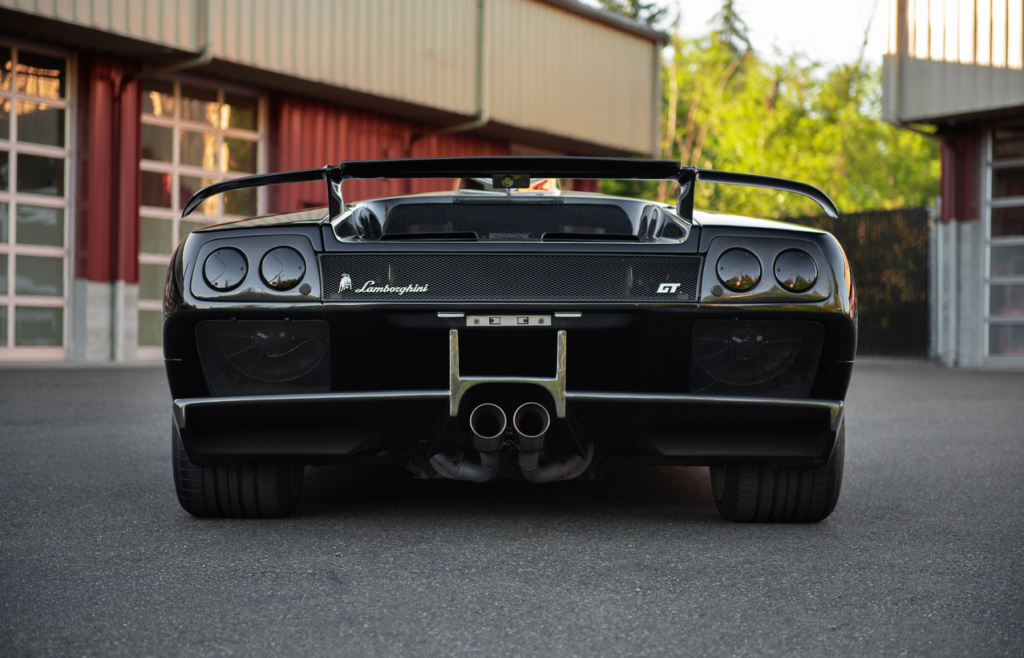
By the late 1990s, the Lamborghini Diablo had already established itself as one of the defining supercars of its generation.
Yet Lamborghini’s engineers believed there was still room to create something more focused.
Introduced at the 1999 Geneva Motor Show, the Diablo GT represented the ultimate expression of the original Diablo philosophy. Developed as a homologation-inspired road car with clear influences from motorsport, it abandoned compromise in favour of outright performance.
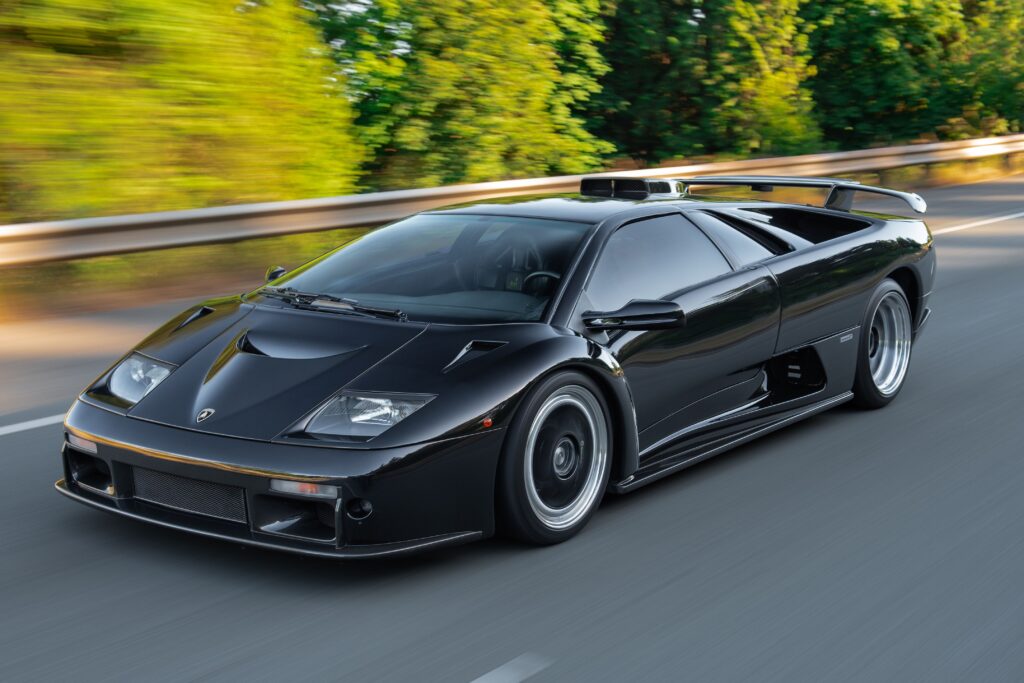
Unlike the four-wheel-drive Diablo VT, the GT returned to a purer rear-wheel-drive layout. Weight was reduced through extensive use of carbon fibre, while the bodywork became dramatically wider, more aggressive and considerably more aerodynamic.
The result was not simply another Diablo.
It was an entirely different personality.
Naturally Aspirated Perfection
At the heart of the Diablo GT sits one of Lamborghini’s greatest engines.
Its naturally aspirated 6.0-litre V12 produces 575 horsepower, breathing through an individual intake system that provides each cylinder with its own dedicated throttle body. Combined with Lamborghini’s distinctive intake and exhaust tuning, the engine delivers an immediacy and character that remains almost impossible to replicate in today’s turbocharged era.
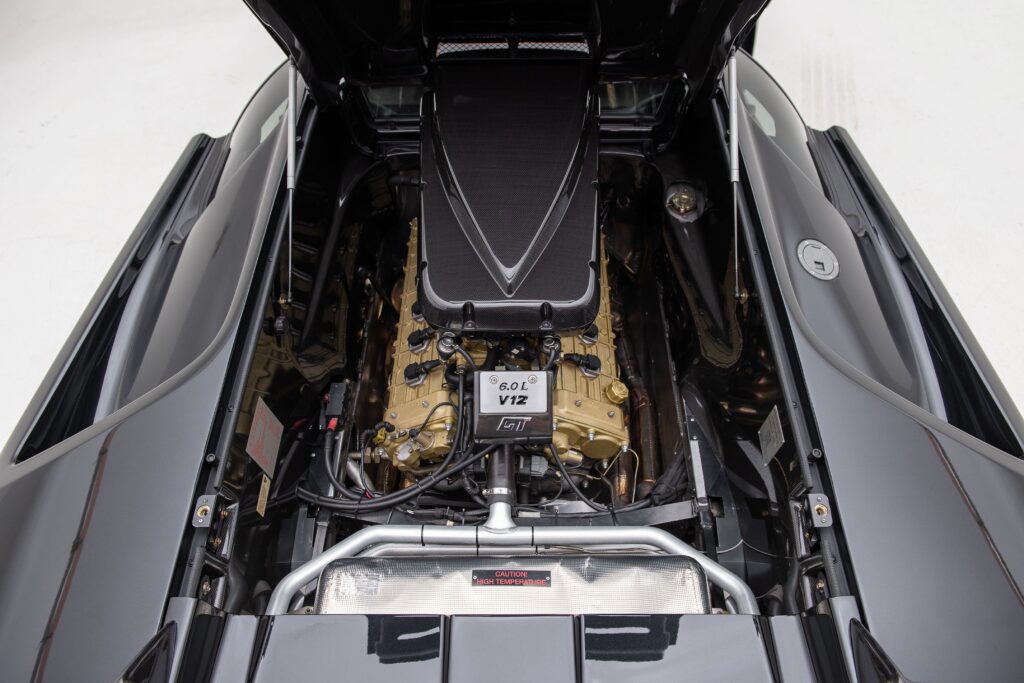
Power is delivered exclusively through a five-speed gated manual transmission.
No dual-clutch gearbox or hybrid assistance.
Not electronic filters between driver and machine.
Everything feels mechanical, physical and deeply involving.
It represents the analogue Lamborghini experience at its absolute peak.
The Complete Lamborghini V12 Legacy: From Miura to Revuelto
Built for the Circuit, Licensed for the Road
Everything about the Diablo GT reflects its motorsport-inspired origins.
The bodywork was almost entirely redesigned.
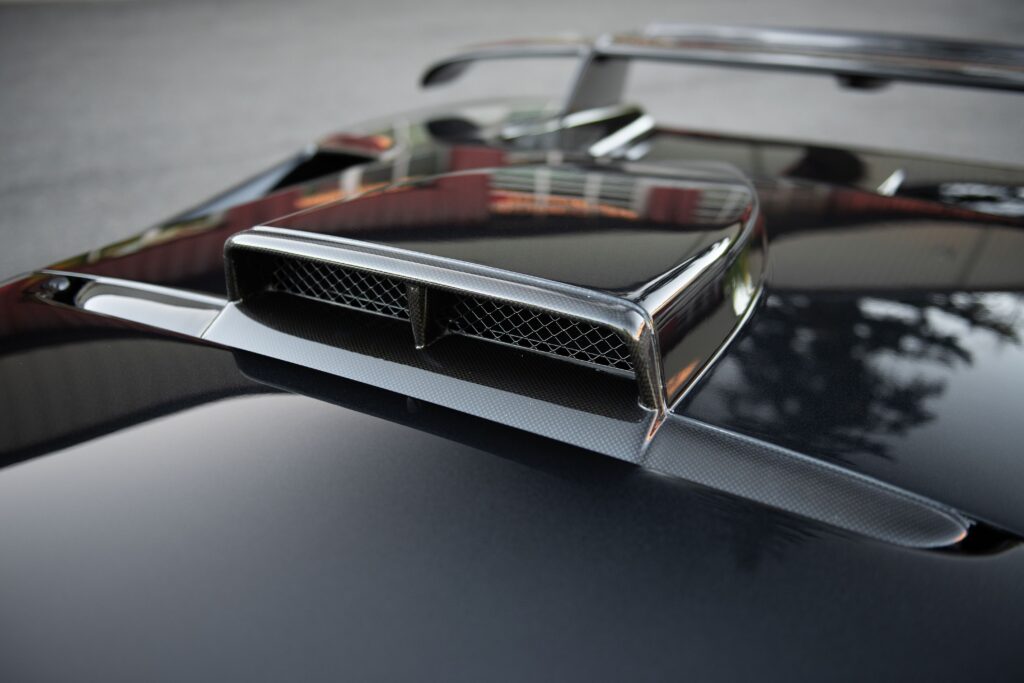
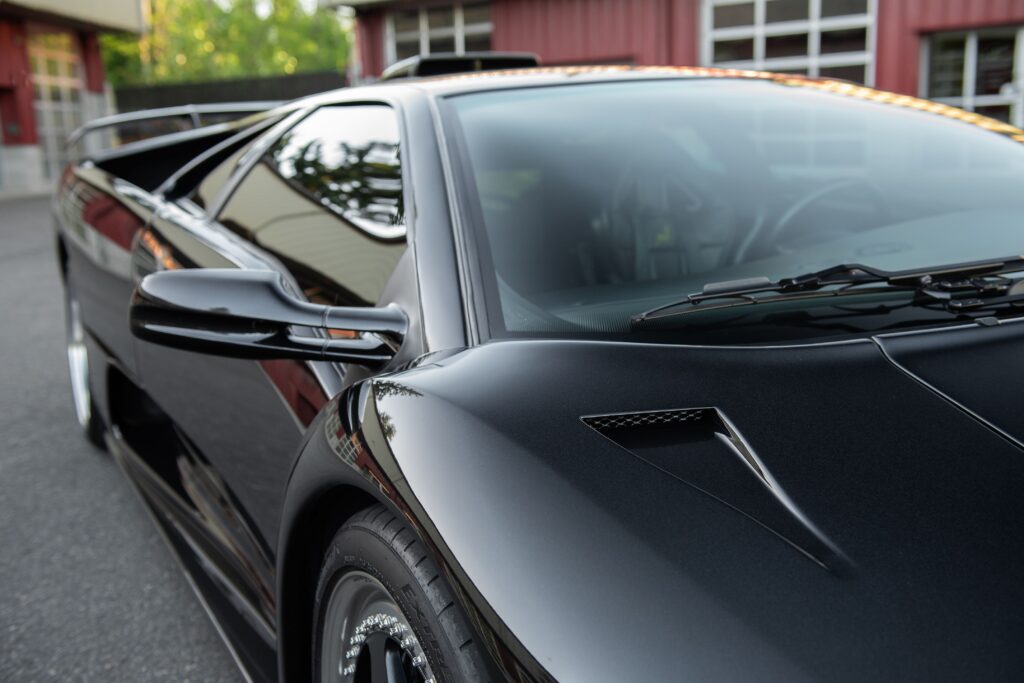
Large NACA ducts feed cooling air to the engine and brakes.
A prominent roof-mounted ram-air intake improves induction efficiency at speed.
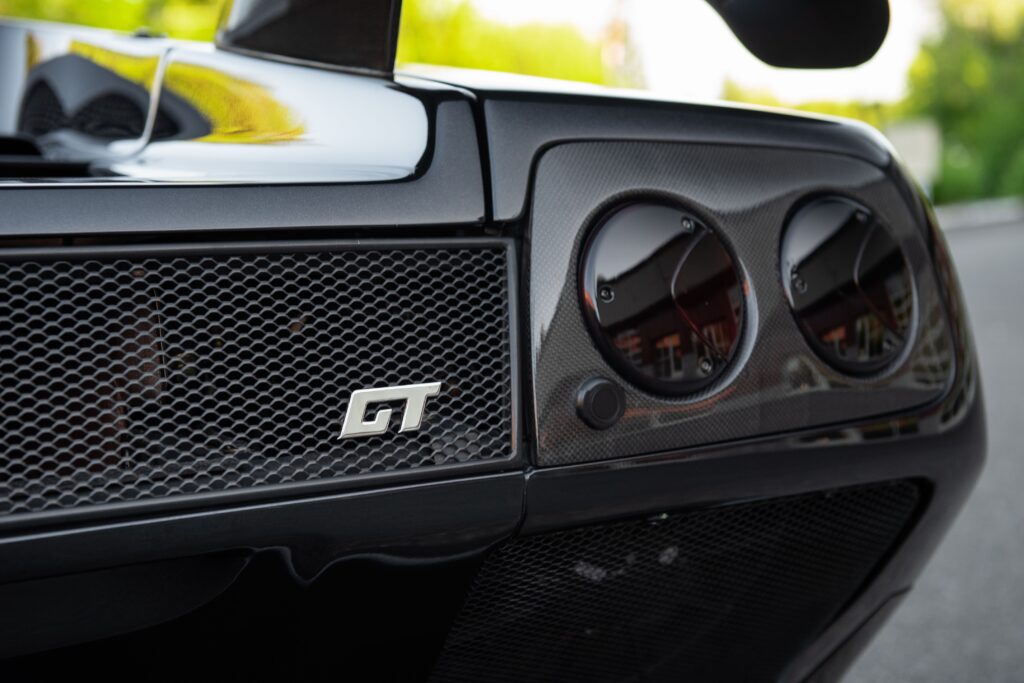
The rear diffuser and fixed carbon-fibre wing generate meaningful aerodynamic performance rather than merely visual drama.
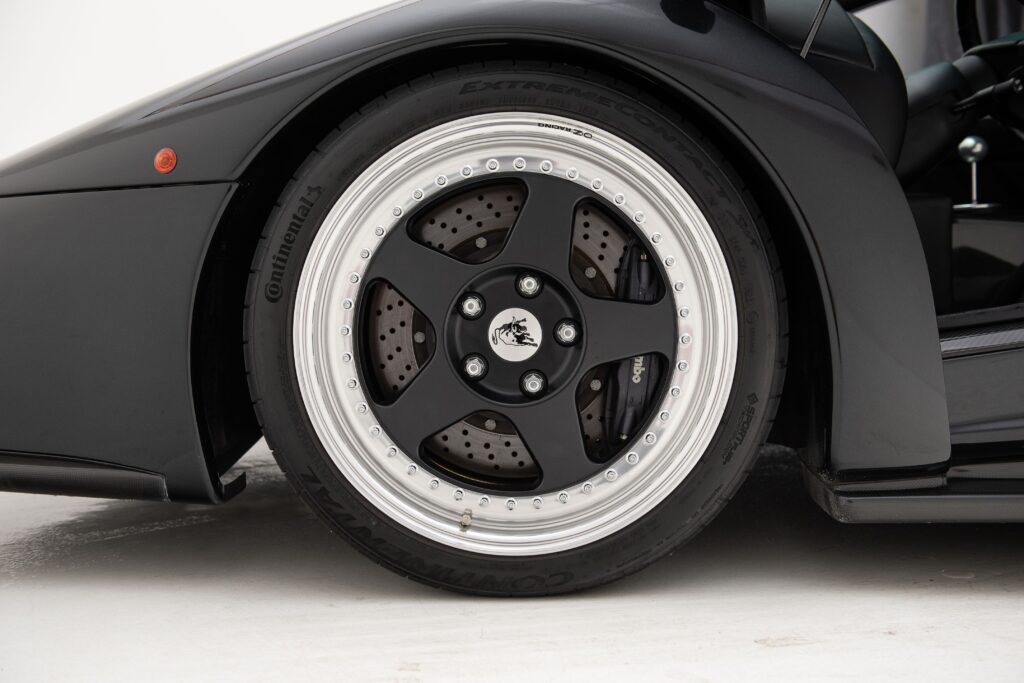
Even the OZ Racing wheels were developed specifically for the model.
Inside, the philosophy continues.
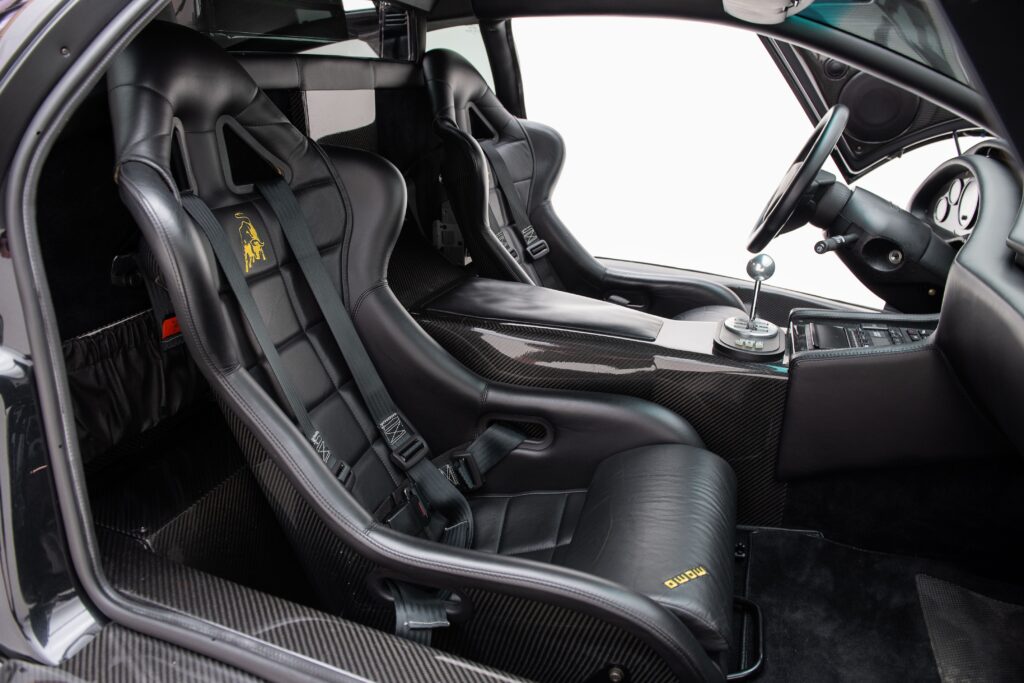
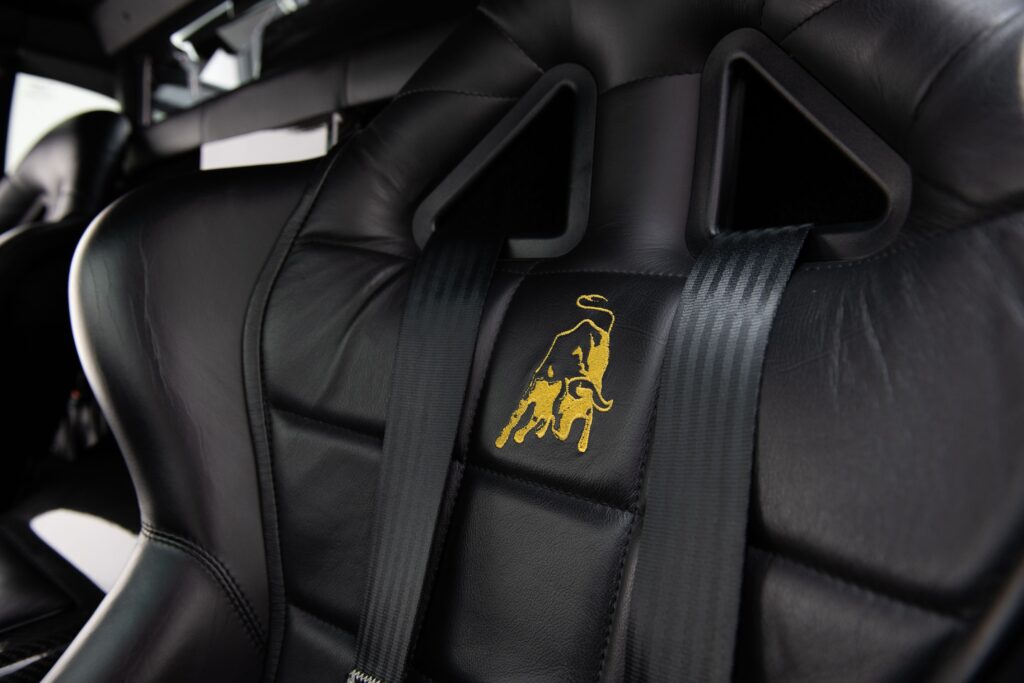
Carbon-fibre bucket seats.
Minimal insulation.
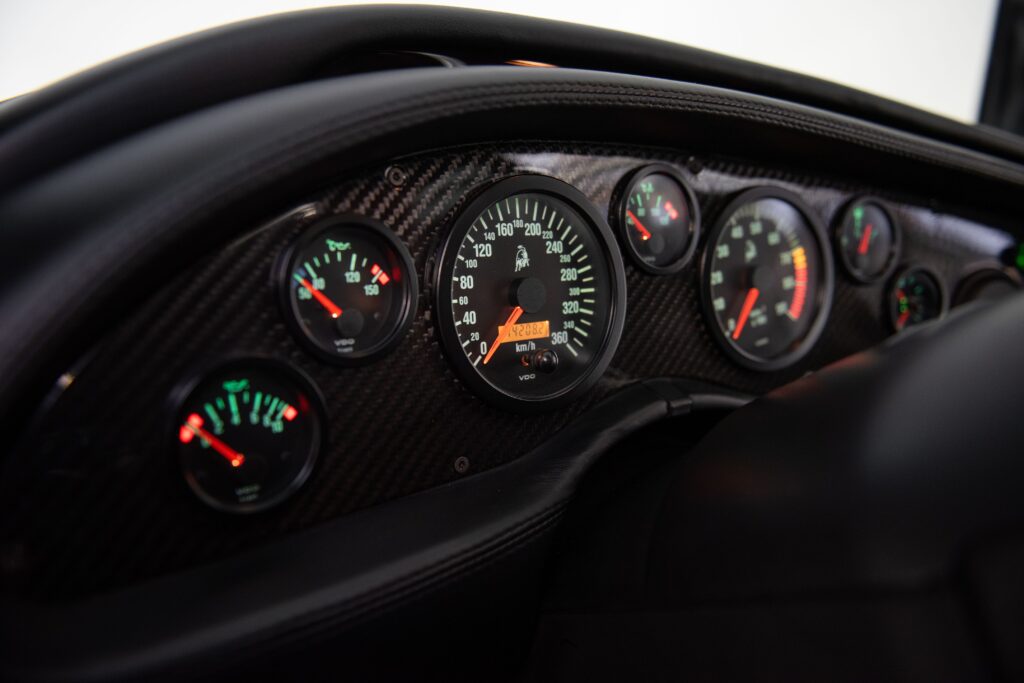
Functional instrumentation.
The cabin feels purposeful rather than luxurious.
Every unnecessary kilogram was considered an enemy.
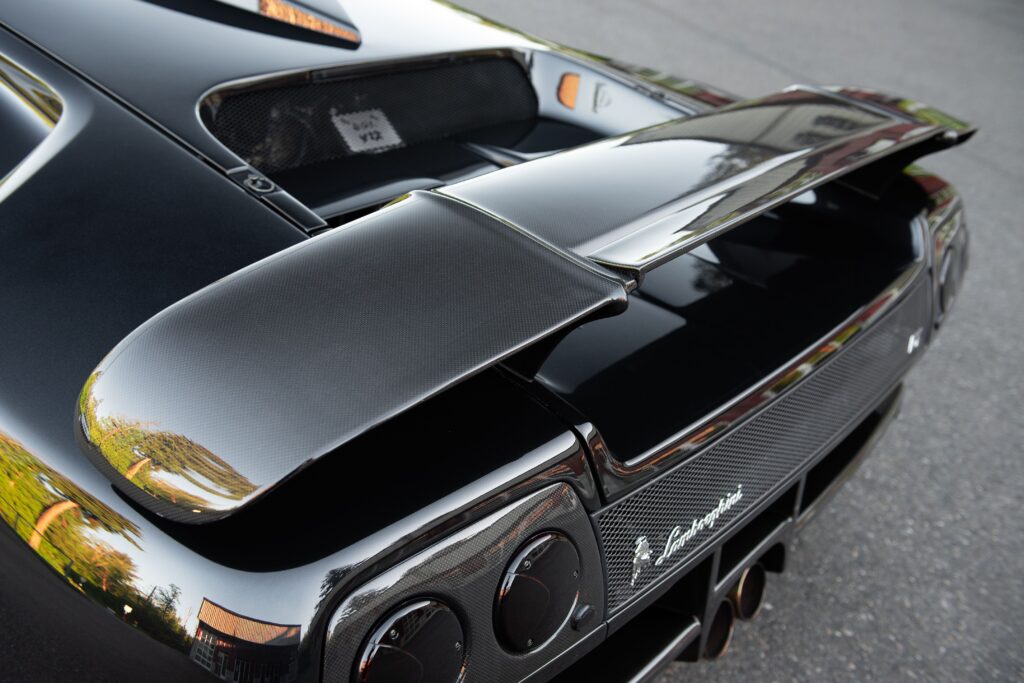
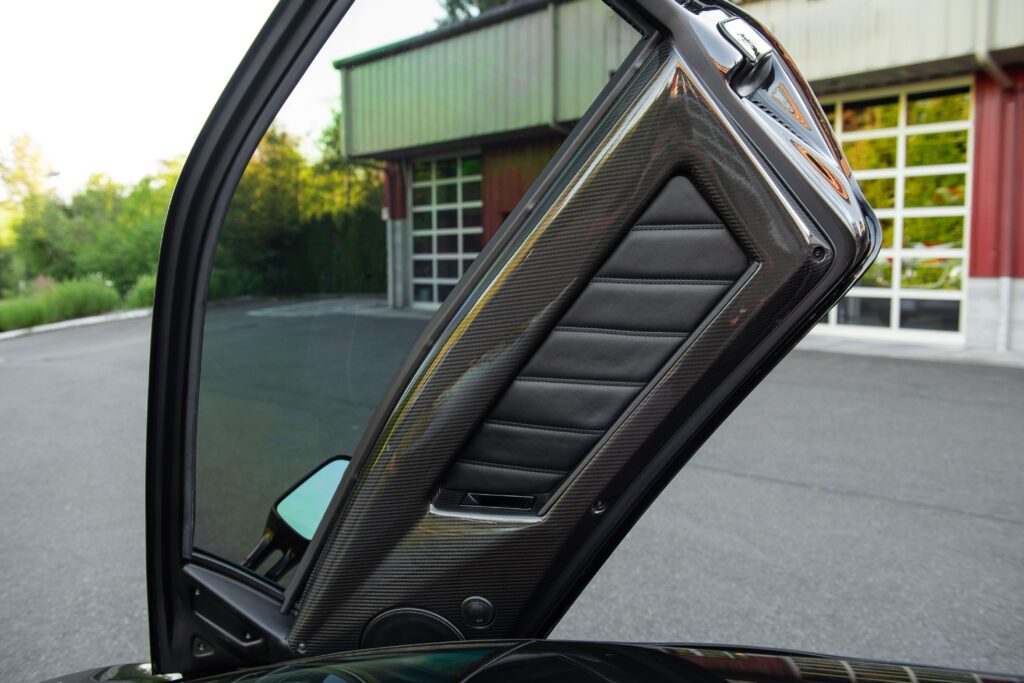
Every design decision served performance.
The Diablo GT wasn’t intended to be comfortable.
It was intended to be unforgettable.
Only Eighty Were Ever Planned
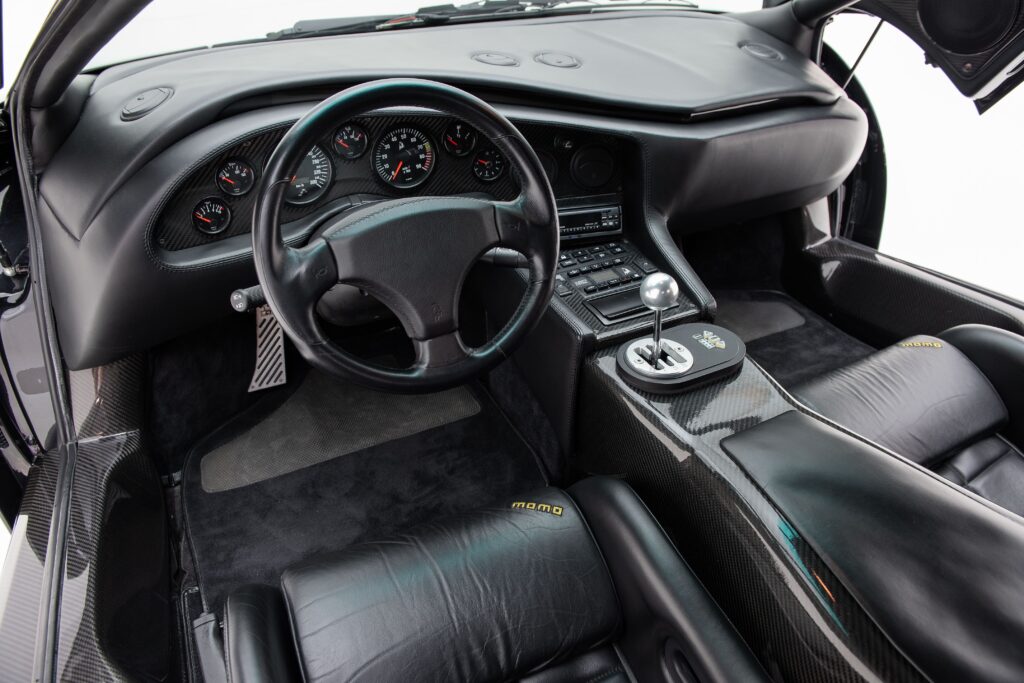
Exclusivity has always been part of the Diablo GT’s appeal.
Lamborghini originally announced production would be limited to just 80 examples, although 83 cars were ultimately completed before production concluded in early 2000.
That immediately placed the GT among the rarest production Lamborghinis ever built.
Its influence extended far beyond its own production run.
Many of the engineering solutions developed for the GT later informed the Diablo VT 6.0, while its motorsport philosophy directly inspired the track-only Diablo GTR.
In many respects, the GT became the bridge between Lamborghini’s raw pre-Audi era and the increasingly sophisticated supercars that followed.
Chassis 74 Heads to Laguna Seca
The example offered by Bonhams represents one of the finest opportunities collectors are likely to encounter this year.
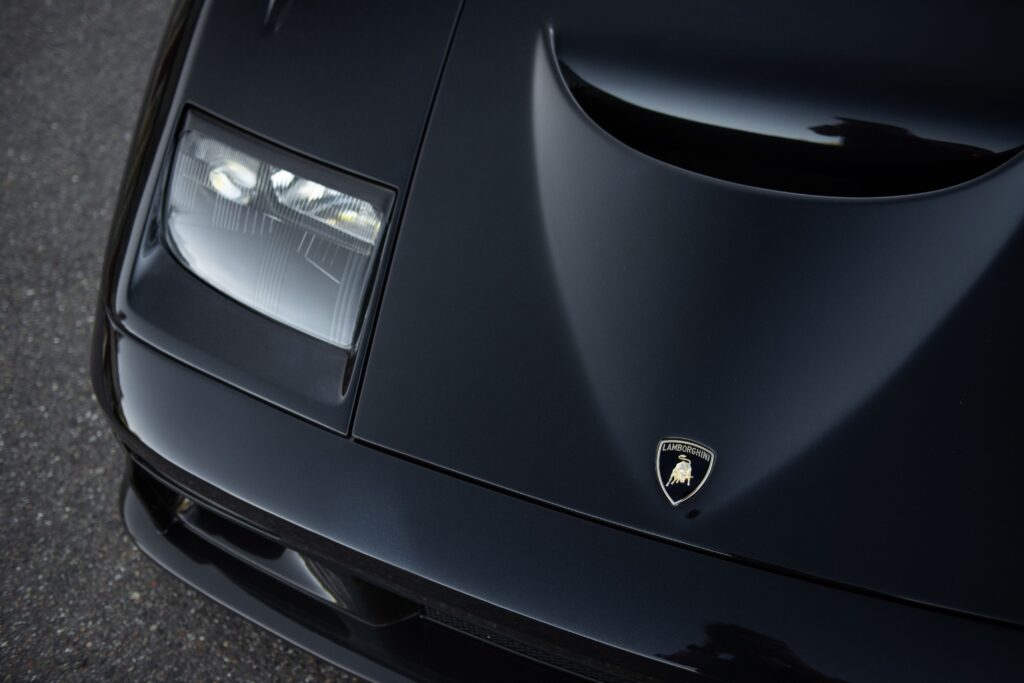
Chassis number 74 remains finished in its original Black Rage exterior over a matching Nero leather interior, one of the most understated yet striking specifications available on the Diablo GT.
Showing just over 14,200 kilometres, the car has remained under the care of the same owner since 2007 and has benefited from specialist maintenance throughout its life. Recently serviced by renowned Lamborghini master technician Steve Gleanor at Driven Exotics, it presents as a carefully preserved example of one of Sant’Agata’s most significant road cars.
Equally appealing is its remarkable completeness.
The sale includes the exceptionally rare original Lamborghini leather briefcase, owner’s manuals, service documentation, factory leather tool kit, original key and remote, along with additional accessories including racing harnesses and a discreet reversing camera.
For serious collectors, provenance often matters as much as mileage.
This car offers both.
Why Values Continue to Rise
Collector interest in analogue V12 Lamborghinis has increased dramatically over the past decade.
As naturally aspirated engines disappear and manual gearboxes become increasingly rare, cars such as the Diablo GT have become symbols of an automotive era unlikely to return.
Unlike many limited-production supercars created primarily for exclusivity, the GT genuinely transformed the driving experience.
It was lighter.
Faster.
Sharper.
More demanding.
More rewarding.
Its rarity is important.
Its engineering is what truly makes it special.
Eccentrica Cars and the Rebirth of the Lamborghini Diablo
More Than a Rare Lamborghini
The Diablo GT represents something larger than a limited-production special edition.
It marks the conclusion of Lamborghini’s analogue supercar philosophy before the arrival of the Audi era.
No electronic driving modes, or hybrid systems.
Only a naturally aspirated V12, a gated manual gearbox and a chassis developed with uncompromising intent.
For many enthusiasts, it remains the purest Lamborghini ever offered to the public.
An Icon That Continues to Define an Era

Few cars capture the closing chapter of twentieth-century supercar engineering as convincingly as the Lamborghini Diablo GT.
It combines extraordinary rarity with genuine technical significance, dramatic styling with exceptional performance and raw mechanical engagement with timeless collectability.
Whether viewed as the pinnacle of the Diablo lineage or one of Lamborghini’s greatest road cars, its reputation has only strengthened with time.
As chassis number 74 prepares to appear at Laguna Seca, the auction represents far more than the sale of another collector car.
It is a reminder that some automobiles never stop appreciating—not simply in value, but in historical importance.
And few Lamborghinis embody that idea more completely than the Diablo GT.