
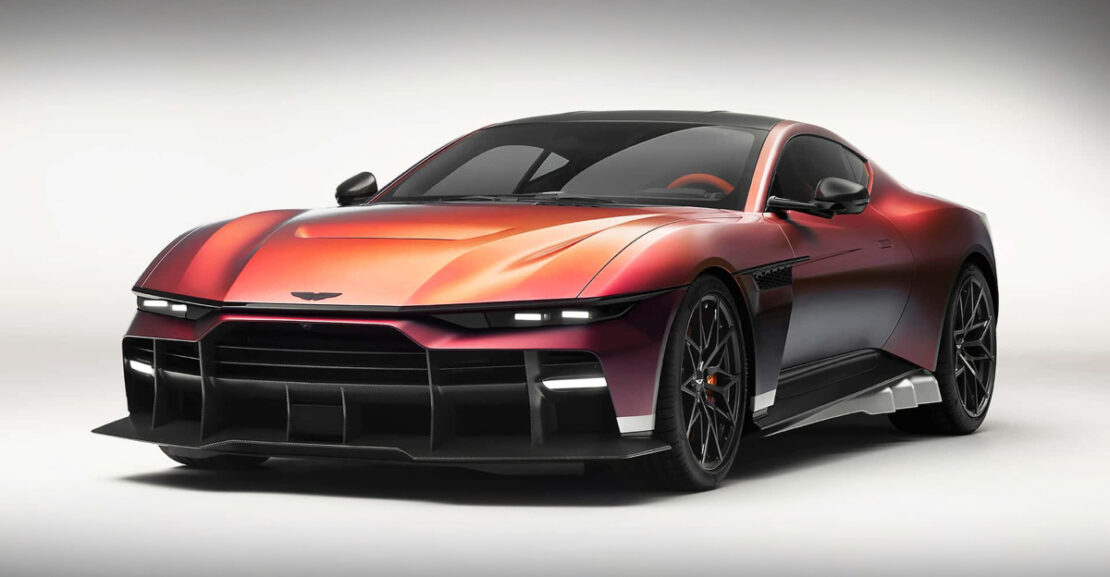
There is something almost defiant about the Aston Martin Valen.
At a moment when the highest levels of automotive performance are increasingly dominated by electrification, enormous battery outputs and increasingly complex hybrid systems, Aston Martin has created its latest limited-production flagship around something far more traditional.
A V12.
Mounted in the front.
Driving only the rear wheels.
But traditional does not mean conservative.
Revealed during Monterey Car Week 2026, the Valen is the most powerful front-engined Aston Martin ever created, extracting 850 PS and 1,000 Nm from the company’s 5.2-litre twin-turbocharged V12.
It is also lighter, louder and considerably more aggressive than the already formidable Vanquish architecture beneath it.
Only 150 examples will be produced.
The Valen is therefore not simply another faster Aston Martin.
It represents the most extreme interpretation yet of the company’s modern front-engined V12 philosophy.
From Vanquish to Valen
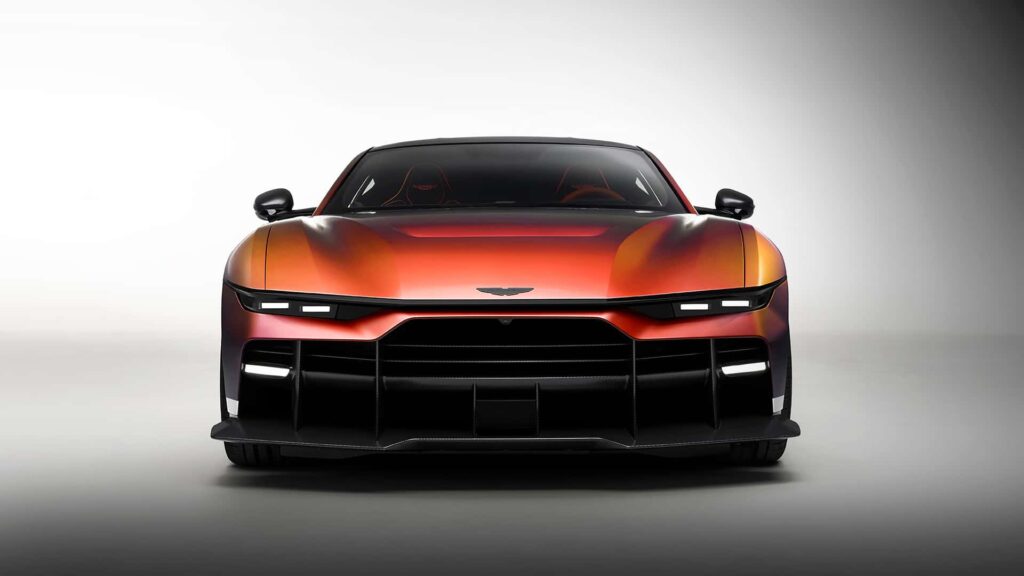
The mechanical starting point is Aston Martin’s latest Vanquish.
That is already an extraordinary foundation.
Its front-mid-mounted 5.2-litre twin-turbo V12 produces 835 PS, making the third-generation Vanquish one of the world’s most powerful conventional grand tourers.
Valen pushes the architecture further.
Power increases to 850 PS, while maximum torque remains an enormous 1,000 Nm, available from just 2,500 rpm.
Fifteen additional horsepower may sound relatively modest.
But outright output is only one part of the transformation.
Aston Martin has removed significant weight, sharpened the transmission, recalibrated the chassis and completely reconsidered the way the driver experiences the V12.
The objective was not simply to create a faster Vanquish.
It was to make the entire car feel more intense.
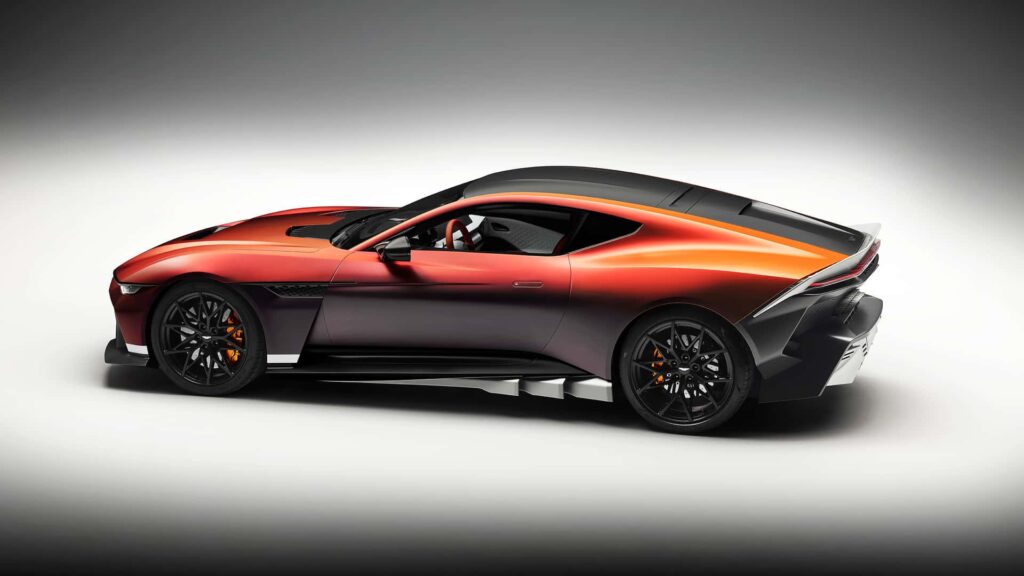
The World’s Most Powerful Front-Engined Production Car
Aston Martin describes Valen as the world’s most powerful front-engined production car from a manufacturer.
It is certainly the most powerful front-engined road car in Aston Martin’s 113-year history.
Its 5.2-litre twin-turbocharged V12 produces:
850 PS
1,000 Nm
0–60 mph in 3.0 seconds
214 mph / 345 km/h top speed
That final figure is electronically limited.
Perhaps more importantly, all of that power reaches the rear wheels.
There is no front electric motor providing additional traction.
No all-wheel-drive system attempting to eliminate wheelspin.
The Valen remains fundamentally traditional in architecture: a hugely powerful front-engined, rear-wheel-drive machine.
That gives it a very different character from many contemporary hypercars.
A Faster Eight-Speed ZF
Unlike the manual Valour and Valiant, the Valen uses an eight-speed ZF automatic transmission.
For some enthusiasts, that will inevitably be the controversial part of the specification.
But Aston Martin has done considerably more than install the standard Vanquish calibration.
The transmission receives shift strategies developed using experience from the Vantage GT4 racing programme, producing quicker and more assertive changes throughout the driving modes.
That contributes to the 3.0-second 0–60 mph time.
The electronic rear differential is also retained, allowing the chassis systems to manage the extraordinary torque reaching the rear axle.
The Valen may not have three pedals.
But Aston Martin has deliberately engineered the automatic transmission to become a more active part of the experience.
CALLUM Vanquish 25: The Grand Tourer Ian Callum Always Wanted to Build
Sport Is the Softest Setting
The drive-mode selector reveals something about the Valen’s intentions.
There is no conventional GT mode.
The choices begin with:
Sport.
Then:
Sport+.
And finally:
Track.
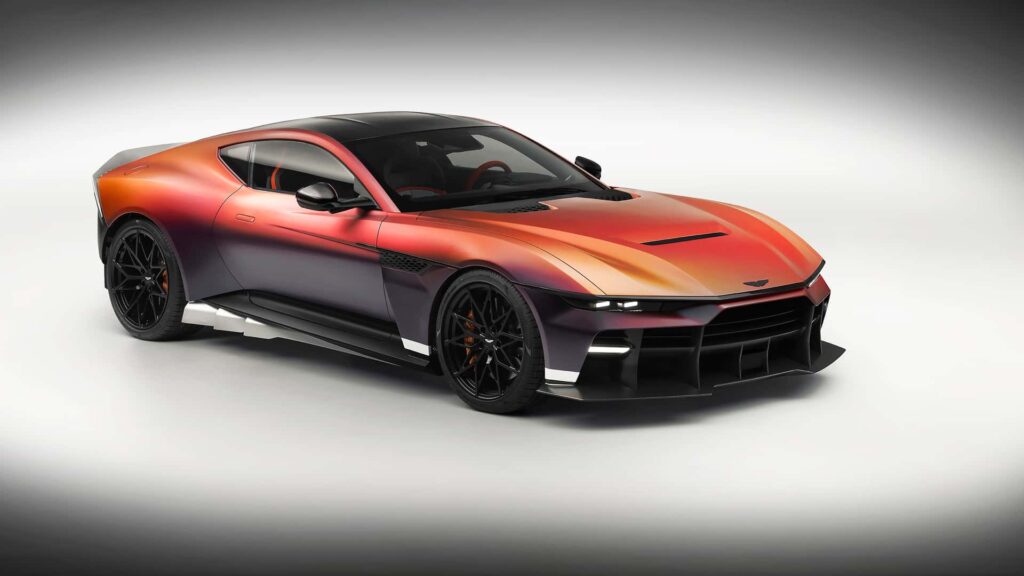
Even the least aggressive setting therefore assumes that the driver wants to use the car as a supercar rather than a traditional luxury GT.
Throttle behaviour changes between modes.
Sport and Sport+ use a more aggressive map, delivering a greater percentage of engine response earlier in the accelerator’s travel.
Track takes a different approach, using a longer and more progressive throttle map to provide finer control when approaching the limits of adhesion.
It is a subtle but intelligent distinction.
Aggression for the road.
Precision for the circuit.
Up to 110 Kilograms Lighter
Power alone does not explain the Valen.
Weight reduction is arguably more important.
Aston Martin has removed as much as 110 kg compared with the core V12 architecture through extensive use of carbon fibre, aluminium, magnesium and titanium.
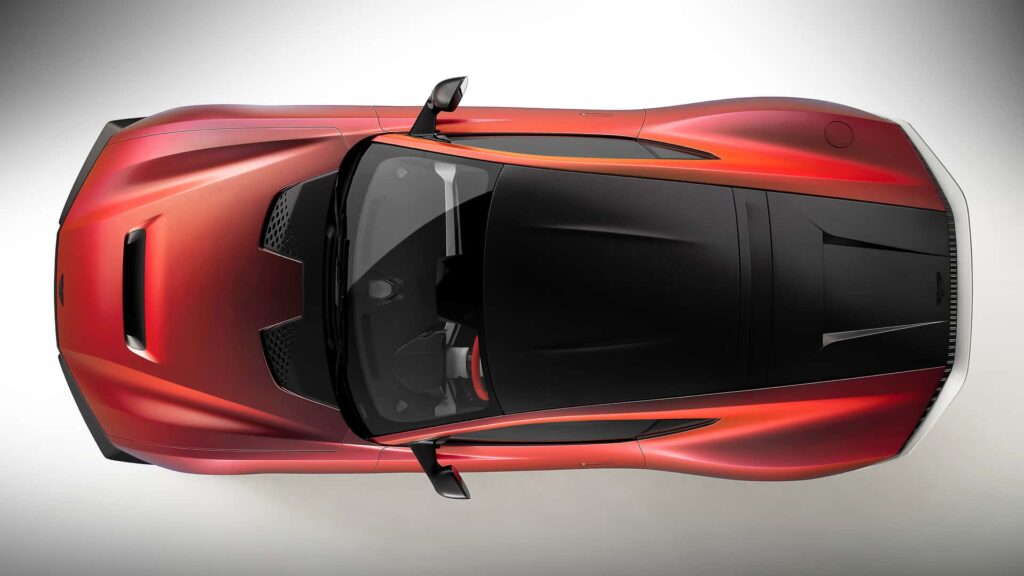
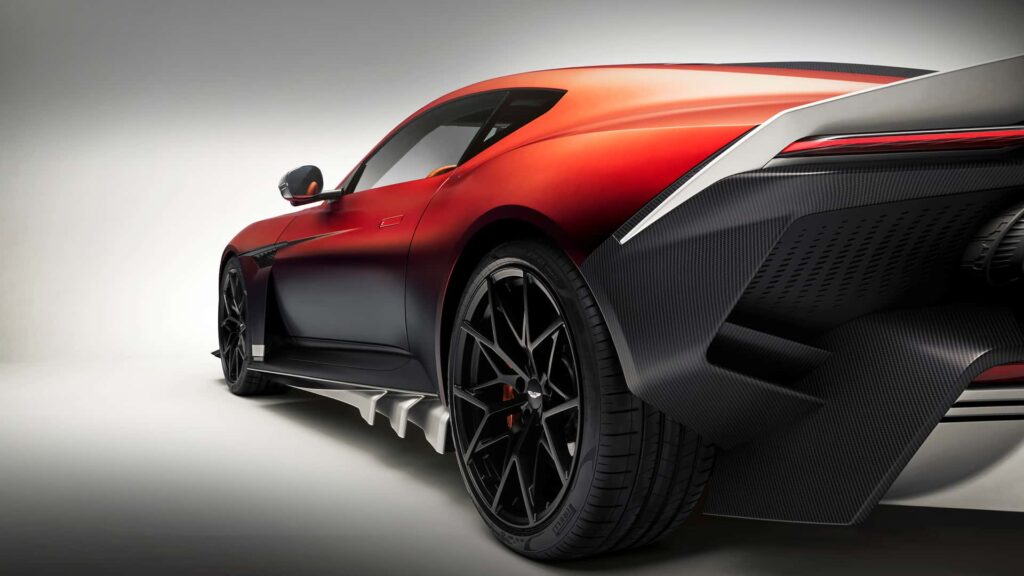
The entire body is carbon fibre.
The wheels are magnesium.
Titanium appears throughout the exhaust.
Even individual components within the suspension and chassis have been reconsidered.
And for customers wanting to go further, Aston Martin offers an additional lightweight package.
Another 16.9 Kilograms Can Disappear
The optional lightweight package removes another 16.9 kg.
Here, the engineering becomes particularly serious.
The package includes suspension arms and knuckles machined from solid aluminium, accompanied by titanium chassis fasteners.
These are expensive ways to remove relatively small amounts of mass.
But that is precisely the point.
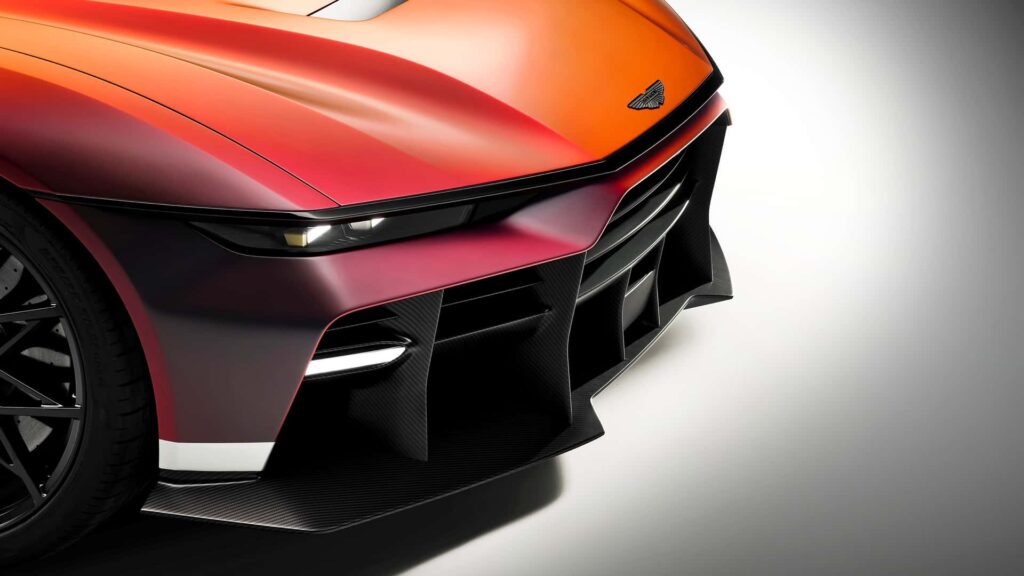
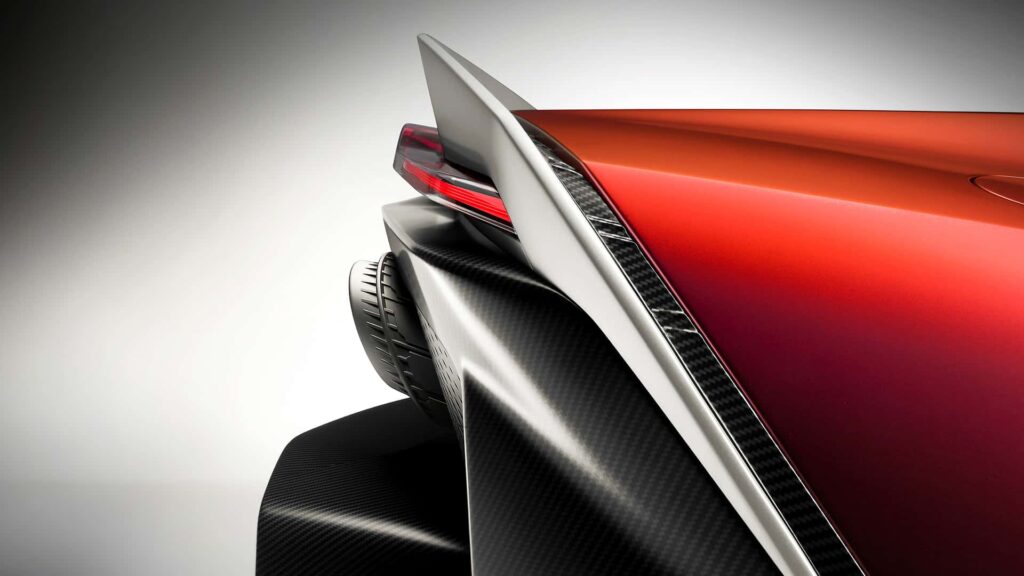
At this level of vehicle development, the easy kilograms disappeared long ago.
Reducing unsprung and dynamically important mass requires increasingly sophisticated materials and manufacturing processes.
The result should be felt not simply during acceleration, but through steering response, wheel control and the way the chassis reacts to changes in direction.
Magnesium Wheels as Standard
The Valen receives bespoke 21-inch magnesium wheels.
Magnesium offers an important advantage over conventional aluminium alloys: substantially reduced mass.
And because wheel weight is both unsprung and rotational, reducing it can influence several aspects of the driving experience simultaneously.
Acceleration.
Braking.
Suspension response.
Steering.
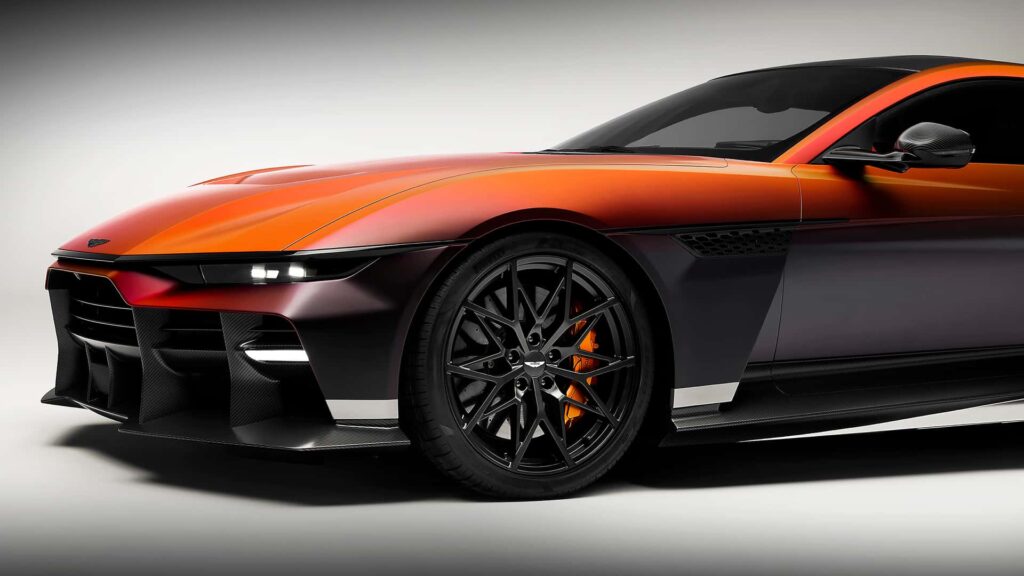
The wheels are wrapped in specially developed Pirelli P Zero R tyres, while P Zero Winter 2 tyres are also available for customers intending to use their Valen beyond perfect-weather conditions.
That latter option says something interesting about Aston Martin’s intentions.
Extreme though the Valen may be, it has not been conceived purely as a garage-bound collector piece.
Bilstein DTX Suspension
Underneath the carbon body sits an extensively revised chassis.
The rear subframe is solidly mounted.
Springs and helper springs are specific to the Valen.
Camber settings have been changed.
Steering calibration has been reconsidered.
And the suspension uses Bilstein DTX semi-active dampers specifically tuned around the car’s reduced weight and more aggressive dynamic objectives.
The objective is greater body control without turning the Valen into an unusable track special.
That distinction is essential.
This remains an Aston Martin.
It should be capable of covering substantial distances at enormous speed, not simply producing impressive lap times.
Bentley Design Theme by Mulliner: A New Expression of the Supersports
Carbon-Ceramic Brakes
Braking comes from enormous carbon-ceramic discs measuring 410 mm at the front and 360 mm at the rear.
Aston Martin has also recalibrated the brake booster to create a firmer pedal and more consistent modulation.
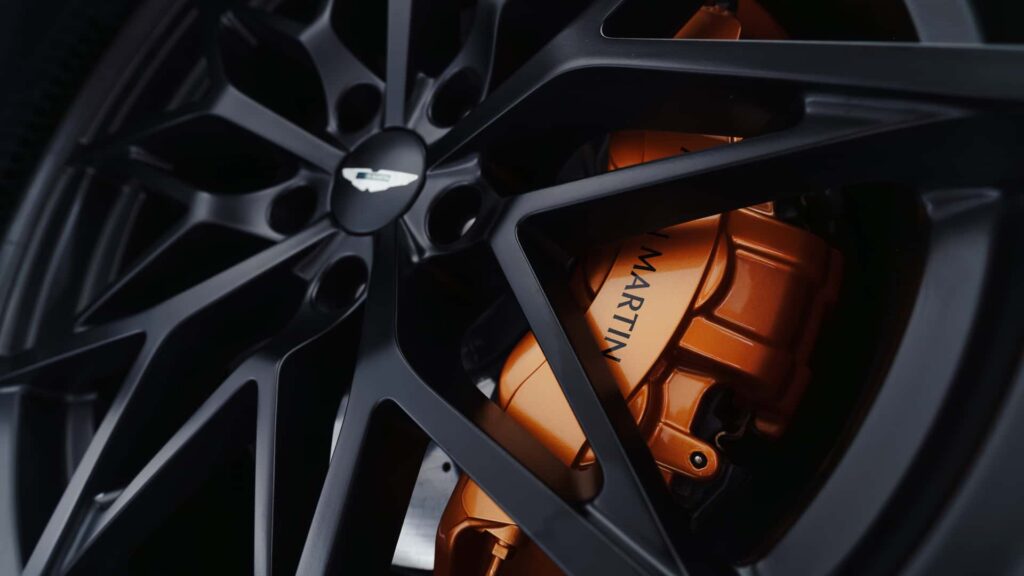
Again, the objective is communication.
Modern braking systems can generate extraordinary stopping power relatively easily.
Creating a pedal that allows the driver to precisely judge and adjust that braking force is considerably more difficult.
For Valen, feel matters alongside performance.
The V12 Is Only Half the Story
Perhaps the most fascinating engineering feature of the Valen is not the engine itself.
It is what happens after combustion.
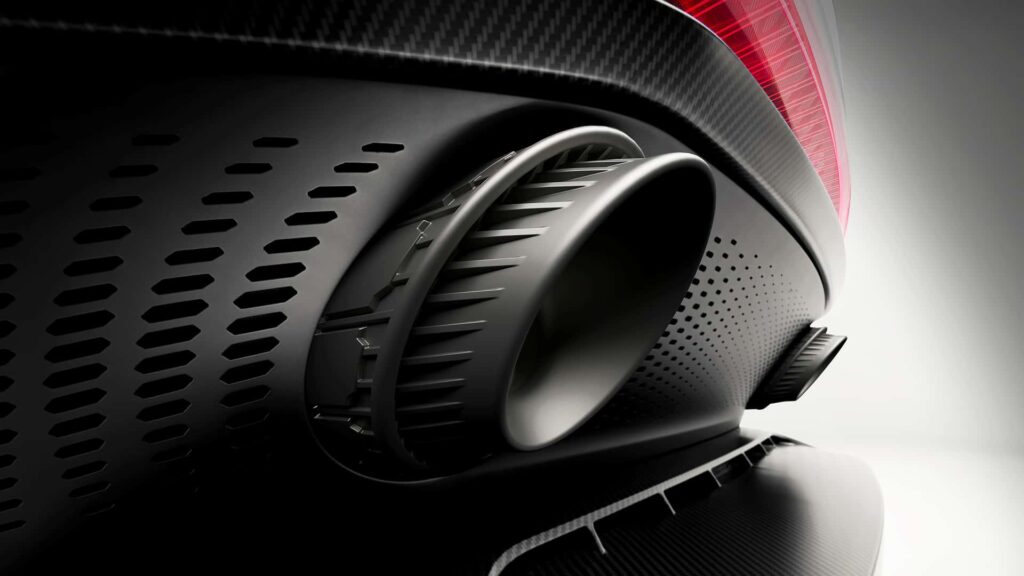
Aston Martin has created a completely new 12-into-4 titanium exhaust system.
Twelve individual primary pipes ultimately feed four enormous exhaust outlets at the rear.
The upper two outlets remain permanently open.
The lower pair incorporate valves that open according to throttle position and selected driving mode.
The exhaust has been engineered not simply to increase volume but to change the frequencies produced by the V12.
Lower tones are reduced.
Higher frequencies become more prominent.
The upper pipes effectively use acoustic principles similar to organ pipes to reinforce particular frequencies as engine speed rises.
50 Percent Louder Than the Vanquish
The result is a car Aston Martin says is approximately 50 percent louder than the Vanquish, while remaining road legal.
That is remarkable.
Especially because Aston Martin deliberately wanted the effect to be accessible without driving at extreme speeds.
The exhaust is engineered to create substantial acoustic drama from relatively low engine speeds, with its character already developing around 2,500 rpm.
There is no artificial soundtrack attempting to imitate the engine.
The noise is mechanical.
Combustion.
Gas flow.
Titanium.
Resonance.
In an era of increasingly synthetic automotive experiences, that may become one of the Valen’s defining qualities.
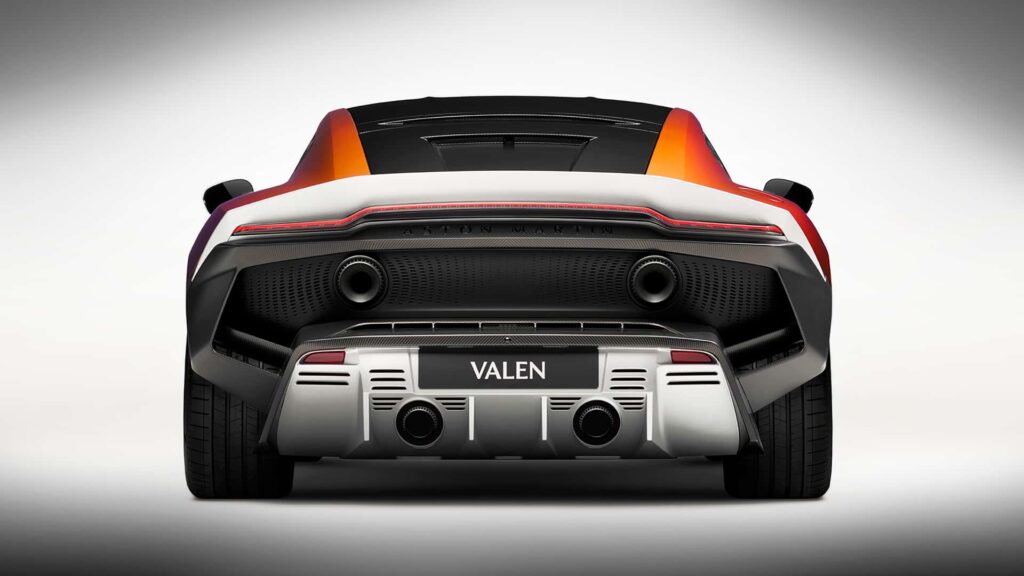
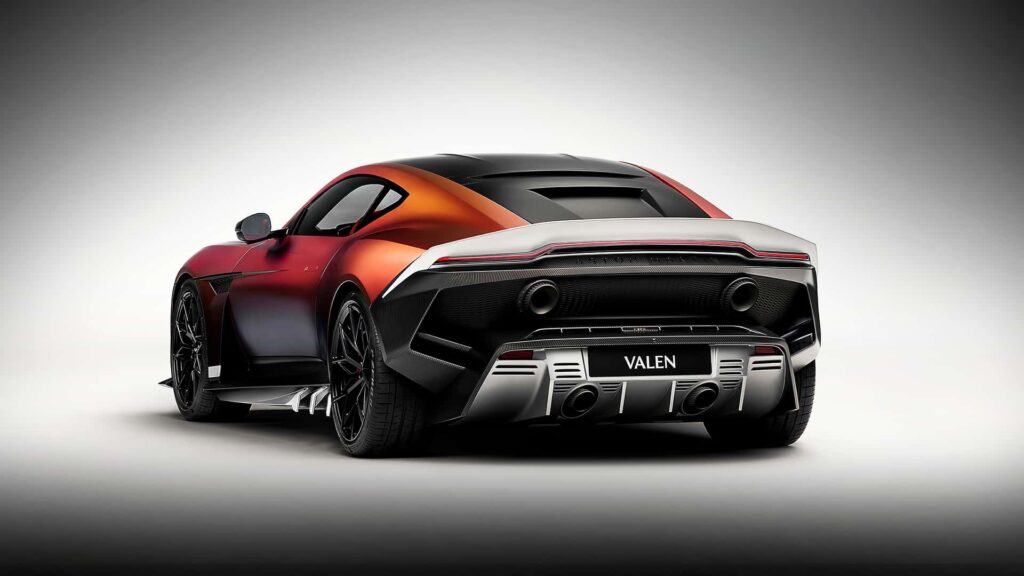
Four Exhausts That Look Like a Mid-Engined Hypercar
The exhaust also dominates the design.
Four large outlets are positioned centrally within the rear bodywork, two above and two below.
Their arrangement almost resembles the propulsion system of something considerably more exotic than a conventional front-engined GT.
The finishers themselves are 3D-printed from titanium.
They sit within an enormous aerodynamic rear structure that makes the relationship with the elegant Vanquish surprisingly difficult to identify.
From behind, the Valen looks almost like an entirely different species of Aston Martin.
That is intentional.
A New Design Language
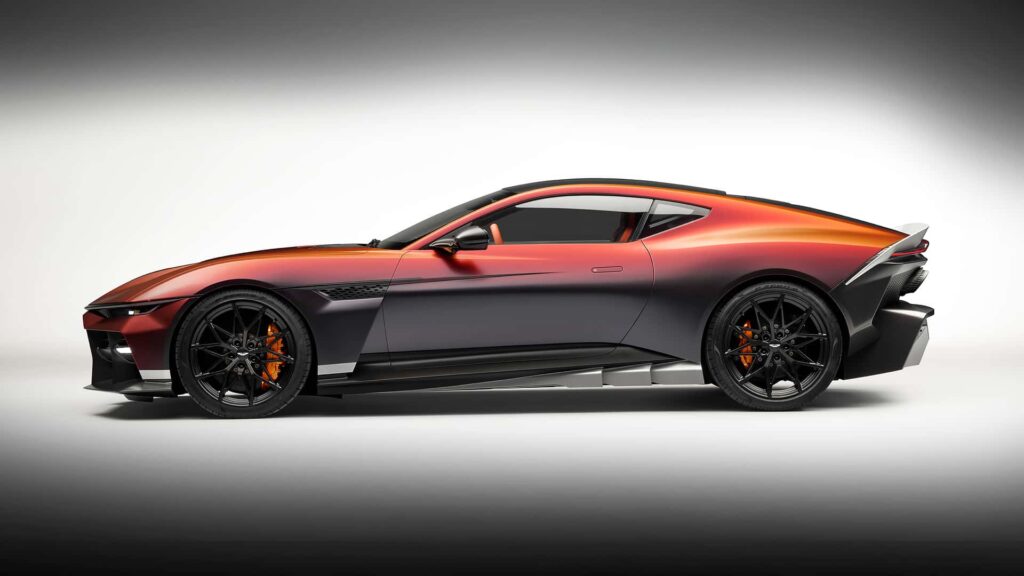
The Valen gave Aston Martin Chief Creative Officer Marek Reichman and his team an opportunity to push the company’s front-engined design language considerably further.
The traditional Aston proportions remain.
Long bonnet.
Cabin pushed rearwards.
Powerful rear haunches.
But almost everything else becomes more extreme.
The surfaces are sharper.
The aerodynamic openings larger.
The lighting slimmer.
The stance more aggressive.
The objective is not traditional elegance.
It is controlled aggression.
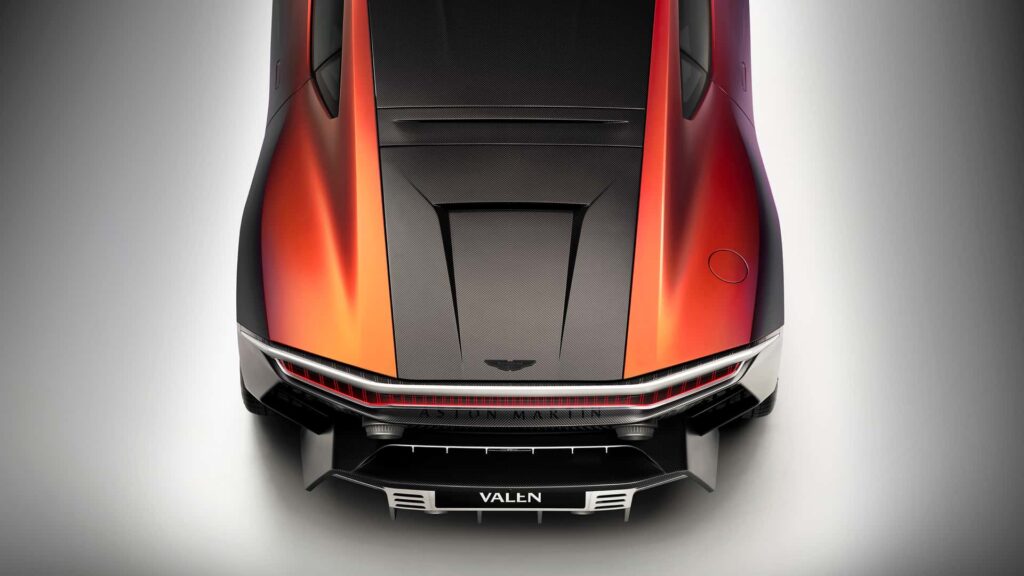
Full Carbon-Fibre Bodywork
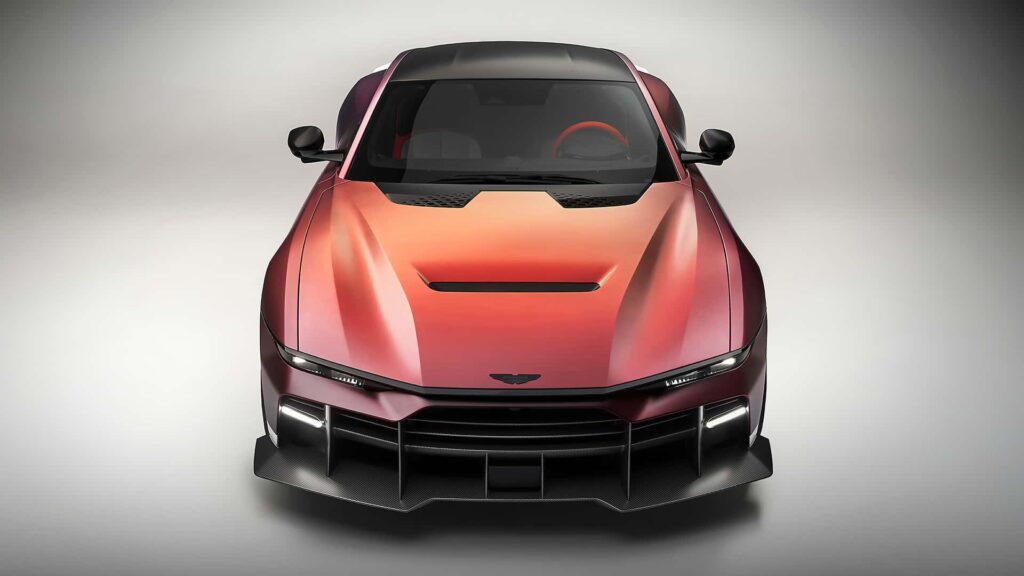
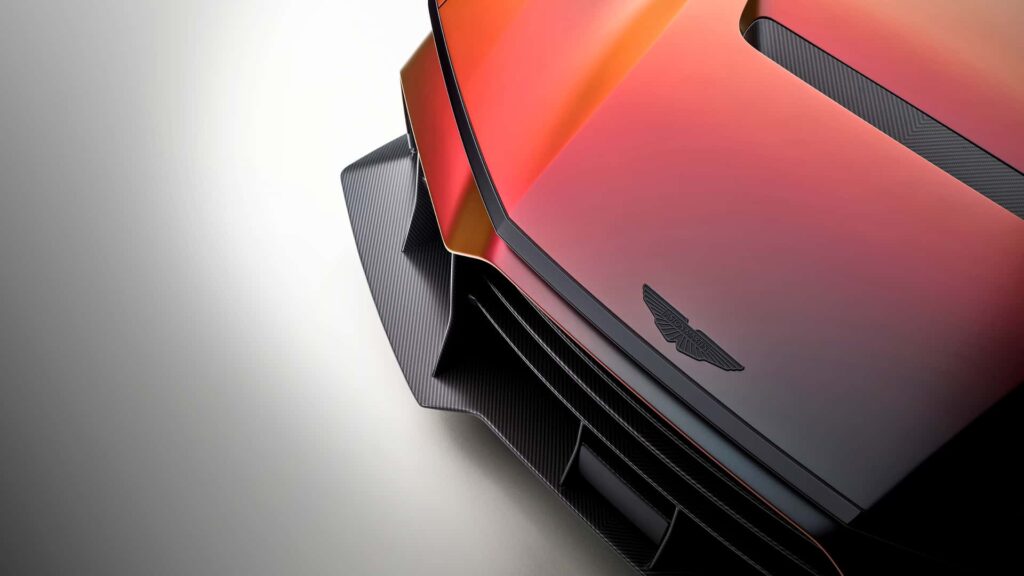
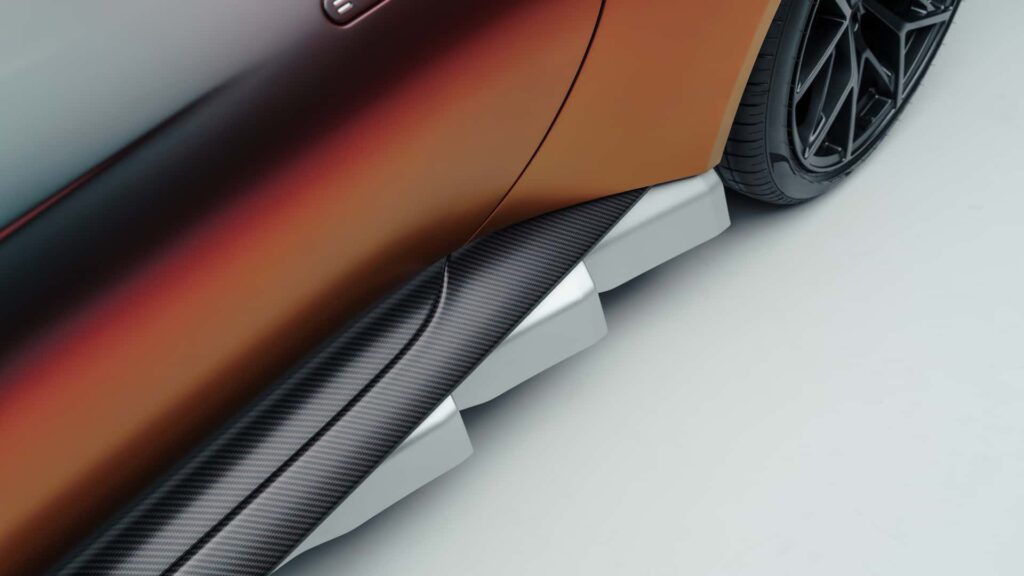
Every exterior body panel is manufactured from carbon fibre.
That decision contributes to the substantial weight reduction but also creates new possibilities for Q by Aston Martin.
Customers can specify exposed carbon across the entire exterior.
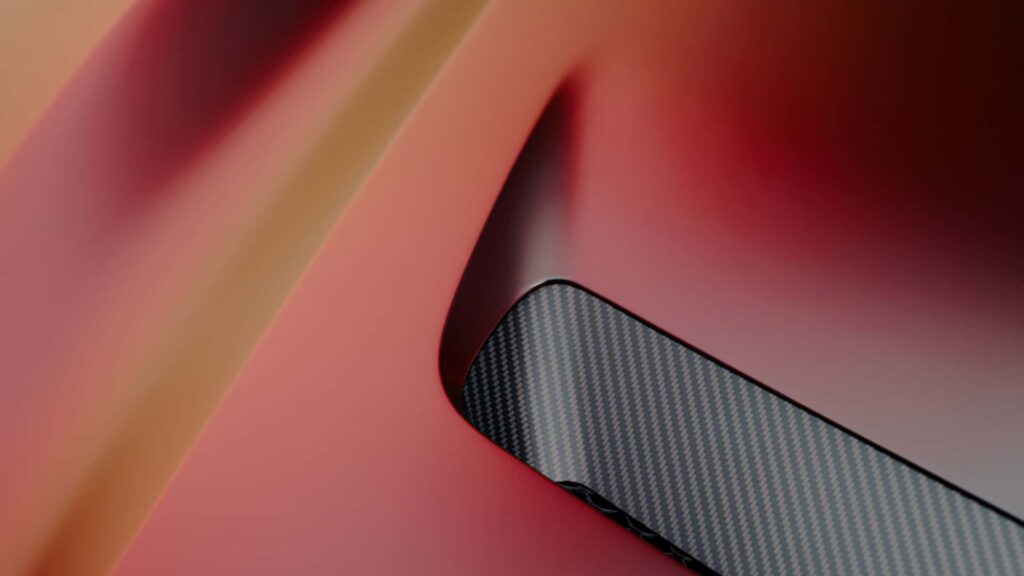
More interestingly, the carbon can be tinted.
Satin or gloss finishes are available, and Q can develop individual colour treatments according to customer requests.
For collectors who want the engineering material itself to become part of the visual specification, the possibilities are enormous.
Satin Andromeda Red
The Monterey launch car is finished in Satin Andromeda Red, developed through Q Ultra.
It is an inspired colour for the Valen.
The satin surface prevents reflections from overwhelming the complicated geometry while allowing light to expose the edges and transitions running across the carbon body.
Rather than softening the car, the colour makes its architecture more visible.
It also creates a deliberate contrast with the exposed technical materials surrounding the lower sections.
The result is far removed from the traditional image of a discreet British grand tourer.
No Conventional Rear Window
One of the most radical changes appears behind the occupants.
There is no conventional rear window.
Instead, the bodywork continues across the rear structure, allowing Aston Martin greater freedom over aerodynamic treatment and visual proportions.
Rearward visibility is provided by a camera system.
It is a solution increasingly found on the most extreme modern performance cars.
And in the Valen, it reinforces the impression that aerodynamic and structural requirements have been allowed to take priority over convention.
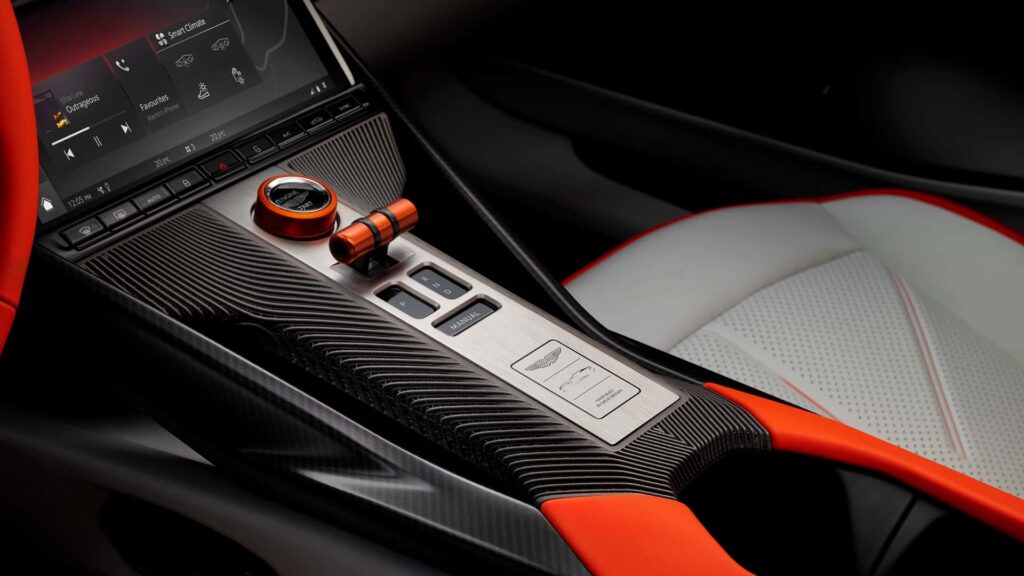
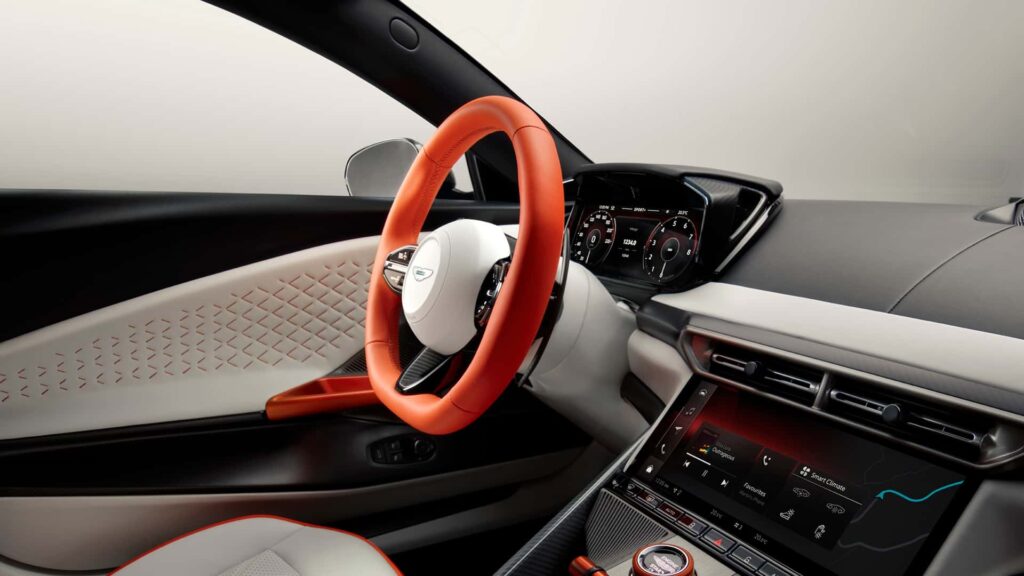
A Bespoke Interior
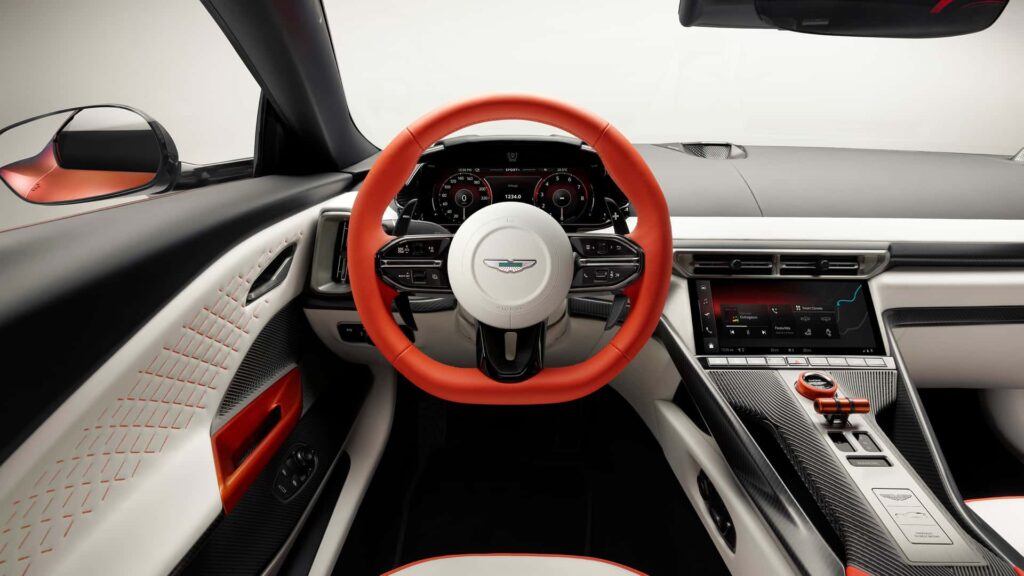
The transformation continues inside.
This is not simply a Vanquish cabin with different upholstery.
Aston Martin has developed a more focused cockpit around the Valen’s individual character.
Lightweight materials become visual elements.
Carbon fibre is exposed.
New components have been created using additive manufacturing.
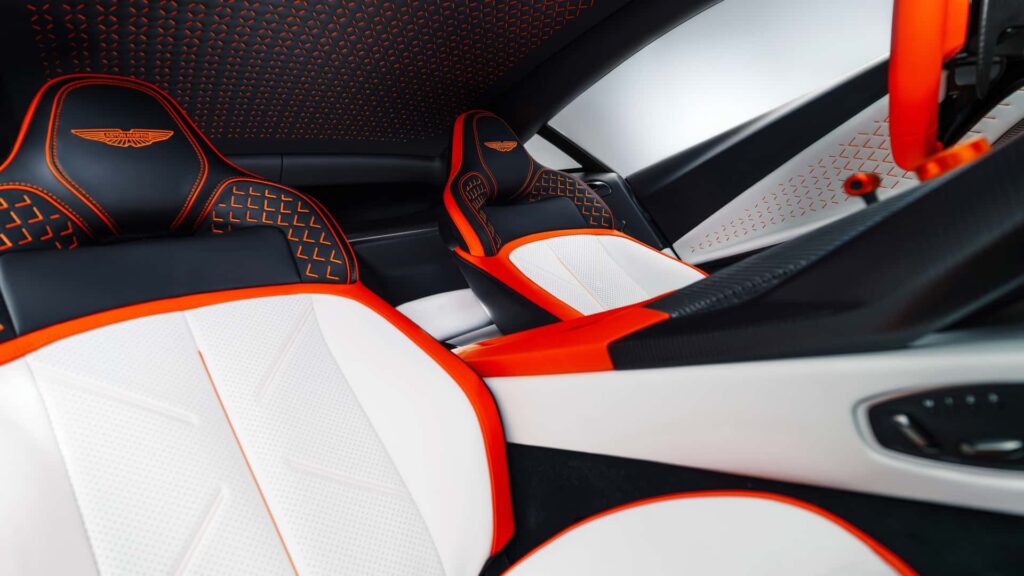
And customers can choose between more comfort-oriented sports seats and significantly more focused lightweight alternatives.
Yet this remains a Q by Aston Martin project.
Removing weight does not mean removing craftsmanship.
3D Printing Meets Traditional Luxury
The Valen illustrates an increasingly interesting evolution in luxury manufacturing.
Traditional Aston Martin craftsmanship revolves around leather, stitching, metalwork and hand-finished materials.
The Valen adds something else.
3D-printed components.
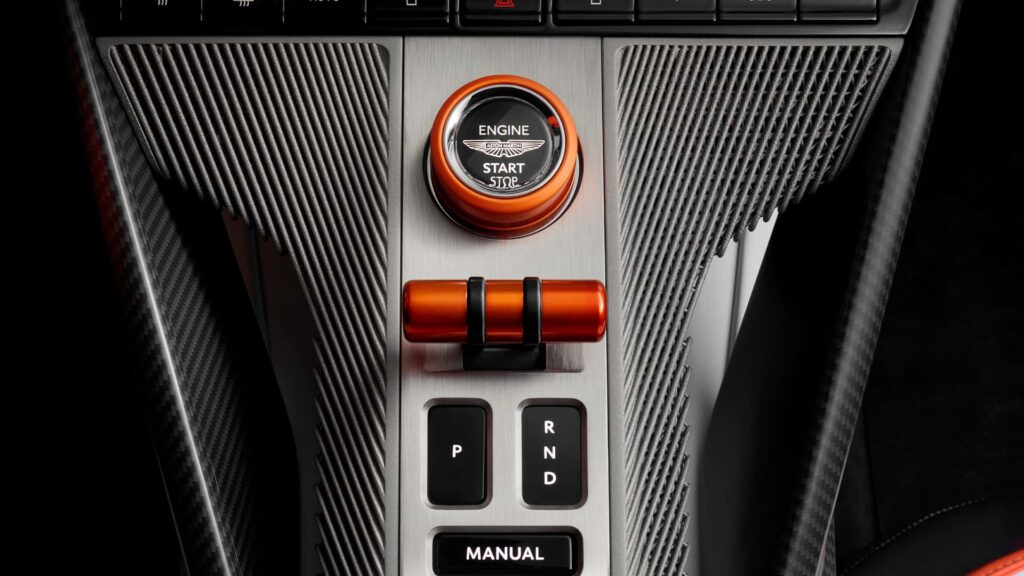
Additive manufacturing allows designers to create extremely complex shapes while placing material only where structurally necessary.
That can reduce mass while simultaneously creating forms impossible to manufacture conventionally.
The result is an interesting collision of worlds.
Centuries-old ideas of British craftsmanship meet manufacturing technologies that barely existed a generation ago.
For Q, both can become forms of luxury.
BRABUS BODO — A V12 Tribute to Legacy, Power and Presence
Q by Aston Martin Goes Further
The Valen is officially the latest special from Q by Aston Martin.
But another name behind the project may ultimately prove even more important.
Special Vehicle Operations.
Aston Martin’s newly formed SVO department provided the engineering capability necessary to turn the concept into a production automobile.
This potentially creates a clearer structure for future low-volume Aston Martins.
Q provides extraordinary personalisation and bespoke design.
SVO provides the specialised engineering required when the project extends far beyond colours and materials.
The Valen demonstrates what happens when both operate together.
From One-77 to Valour, Valiant and Valen
The Valen joins a fascinating lineage of limited-production Aston Martins.
The One-77 demonstrated how far Aston Martin could push the front-engined V12 supercar when cost became secondary.
The Victor created an extraordinary one-off around a naturally aspirated V12 and manual transmission.
The Valour celebrated the company’s 110th anniversary with retro-inspired design, V12 power and a manual gearbox.
The Valiant took that concept and made it considerably more focused.
Now comes Valen.
But there is a difference.
Valour and Valiant deliberately looked backwards.
Valen looks forward.
Its design is not nostalgic.
The aerodynamic treatment is thoroughly contemporary.
Its carbon construction, magnesium wheels, titanium exhaust and additive manufacturing belong firmly to modern supercar engineering.
The V12 provides continuity.
Everything surrounding it represents evolution.

Why It Is Called Valen
The name continues Aston Martin’s long tradition of models beginning with V.
Vantage.
Vanquish.
Valkyrie.
Valhalla.
Valour.
Valiant.
And now Valen.
The new name is derived from the Latin valens, associated with strength and power.
Given that this is the most powerful front-engined Aston Martin ever produced, the choice is hardly accidental.
But the name also positions the car within an increasingly coherent family of ultra-exclusive Aston Martin projects.
Short.
Distinctive.
And recognisably part of the marque.
Only 150 Will Exist
Production is limited to 150 examples worldwide.
That makes the Valen considerably rarer than the regular Vanquish and places it firmly within collector territory.
Each example will inevitably differ significantly through Q personalisation.
Paint.
Exposed carbon.
Tinted carbon.
Interior materials.
Seat configuration.
Technical detailing.
The production number may be 150.
The objective is for each to feel considerably rarer.
Around $2 Million
Aston Martin has not published a universal list price in its official launch material, but U.S. reporting places the Valen at approximately $2 million.
At that level, rational comparisons become increasingly difficult.
The buyer is no longer choosing between ordinary production supercars.
The alternatives include extremely limited Ferraris, coachbuilt commissions, Bugattis, Paganis and other collector-focused automobiles.
The Valen therefore cannot justify its existence through performance alone.
Its appeal comes from the combination.
V12.
Rarity.
Design.
Craftsmanship.
And its position within Aston Martin history.
Deliveries Begin in 2027
Production deliveries are scheduled to begin in the second quarter of 2027.
Demand reportedly already exceeds the planned 150-car production run.
That should surprise nobody.
Large-capacity twelve-cylinder engines are becoming increasingly rare.
Front-engined V12 supercars rarer still.
A limited-production carbon-bodied version with 850 PS, rear-wheel drive and one of the most ambitious exhaust systems Aston Martin has ever created occupies an extremely narrow niche.
And scarcity is part of the appeal.
The V12 Refuses to Become Quiet
The Valen arrives at an interesting moment for Aston Martin.
The company is developing the mid-engined hybrid Valhalla.
The Valkyrie demonstrated what happens when Formula 1 thinking is applied to a road-legal hypercar.
Electrification will inevitably play an increasingly important role in the company’s future.
Yet the Valen goes in another direction.
Not only does it retain the V12.
It deliberately makes the V12 loude and sends all its power to the rear axle.
And it creates performance through refinement of a familiar architecture rather than replacing that architecture entirely.
There is something appealingly unapologetic about that.
Rolls-Royce Project Nightingale: The Silent Expression of Modern Coachbuilding
The Front-Engined Supercar Is Not Finished Yet
The Aston Martin Valen is not the fastest accelerating supercar in the world.
It does not introduce a revolutionary hybrid system.
It takes one of the oldest performance-car configurations — a large engine ahead of the driver sending power to the rear wheels — and demonstrates just how far that formula can still be developed.
850 PS.
1,000 Nm.
A full carbon-fibre body.
Magnesium wheels.
Titanium exhaust.
Carbon-ceramic brakes.
Sophisticated adaptive suspension.
And 214 mph.
The technology is modern.
The architecture is timeless.
And the soundtrack comes from twelve cylinders rather than speakers.
For an automobile called Valen — a name rooted in strength — that feels entirely appropriate.
Aston Martin has not created a farewell to the front-engined V12.
It has made it louder.
And considerably more difficult to ignore.