
Some supercars become famous because they dominate posters, racetracks and auction rooms.
Others become fascinating because almost nobody ever sees one.
The Bristol Fighter belongs to the second group.
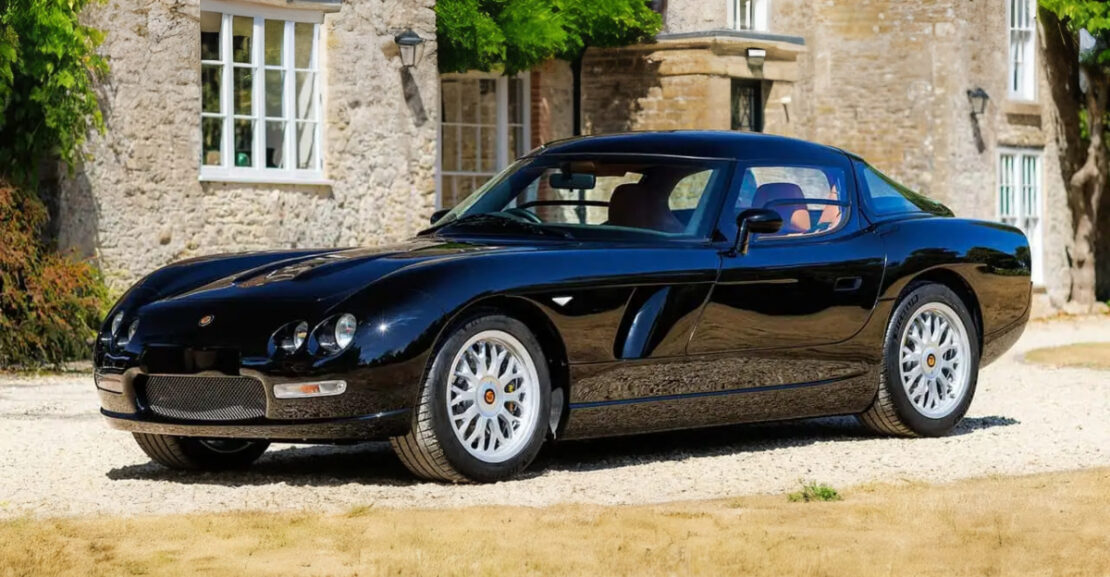
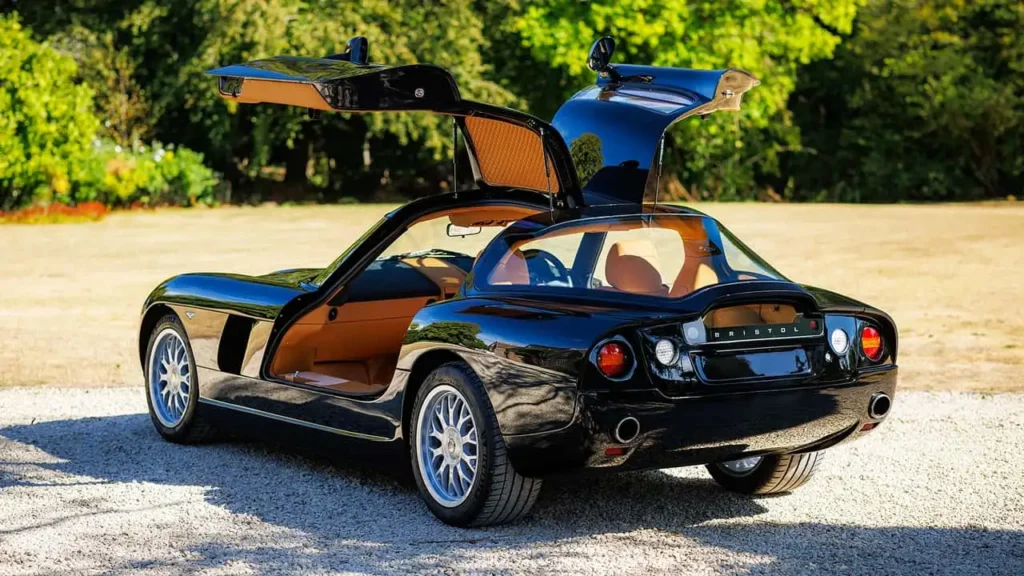
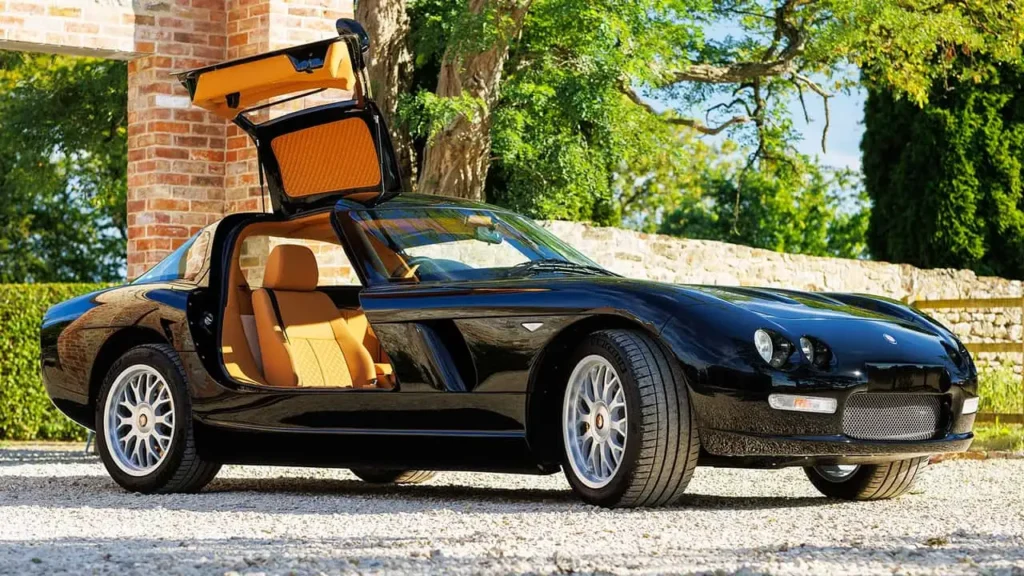
Originally launched in the early 2000s, the Fighter combined a naturally aspirated 8.0-litre V10, rear-wheel drive, a six-speed manual gearbox and gullwing doors with a remarkably restrained body capable of a claimed 210 mph.
It was fast.
Rare.
Unconventional.
And deeply British.
Then Bristol Cars collapsed into administration in 2011, leaving the Fighter as one of the strangest unfinished chapters in modern British automotive history.
Now, in 2026, that chapter is being reopened.
Bristol Cars has returned with five unfinished original Fighter chassis, and the first has finally been completed.
This is not a restomod.
Not a replica.
Not a modern recreation.
These are genuine original cars that were never finished before Bristol disappeared.
Fifteen years later, they are finally becoming complete automobiles.
The Car That Was Supposed to Reinvent Bristol
Bristol had always been different.
The company emerged from the Bristol Aeroplane Company after the Second World War and built highly individual grand tourers for a very small, very loyal clientele.
Advertising was minimal.
Production was tiny.
Discretion was part of the appeal.
By the late 1990s, however, the traditional formula was becoming difficult to sustain.
The Fighter was intended to change that.
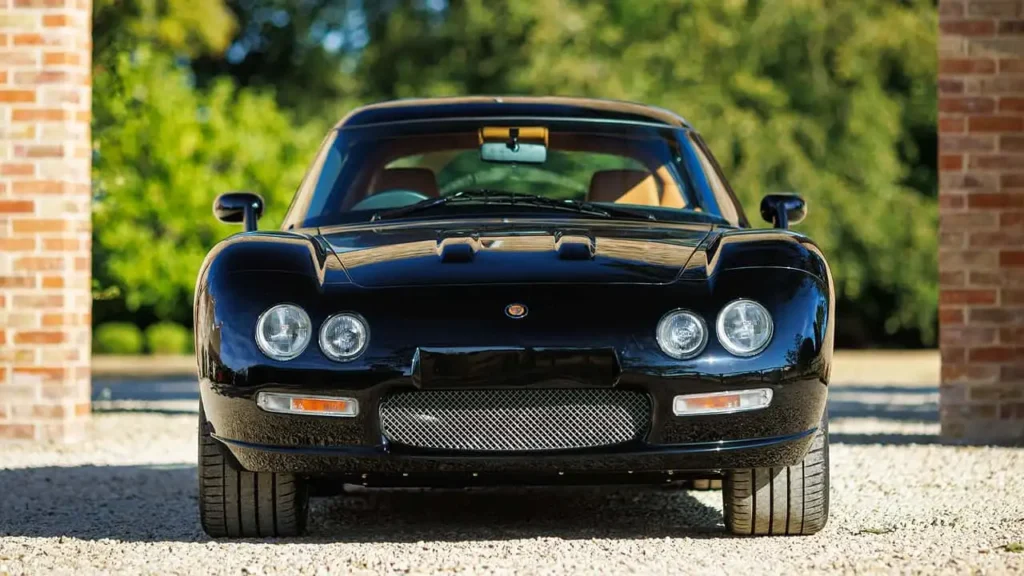
Instead of another large, understated GT, Bristol created a true supercar.
But even then, it refused to follow conventional rules.
The Fighter was designed to be compact, practical and easy to use.
It offered excellent visibility, real luggage space and enough cabin room for tall drivers.
Even the gullwing doors were not simply theatrical. They provided easier access while requiring less room to open in tight spaces.
Spyker C8 Preliator XXV: The Return of the Analogue Dutch Supercar
Aerodynamics Before Styling
The Fighter’s shape was dictated primarily by airflow.
Rather than beginning with aggressive styling, Bristol developed the aerodynamic form first and refined the appearance afterwards.
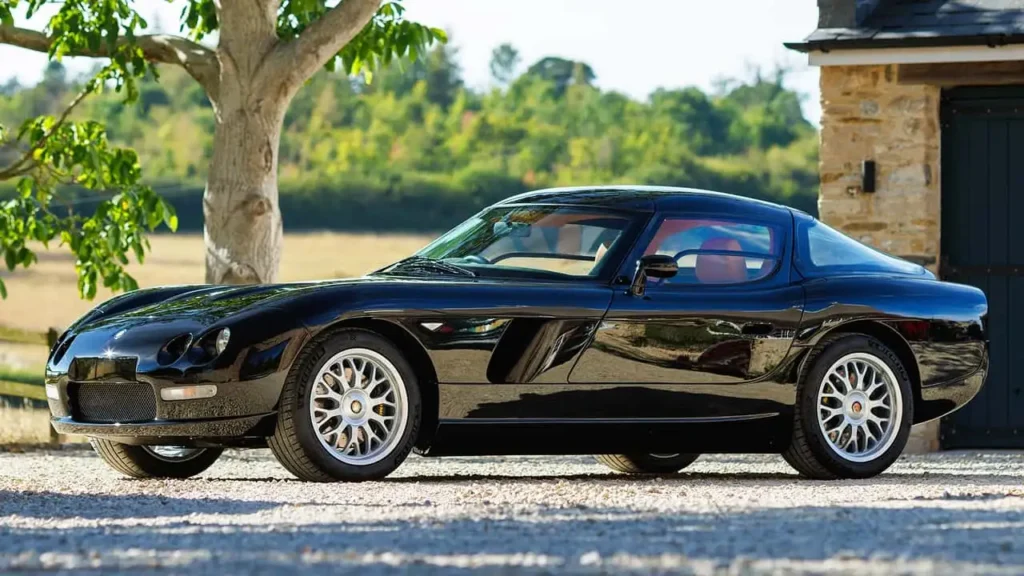
The result was unusually clean.
No enormous rear wing.
No unnecessary aggression.
The drag coefficient was claimed at just 0.28, remarkably low for a car capable of more than 200 mph.
The long bonnet, narrow cabin and teardrop profile made the Fighter look unlike anything else in its class.
It was a supercar designed to be visually quiet.
An 8.0-Litre Naturally Aspirated V10
Under the bonnet sat a naturally aspirated 8.0-litre V10 derived from the Dodge Viper.
In standard form, it produced approximately 525 bhp and 525 lb-ft of torque.
The engine architecture was relatively simple by European supercar standards, but that simplicity became part of the Fighter’s character.
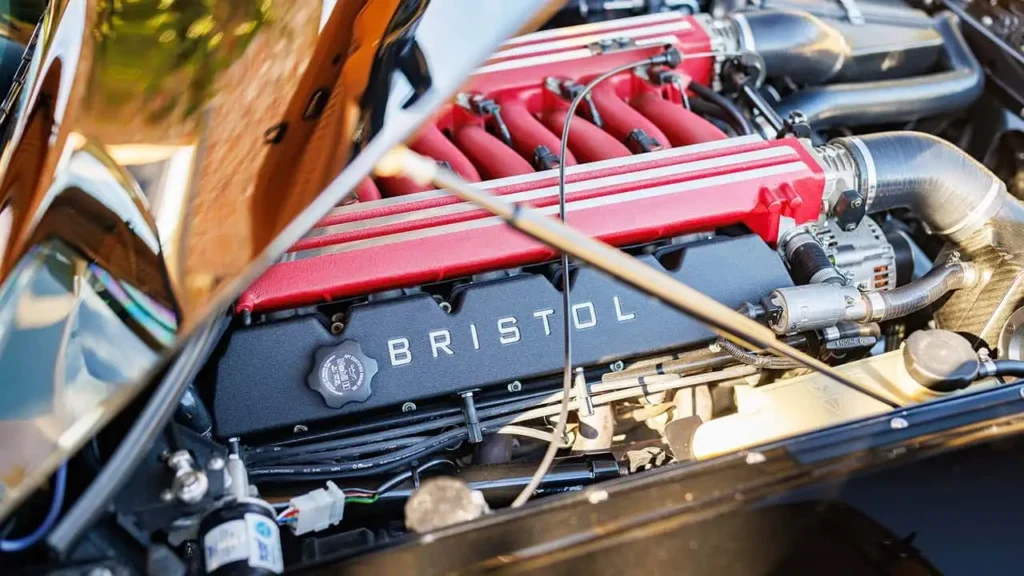
Huge displacement.
Immediate torque.
No turbochargers.
No hybrid assistance.
And power sent exclusively to the rear wheels.
Bristol also developed a sealed induction system that created a mild ram-air effect at very high speed, increasing output slightly as the car approached its maximum velocity.
The result was a claimed top speed of around 210 mph, or approximately 338 km/h.
Six Speeds and Three Pedals
The Fighter used a six-speed manual transmission.
In 2026, that specification feels almost exotic.
Naturally aspirated V10.
Rear-wheel drive.
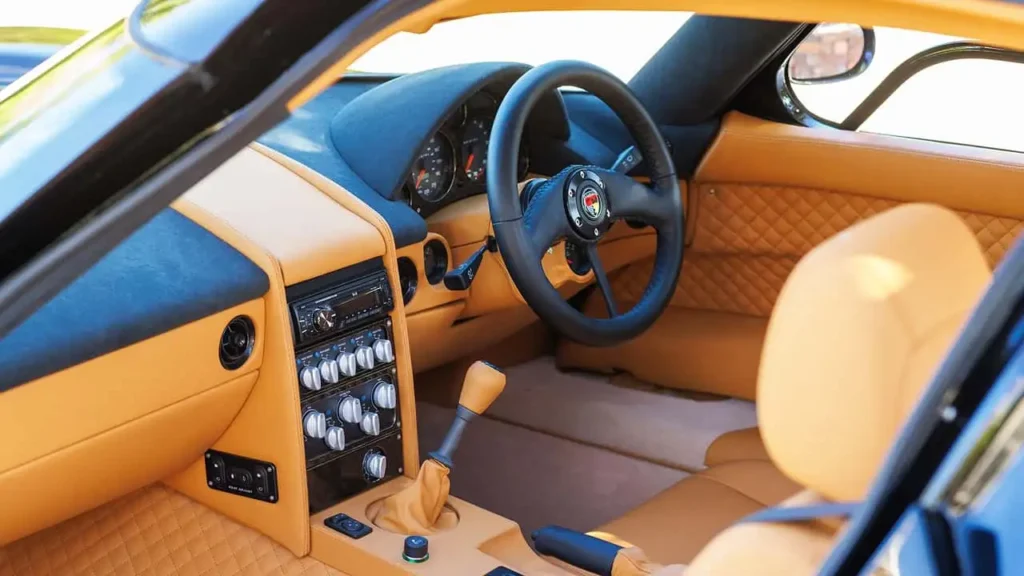
Manual gearbox.
No electrification. or no complicated driving modes.
The configuration belongs to an era that has almost disappeared.
And that is precisely why the Fighter may be more appealing today than when it was new.
Bizzarrini 5300 Aperta Lusso: Completing a Dream Sixty Years in the Making
Front-Mid-Engine Balance
Despite the long bonnet, the engine sat behind the front axle.
That gave the Fighter a front-mid-engine layout and a near-ideal weight distribution of roughly 48:52 front to rear.
Double-wishbone suspension was used at all four corners.
The car weighed approximately 1,600 kg, using aluminium, composites and a steel structure beneath the body.
It was not an ultra-lightweight machine, but it was designed around balance rather than brute force.
Contemporary reviews often described it as a car that became more convincing the faster it was driven.
At low speeds, it could feel relaxed.
At higher speeds, the chassis came alive.
Not Really a Ferrari Rival
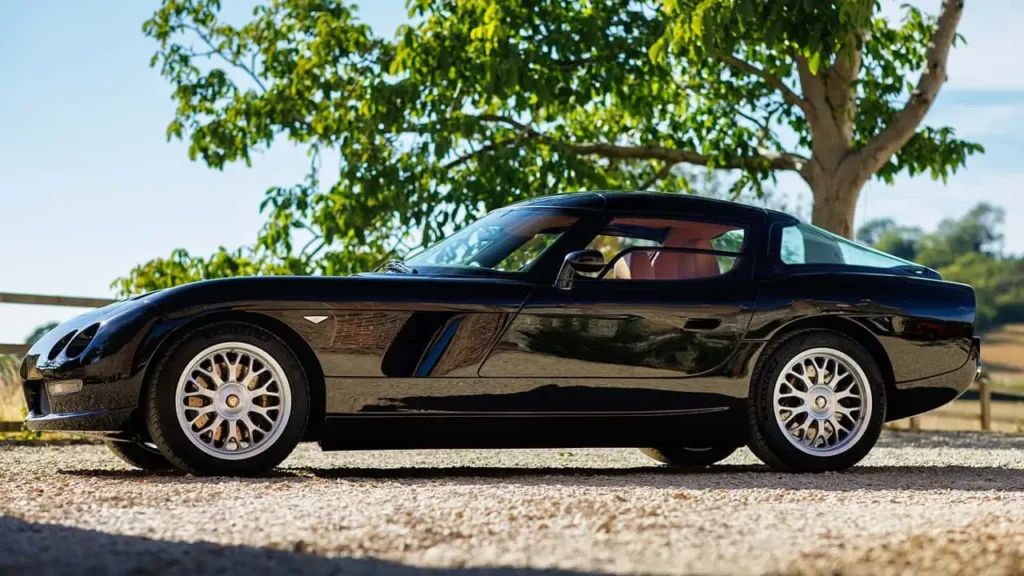
At the time, the obvious comparison was the Ferrari 599 GTB Fiorano.
Both were front-engined.
But the philosophy was completely different.
The Ferrari was sharper, more dramatic and more immediately exotic.
The Bristol offered discretion, comfort, torque and something far rarer:
Anonymity.
Owning a Fighter meant owning something most people would never recognise.
That was not a weakness.
For Bristol customers, it was often the whole point.
The Fighter T
Bristol later announced an even more extreme version.
The Fighter T.
Twin turbochargers increased output to a claimed figure of more than 1,000 bhp.
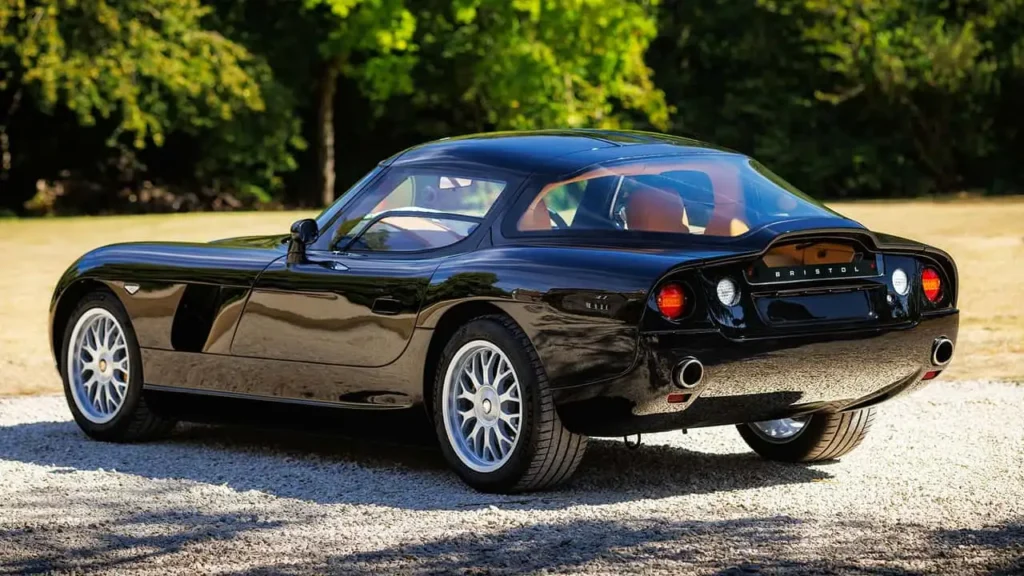
Bristol suggested extraordinary theoretical performance, including a potential top speed close to 270 mph.
The car never became a significant production model, but it remains one of the wildest “what if” projects in British supercar history.
Then Bristol Disappeared
Despite the ambition, the Fighter arrived too late to save the company.
Production remained tiny.
Costs were high.
The company struggled financially.
In 2011, Bristol Cars entered administration.
Only a very small number of Fighters had been completed.
Exact production figures remain unclear, but what is certain is that the model became exceptionally rare.
The story appeared to be over.
Until now.
Five Original Chassis Survived
The revived Bristol Cars has confirmed that five unfinished original Fighter chassis remained.
Instead of immediately developing a completely new model, the company chose to finish what Bristol had already started.
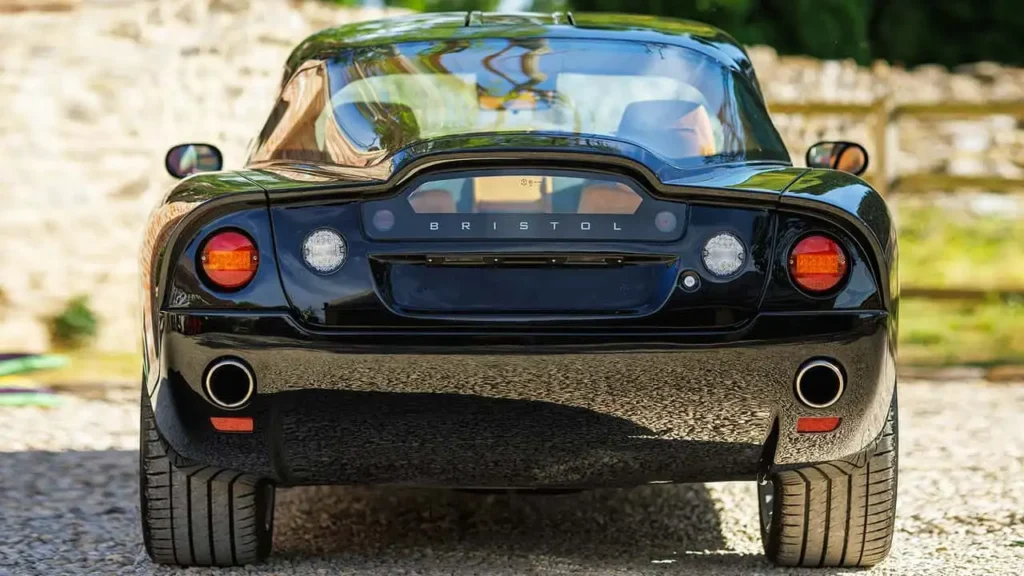
The first has now been completed.
Four more are expected to follow.
That makes these 2026 cars unusual even within the growing continuation-car market.
They are not newly manufactured replicas.
They are original cars whose production was interrupted.
Now, after more than a decade, the process is finally being completed.
Built to the Original Spirit
The revived Fighters retain the original architecture.
The same V10.
The same analogue atmosphere.
Depending on specification, power is expected to remain around 525 to 600 hp.
Customers will also be able to choose between right- and left-hand drive.
Most importantly, Bristol has resisted the temptation to modernise the Fighter excessively.
No hybrid system or no. giant screens.
No automatic gearbox replacing the manual.
The point is continuity.
An Interior From Another Era
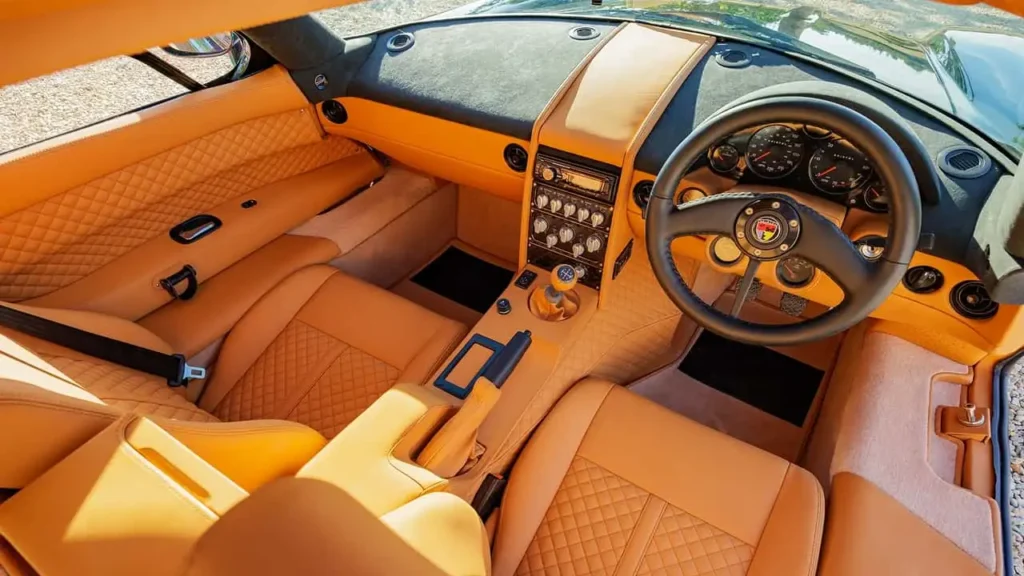
Inside, the Fighter remains unmistakably early-2000s.
Analogue gauges.
Physical controls.
Leather.
Traditional switchgear.
And even overhead instrumentation inspired by Bristol’s aviation heritage.
The cabin may not look modern.
That is part of its appeal.
Today, almost every supercar interior is dominated by digital displays and increasingly similar technology.
The Fighter feels mechanical.
Individual.
Human.
Morgan Midsummer Coupe: A Celebration of Coachbuilding in Its Purest Form
Britain’s Anti-Supercar
The Fighter was always difficult to classify.
Too practical to feel like a conventional exotic.
Too understated for buyers chasing visual drama.
In 2005, those contradictions made it difficult to understand.
In 2026, they make it fascinating.
The automotive world has changed.
Manual supercars are disappearing.
Naturally aspirated V10 engines are almost gone.
Simple analogue interiors are becoming rare.
The Fighter suddenly feels more special than ever.
Not a Restomod, Not a Replica
That distinction is important.
The new Fighters are not old cars receiving modern upgrades.
They are not newly manufactured continuation chassis.
They are original unfinished Bristol Fighter cars finally being completed.
That makes them something far more unusual.
Cars whose production story began before Bristol collapsed and ends after the company’s return.
Very few automobiles can claim that kind of history.
The Perfect Car for Bristol’s Return
There may have been easier ways to revive Bristol.
A luxury SUV would probably sell better.
An electric GT would appear more contemporary.
A partnership with a larger manufacturer would reduce risk.
But none would communicate Bristol’s identity as clearly as the Fighter.
The car combines nearly everything that made the marque unusual.
British understatement.
Aviation influence.
Large engines.
Long-distance performance.
Engineering independence.
And a complete lack of interest in following the crowd.
The Fighter is exactly the kind of car Bristol would choose to bring itself back.
Britain’s 210 MPH Contrarian
The Bristol Fighter never became the car that saved Bristol Cars.
But perhaps that no longer matters.
Its failure has become part of the story.
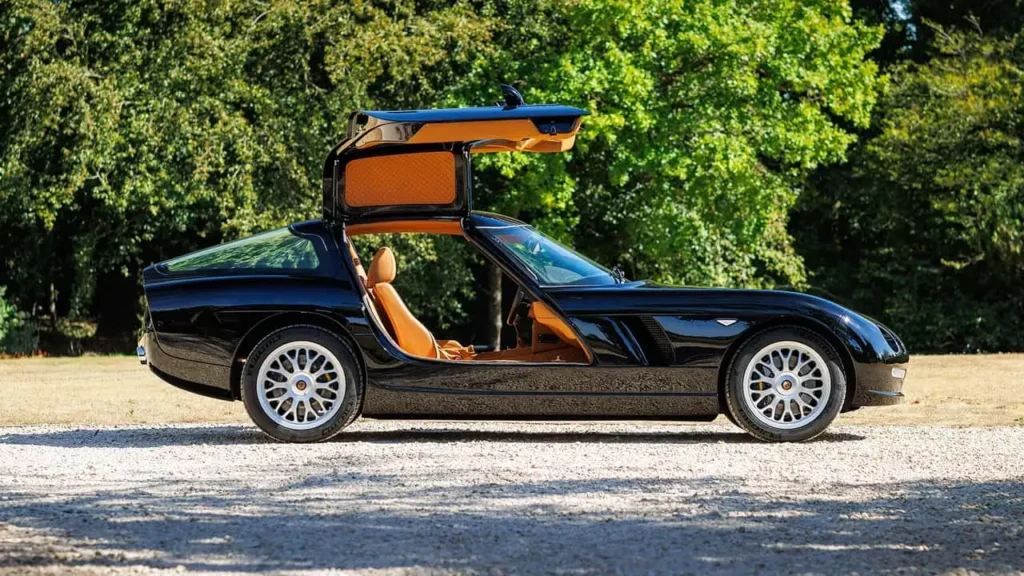
It represents a moment when a tiny British manufacturer believed it could create a compact, comfortable, gullwing-doored, 210 mph supercar powered by an eight-litre V10 and compete on its own terms.
The company disappeared.
The idea survived.
Now five unfinished chassis are giving that idea a final chapter.
The Fighter still does not look like a Ferrari.
It still does not behave like a conventional supercar.
It still feels slightly irrational.
And that may be exactly why it deserves to return.