
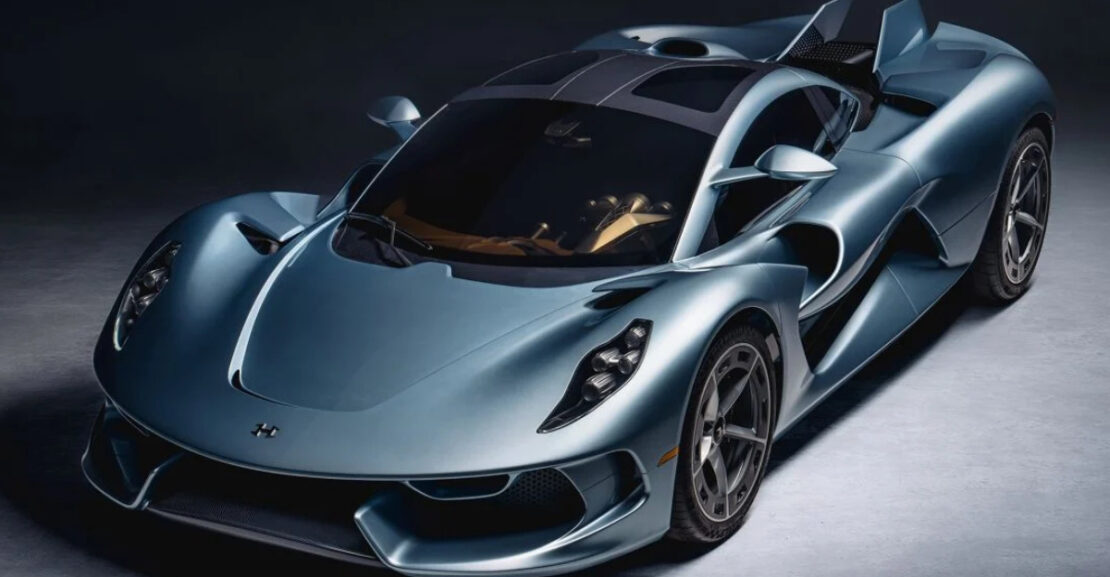
For decades, every new generation of hypercars has become faster, more powerful and more technologically sophisticated.
Turbochargers replaced naturally aspirated engines.
Hybrid systems added hundreds of horsepower.
Dual-clutch gearboxes made manual transmissions almost obsolete.
Electronic assistance became increasingly capable of extracting performance that few drivers could ever fully exploit.
The Hennessey Blackbird challenges every one of those assumptions.
Instead of chasing complexity, the Texas manufacturer has chosen simplicity.
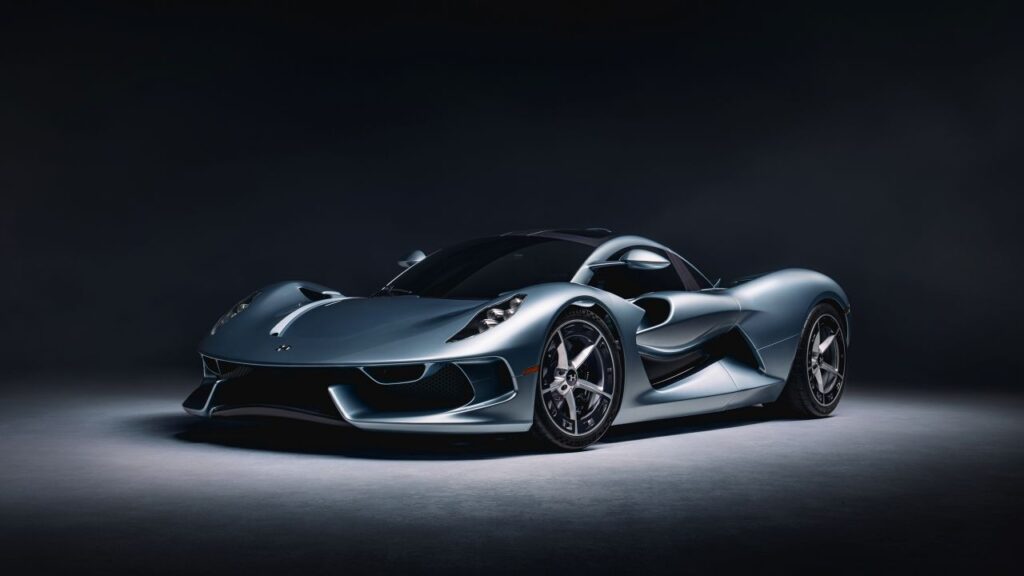
Instead of automated gear changes, it returns control to the driver.
The result is one of the most intriguing hypercar concepts of recent years—a machine inspired as much by classic endurance racers as by the legendary Lockheed SR-71 Blackbird, the fastest aircraft ever to enter operational service. It is a car built around emotion rather than algorithms, reminding enthusiasts that ultimate performance is not always measured by lap times alone.
Inspired by the World’s Fastest Aircraft
The name Blackbird is far from accidental.
Hennessey drew inspiration from the iconic SR-71 Blackbird, the Cold War reconnaissance aircraft renowned for its extraordinary speed, unmistakable silhouette and uncompromising engineering.
Just as the aircraft was designed around one objective—maximum performance—the hypercar follows the same philosophy.
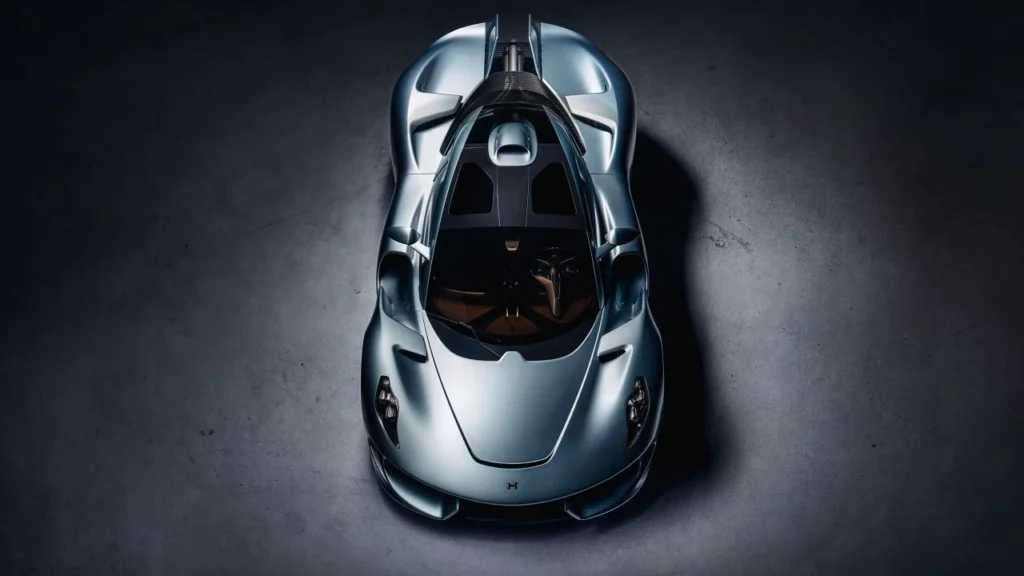
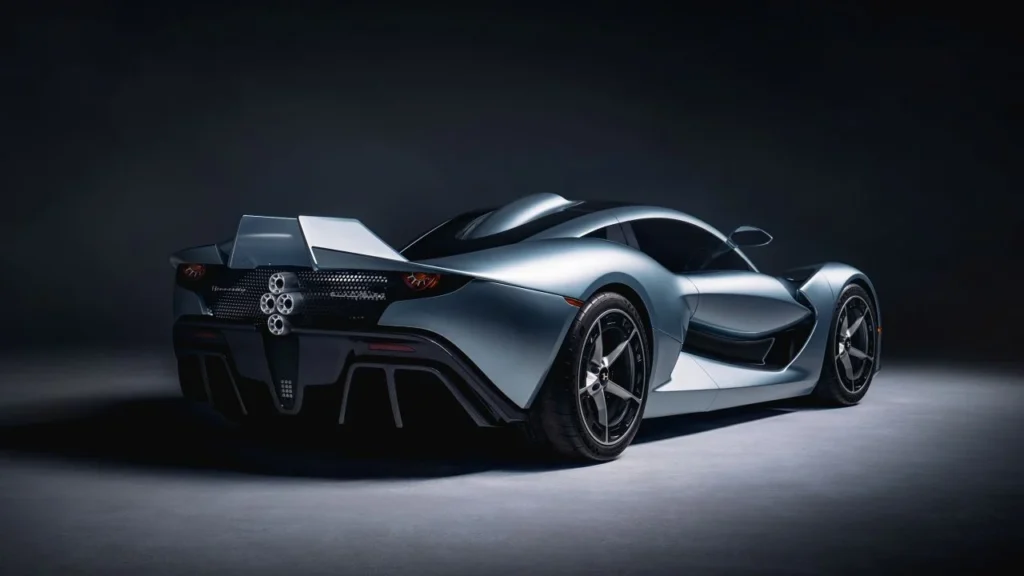
Every surface appears functional.
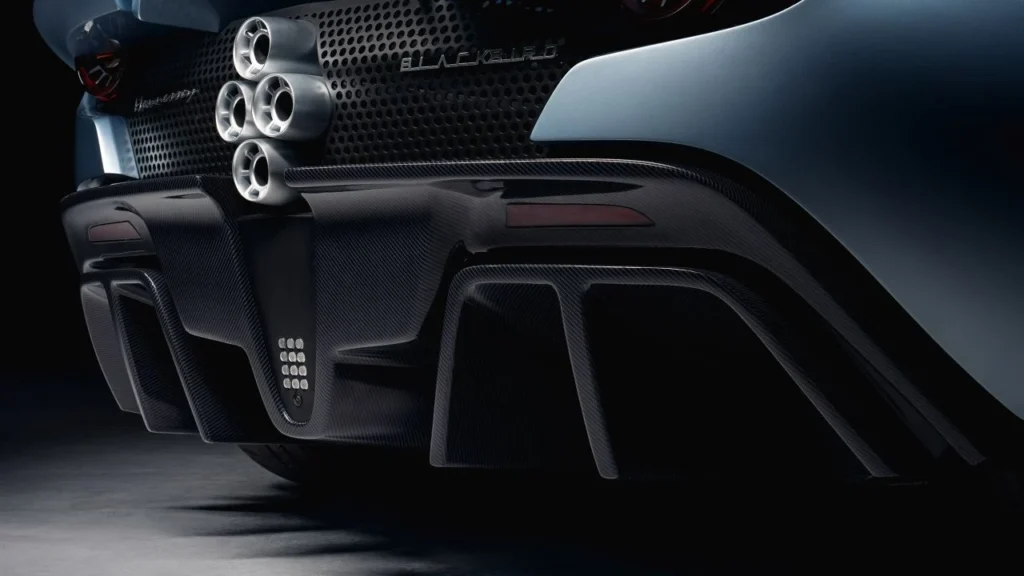
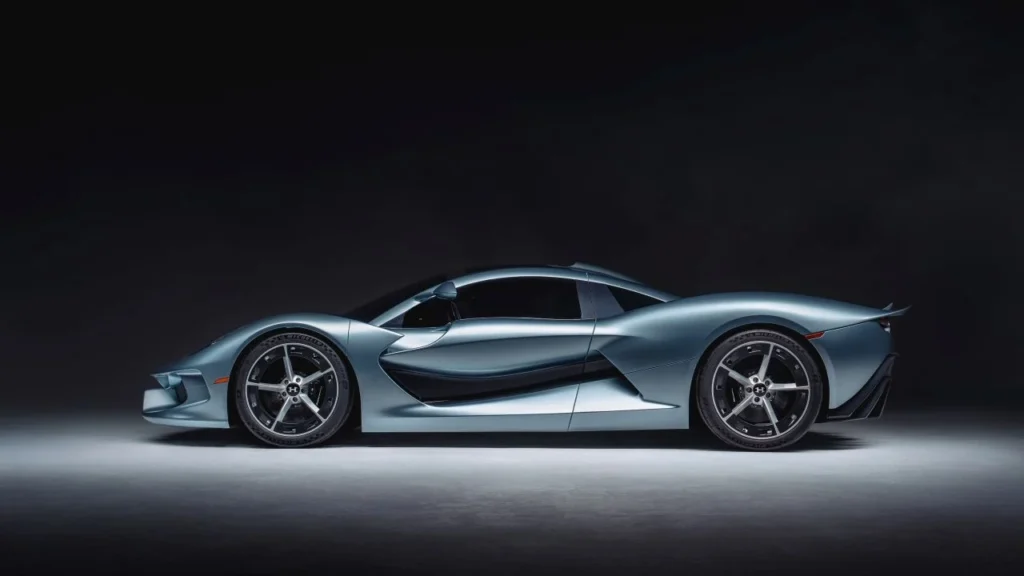
The low, elongated profile evokes the aerodynamic purity of endurance prototypes, while the flowing roofline and dramatic rear treatment suggest a machine shaped by airflow rather than styling trends.
Rather than reproducing the aircraft’s appearance literally, Hennessey captures its spirit: purposeful, minimalist and relentlessly focused on speed.
Hennessey Venom F5-M: Redefining the Manual Hypercar
A Naturally Aspirated V8 in an Electrified World
Perhaps the most remarkable aspect of the Blackbird lies beneath its bodywork.
While the overwhelming majority of modern hypercars rely on turbocharging, hybridisation or both, Hennessey has chosen a naturally aspirated V8.
The engine is expected to produce approximately 1,000 horsepower, making it the most powerful naturally aspirated production V8 ever installed in a road-going automobile.
Without forced induction, throttle response becomes immediate.
Power delivery remains linear.
The soundtrack develops naturally as engine speed rises toward an exceptionally high redline.
It is an experience becoming increasingly rare.
Rather than overwhelming the driver with instant electric torque, the Blackbird rewards commitment, precision and mechanical understanding.
Every increase in engine speed becomes part of the experience.
The Return of the Manual Gearbox
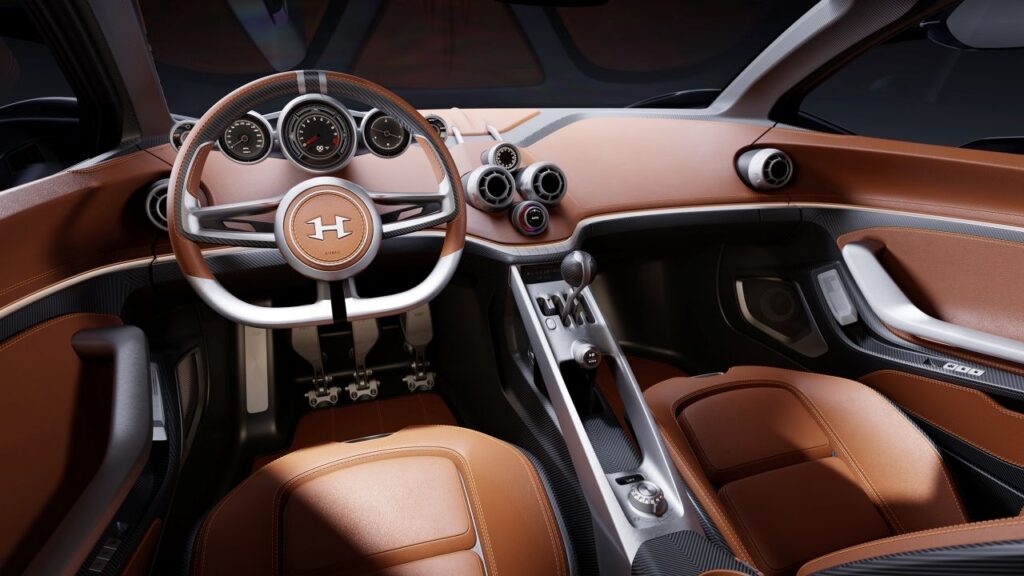
Equally significant is the transmission.
The Blackbird abandons paddle shifters entirely.
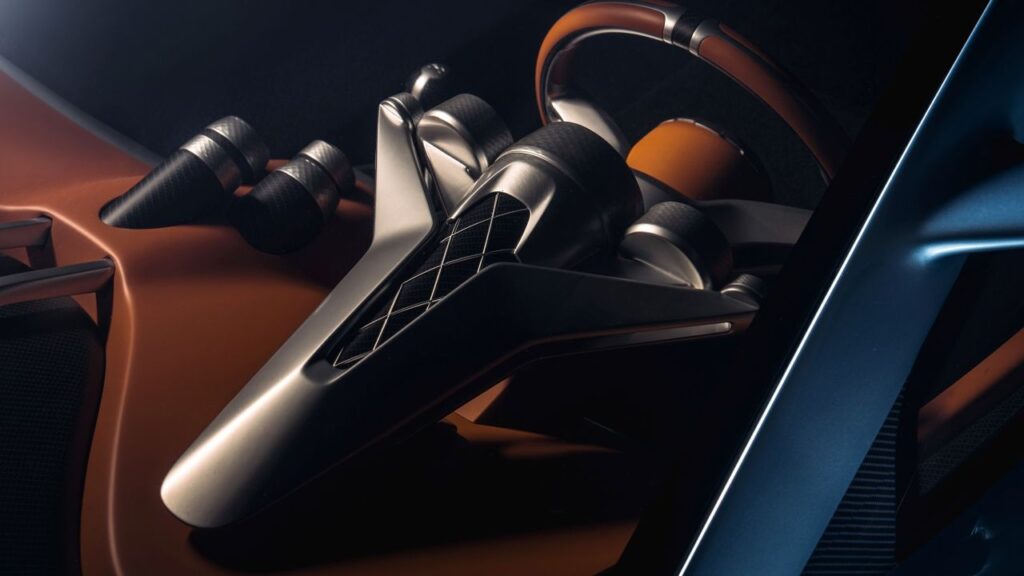
Instead, power is delivered exclusively through a traditional manual gearbox, placing the driver back at the centre of the experience.
For decades, manufacturers argued that manual transmissions could no longer compete with modern automated gearboxes.
Objectively, they were correct.
Subjectively, however, something important was lost.
The physical connection between driver and machine.
The satisfaction of executing a perfect heel-and-toe downshift.
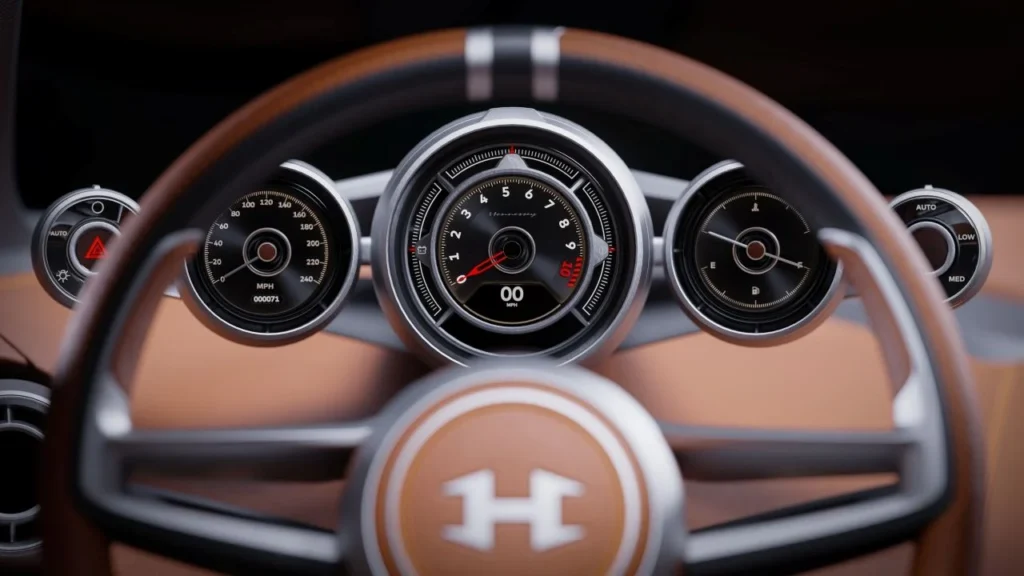
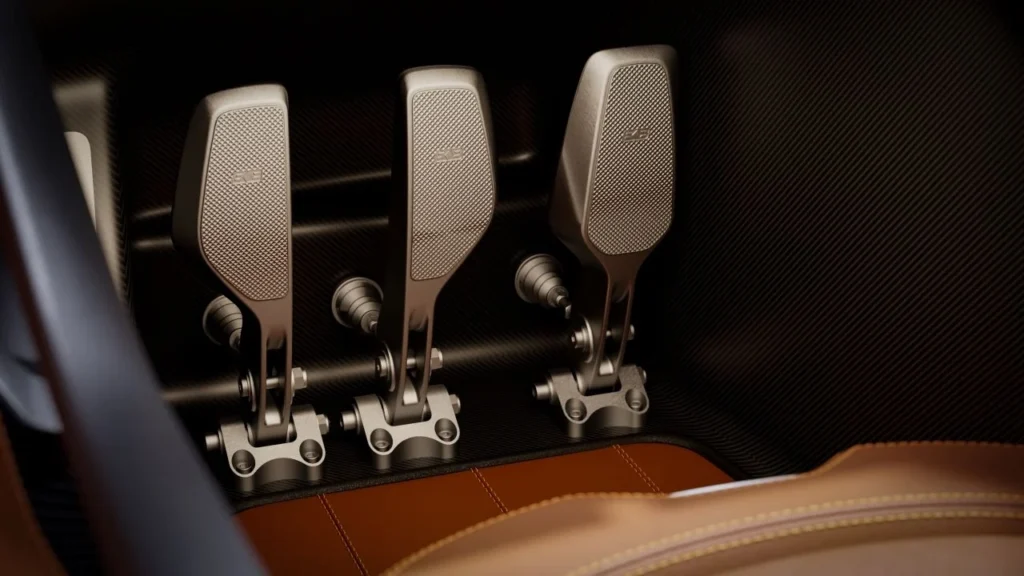
The anticipation before selecting the next ratio.
Hennessey clearly believes those emotions remain worth preserving.
The Blackbird is therefore designed not to achieve the quickest possible shift.
But the most rewarding one.
Rear-Wheel Drive Without Compromise
The philosophy continues with the drivetrain.
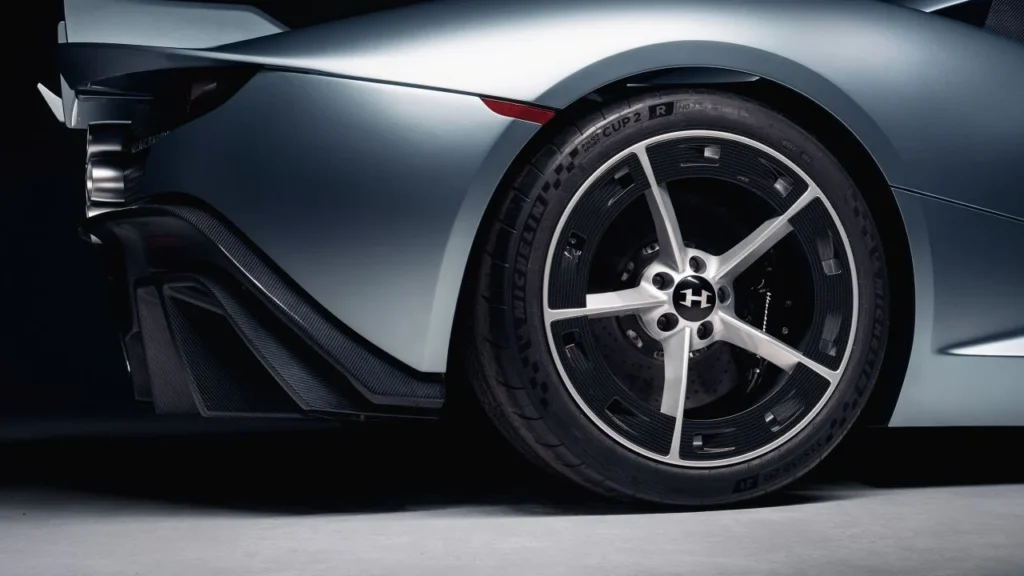
Power is transmitted exclusively to the rear wheels, rejecting the increasingly common use of sophisticated all-wheel-drive systems.
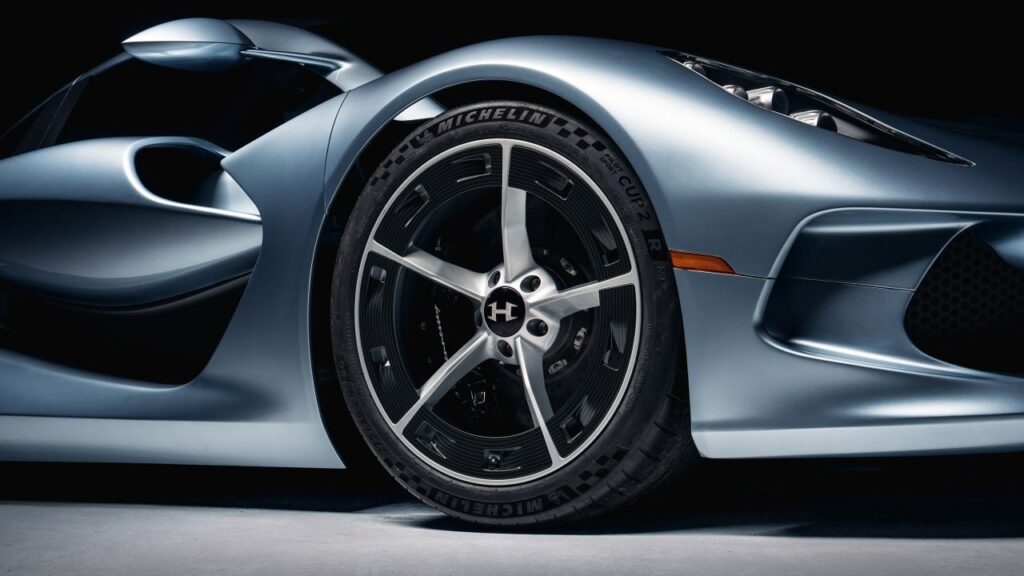
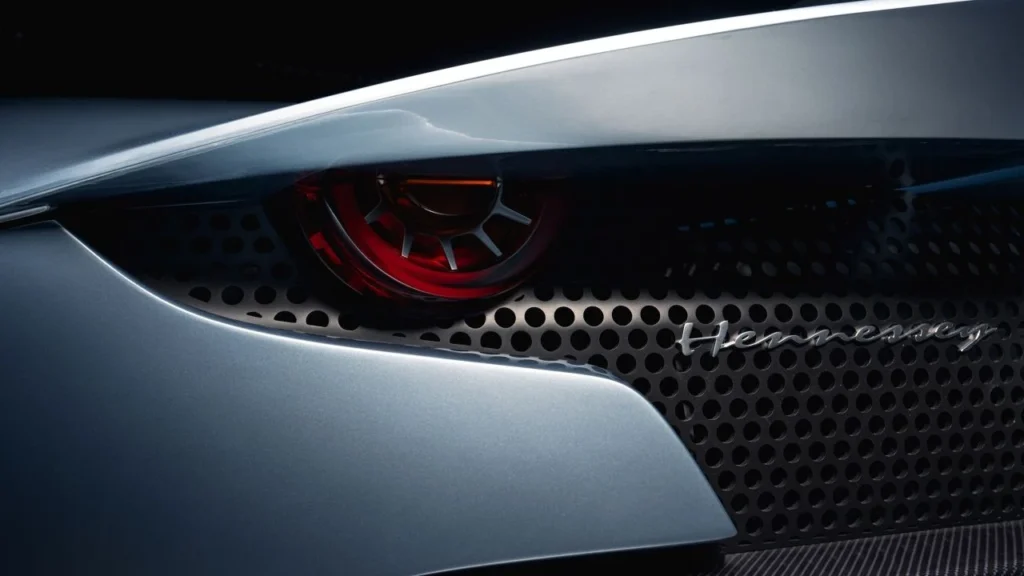
With approximately one thousand horsepower available, the Blackbird promises to demand genuine skill from its driver.
Electronic assistance is expected to remain present where safety requires it, yet the emphasis remains unmistakably analogue.
The objective is engagement.
Not automation.
This approach places the Blackbird alongside a small group of modern performance cars that continue to prioritise driver involvement above outright accessibility.
Lightweight Engineering
Achieving extraordinary performance requires far more than horsepower alone.
Hennessey has therefore focused extensively on weight reduction.
A carbon-fibre monocoque forms the structural foundation of the vehicle, complemented by lightweight composite body panels and carefully optimised suspension components.
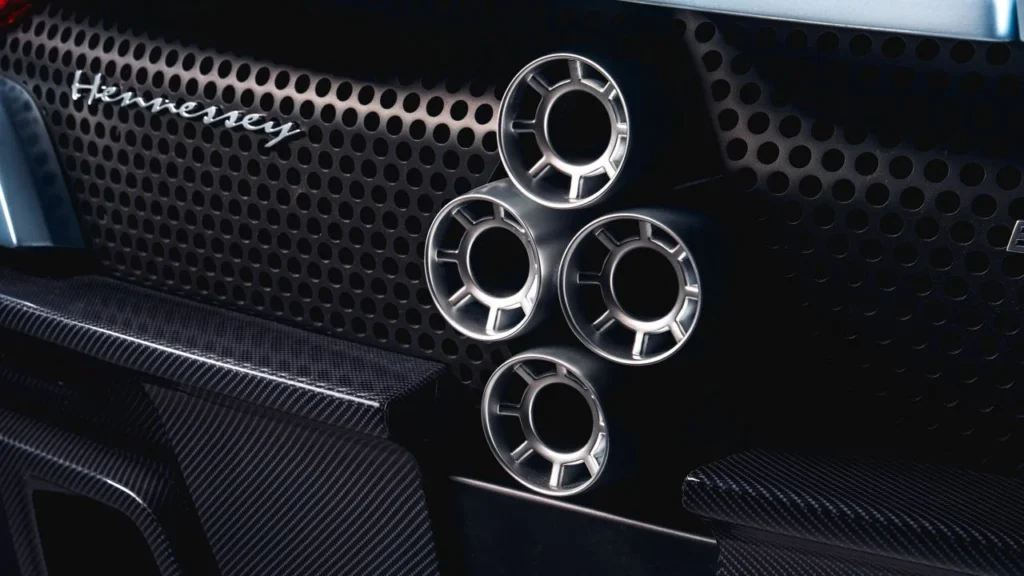
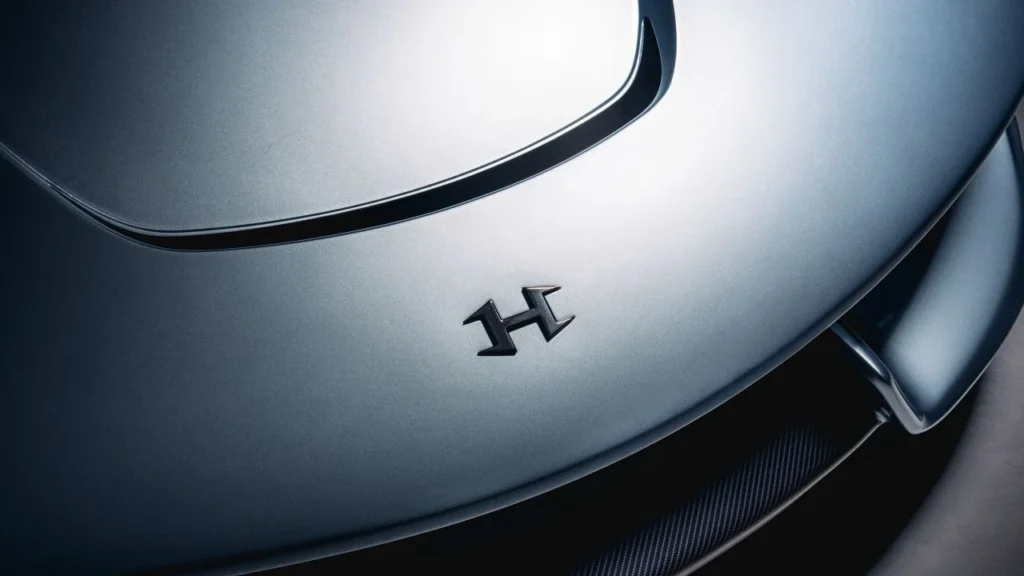
Every kilogram removed improves acceleration, braking and cornering simultaneously.
Rather than relying on excessive aerodynamic drag or oversized wings, the Blackbird seeks efficiency through intelligent engineering.
This philosophy echoes many of the greatest analogue supercars of previous decades.
Power matters.
Weight matters even more.
Apollo EVO ‘Caribbean Dragon’: The First Customer Car Brings Apollo’s Vision to Life
Aerodynamics With Purpose
The exterior reflects the same engineering-led philosophy.
Its dramatic proportions are not intended merely to attract attention.
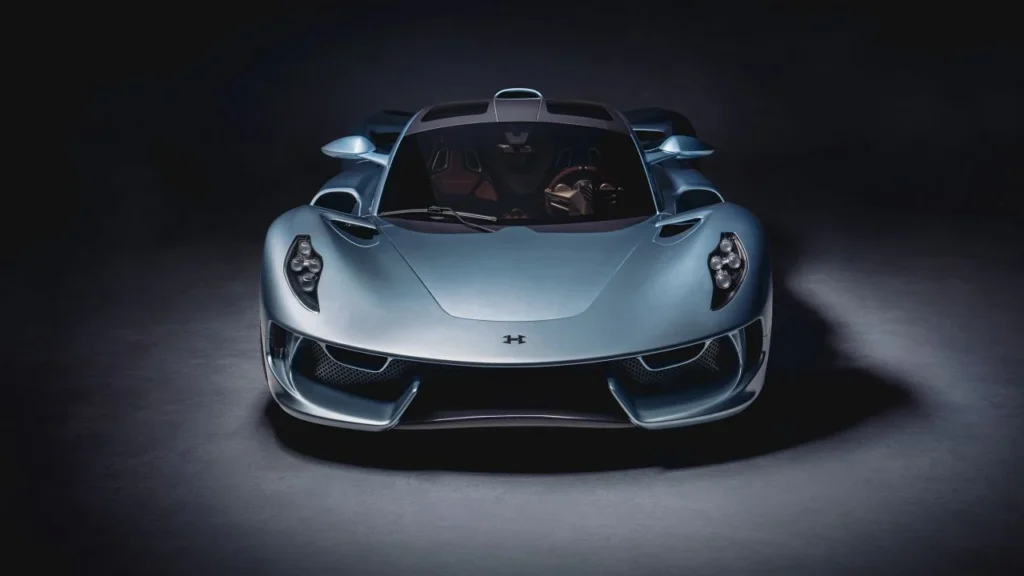
Large front air intakes provide cooling for the naturally aspirated V8.
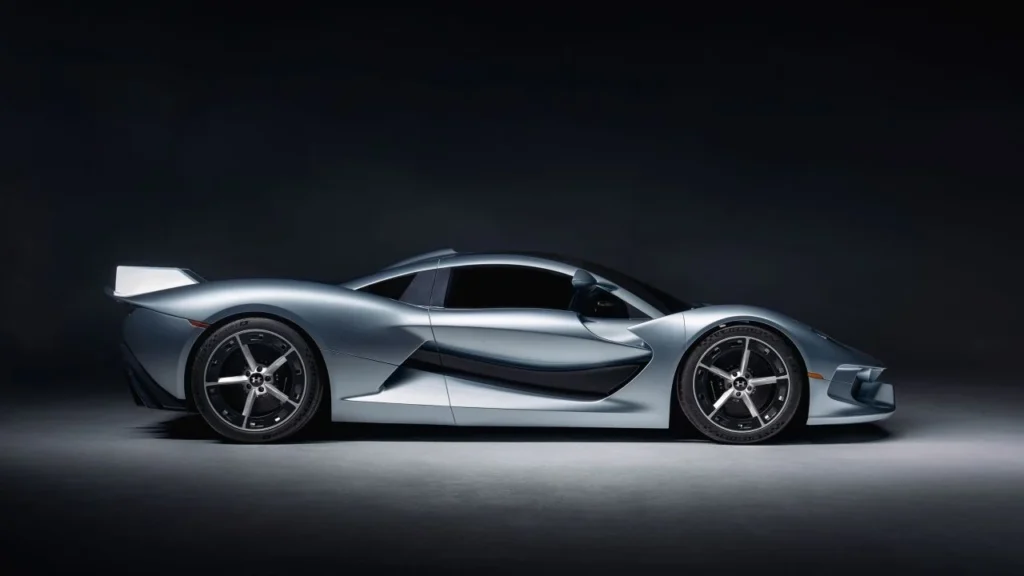
Carefully sculpted side surfaces manage airflow towards the rear of the car.
The diffuser and integrated aerodynamic elements generate stability at high speed while avoiding unnecessary visual complexity.
Like the SR-71 that inspired its name, the Blackbird appears to have been shaped by function before form.
The resulting silhouette feels timeless rather than fashionable.
Exclusivity by Design
Hennessey has confirmed that the Blackbird will remain an exceptionally limited production model.
Rather than pursuing large production numbers, the company intends to build a highly exclusive automobile aimed at collectors who value mechanical purity above technological novelty.
Each example will be assembled with the same meticulous attention to detail that has characterised Hennessey’s recent hypercar projects.
For owners, rarity becomes part of the appeal.
The Blackbird is unlikely ever to become a common sight—even among the world’s rarest automobiles.
Hennessey Venom F5 Revolution LF: The First Maverick
A Different Interpretation of Performance
The automotive industry is moving rapidly towards electrification.
Hybrid hypercars now routinely exceed 2,000 horsepower.
Artificial intelligence increasingly assists every aspect of vehicle dynamics.
Against that background, the Blackbird feels almost rebellious.
It does not reject technological progress.
Instead, it asks a simple question.
What if the greatest luxury in tomorrow’s automotive world is mechanical simplicity?
A naturally aspirated engine.
Three pedals.
A manual gearbox.
Rear-wheel drive.
Perhaps these features will become more valuable precisely because they are disappearing.
The Last Great Analogue Hypercar?
Whether the Hennessey Blackbird ultimately becomes a production reality or remains an extraordinary concept, its significance extends beyond performance figures.
It represents a different philosophy.
One that prioritises emotion over efficiency.
Engagement over automation.
Character over complexity.
As regulations continue to reshape the future of high-performance automobiles, opportunities to create machines like this become increasingly rare.
The Blackbird embraces that reality rather than resisting it.
It celebrates everything enthusiasts have loved about performance cars for generations.
In doing so, it may become one of the defining analogue hypercars of the modern era—not because it follows industry trends, but because it deliberately chooses another path.