
Some cars become icons because they are successful.
Others become legends because they dared to dream bigger than the world was ready for.
The Jaguar XJ220 belongs firmly to the second category.
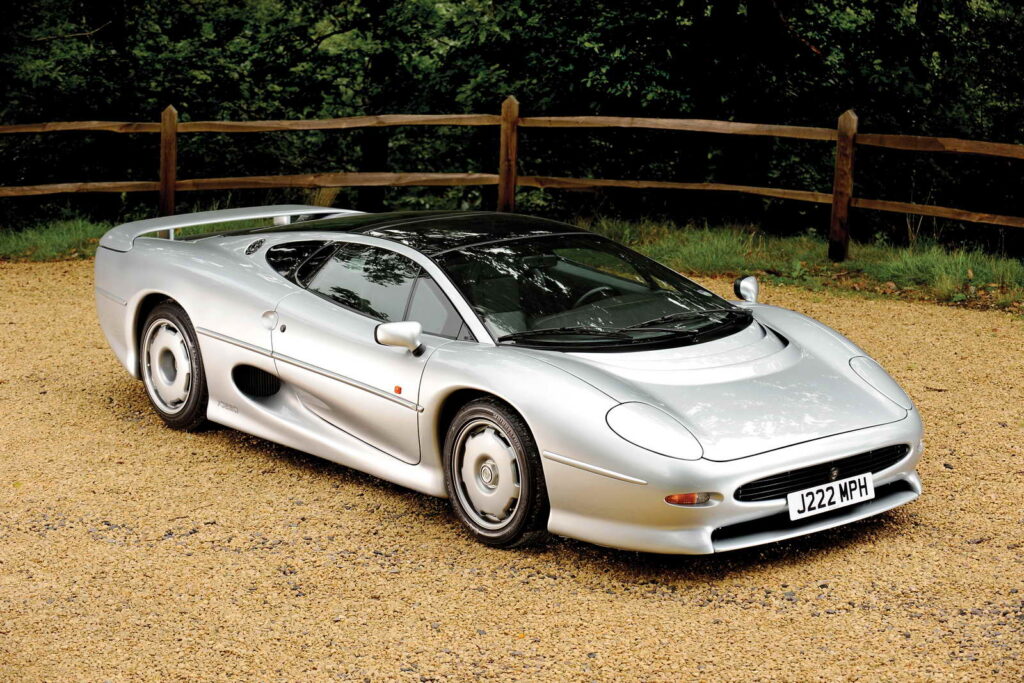
When it arrived in the early 1990s, it was the fastest production car in the world, capable of exceeding 217 mph and challenging the established hierarchy of European supercars. More than three decades later, it remains one of Britain’s most fascinating automotive achievements.
Now, Ian Callum and his design studio have asked a simple yet irresistible question:
What if the Jaguar XJ220 had never disappeared?
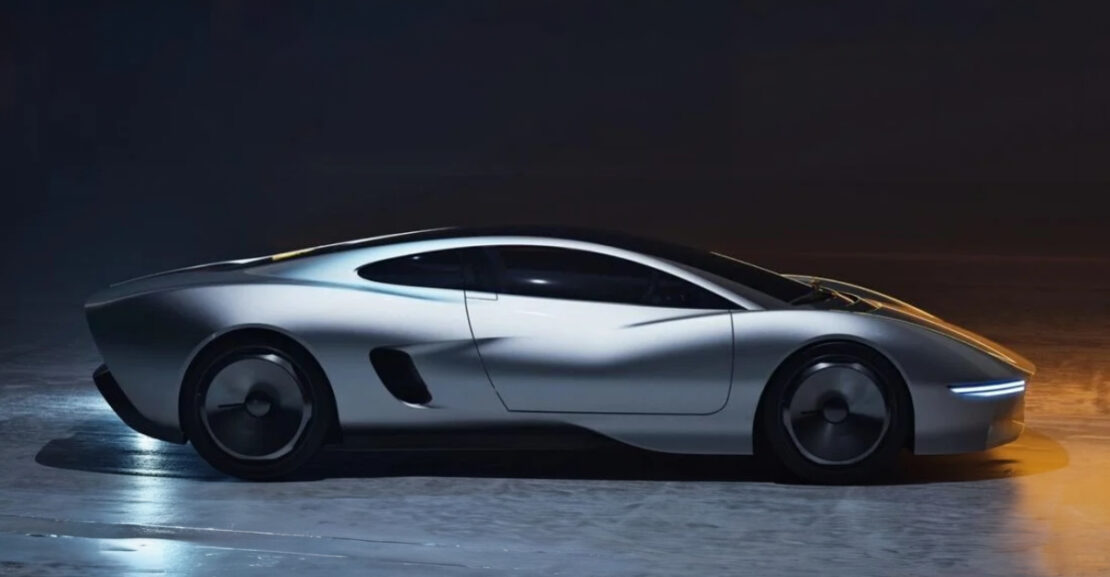
The answer comes in the form of a striking contemporary design study that reimagines one of Jaguar’s greatest supercars for a new era while remaining remarkably faithful to the spirit of the original.
The Original XJ220: A Car Ahead of Its Time
The story of the Jaguar XJ220 began long before production.
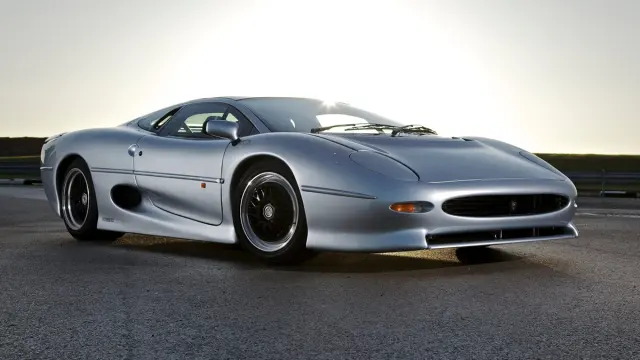
Originally unveiled as a concept in 1988, the project captured imaginations with its dramatic proportions, mid-mounted V12 engine and all-wheel-drive layout. It represented Jaguar’s ambition to build the ultimate road-going supercar — a machine capable of reaching an unprecedented 220 mph, the figure that ultimately inspired its name.
As development progressed, reality inevitably reshaped the project.
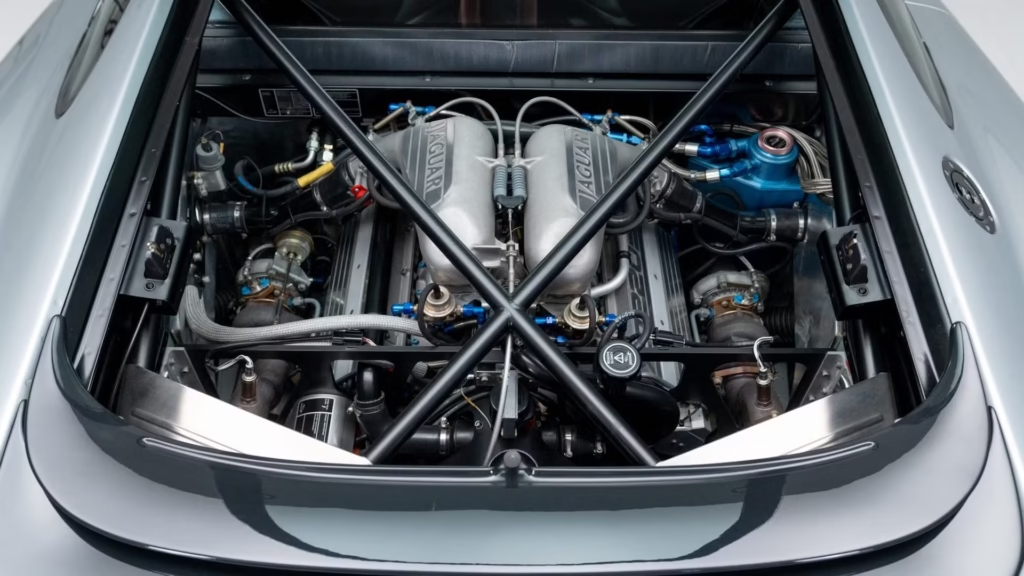
The production car abandoned the V12 in favour of a compact 3.5-litre twin-turbocharged V6 developed with Tom Walkinshaw Racing. Four-wheel drive also disappeared, reducing weight and complexity while improving overall performance.
The changes disappointed some early customers.
History, however, has been kinder.
The production XJ220 proved astonishingly capable, becoming one of the fastest production automobiles of its era while delivering levels of stability and refinement rarely seen in early-1990s supercars.
Today, collectors increasingly recognise it not as a compromise, but as one of the defining British performance cars of its generation.
Ian Callum’s Jaguar Legacy
Although Ian Callum is closely associated with Jaguar’s modern design renaissance, the XJ220 predates his arrival at the company.
Instead, Callum became responsible for shaping a completely new era of Jaguars through models such as the XK, XF, XJ, F-Type and the spectacular C-X75 concept. His work helped redefine Jaguar as a contemporary luxury performance brand while maintaining the elegance that had always distinguished the marque.
Perhaps because he never had the opportunity to influence the XJ220, the project has always represented an intriguing “what if” within his remarkable career.
This new design study finally allows him to answer that question.
A Contemporary Interpretation, Not a Retro Copy
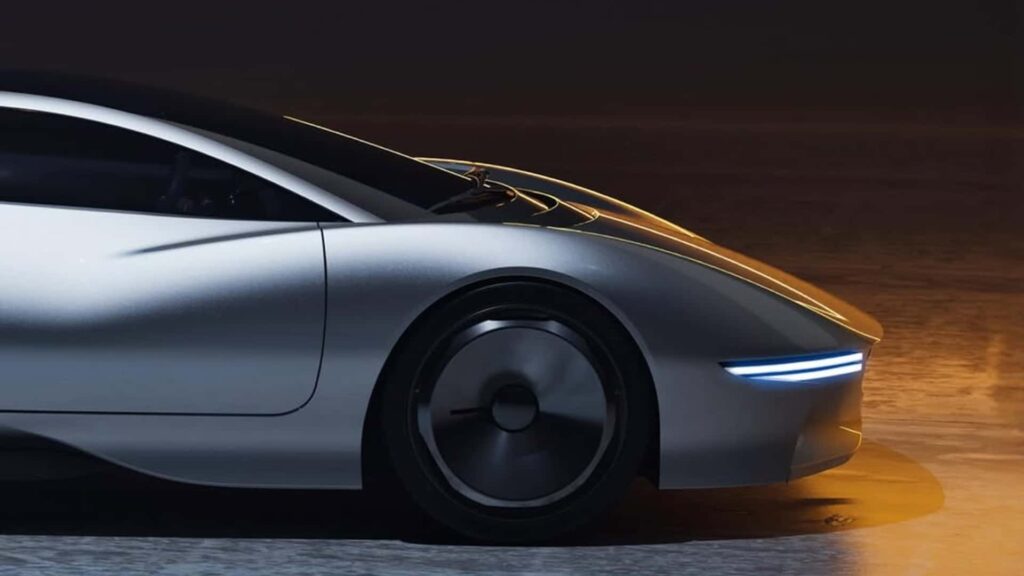
Callum has been careful not to describe the project as a restomod.
Nor is it intended to be a nostalgic recreation.
Instead, the design explores how the XJ220’s philosophy could evolve if it were conceived today.
Only limited images have been revealed so far, yet they already demonstrate a thoughtful approach.
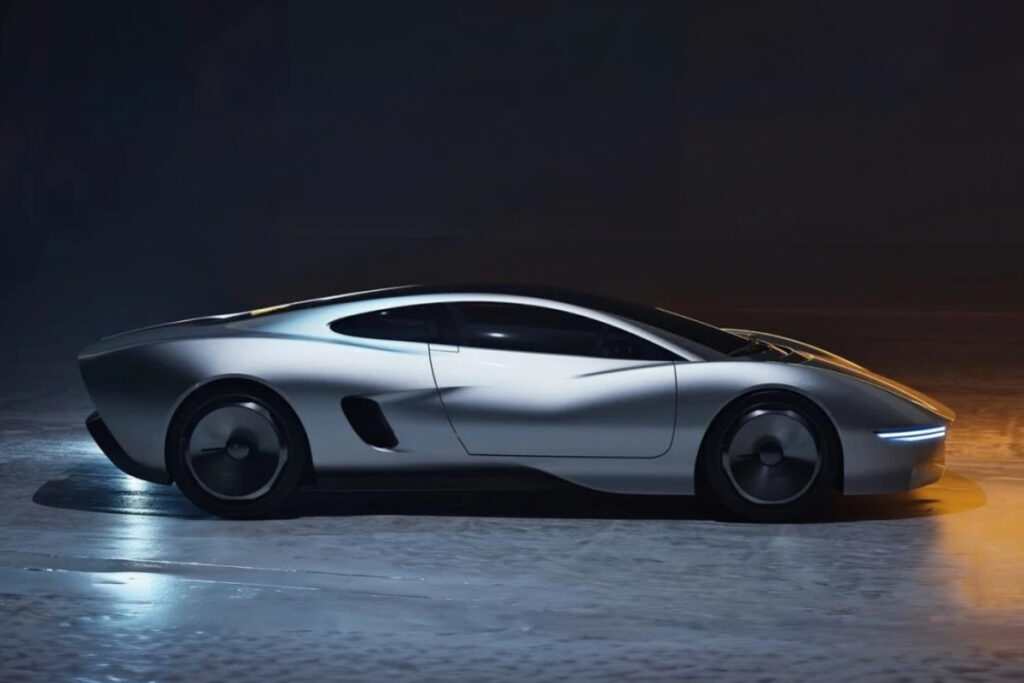
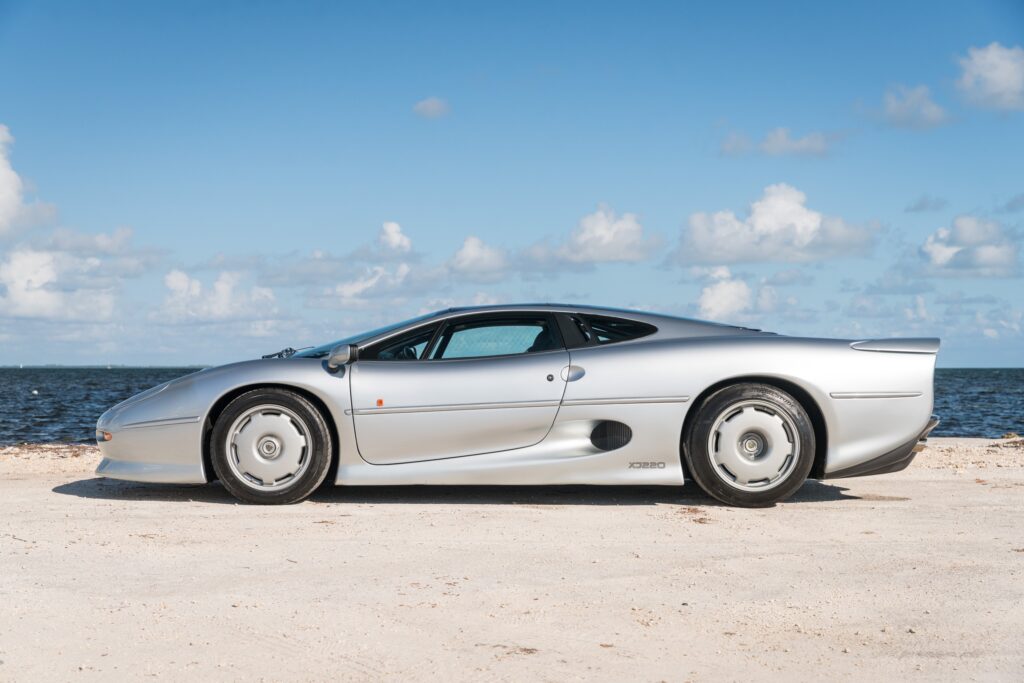
The instantly recognisable silhouette remains.
The Ultimate Jaguar C-X75: How CALLUM Finished the Hypercar That Never Was
The compact glasshouse survives.
The signature side air intakes continue to define the profile.
Even the proportions unmistakably reference the original.
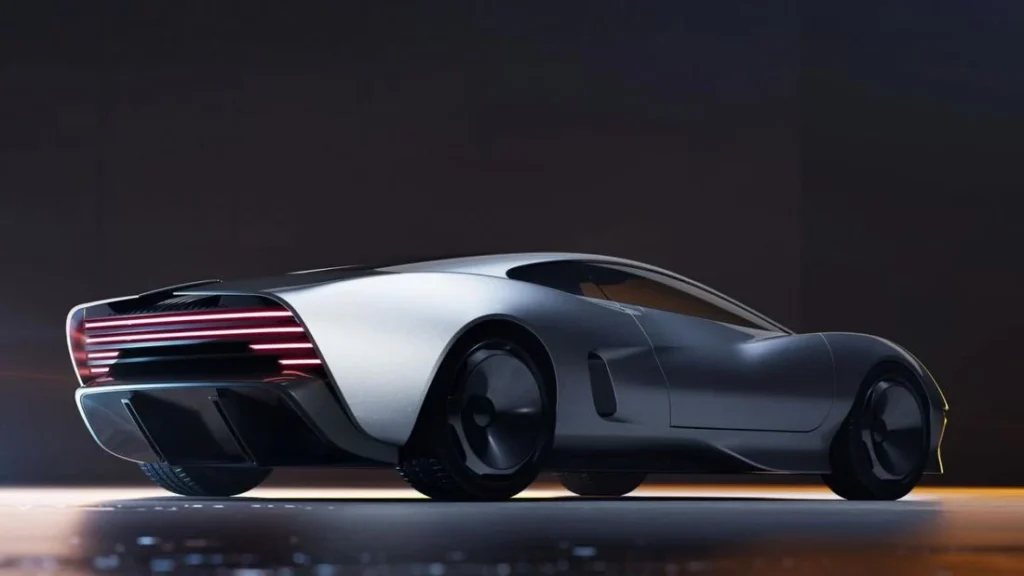
At the same time, almost every surface has been reinterpreted.
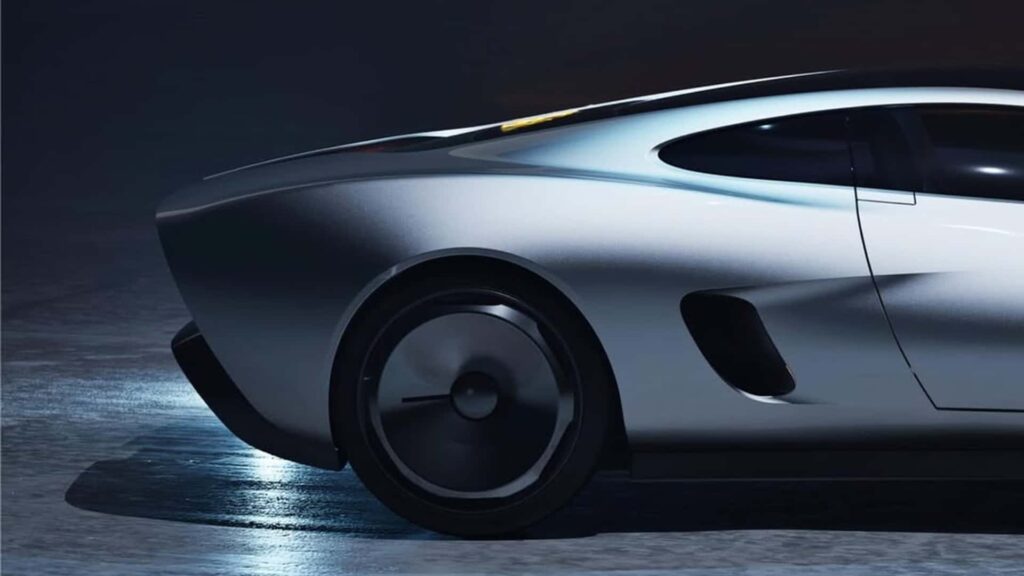
The body appears lower and more tightly sculpted.
The rear haunches become more muscular.
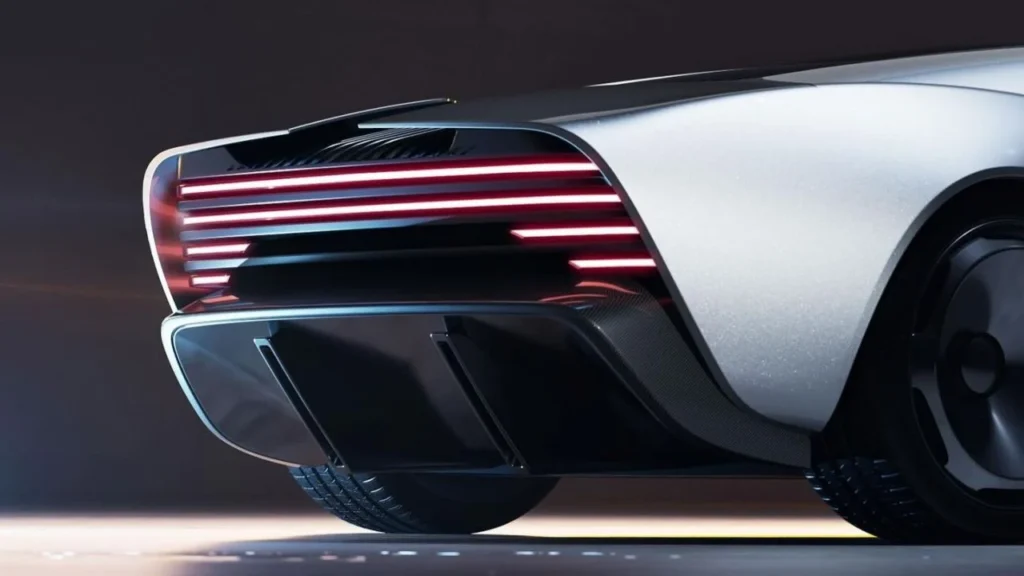
The tail tapers more aggressively, creating a stronger sense of movement even when stationary.
Slim LED lighting replaces the original lamps, while modern aerodynamic detailing integrates naturally into the design rather than appearing as decorative additions.
The result feels less like nostalgia and more like evolution.
Respecting the Original Without Being Trapped by It
One of the greatest strengths of the project is its restraint.
Many modern reinterpretations rely heavily on retro styling.
Round headlights.
Vintage details.
Obvious historical references.
Callum deliberately avoids that approach.
Instead, he preserves the proportions and visual identity that made the XJ220 unforgettable while allowing the surfaces and details to reflect contemporary automotive design.
It is recognisably an XJ220.
Yet it never feels imprisoned by the past.
That balance is remarkably difficult to achieve.
More Than Just Styling
At present, CALLUM describes the project as a design study rather than a production programme.
No technical specifications have been confirmed, and the company has not announced whether complete vehicles will eventually be built.
Nevertheless, CALLUM’s recent history suggests that such projects should not be dismissed as simple renderings.
The consultancy has already demonstrated its ability to transform ambitious ideas into reality through projects such as the Vanquish 25, the Jaguar C-X75 customer commissions and numerous bespoke engineering programmes.
Should an XJ220 programme move forward, it would almost certainly combine modern engineering with handcrafted construction and extensive customer involvement.
Why the XJ220 Deserves a Second Life
Few supercars have experienced such a dramatic shift in reputation.
When new, the XJ220 divided opinion.
Today, it is widely regarded as one of the most significant British performance cars ever produced.
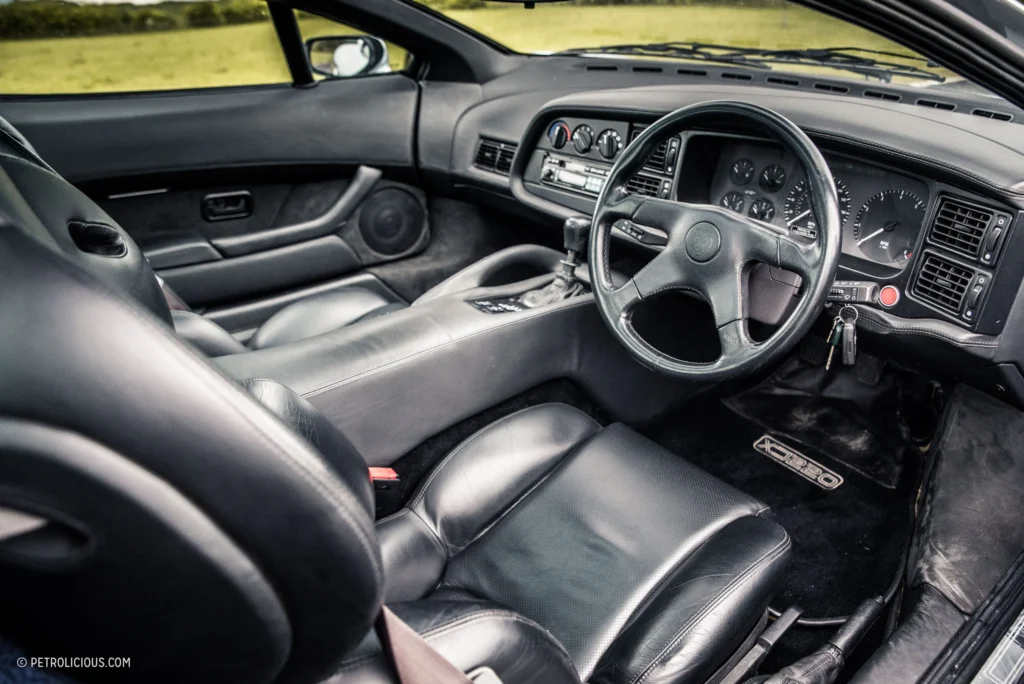
Its rarity, engineering sophistication and historical importance continue to elevate its standing among collectors.
A modern reinterpretation therefore feels entirely appropriate.
Not because the original needs replacing.
But because its story deserves another chapter.
CALLUM Vanquish 25: The Grand Tourer Ian Callum Always Wanted to Build
A Vision Rather Than a Conclusion
Whether this remarkable design study ultimately becomes a production vehicle remains unknown.
Perhaps it will remain a fascinating concept.
Perhaps a handful of collectors will commission bespoke examples.
Either outcome would be understandable.
What matters is something else entirely.
The project reminds us how timeless the Jaguar XJ220 really was.
Thirty years after redefining Britain’s supercar ambitions, its proportions remain instantly recognisable.
Its presence remains extraordinary.
Its influence remains unmistakable.
Ian Callum has not attempted to redesign history.
He has simply imagined what history might have looked like if the XJ220 had continued to evolve.
And judging by these first images, it is a future many enthusiasts would love to see become reality.