
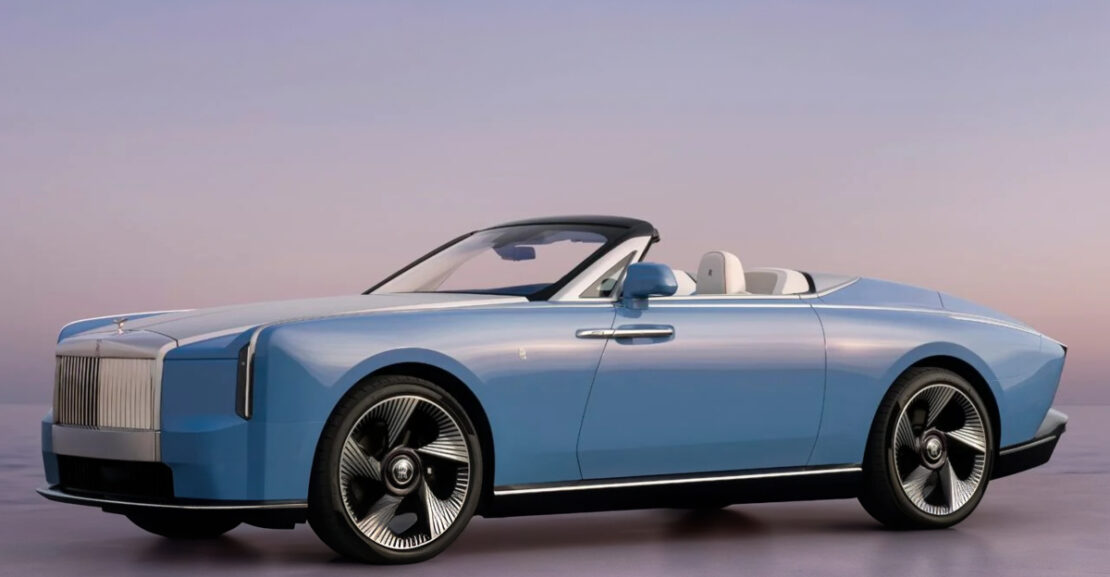
There are moments in the history of luxury automobiles when a manufacturer does not simply unveil a new model, but rather introduces a new philosophy. The Rolls-Royce Project Nightingale belongs to that rare category. It is not merely a car—it is an exploration of silence, proportion, and artistic intent, shaped for a new generation of collectors who seek more than performance or prestige. They seek meaning.
In an era where electrification is rapidly redefining the automotive landscape, Rolls-Royce has chosen not to follow trends, but to reinterpret its own legacy through a radically contemporary lens. Project Nightingale emerges as a deeply considered response to this transformation: a two-seat, open-top motor car that distills over a century of craftsmanship into something both timeless and entirely new.
This is not evolution. It is a statement.
A New Chapter in Coachbuilding
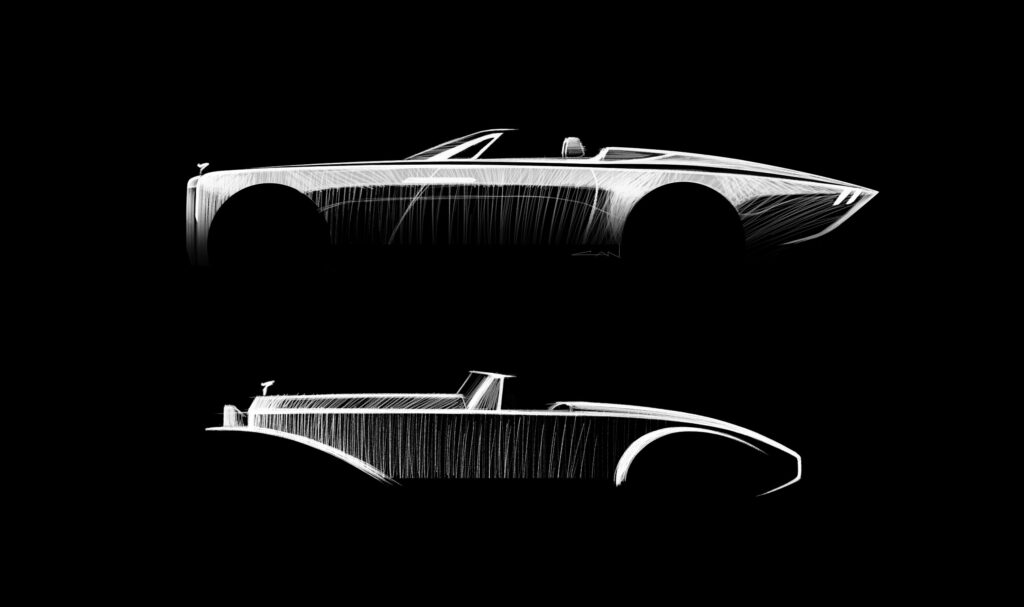
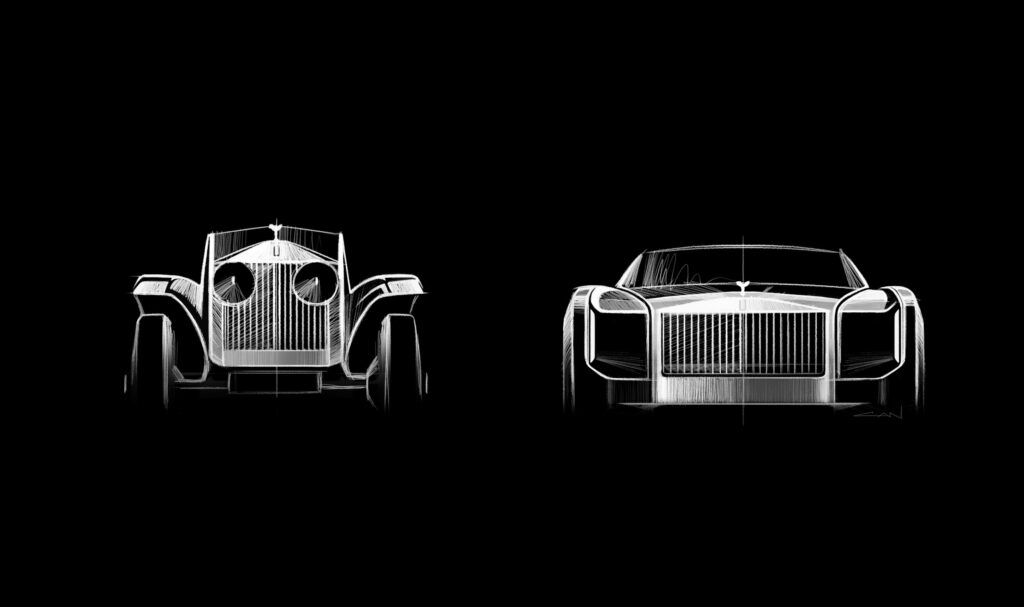
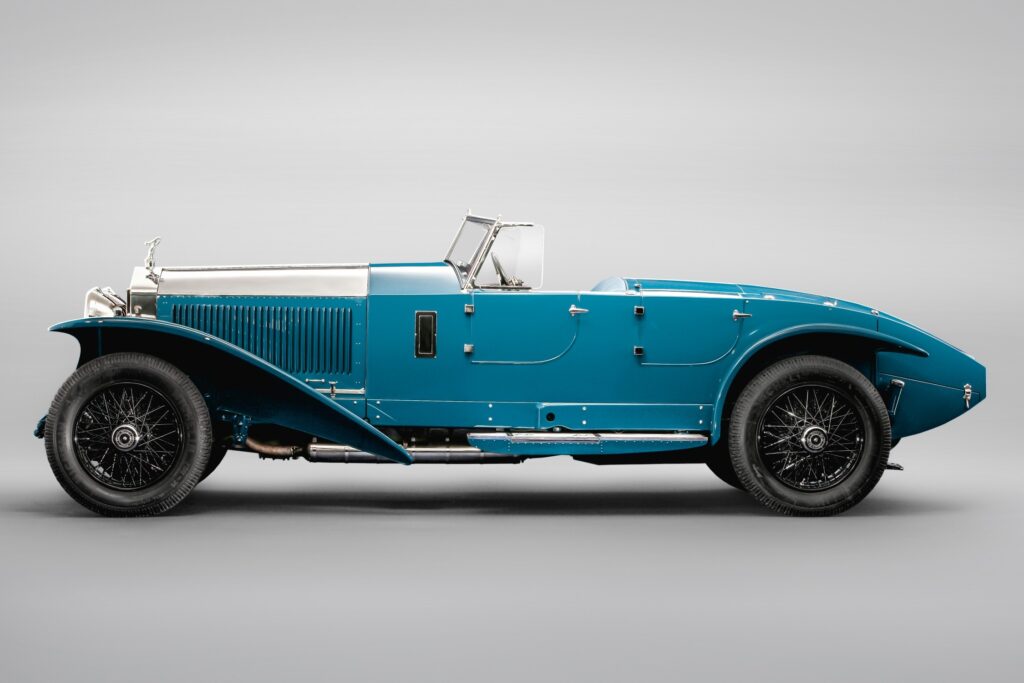
At the heart of Project Nightingale lies a revival of one of the most revered traditions in automotive history: coachbuilding. Yet here, it is elevated beyond nostalgia. This is not about recreating the past—it is about reimagining what bespoke luxury can mean in the 21st century.
Each example will be individually commissioned, crafted in close collaboration between the client and the marque’s artisans. Ownership, in this context, becomes a creative partnership. The car is not selected; it is conceived.
Limited to just 100 examples worldwide, availability is not determined by wealth alone, but by invitation—an intentional gesture that reinforces the idea that this motor car is reserved for those who truly understand the language of Rolls-Royce design.
Project Nightingale is therefore not simply rare. It is curated.
Design as Sculpture: The Power of Pure Form
The visual identity of Project Nightingale is defined by restraint. Where many modern luxury cars rely on complexity and ornamentation, this motor car embraces clarity—surfaces that appear almost untouched, volumes that feel carved rather than assembled.
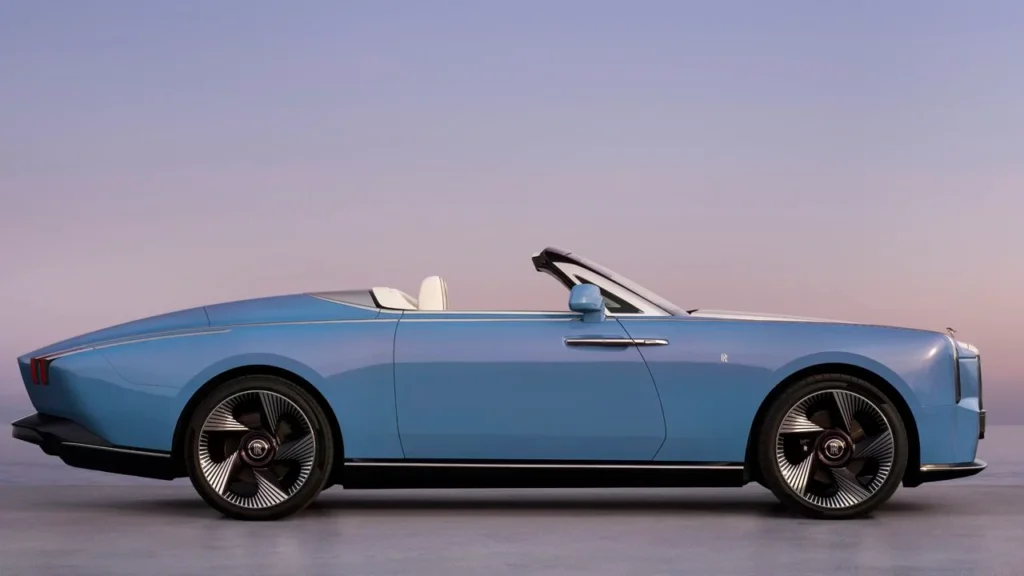
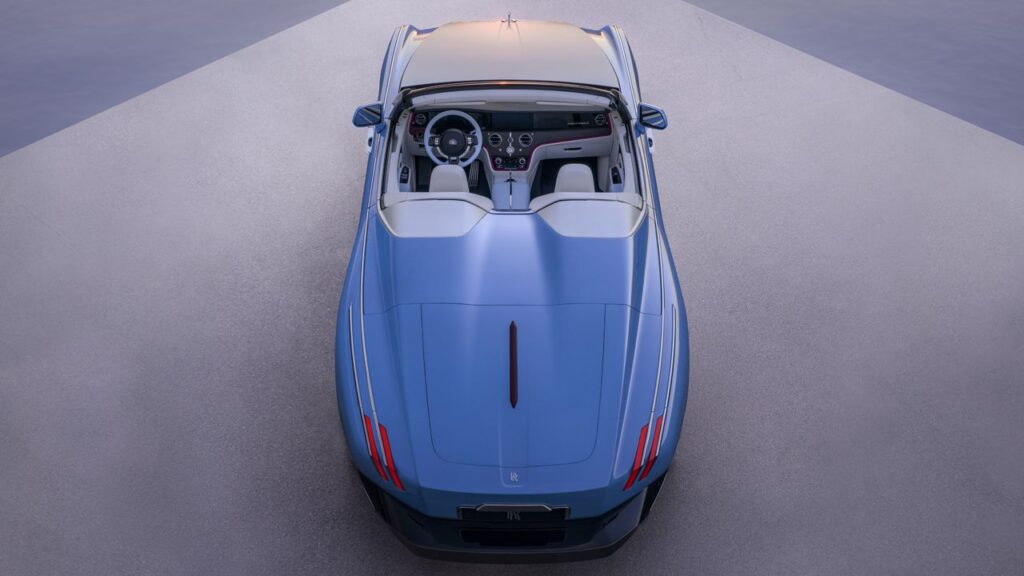
Its proportions are striking. At nearly six metres in length, the car stretches with quiet confidence, yet dedicates its entire architecture to just two occupants. The result is a dramatic composition: an elongated bonnet, a deeply set cabin, and a flowing rear that dissolves into a single uninterrupted gesture.
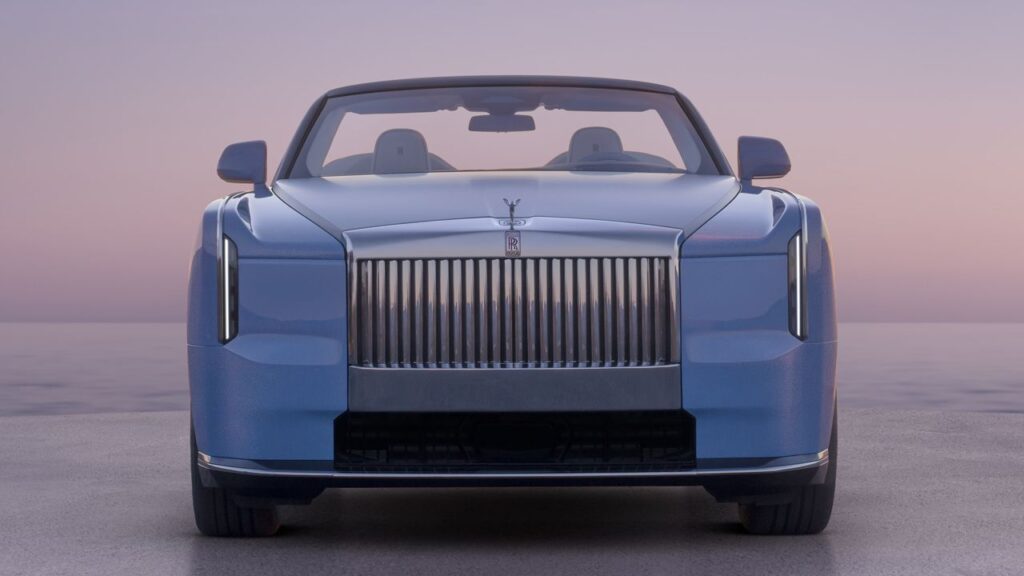
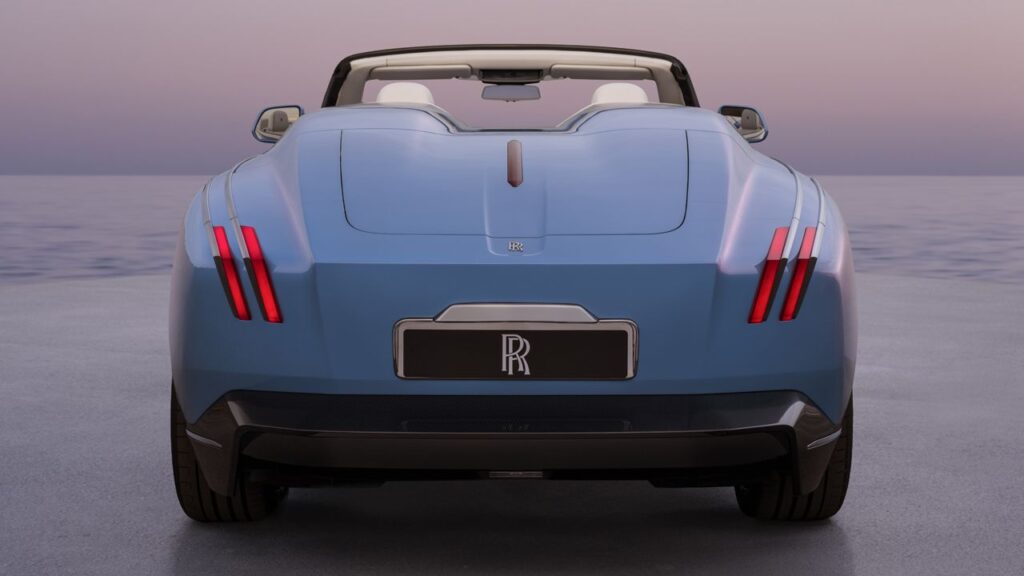
There is a discipline here—one that recalls the Streamline Moderne movement of the early 20th century, where speed and elegance were expressed through simplicity rather than excess. The surfaces are monolithic, the lines deliberate, and every transition between elements feels inevitable.
Perhaps most captivating is the way the design guides the eye. From the upright presence of the iconic grille, the form flows seamlessly towards the rear, creating a sense of motion even at rest. The body is not divided into sections; it is experienced as a continuous sculpture.
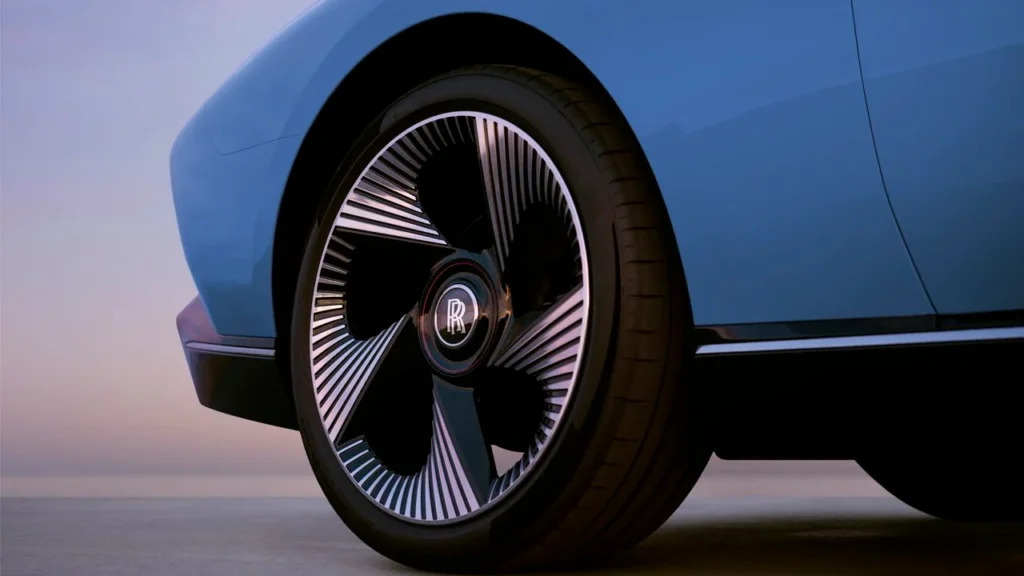
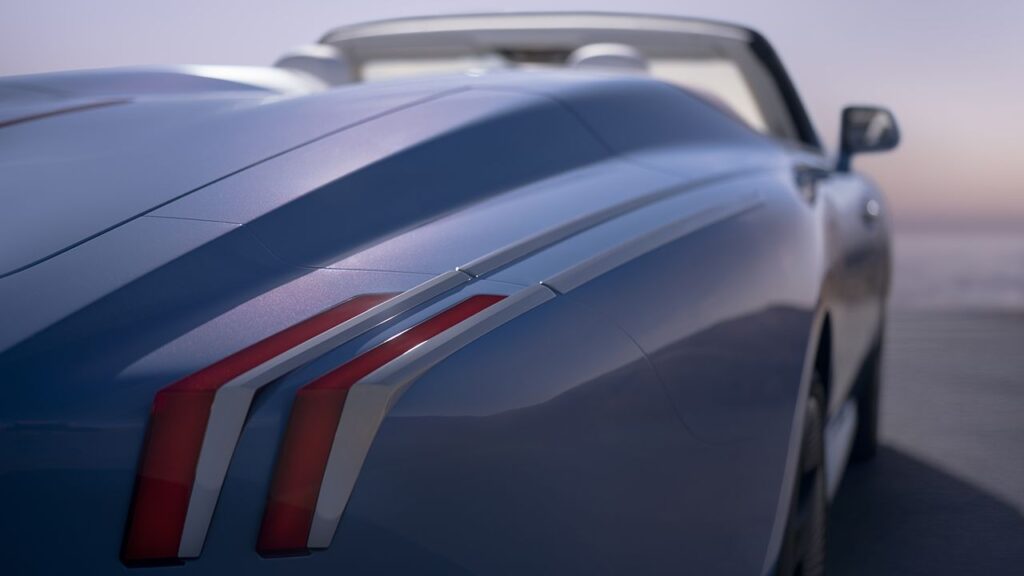
Even the smallest details reinforce this philosophy. Door handles are integrated almost invisibly. Lighting elements are slender and architectural. Wheels, unusually large, introduce a subtle sense of movement through their directional forms—echoing the rotation of marine propellers beneath water.
This is design not as decoration, but as intent.
Electric Power, Reimagined as Silence
Beneath its sculptural form lies a fully electric drivetrain—yet in Project Nightingale, electrification is not presented as a technical feature. It is a sensory one.
For Rolls-Royce, silence has always been a defining characteristic. Here, it is elevated to an entirely new dimension. Without the mechanical presence of a combustion engine, the experience of driving becomes almost meditative.
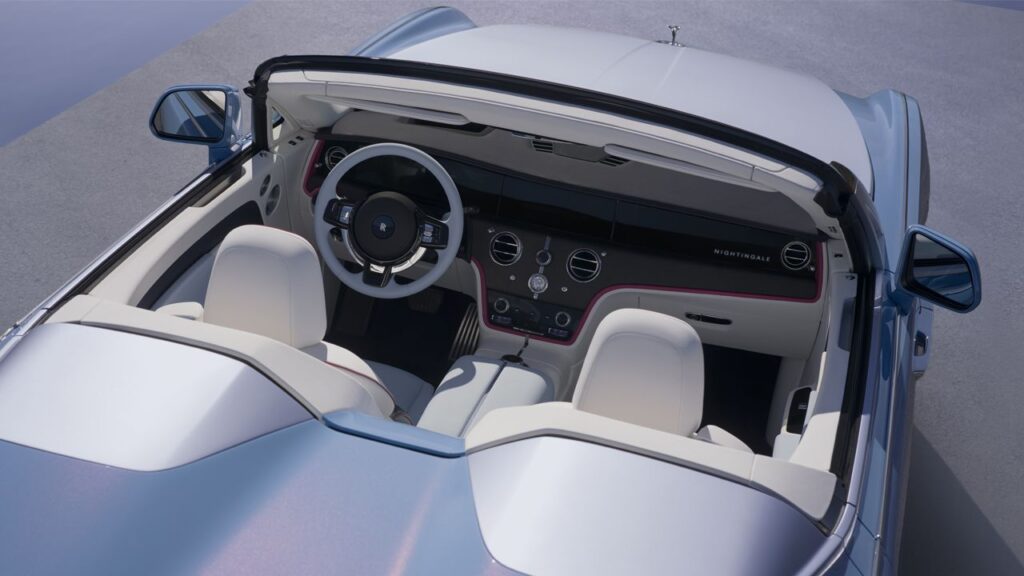
With the roof lowered, the absence of noise transforms the environment itself into part of the journey. Wind is reduced to a whisper. The road fades into the background. What remains is the world: the sound of distant waves, the rustle of trees, the subtle rhythm of movement through open space.
It is a reinterpretation of luxury—not defined by isolation, but by connection.
This shift also unlocks new possibilities in design. Without the need for traditional cooling systems or exhaust architecture, the front of the car becomes cleaner, more expansive. The rear, freed from mechanical constraints, allows for aerodynamic solutions that preserve the purity of the silhouette.
Technology, here, serves artistry.
The Interior: A Sanctuary for Two
Step inside Project Nightingale, and the philosophy becomes even more intimate.
The cabin is not designed as a cockpit, but as a sanctuary. A space defined by light, texture, and atmosphere rather than controls or screens. The interface between driver and machine is intentionally minimal—reduced to only the essential elements, each crafted with a jeweller’s precision.
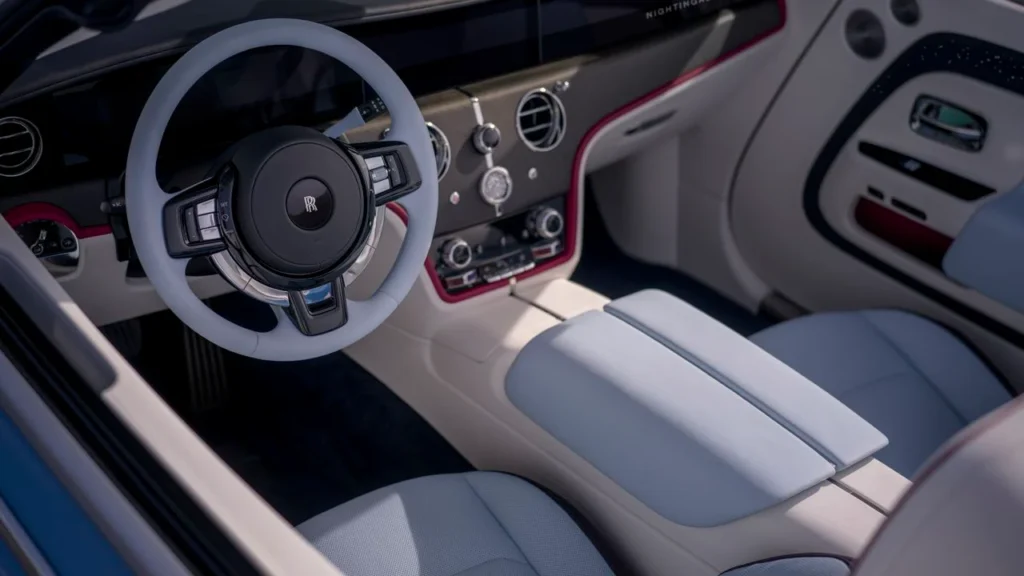
At the centre of the experience is a concept inspired by something unexpected: birdsong. Designers translated the rhythm of natural sound into a visual language of light, creating an immersive environment where thousands of subtle illumination points form a flowing constellation around the occupants.
The effect is not theatrical. It is poetic.
Materials are selected not for their rarity alone, but for their emotional resonance. Soft leathers, open-pore woods, and delicate metallic finishes coexist in a palette that evokes warmth and serenity. Every surface invites touch. Every detail rewards attention.
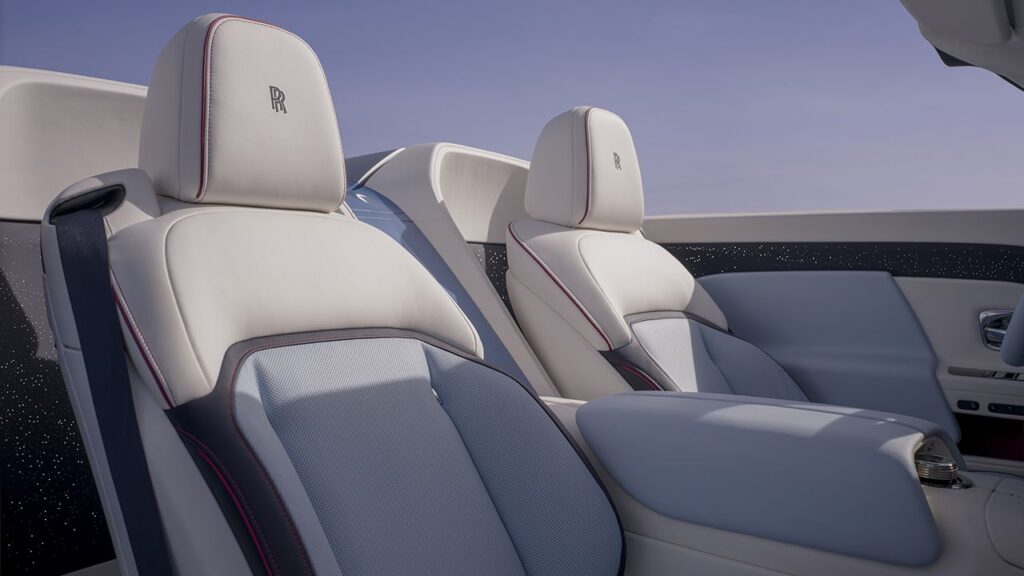
Even storage solutions are integrated with elegance, ensuring that functionality never disrupts the visual harmony of the space.
This is an interior that does not seek to impress—it seeks to envelop.
Open-Air Motoring, Redefined
Project Nightingale exists in two distinct states, each with its own character.
With the roof lowered, it becomes an expression of freedom—an open dialogue between machine and environment. The experience is fluid, almost nautical, evoking the sensation of gliding across water rather than travelling on asphalt.
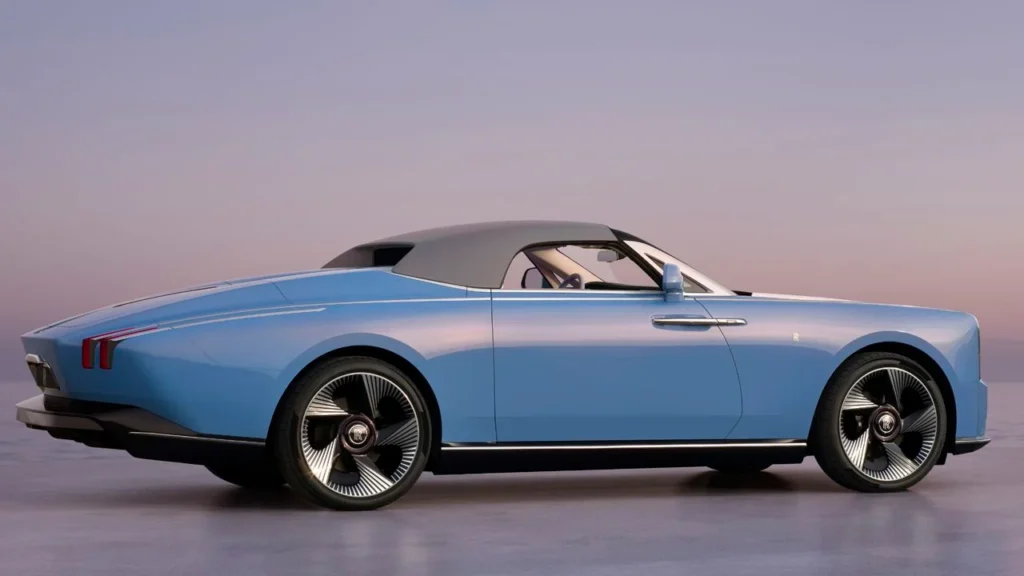
With the roof raised, however, the car transforms. The silhouette tightens. The presence becomes more architectural, more composed. The soft-top structure itself is engineered not merely for protection, but for acoustic refinement, preserving the signature serenity that defines the marque.
This duality is central to the car’s identity. It is not simply a convertible—it is a study in contrast.
Exclusivity Beyond Ownership
Beyond its design and engineering, Project Nightingale introduces a new dimension to exclusivity: experience.
Clients are not only acquiring a motor car, but entering a curated world—one that unfolds over years. Private gatherings, design consultations, and immersive moments become part of the ownership journey, transforming the relationship between brand and client into something far more personal.
In this sense, the car is only the beginning.
A Reflection on the Future of Luxury
The Rolls-Royce Motor Cars Project Nightingale does not attempt to define the future of the automobile in broad terms. Instead, it offers something more refined: a vision of what luxury can become when freed from convention.
It draws from the past—the experimental spirit of early Rolls-Royce engineering, the elegance of the Art Deco era—yet refuses to be bound by it. It embraces electrification, not as a necessity, but as an opportunity to elevate the sensory experience of driving.
Most importantly, it reminds us that true luxury is not measured in specifications or performance figures. It is found in the details, in the silence, in the way a machine can evoke emotion without raising its voice.
Project Nightingale is not a car for everyone. It was never intended to be.
But for those who understand it, it may well represent the most compelling expression of modern automotive artistry ever conceived.