
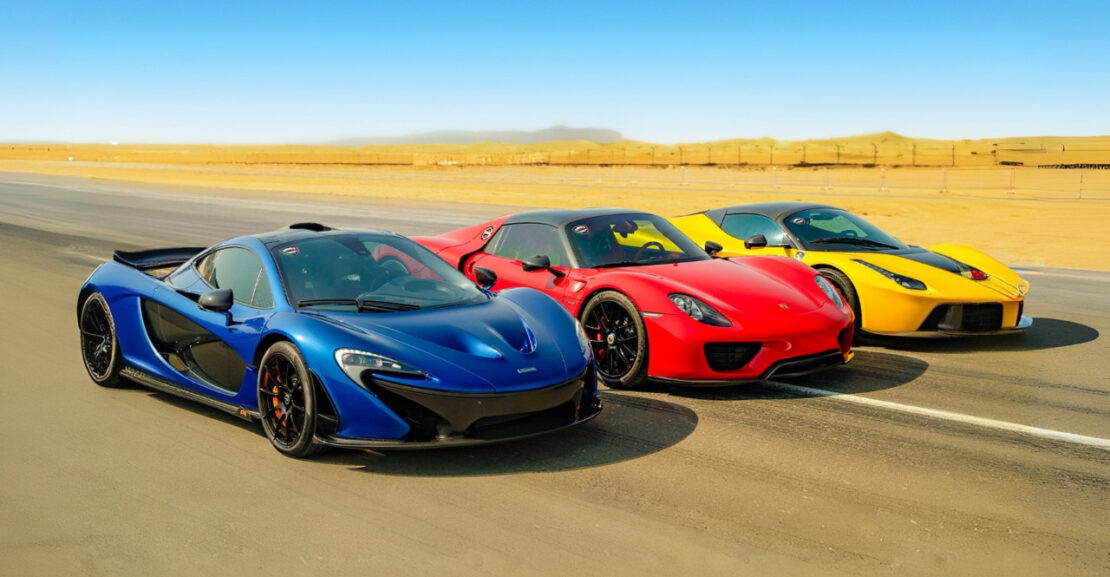
Engineering Masterpieces That Defined Modern Automotive Royalty
From record-breaking speed machines to electrified engineering marvels, the most iconic hypercars of the 21st century represent the absolute summit of performance, design, and exclusivity.
They are far more than fast cars. They are technological flagships, investment-grade collectibles, and design statements that redefine what road-legal performance can be.
In an era shaped by hybrid innovation and electric disruption, these hypercars stand as the definitive symbols of engineering ambition — machines built not simply to dominate speed records, but to shape automotive history itself.
Bugatti Veyron — The Hypercar That Changed Everything
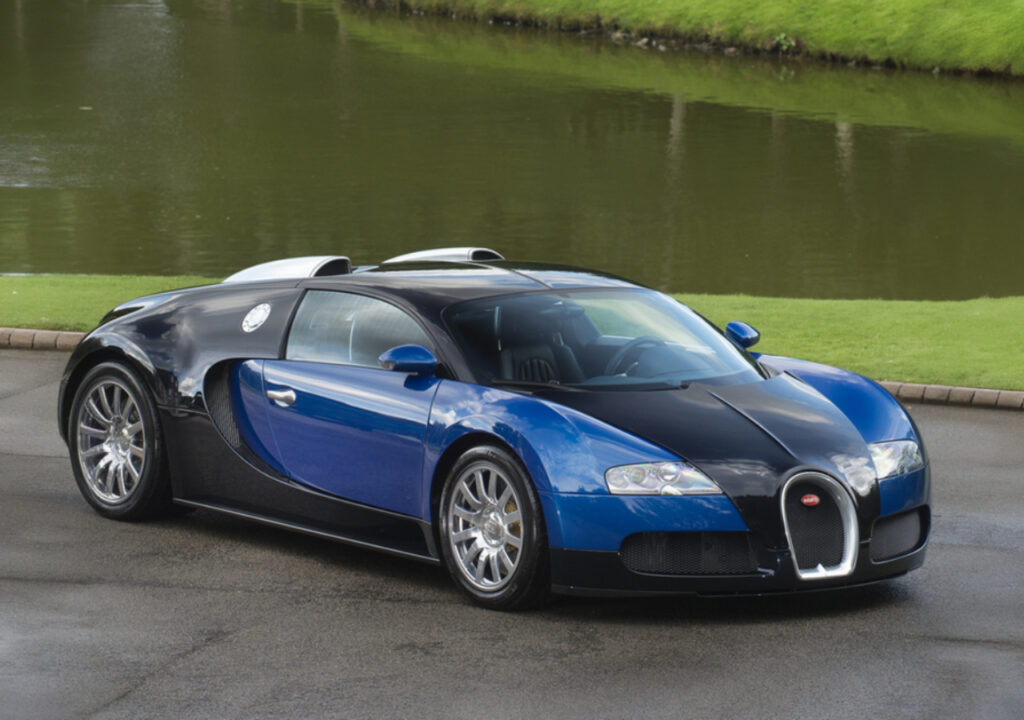
When it debuted, the Bugatti Veyron redefined what was technologically possible in a production automobile.
Its quad-turbocharged W16 engine delivered over 1,000 horsepower — making it the first production hypercar to exceed 400 km/h. Yet its true achievement was pairing unprecedented speed with limousine-grade refinement.
Bugatti Veyron at 20: The Machine That Redefined Speed and Luxury
It established the blueprint for modern hypercars: extreme performance without sacrificing luxury.
Icon status defined by:
- First 1,000+ hp production benchmark
- 400 km/h top speed barrier broken
- Engineering complexity unmatched at launch
McLaren P1 — Hybrid Performance Awakens
The McLaren P1 marked the dawn of the hybrid hypercar age.
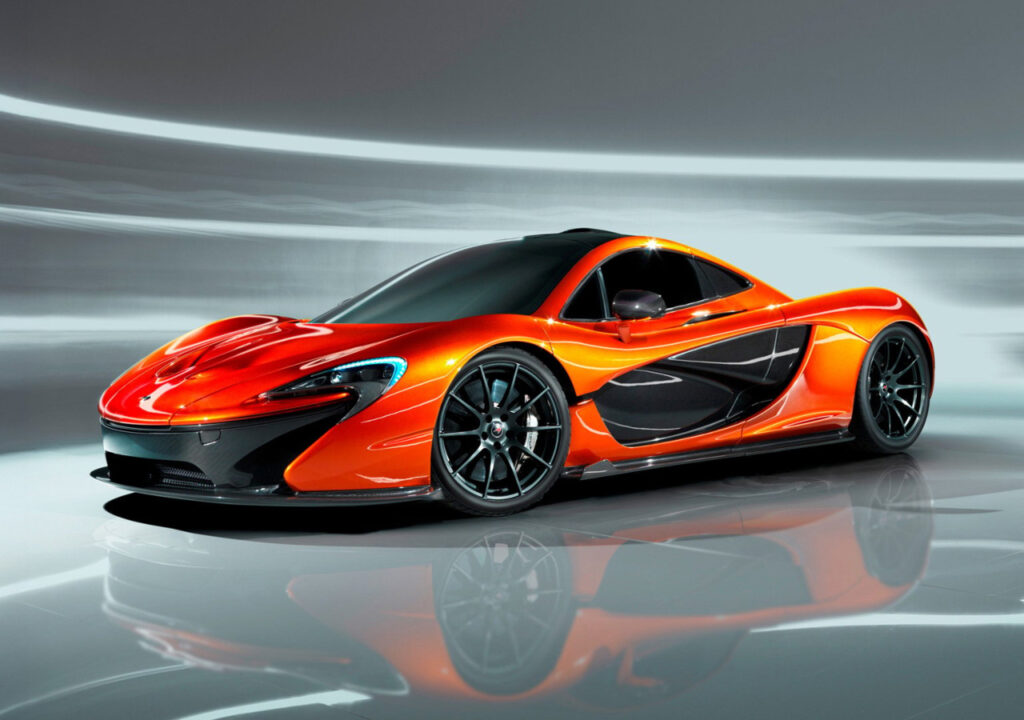
Combining a twin-turbo V8 with an electric motor, it delivered instantaneous torque alongside track-focused aerodynamics derived from Formula 1 technology.
Its active rear wing, race-bred suspension, and aggressive styling made it one of the most driver-focused hypercars ever produced.
Why it’s iconic:
- One of the “Holy Trinity” hybrid hypercars
- Formula 1 hybrid tech adapted for the road
- Extreme aero and track capability
Ferrari LaFerrari — Maranello’s Hybrid Masterpiece
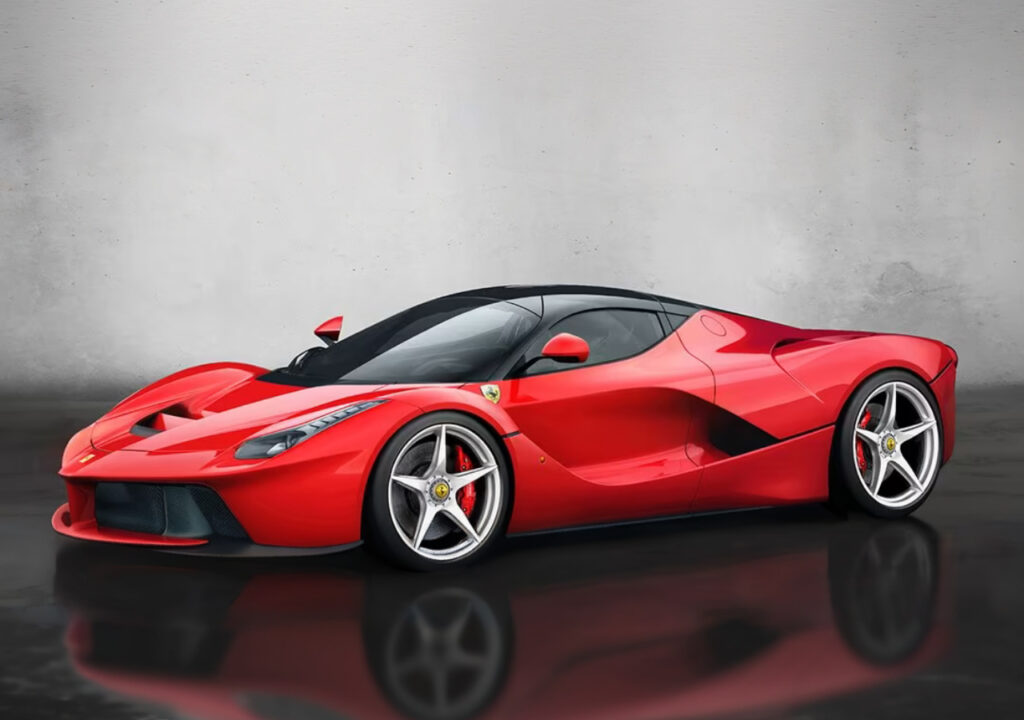
Ferrari’s answer to the hybrid revolution was as emotional as it was technological.
The LaFerrari paired a naturally aspirated V12 with HY-KERS hybrid assistance, producing nearly 1,000 horsepower while retaining the brand’s signature operatic soundtrack.
It fused electrification with Ferrari’s racing DNA — enhancing performance without diluting soul.
Why it’s iconic:
- Last naturally aspirated Ferrari hypercar flagship
- V12 + hybrid synergy
- Instant collector status upon release
Porsche 918 Spyder — Precision Meets Electrification
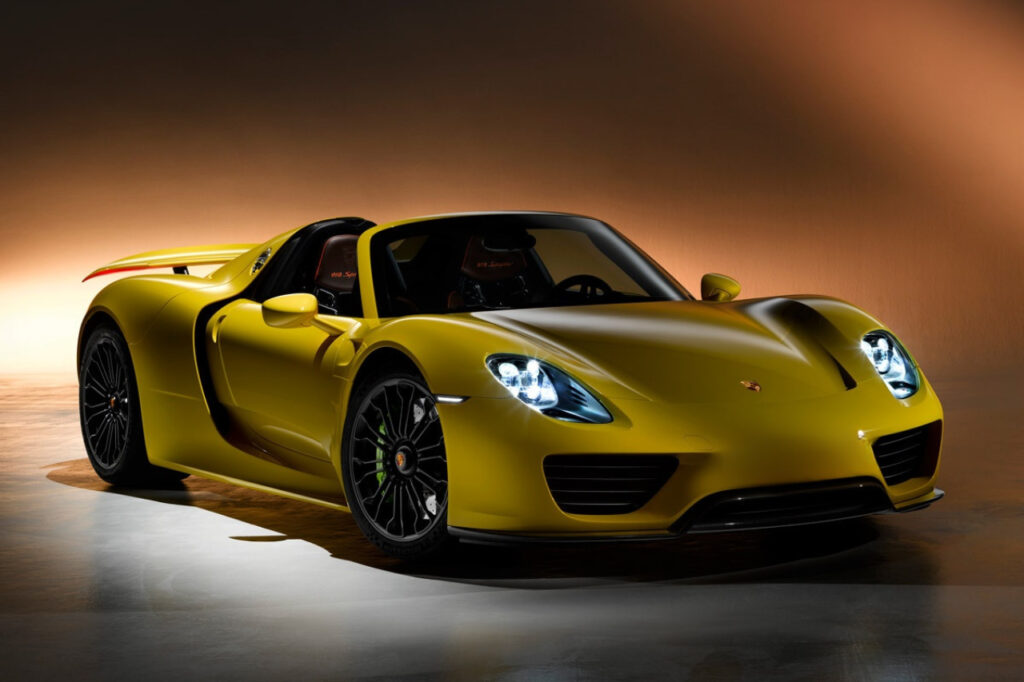
The Porsche 918 Spyder demonstrated that hybridization could enhance not only speed, but efficiency and usability.
Its plug-in hybrid system allowed silent electric driving alongside ferocious track performance, all delivered with Porsche’s trademark precision engineering.
The top-exit exhausts and Weissach lightweight package became design and performance icons.
Why it’s iconic:
- Plug-in hybrid hypercar pioneer
- Nürburgring record holder in its era
- Perfect balance of usability and performance
Bugatti Chiron — Ultimate Combustion Excess
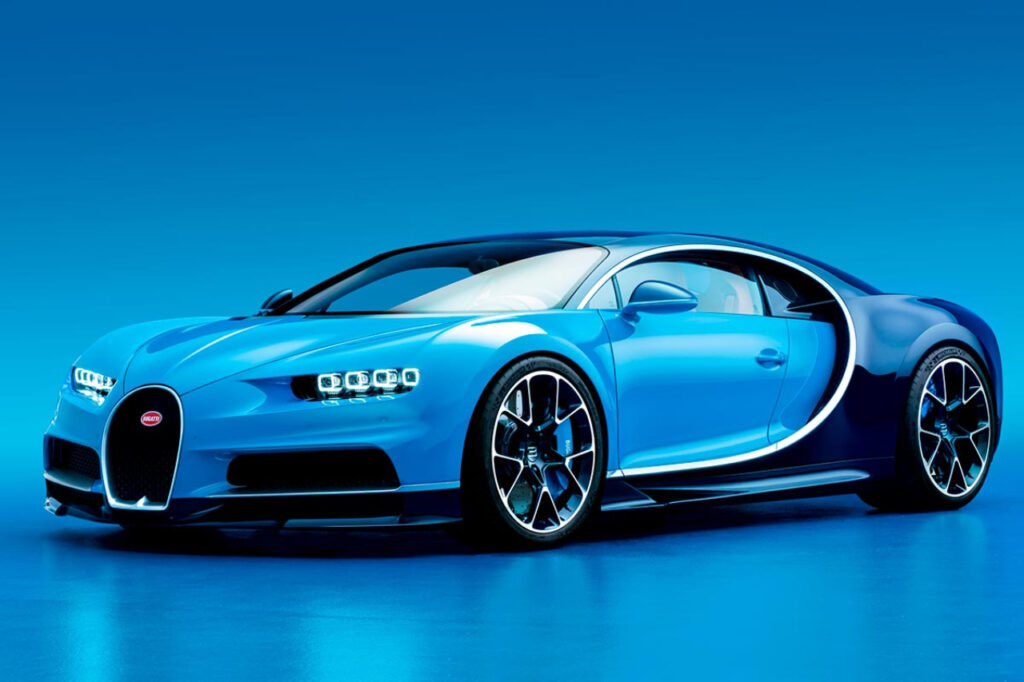
If the Veyron opened the hypercar era, the Chiron perfected it.
With 1,500+ horsepower from an evolved quad-turbo W16, the Chiron delivered unprecedented acceleration and refinement.
Its sculptural design, hand-finished interiors, and limited production cemented its position as the definitive combustion hypercar of the century.
Why it’s iconic:
- Peak internal combustion engineering
- 300+ mph barrier breakthroughs (pre-production testing)
- Unmatched luxury-performance fusion
Koenigsegg Jesko — The Speed Visionary
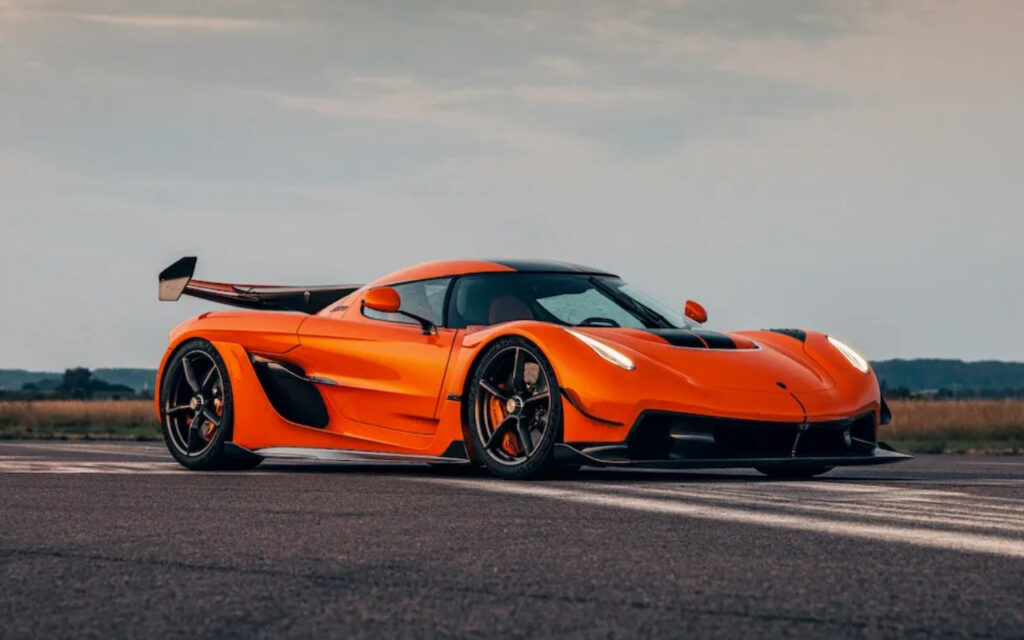
Named after Christian von Koenigsegg’s father, the Jesko represents the brand’s most extreme engineering vision.
Available in track-focused Attack and high-speed Absolut forms, it features a twin-turbo V8 capable of extraordinary output on E85 fuel.
Its Light Speed Transmission (LST) gearbox reimagines how multi-clutch systems deliver power.
Why it’s iconic:
- Among the fastest cars ever engineered
- Revolutionary transmission technology
- Scandinavian hypercar innovation
Pagani Huayra — Automotive Haute Couture
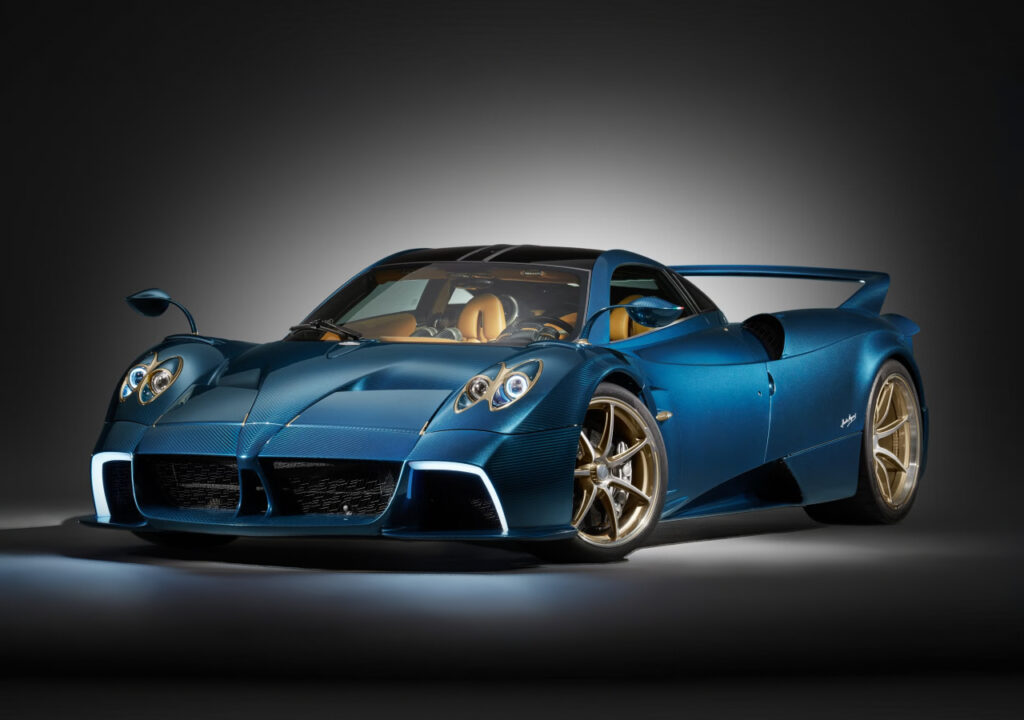
Pagani approaches hypercars as wearable art.
The Huayra blends an AMG-sourced twin-turbo V12 with obsessive craftsmanship — exposed carbon weaves, jewel-like instrumentation, and active aerodynamic flaps that move like mechanical sculptures.
Every unit feels more atelier creation than automobile.
Why it’s iconic:
- One of the most artisanal hypercars ever built
- Active aero “flap” system signature
- Museum-grade interior detailing
Rimac Nevera — The Electric Hypercar Revolution
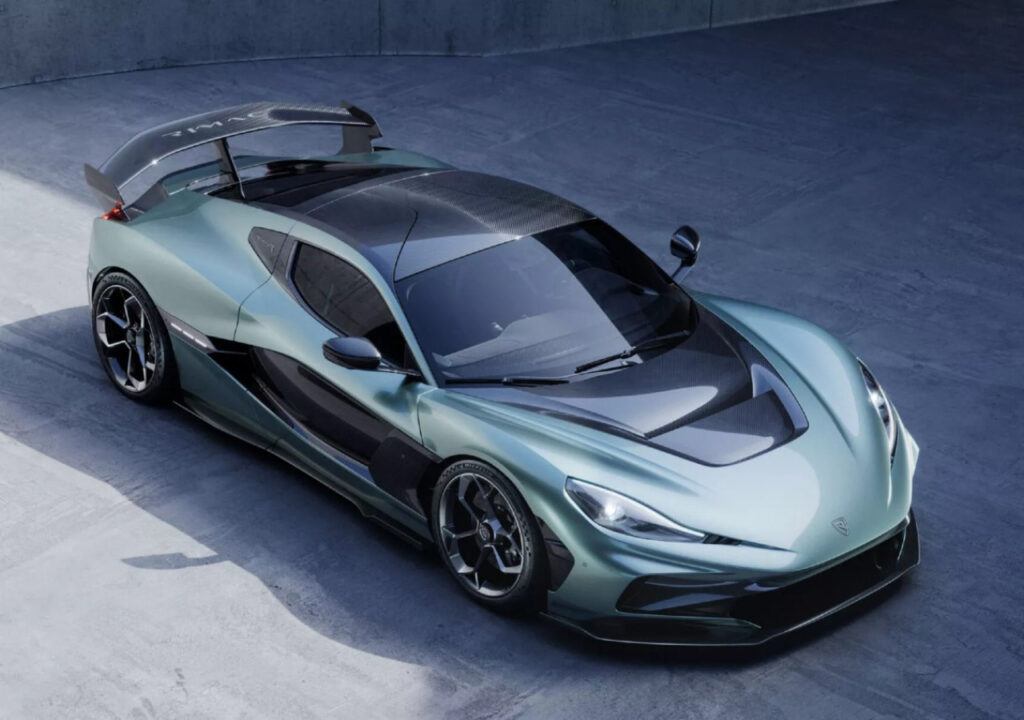
The Rimac Nevera represents the electric future at its most extreme.
With four electric motors producing nearly 2,000 horsepower, it delivers acceleration figures once thought physically impossible.
Beyond speed, it showcases torque vectoring control at a level combustion cars cannot replicate.
Why it’s iconic:
- One of the quickest production cars ever built
- Fully electric hypercar benchmark
- Technology platform for future performance EVs
McLaren F1 — The Analog Hypercar That Redefined Automotive Perfection
The Evolution of Hypercar Philosophy
Across these machines, a clear progression emerges:
2000s — Engineering domination
Bugatti proved speed and luxury could coexist.
2010s — Hybrid awakening
Ferrari, McLaren, and Porsche electrified performance.
2020s — Divergent futures
Koenigsegg pushes combustion limits. Rimac redefines electric supremacy. Pagani preserves artisanal tradition.
Hypercars are no longer one category — they are multiple philosophies competing for immortality.
Investment, Legacy, and Cultural Impact
Iconic hypercars transcend performance metrics.
They become:
- Design references
- Engineering case studies
- Auction blue-chips
- Brand halo symbols
Limited production, technological “firsts,” and emotional resonance drive long-term collector value — often appreciating faster than traditional luxury assets.
Many of today’s hypercars are tomorrow’s Pebble Beach concours centerpieces.
Hypercars in the Modern Era
What defines a hypercar today?
A hypercar represents the highest tier of automotive performance, technology, exclusivity, and price — often produced in extremely limited numbers.
Which is the fastest hypercar in the world?
Models like the Rimac Nevera and Bugatti’s high-speed variants rank among the fastest hypercars ever produced, exceeding 400 km/h benchmarks.
Are hypercars good investments?
Many limited production hypercars appreciate significantly, particularly those with technological firsts or historic importance.
What is the difference between a supercar and a hypercar?
Hypercars exceed supercars in performance, price, rarity, and technological innovation — representing the absolute pinnacle of automotive engineering.
Defining Icons of a New Century
As the automotive world pivots toward electrification, autonomy, and digitalization, these iconic hypercars remain the definitive symbols of speed, rarity, and mechanical artistry.
They are not merely the fastest hypercars of their time — they are cultural milestones that define the evolution of performance itself.
Future generations may surpass their numbers, but never their historical significance.