
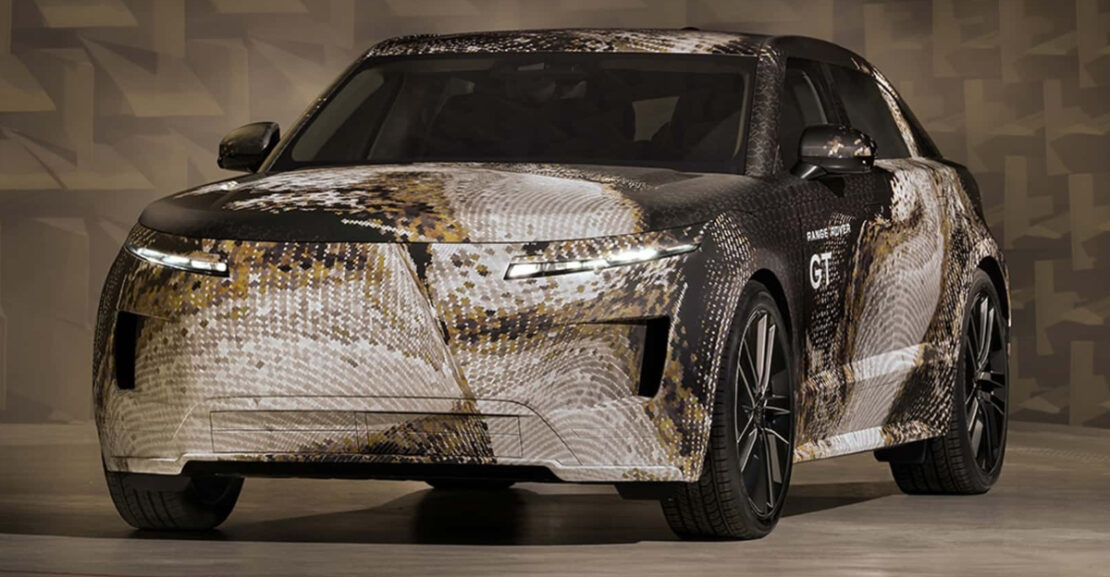
Every automotive icon eventually reaches a point where evolution demands something entirely new.
For Range Rover, that moment has arrived.
For more than half a century, the brand has defined luxury SUVs, combining refinement, capability and unmistakable design into vehicles that have become benchmarks in their segment. But the Range Rover GT is not intended to replace any existing model. Instead, it introduces a completely new interpretation of what a modern grand tourer can be.
Neither a traditional SUV.
Nor a conventional coupé.
Nor simply another electric luxury vehicle.
The Range Rover GT has been conceived as a long-distance grand tourer with elevated driving position, exceptional comfort and unmistakable Range Rover capability. It is, in the brand’s own words, an attempt to redefine the GT segment for the electric age.
A Fifth Member of the Range Rover Family
Until now, the Range Rover family has followed a clear hierarchy.
The flagship Range Rover.
The dynamic Range Rover Sport.
The sophisticated Velar.
The compact Evoque.
The GT changes that structure entirely.
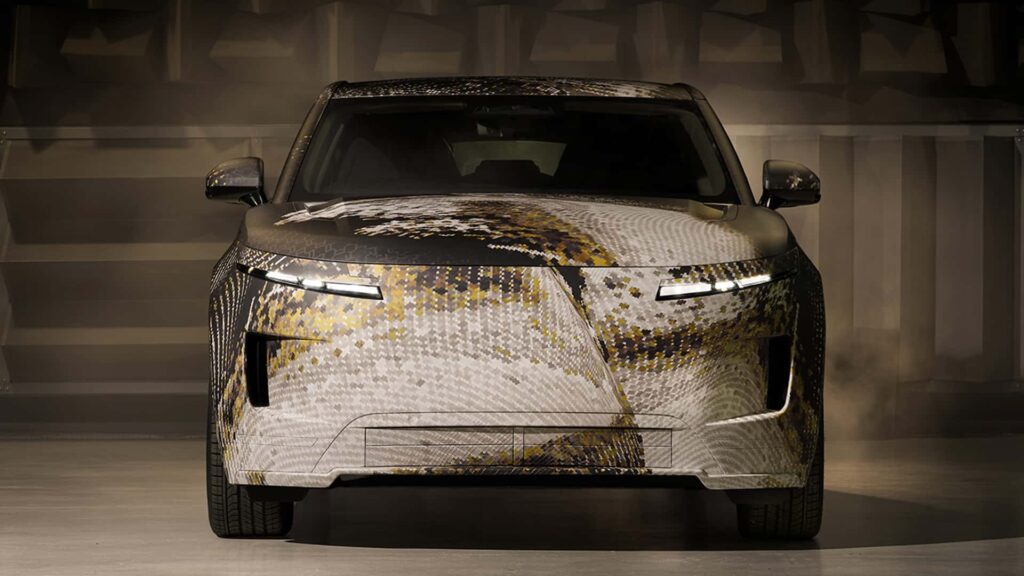
Rather than filling another gap in the SUV range, it creates a new category that sits alongside the existing models. It is the first Range Rover developed from the outset around the idea of effortless grand touring, combining elegant proportions with a more aerodynamic silhouette and a stronger emphasis on long-distance efficiency.
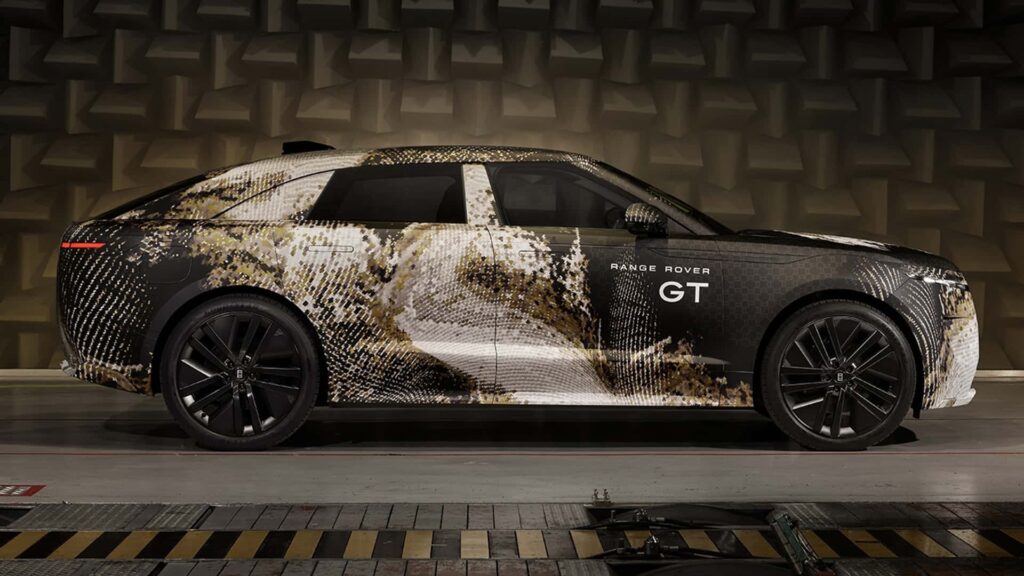
Its fastback profile immediately distinguishes it from every previous Range Rover.
The roofline flows gracefully towards the rear, creating a shape that feels closer to a grand touring coupé than to a conventional SUV while maintaining generous interior space.
It is recognisably Range Rover.
Yet unlike anything the brand has produced before.
Designed Around Electrification
The GT also represents a significant technological milestone.
It is built on JLR’s new Electrified Modular Architecture (EMA), a platform engineered primarily for battery-electric vehicles while retaining the flexibility to support future hybrid applications if required.
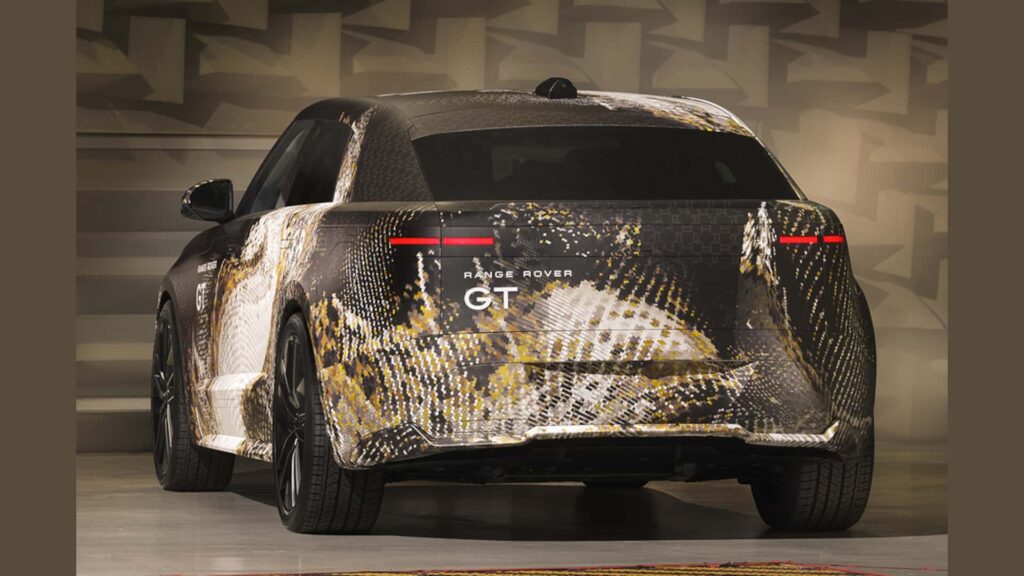
Launching initially as a fully electric model, the GT has been designed from the ground up to maximise aerodynamic efficiency, optimise battery packaging and deliver the quiet, effortless performance expected from a modern luxury grand tourer.
Rather than adapting an existing combustion platform, Range Rover has started with a clean sheet of paper.
That decision influences everything from the vehicle’s proportions to its interior packaging and overall refinement.
The Most Car-Like Range Rover Ever Created
Perhaps the most intriguing aspect of the GT is how Range Rover describes it.
Not as its sportiest SUV.
But as its most “car-like” vehicle.
That philosophy extends beyond styling.
Engineers have focused on creating driving dynamics that prioritise precision, composure and long-distance comfort rather than outright off-road dominance. The seating position remains higher than a traditional GT, preserving the commanding visibility associated with the brand, while the chassis has been developed to deliver greater agility and body control than any previous Range Rover.
The objective is not to imitate a sports car.
It is to redefine grand touring through a uniquely Range Rover perspective.
Overfinch Holland & Holland Edition — The Ultimate Expression of British Sporting Luxury
Reductive Design, Refined Further
The exterior continues the company’s acclaimed reductive design philosophy.
Surfaces are clean.
Lines are restrained.
Decoration is kept to an absolute minimum.
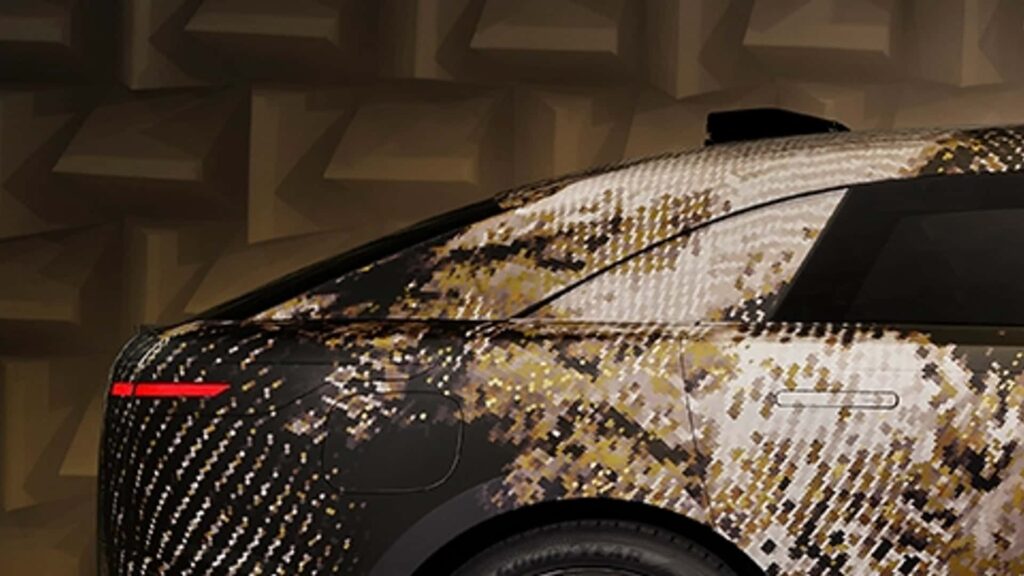
Slim lighting signatures, flush detailing and carefully sculpted bodywork create an appearance that feels modern without relying on unnecessary complexity.
The fastback silhouette serves a functional purpose as much as an aesthetic one.
By reducing aerodynamic drag, it contributes directly to increased efficiency and extended driving range while giving the GT a distinctive presence unlike any previous model wearing the Range Rover name.
Every proportion has been considered with purpose.
Nothing appears excessive.
Everything feels intentional.
A Sanctuary for Long Journeys
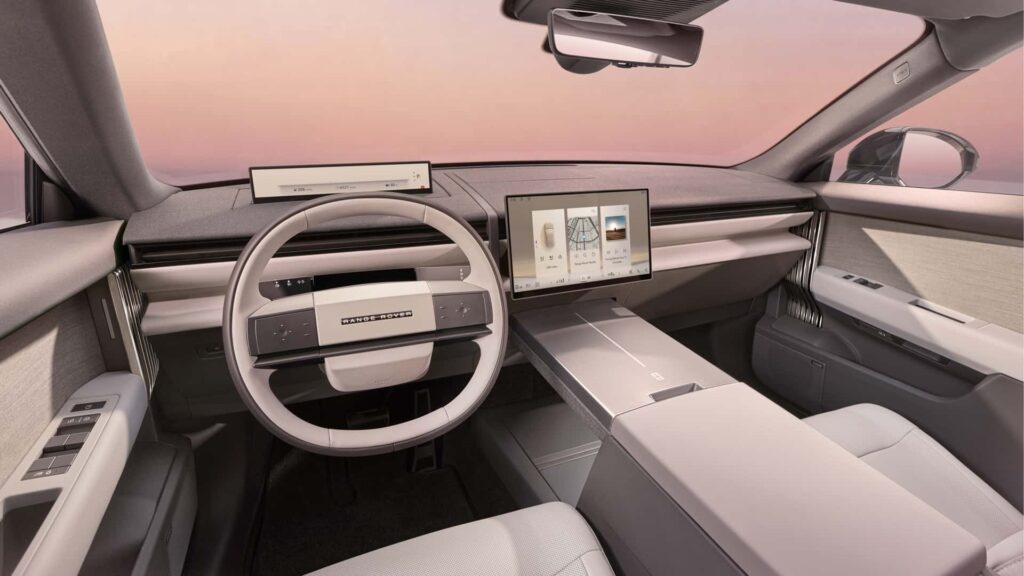
Inside, the GT continues Range Rover’s vision of modern luxury.
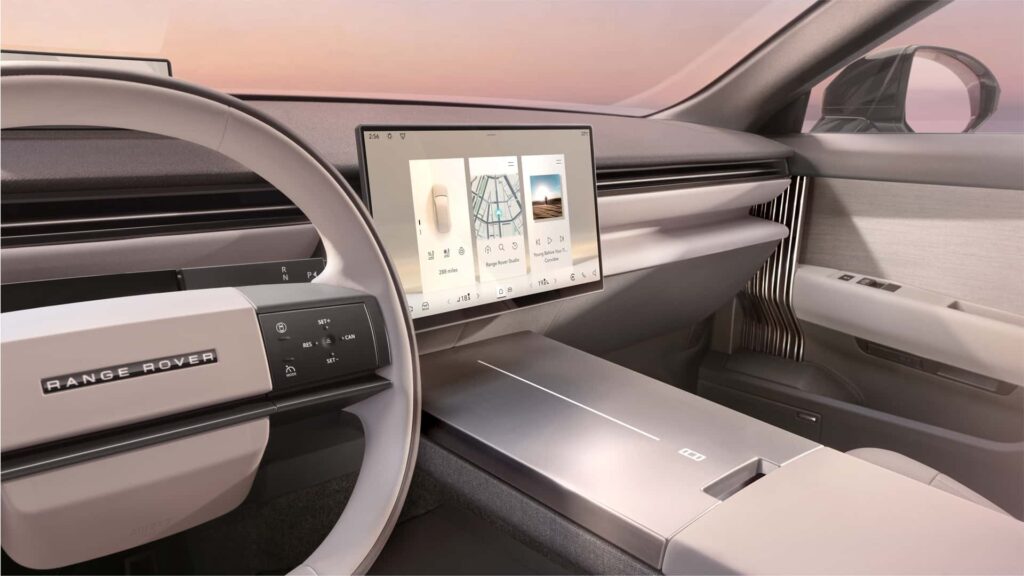
The cabin adopts an even cleaner interpretation of the minimalist philosophy introduced on recent models, with hidden air vents, seamlessly integrated speakers and an expansive central touchscreen reducing visual clutter.
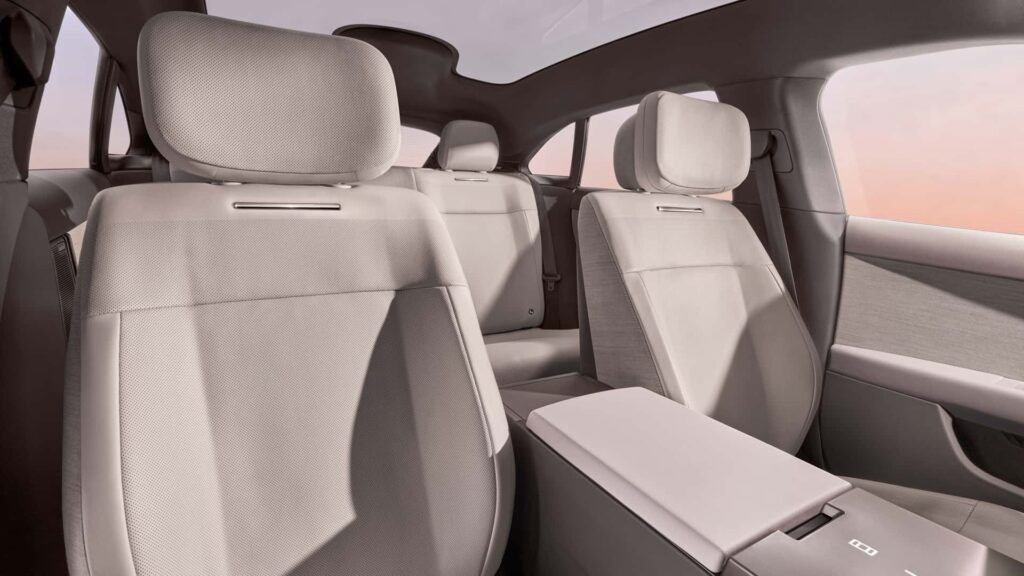
Rear passengers receive exceptional legroom despite the more dynamic roofline, while a panoramic glass roof enhances the sense of openness throughout the cabin.
Rather than overwhelming occupants with technology, the interface has been designed to remain calm, intuitive and discreet.
Luxury, after all, is often defined by what has been removed rather than what has been added.
Twisted Range Rover Classic — British Off-Road Royalty Reimagined
Capability Has Not Been Forgotten
Although the GT focuses primarily on on-road refinement, it remains unmistakably a Range Rover.
The brand has made it clear that no conventional grand tourer can match the versatility the GT intends to deliver.
Its elevated driving position, intelligent all-wheel-drive systems and advanced chassis technologies ensure it retains the confidence expected from the marque, even as it explores an entirely new segment.
This is not a sports coupé attempting to become an SUV.
It is a Range Rover applying decades of expertise to a different interpretation of luxury mobility.
Beyond the Traditional GT
For decades, the grand touring formula has remained remarkably consistent.
Low-slung coupés.
Powerful engines.
Long-distance comfort.
Range Rover challenges every one of those assumptions.
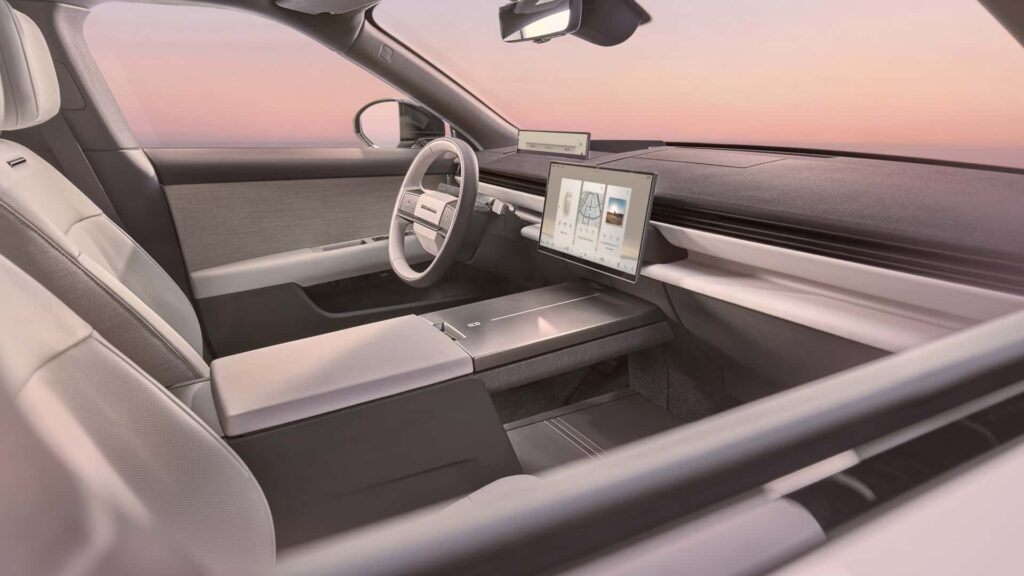
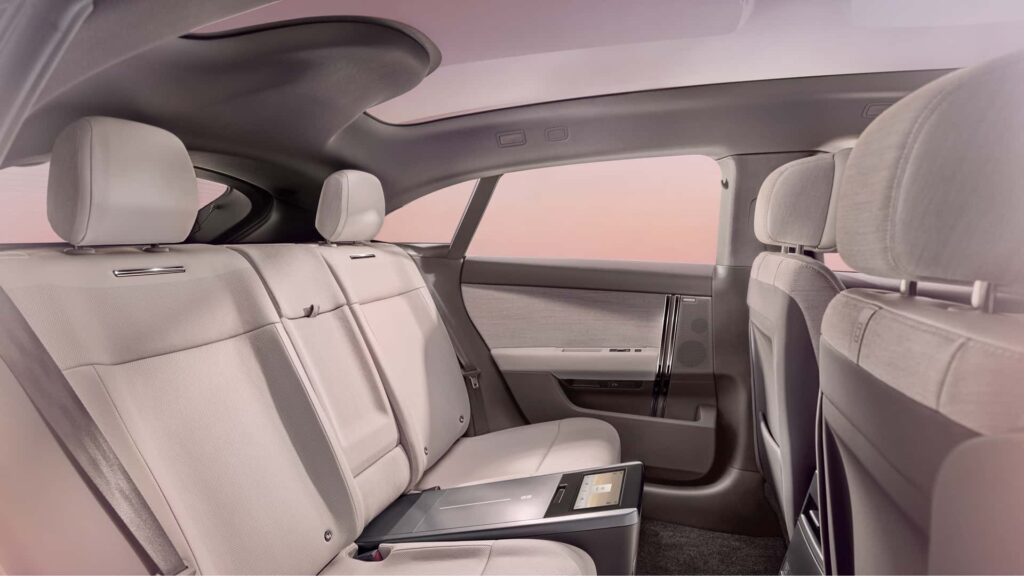
By raising the seating position, embracing electrification and combining luxury with everyday practicality, the GT expands the definition of what a grand tourer can become.
It is a bold move.
But perhaps an inevitable one.
Modern luxury buyers increasingly demand versatility without sacrificing elegance or comfort.
The GT has been conceived to answer precisely that expectation.
A New Direction for the Brand
The arrival of the Range Rover GT is significant not because it replaces an existing model, but because it demonstrates the confidence of a brand willing to explore entirely new territory.
For decades, Range Rover perfected the luxury SUV.
Now it turns its attention to something different.
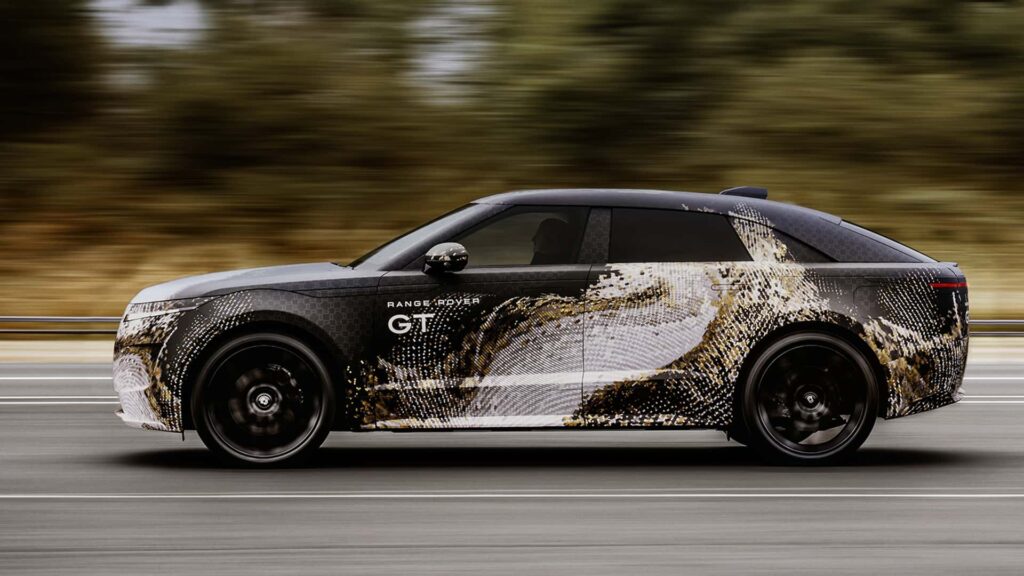
A vehicle designed not around categories or conventions, but around the simple pleasure of travelling extraordinary distances in exceptional comfort.
Whether it ultimately creates a new segment remains to be seen.
What is already clear is that the Range Rover GT is not trying to follow the future of luxury grand touring.
It intends to define it.