
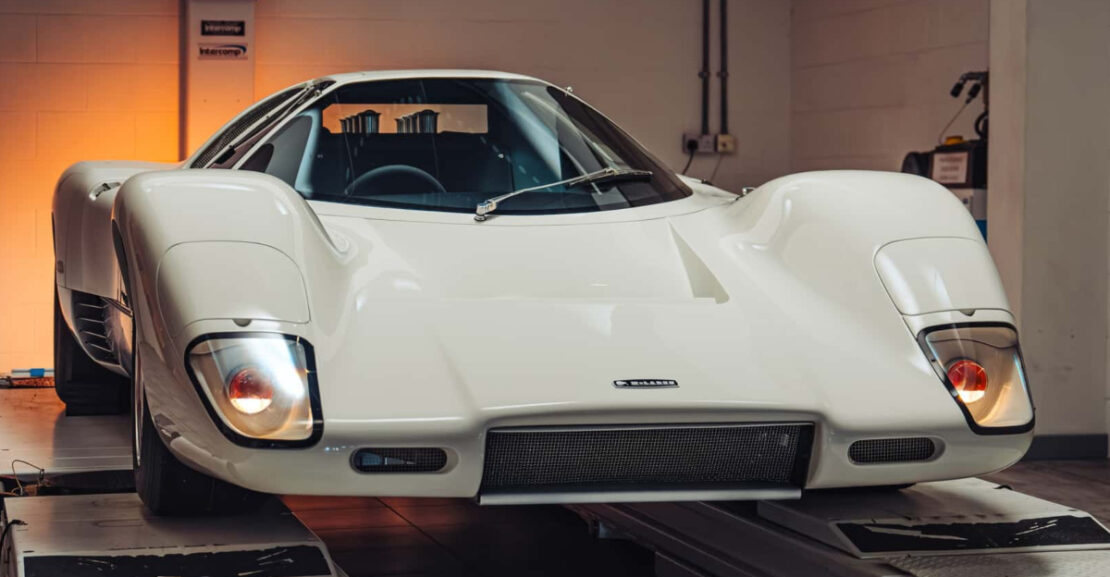
When enthusiasts think about McLaren road cars, one model almost always comes to mind.
The legendary McLaren F1.
For many, it represents the beginning of McLaren Automotive.
In reality, that story began more than two decades earlier.
Long before the F1 rewrote the supercar rulebook, Bruce McLaren had already envisioned a road-going machine that combined racing technology with everyday usability. That vision became the McLaren M6GT—a remarkable project that never reached production following Bruce McLaren’s tragic death in 1970.
Now, more than half a century later, McLaren Special Operations (MSO) has faithfully recreated that lost chapter of the company’s history, unveiling an authentic restoration that brings Bruce McLaren’s original dream back to life.
Before the F1, There Was the M6GT
During the late 1960s, McLaren was rapidly establishing itself as one of the dominant forces in motorsport.
The Can-Am Championship, powered by enormous Chevrolet V8 engines, had become almost synonymous with Bruce McLaren and his racing team.
Among the most successful cars was the McLaren M6A, whose lightweight chassis and exceptional performance inspired an ambitious idea.
Bruce McLaren wanted to create a road car.
Not a luxury grand tourer.
Not a softened racing machine.
But a genuine driver’s car that carried competition engineering onto public roads.
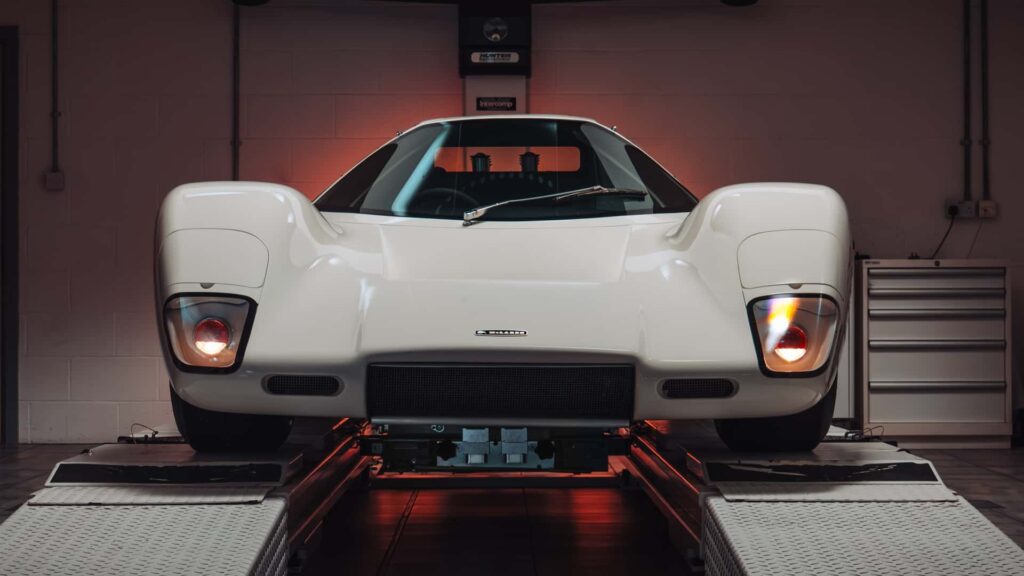
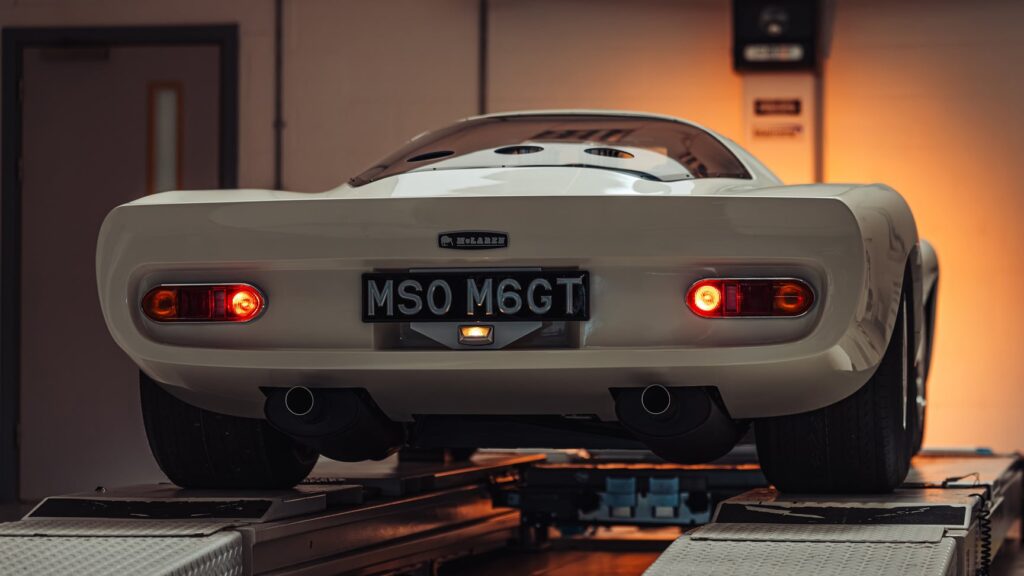
The result became the M6GT.
McLaren MCL-HY GTR — The Return of Endurance Legends
A Supercar Years Ahead of Its Time
The M6GT was extraordinary for its era.
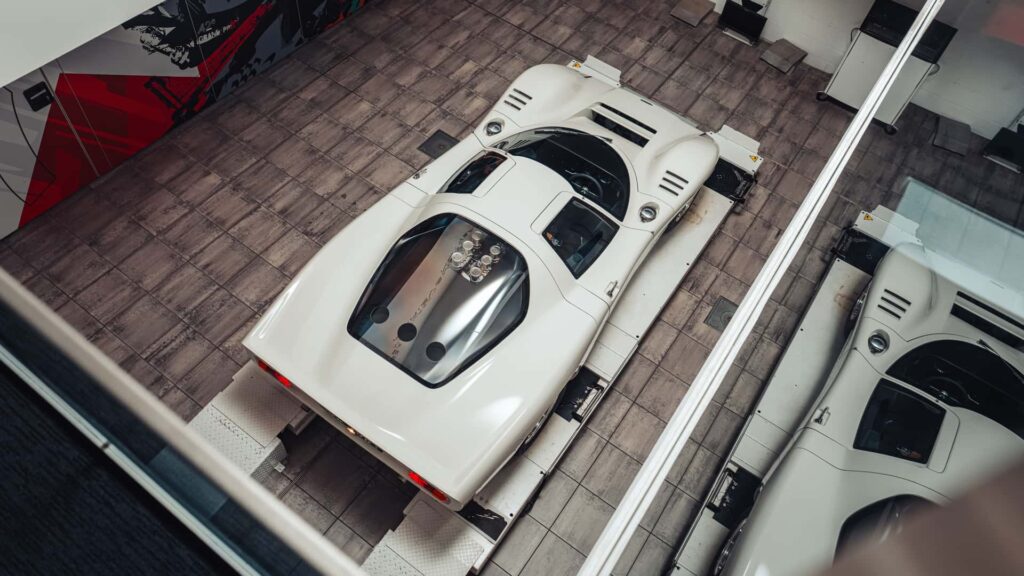
Its compact mid-engine layout, lightweight construction and dramatic proportions anticipated many of the design principles that would later define modern supercars.
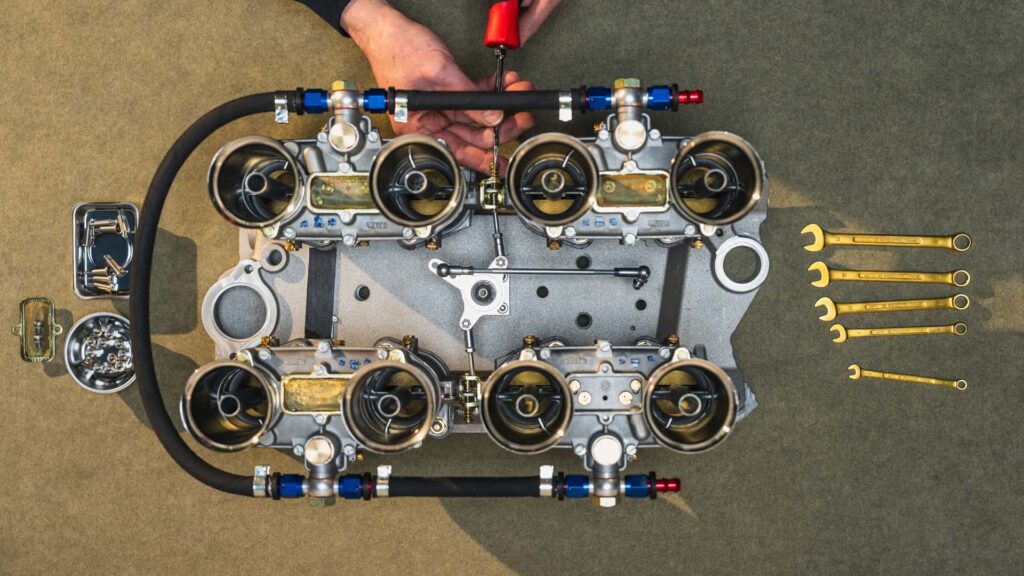
Power came from a naturally aspirated small-block Chevrolet V8, mounted behind the driver and paired with a five-speed manual gearbox.
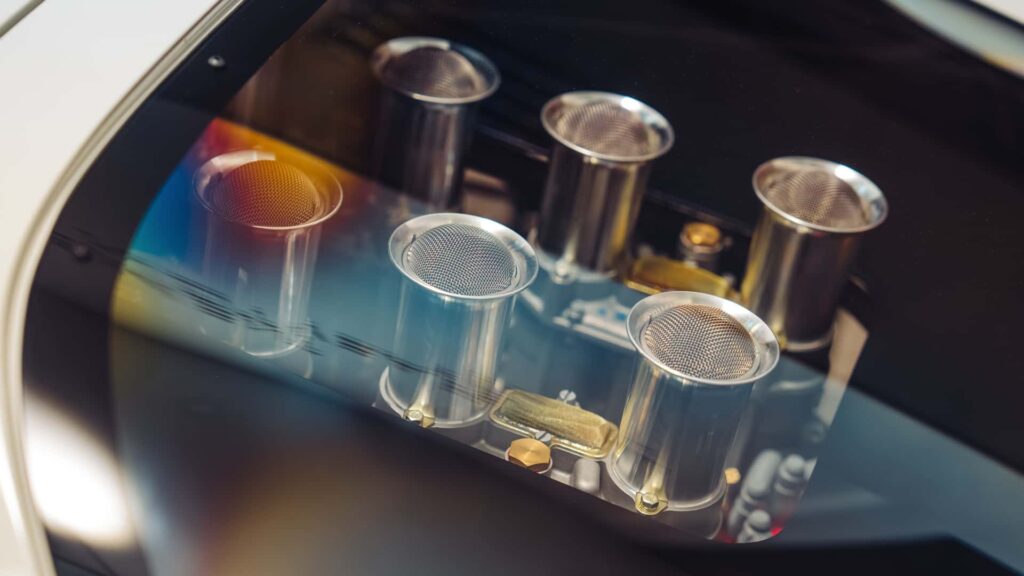
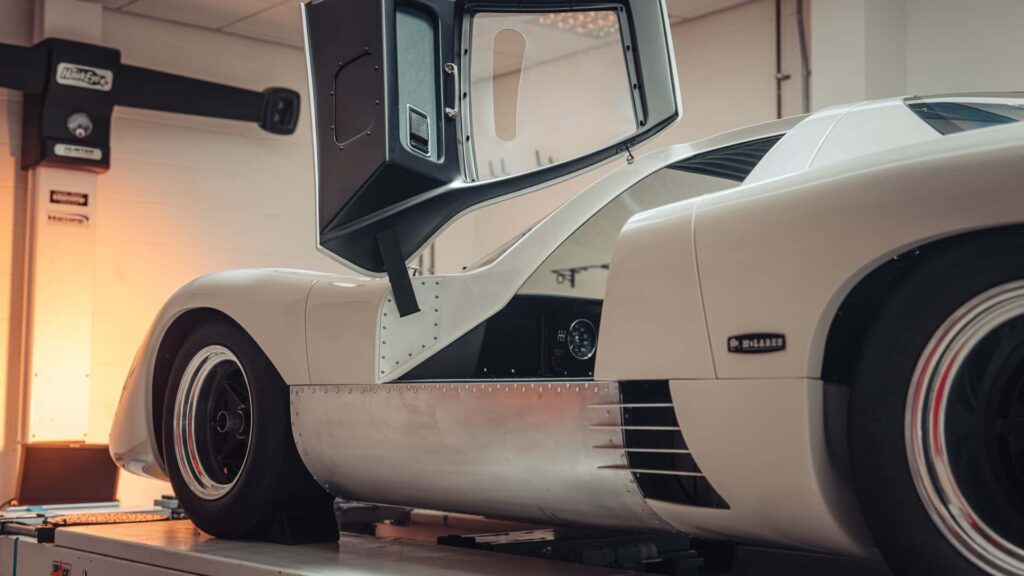
The body featured distinctive gullwing doors, flowing aerodynamic surfaces and exceptional visibility, while the chassis remained unmistakably rooted in McLaren’s racing experience.
Bruce McLaren himself used the prototype as his personal road car.
It was more than an engineering exercise.
It was proof that his vision could work.
A Dream Interrupted
McLaren intended to build a limited production series in collaboration with British manufacturer Trojan.
Plans progressed.
Prototype development continued.
Original body moulds were produced.
Then everything changed.
On 2 June 1970, Bruce McLaren lost his life while testing a Can-Am racing car at Goodwood.
Without its founder, the ambitious road-car programme was quietly abandoned.
Only a handful of M6GT prototypes were ever completed.
The dream would remain unfinished for more than fifty years.
Rebuilding History
Rather than creating a modern reinterpretation, McLaren Special Operations chose a far more demanding approach.
Authenticity.
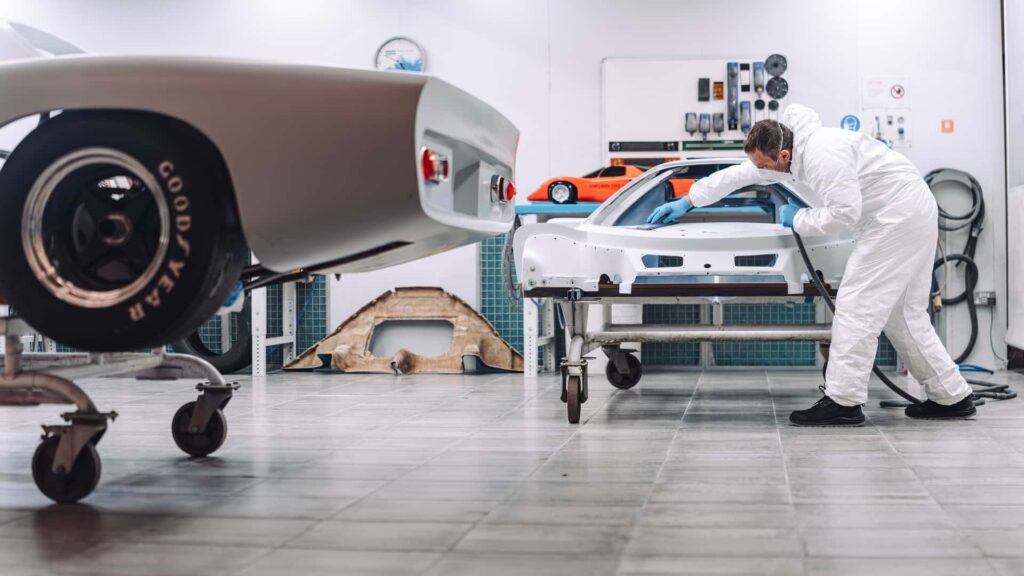
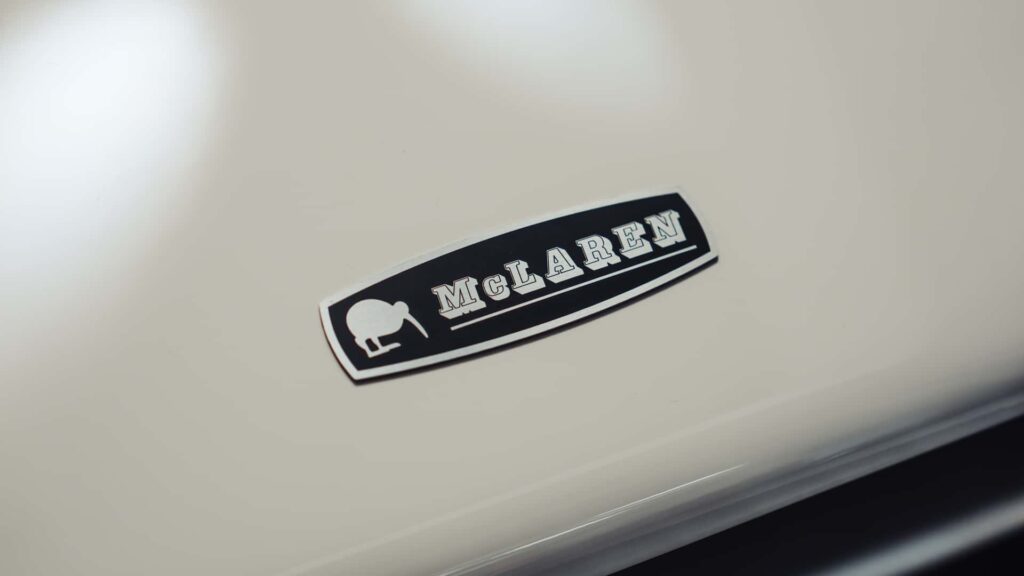
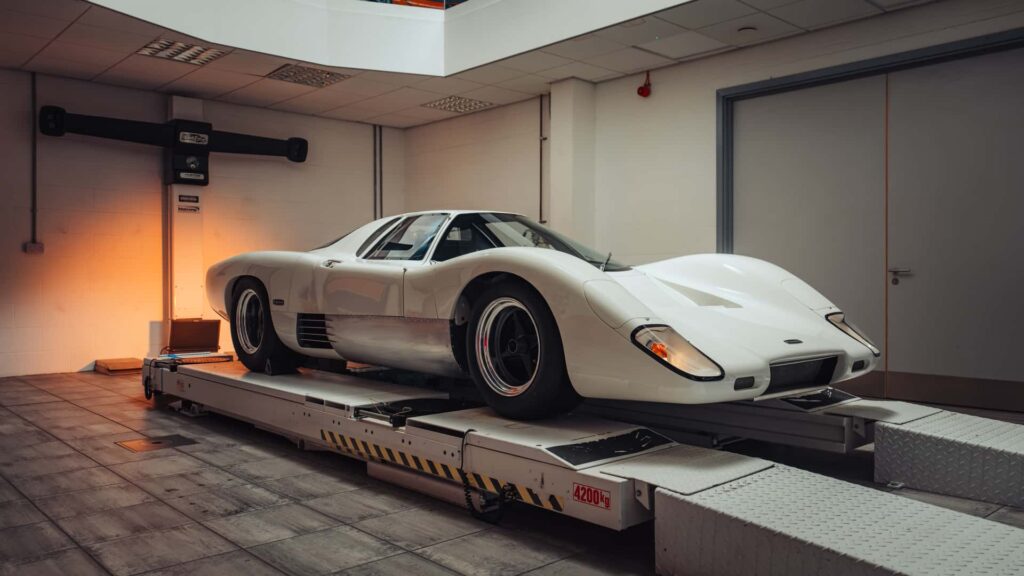
Working from an original McLaren M6A chassis, historic engineering drawings, period photographs and original archive material, MSO recreated the M6GT exactly as Bruce McLaren intended.
Perhaps most remarkably, the team discovered the original body moulds used during the programme’s development.
These moulds revealed subtle design revisions made during the late 1960s, allowing the restoration to reflect the final evolution of Bruce McLaren’s vision rather than an earlier prototype.
The result is not a replica.
It is a continuation of history.
Handcrafted Like the Original
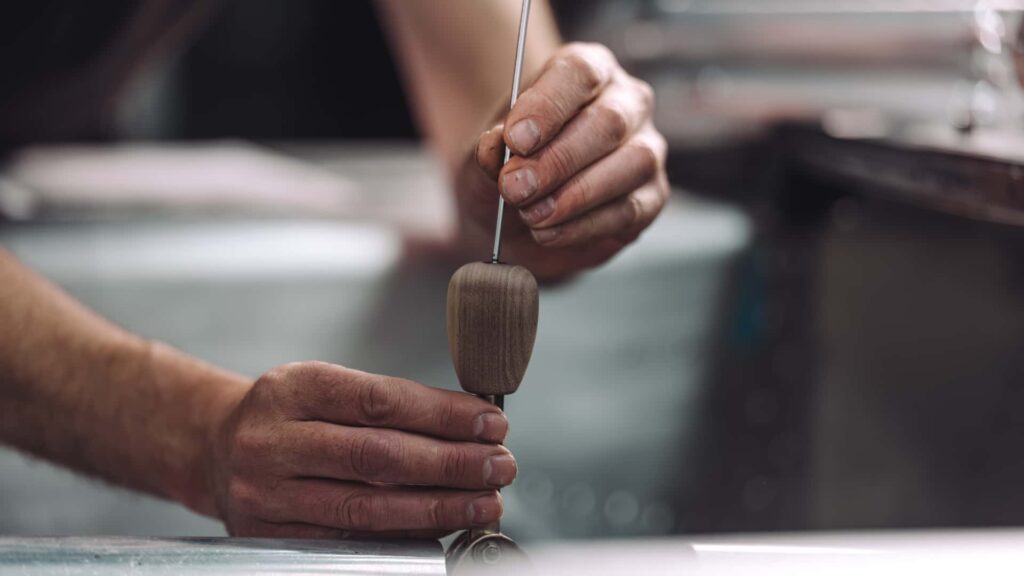
Although modern manufacturing techniques were available, MSO deliberately embraced traditional craftsmanship wherever possible.
Many structural components were fabricated by hand.
The roll hoop.
Rear support structures.
Body reinforcements.
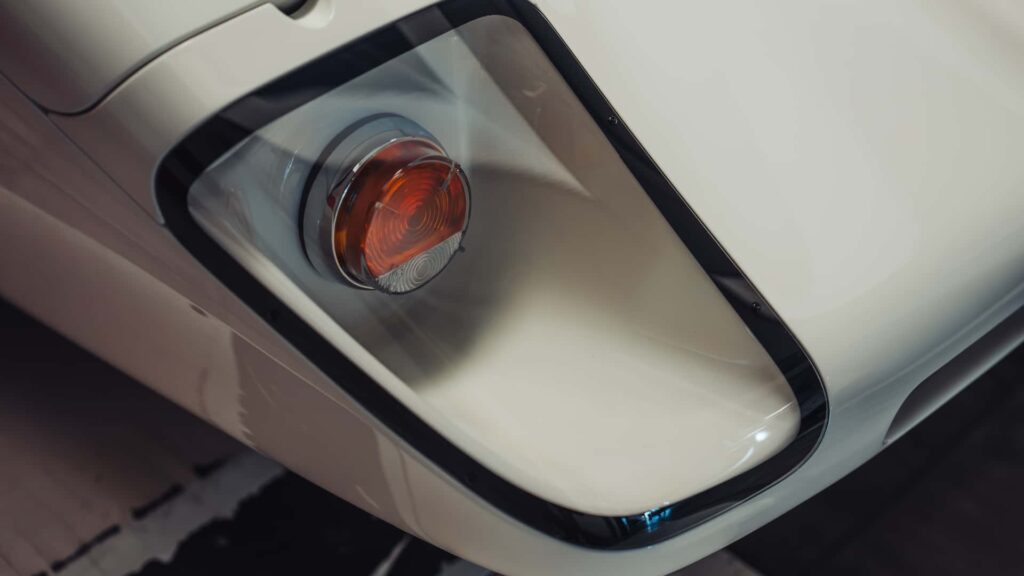
Even the wiring harness was recreated specifically for the project.
The original suspension architecture was carefully restored, while the naturally aspirated Chevrolet V8 and five-speed manual transmission preserve the character of the period exactly as intended.
Every decision reflected one objective.
Remain faithful to Bruce McLaren’s original ambition.
A Cabin Frozen in Time
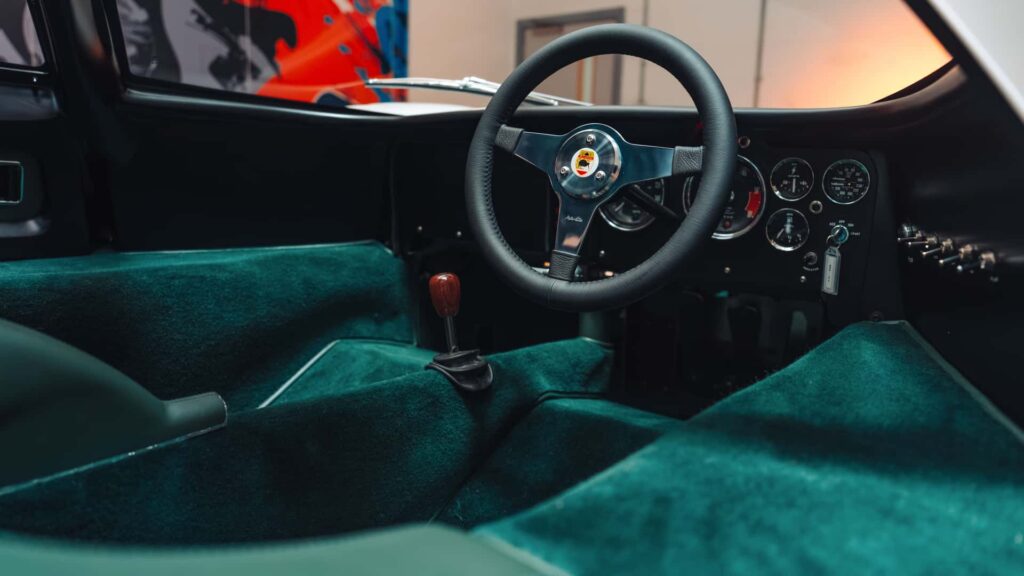
The interior follows the same philosophy.
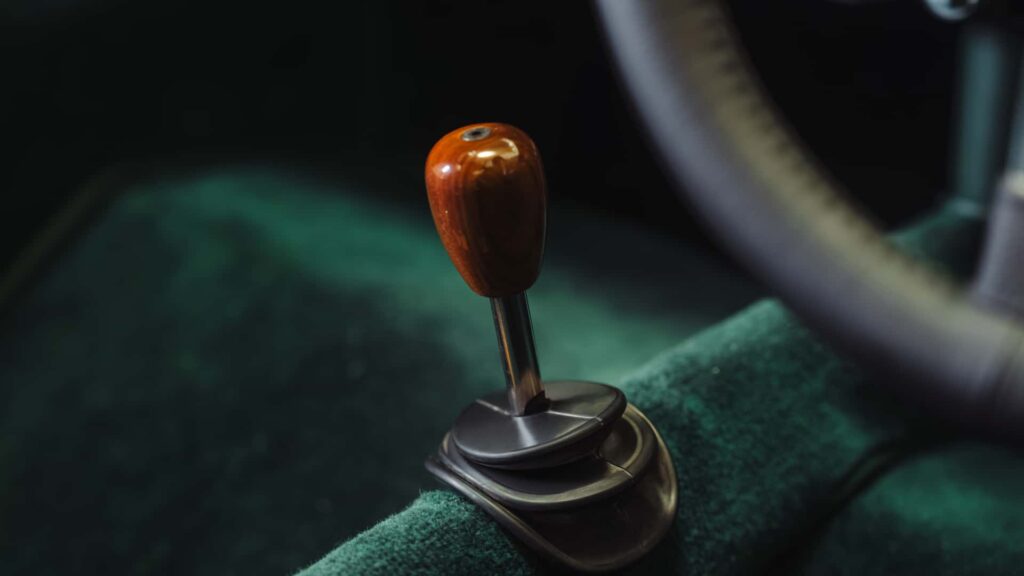
Simple green vinyl seats recall the original prototype, while a beautifully hand-turned walnut gear knob provides a tactile reminder of an era when every interaction between driver and machine was entirely mechanical.
The exterior wears Colnbrook White, a colour chosen to honour the original McLaren workshops where Bruce McLaren’s road-car project first took shape.
The specification also references the white-and-green livery carried by McLaren’s earliest Formula One cars, subtly connecting two defining chapters of the company’s history.
McLaren F1 — The Analog Hypercar That Redefined Automotive Perfection
More Than a Restoration
For McLaren, the M6GT represents something far greater than a historic automobile.
It represents the beginning of the company’s road-car philosophy.
The idea that racing technology could create extraordinary road cars eventually led to the McLaren F1, the MP4-12C, the P1, the Speedtail and today’s Ultimate Series.
Without the M6GT, that journey might never have existed.
The restoration therefore serves not only as a tribute to Bruce McLaren, but as a reminder of where the entire McLaren Automotive story truly began.
Goodwood: The Perfect Homecoming
The restored M6GT makes its public debut at the 2026 Goodwood Festival of Speed, just a short distance from the circuit where Bruce McLaren spent so much of his career and where his life was tragically cut short.
It joins an extraordinary display of historic and contemporary McLaren machinery, including Can-Am racers, Formula One cars and the latest generation of road-going hypercars.
Yet despite the presence of machines producing well over 1,000 horsepower, it is arguably the M6GT that tells the most important story.
Not because it is the fastest.
Because it represents the moment everything began.
A Vision Finally Realised
The McLaren M6GT has always occupied a unique place in automotive history.
It was neither a racing car nor a production road car.
Instead, it existed somewhere between ambition and reality.
More than fifty years after Bruce McLaren imagined his first road-going supercar, McLaren Special Operations has finally given that vision the conclusion it deserved.
It is not simply a restoration.
It is the completion of one of the most significant unfinished chapters in British automotive history.
And perhaps the most fitting tribute possible to the man whose name continues to define one of the world’s greatest performance car manufacturers.