
Some cars are remembered for their performance.
Others are remembered for their rarity.
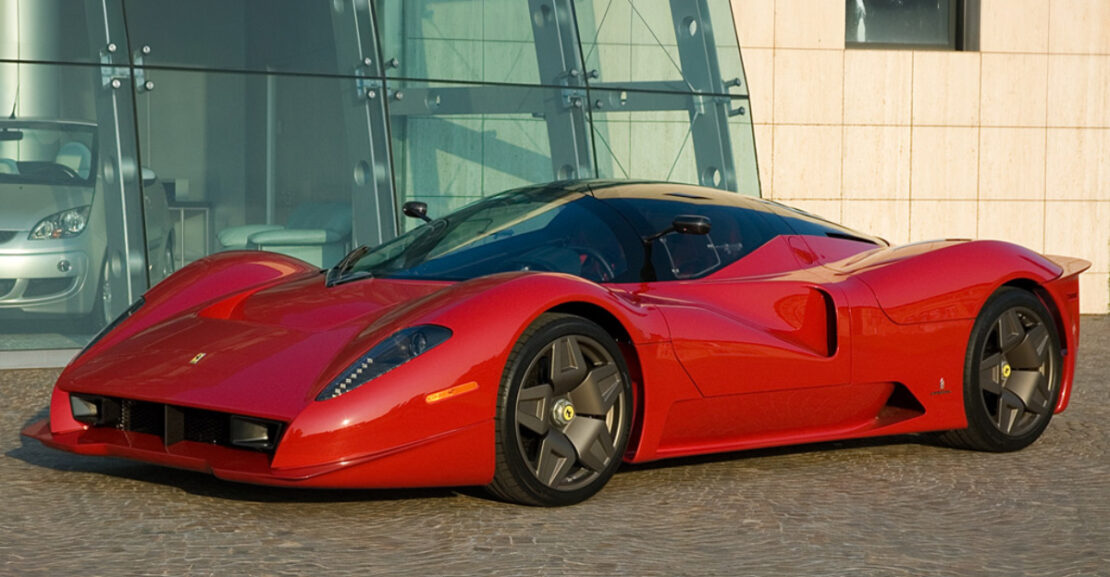
The Ferrari P4/5 by Pininfarina is remembered because it changed an entire industry.
Twenty years ago, at the 2006 Pebble Beach Concours d’Elegance, the automotive world witnessed something it had not seen in decades: a truly modern coachbuilt Ferrari. Commissioned by American collector James Glickenhaus and created by Pininfarina, the P4/5 was more than a unique automobile. It was a statement that bespoke automotive design still had a place in the modern era.
Two decades later, its influence can be seen everywhere.
From boutique manufacturers and modern coachbuilders to one-off hypercars commissioned by billionaires and collectors, the P4/5 helped redefine what was possible in the world of automotive luxury.
A Dream Born from Ferrari’s Greatest Racing Cars
The origins of the P4/5 can be traced back to one man’s passion for Ferrari history.
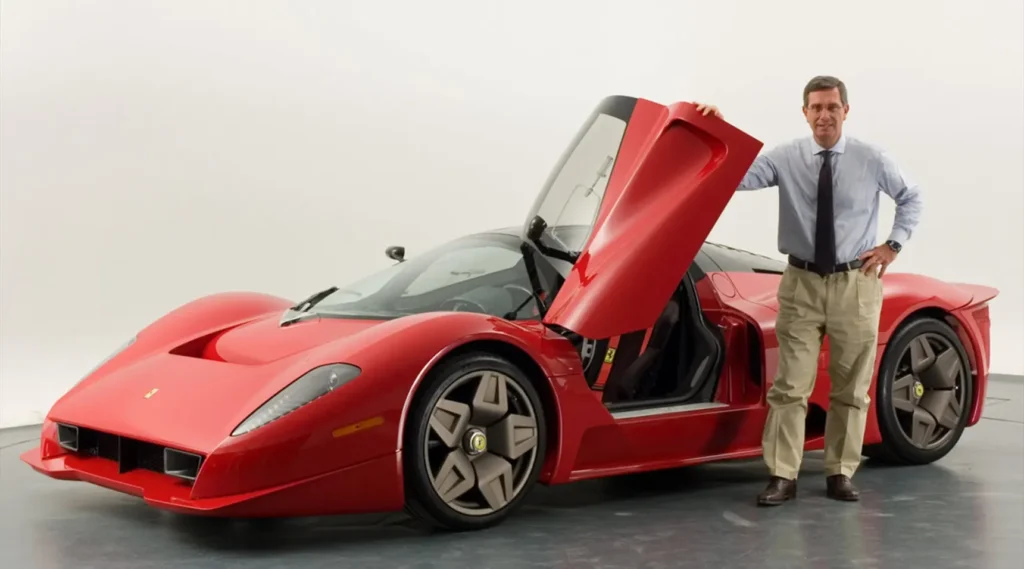
James Glickenhaus, already an accomplished collector and owner of several significant Ferraris, admired the legendary Ferrari sports prototypes of the 1960s. In particular, he was captivated by the beauty of the Ferrari 330 P4, a machine still regarded by many enthusiasts as one of the most beautiful racing cars ever created.
At the same time, Ferrari’s newest flagship, the Enzo, had divided opinion.
While its performance was beyond question, some enthusiasts felt that its styling lacked the elegance traditionally associated with the marque.
Rather than simply criticising the design, Glickenhaus decided to do something extraordinary.
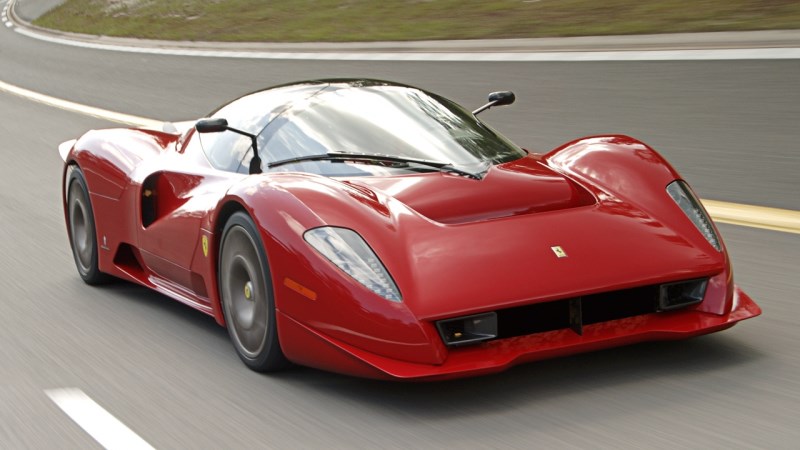
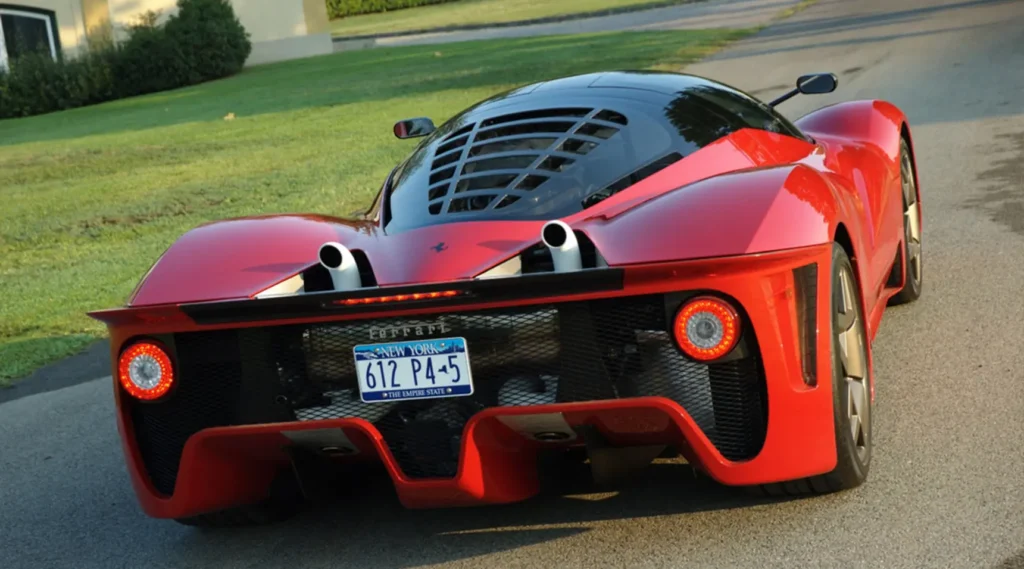
Working alongside Andrea Pininfarina and the design team in Turin, he commissioned a modern interpretation of Ferrari’s legendary endurance racers using the Enzo as a starting point.
The result would become one of the most famous one-off automobiles ever created.
Volkswagen W12 Nardo — The Supercar That Volkswagen Never Built
More Than an Enzo in Disguise
Calling the P4/5 a rebodied Enzo would be like describing a tailored Savile Row suit as simply modified fabric.
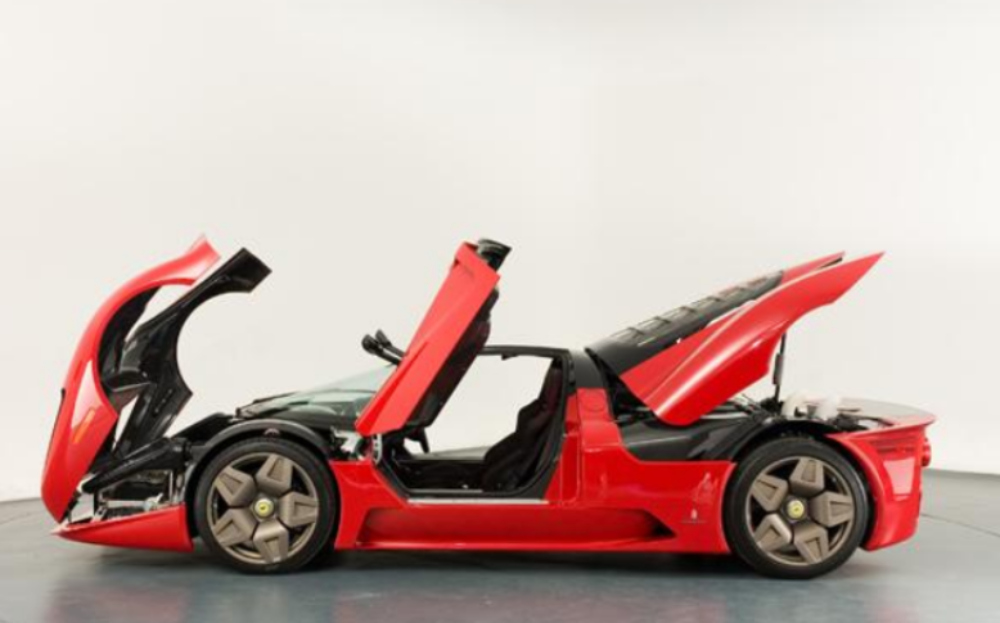
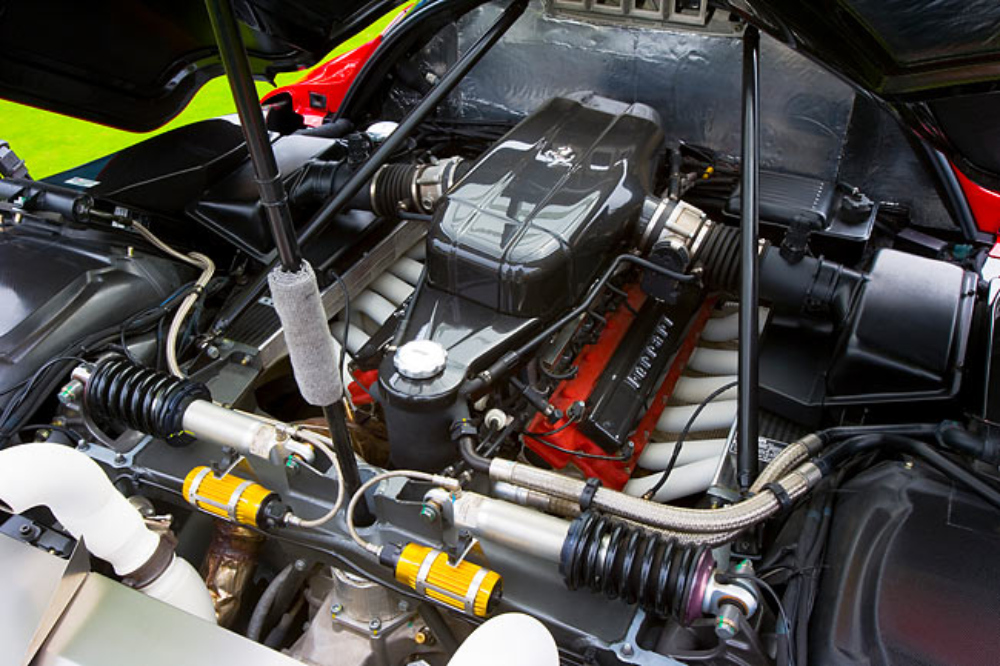
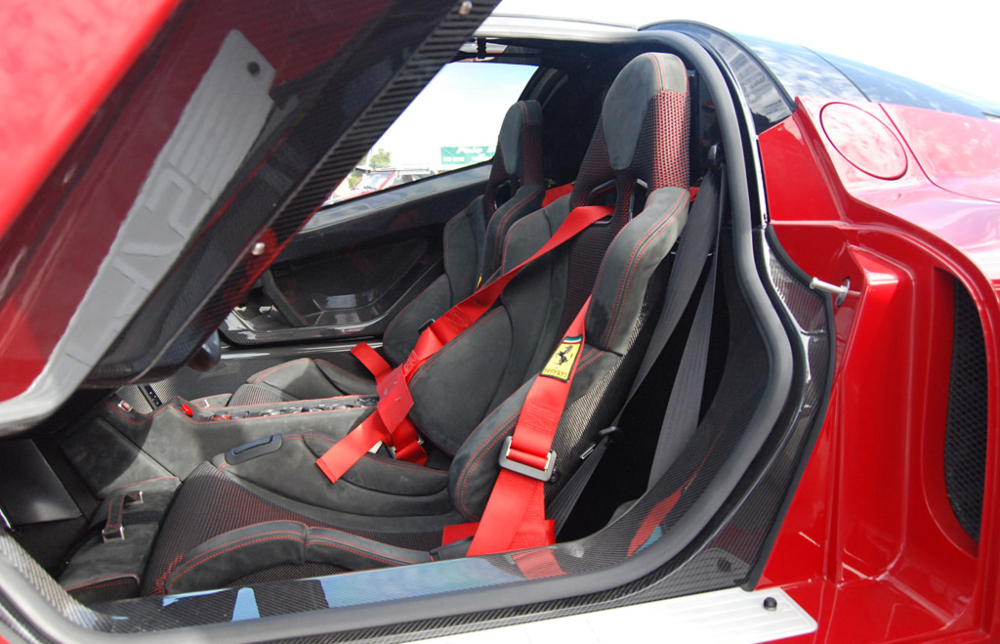
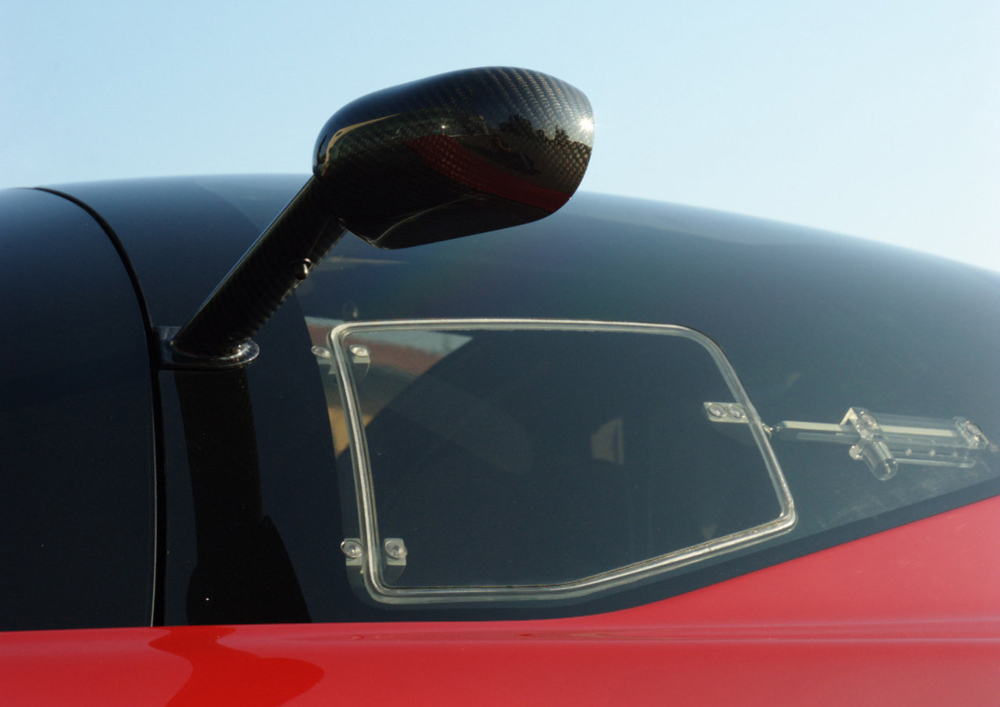
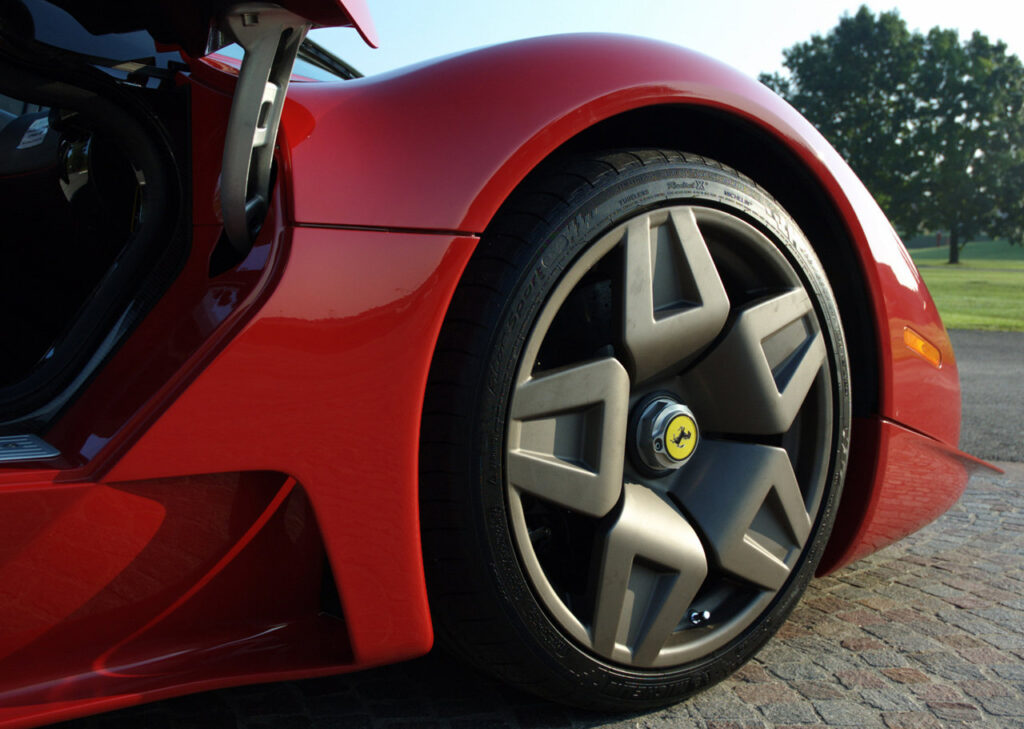
Underneath, the car retained the Enzo’s carbon-fibre structure and naturally aspirated V12 powertrain. Yet virtually everything visible was redesigned from scratch. More than 200 unique components were developed specifically for the project, and the bodywork was crafted entirely from carbon fibre.
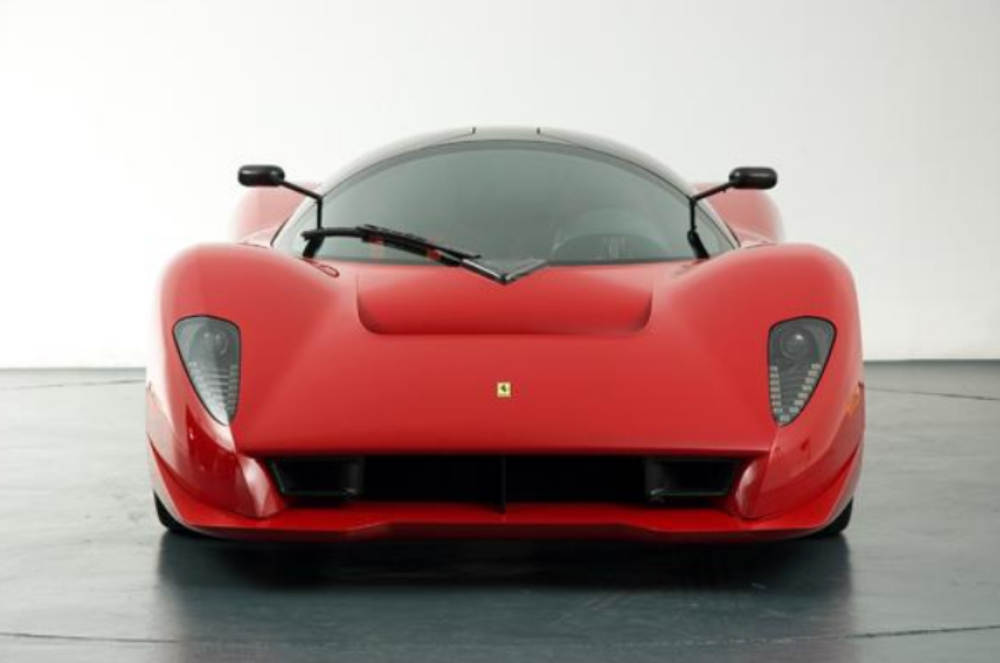
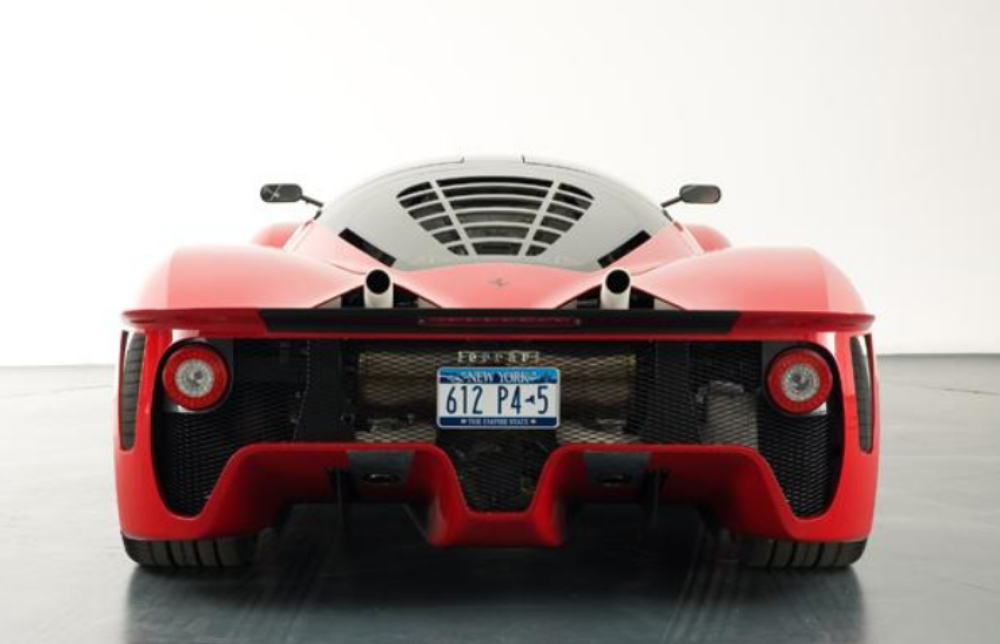
Designed by Jason Castriota during his time at Pininfarina, the car combined visual references from several generations of Ferrari racing machinery.
Elements of the 330 P4, 412 P, 512 S and later prototypes were subtly integrated into a shape that felt timeless rather than nostalgic.
The long nose, dramatic canopy and teardrop-inspired rear section created a silhouette unlike anything else on the road.
Even today, nearly twenty years later, it remains one of the most elegant supercars ever built.
The Last Great Pininfarina Ferrari
The P4/5 occupies a unique place in Ferrari history.
Not only was it officially recognised by Ferrari itself, but it also arrived during the final years of the historic relationship between Ferrari and Pininfarina that had defined generations of automotive design. When Luca di Montezemolo first saw the completed car, he reportedly believed it deserved to wear an official Ferrari designation, leading to the name Ferrari P4/5 by Pininfarina.
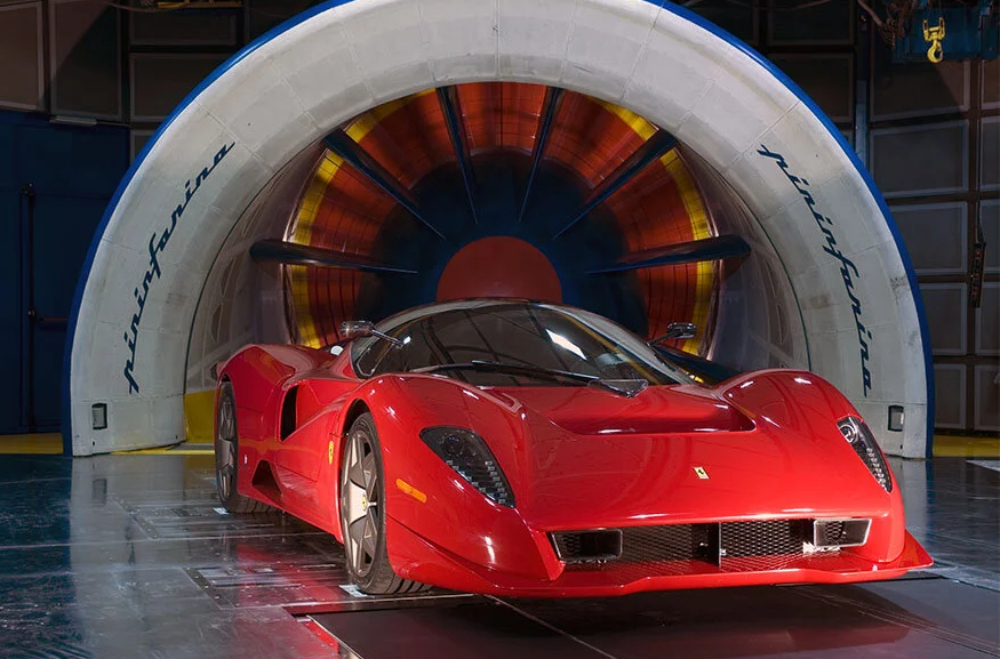
That official blessing elevated the project beyond the realm of private modification.
It became something far more significant.
A modern Ferrari created outside Ferrari’s traditional production programme, yet embraced by the company itself.
Few projects before or since have achieved such status.
The Car That Revived Modern Coachbuilding
Perhaps the greatest legacy of the P4/5 lies not in its design but in its influence.
When it debuted in 2006, the idea of commissioning an entirely bespoke automobile from a major design house was virtually unheard of in the modern era. Coachbuilding had largely disappeared after the 1960s, replaced by mass production and increasingly complex regulations.
The P4/5 proved that there was still demand for truly individual automobiles.
Collectors realised that they could move beyond limited editions and acquire something genuinely unique.
Manufacturers and design houses realised that ultra-exclusive commissions could become a viable business model once again.
In many ways, the P4/5 anticipated an entire movement.
The modern world of bespoke hypercars, continuation models, coachbuilt commissions and ultra-personalised automotive projects owes more to this Ferrari than many realise.
A Turning Point for James Glickenhaus
The P4/5 also marked the beginning of another remarkable story.
The project would ultimately lead James Glickenhaus far beyond the role of collector. Inspired by the experience of creating the P4/5, he would eventually establish Scuderia Cameron Glickenhaus, transforming from client to manufacturer.
Miller Motorcars JC9: The Spiritual Successor to the Carrera GT That Porsche Never Built
Over the following years, SCG would develop racing programmes, road cars and even compete at the highest levels of endurance racing.
Without the P4/5, that journey may never have happened.
Why the P4/5 Still Matters in 2026

Twenty years after its debut, the P4/5 remains astonishingly relevant.
Its proportions have aged gracefully, design still feels fresh and philosophy feels more influential than ever.
In today’s automotive landscape, collectors routinely commission one-off hypercars, bespoke restomods and highly personalised creations. What once seemed extraordinary has become an accepted part of luxury automotive culture.
Yet few projects have ever matched the significance of the P4/5.
It was not the first coachbuilt car.
But it was arguably the first truly modern one.
The car that reminded the industry that individuality still mattered.
Twenty Years Later
The Ferrari P4/5 was originally conceived as a tribute to Ferrari’s glorious racing past.
Ironically, it ended up shaping the future.
What began as a personal dream for one collector became one of the most influential automotive projects of the modern era. It reintroduced coachbuilding to a new generation, inspired countless bespoke commissions and demonstrated that true luxury lies not in owning what everyone else desires, but in creating something that exists only once.
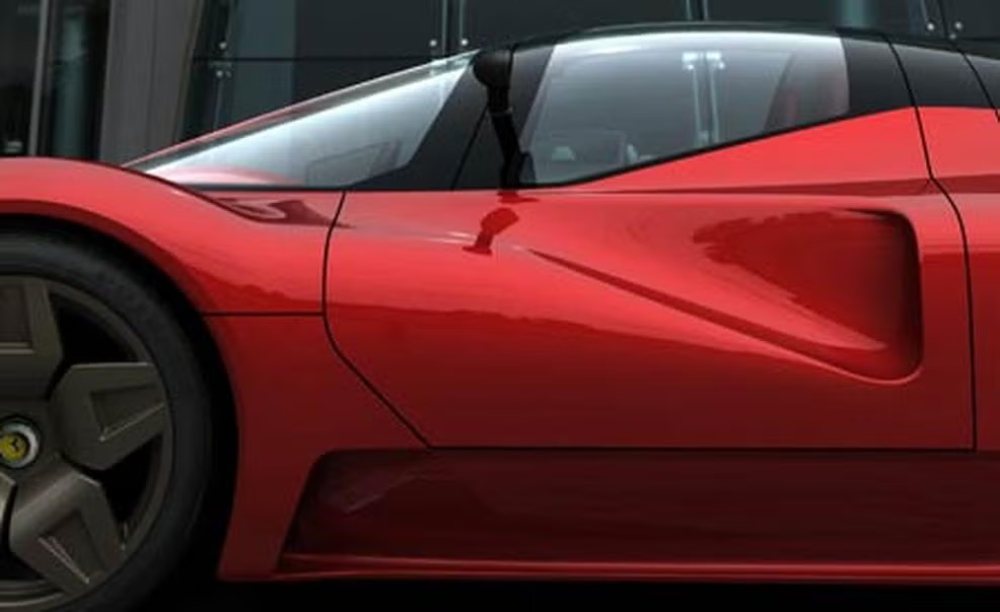
Twenty years later, the Ferrari P4/5 remains exactly what it was in 2006.
Not merely a Ferrari.
Not merely a one-off.
But one of the most important automotive creations of the twenty-first century.
