
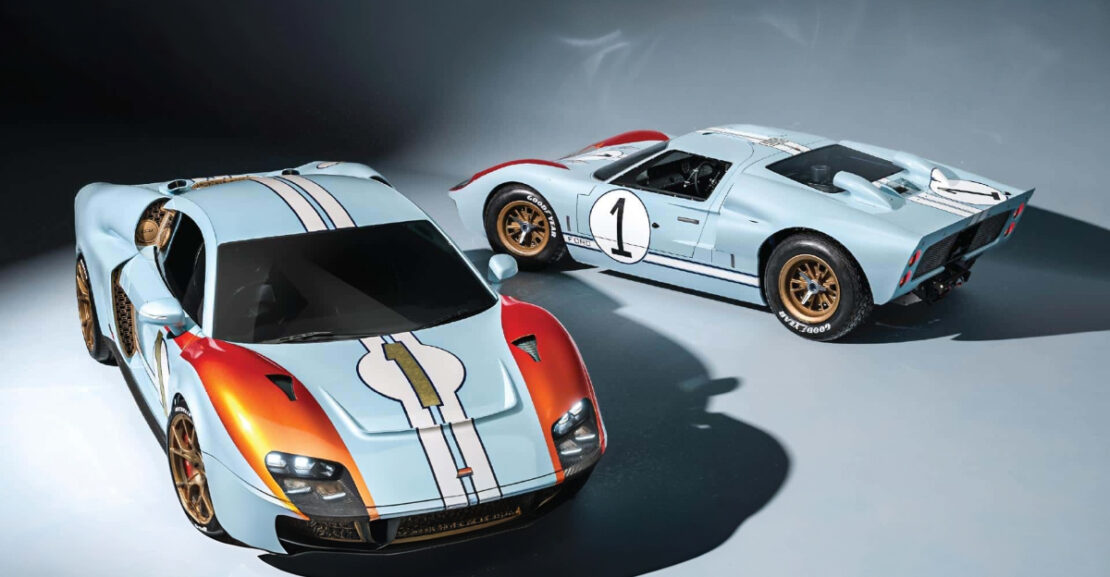
Few racing cars have achieved the mythical status of the Ford GT40.
Born from one of the most famous rivalries in motorsport history, the low-slung endurance racer became an icon after conquering Le Mans and forever changing the balance of power between America and Europe. More than half a century later, its influence remains as strong as ever.
Yet Cape Advanced Vehicles believes the GT40 story is not finished.
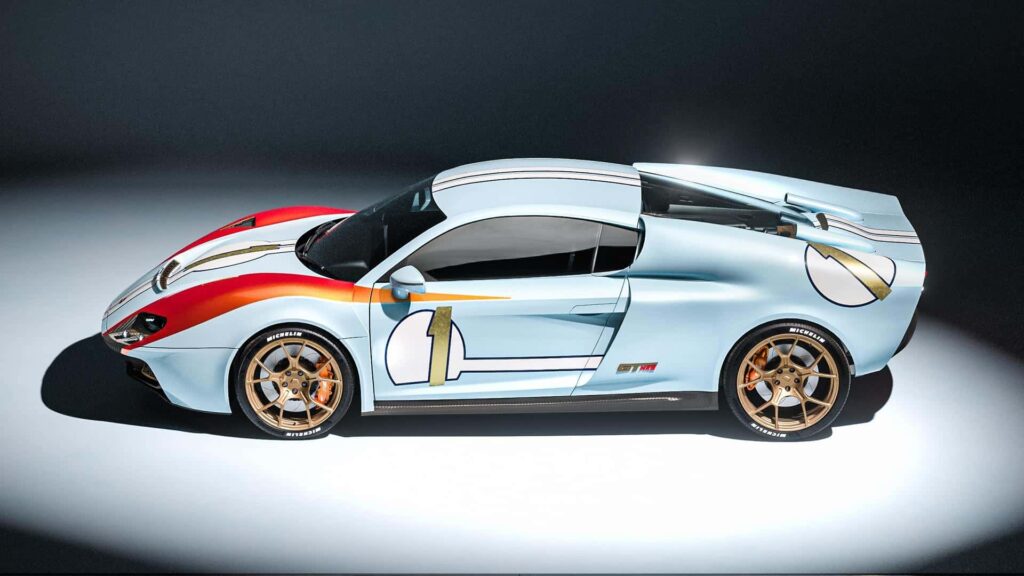
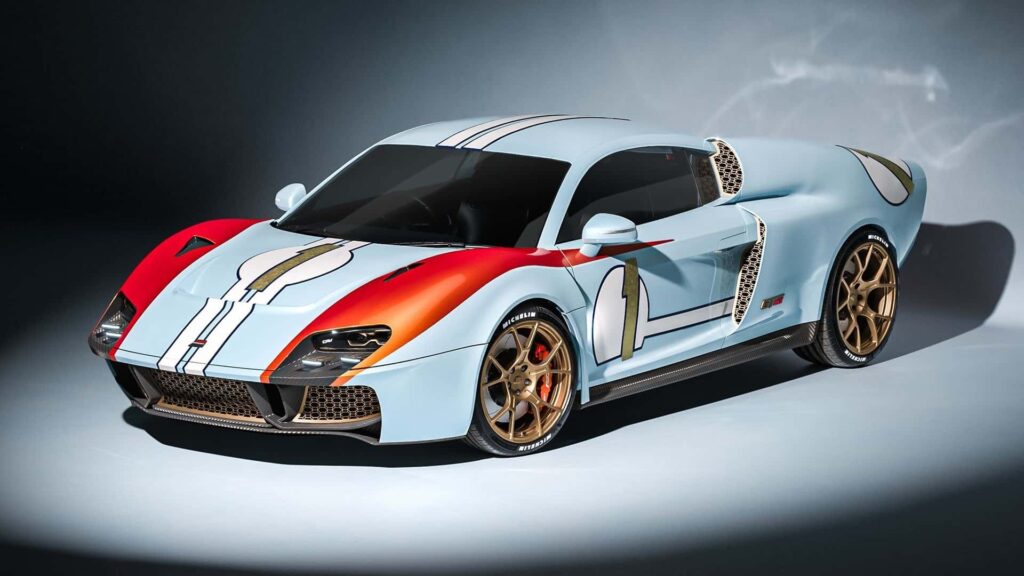
With the unveiling of the new CAV GT MkII, the South African manufacturer has gone far beyond the concept of a replica or restomod. Instead, it has created what might best be described as a modern interpretation of the GT40 philosophy — a car inspired by the original legend, but engineered for the realities and expectations of the twenty-first century.
The Company Behind the Vision
For enthusiasts familiar with the GT40 world, Cape Advanced Vehicles requires little introduction.
Founded in Cape Town in 1999, the company was established specifically to build high-quality GT40 recreations. Its very name pays tribute to Ford Advanced Vehicles, the organization responsible for producing the original GT40 during the 1960s. Over more than two decades, CAV has earned a reputation for producing some of the most respected GT40-based cars in the world, combining craftsmanship, engineering and historical authenticity.
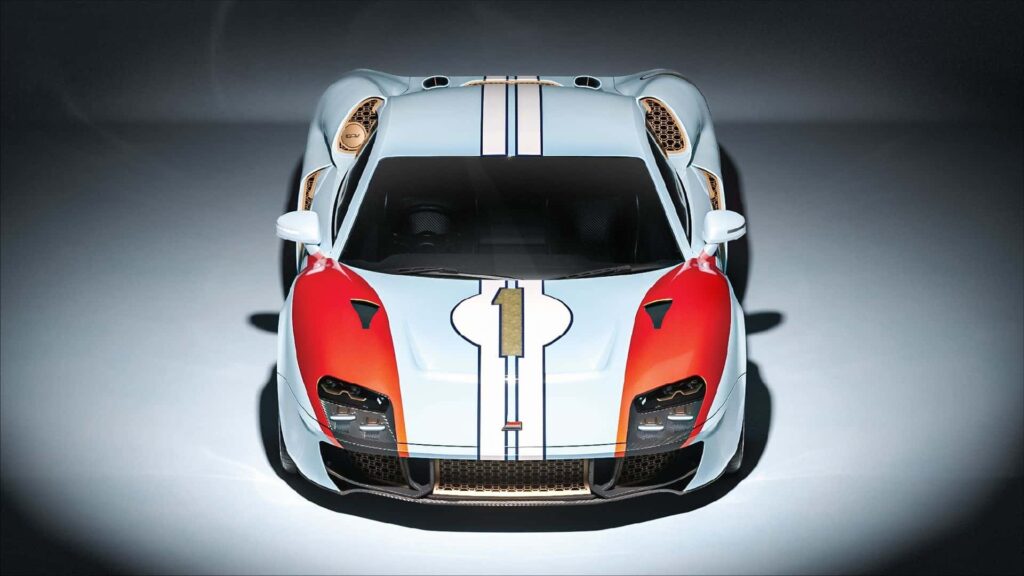
The GT MkII represents the next chapter of that journey.
Not a continuation of the past.
A step beyond it.
Miller Motorcars JC9: The Spiritual Successor to the Carrera GT That Porsche Never Built
Not a Replica. Not a Restomod.
At first glance, the inspiration is unmistakable.
The proportions.
The stance.
The low roofline.
The dramatic rear haunches.
Every element recalls the GT40 that dominated endurance racing in the 1960s.
Look closer, however, and the differences become apparent. The GT MkII introduces modern surfaces, contemporary lighting technology, wider proportions and a far more aggressive visual presence. CAV itself describes the project as a spiritual successor rather than a replica, reflecting the company’s ambition to create something new while respecting the legacy of the original.
It is a car inspired by history rather than imprisoned by it.
800 Horsepower Changes Everything
Perhaps the most dramatic departure from the original GT40 lies beneath the bodywork.
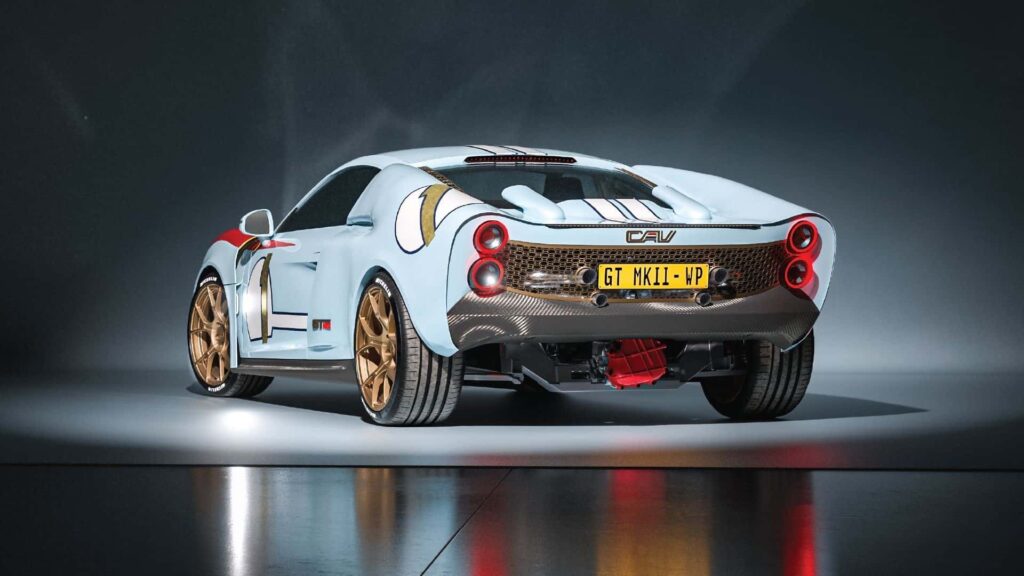
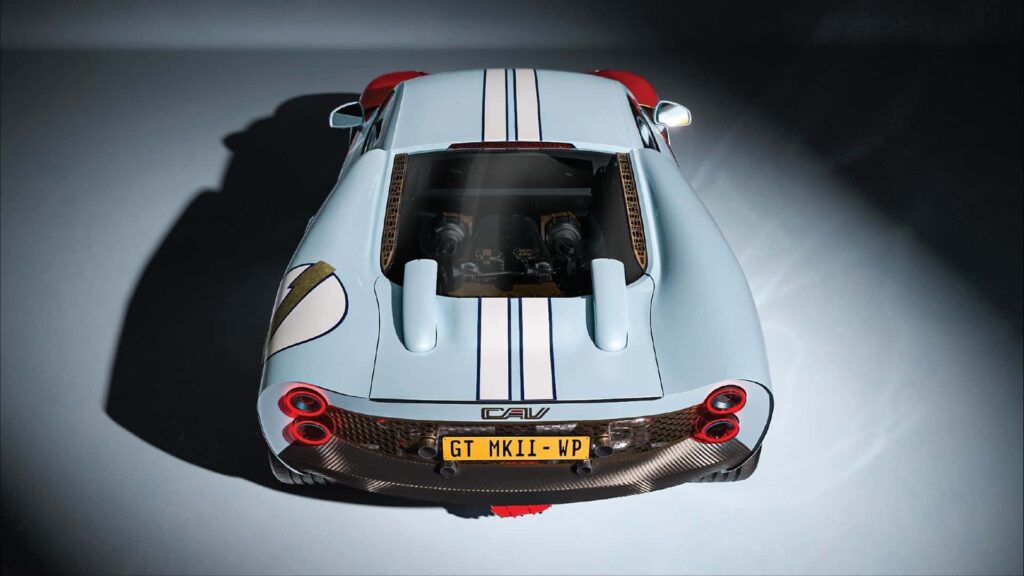
Power comes from a heavily re-engineered 4.2-liter V8 fitted with twin superchargers. Featuring forged internals, direct injection, dry-sump lubrication, a carbon-fibre intake system and an Inconel exhaust, the engine produces approximately 800 horsepower and more than 620 lb-ft of torque.
Performance figures are firmly within modern supercar territory.
CAV claims a 0-62 mph time of around three seconds and a top speed exceeding 205 mph. Those numbers place the GT MkII far beyond anything imaginable during the GT40’s original era.
Yet raw speed tells only part of the story.
What makes the GT MkII particularly appealing is the variety of transmission options available to owners.
A Manual Gearbox in an Age of Automation
In an automotive landscape increasingly dominated by dual-clutch gearboxes and electrified drivetrains, CAV has chosen to preserve something enthusiasts continue to value.
Choice.
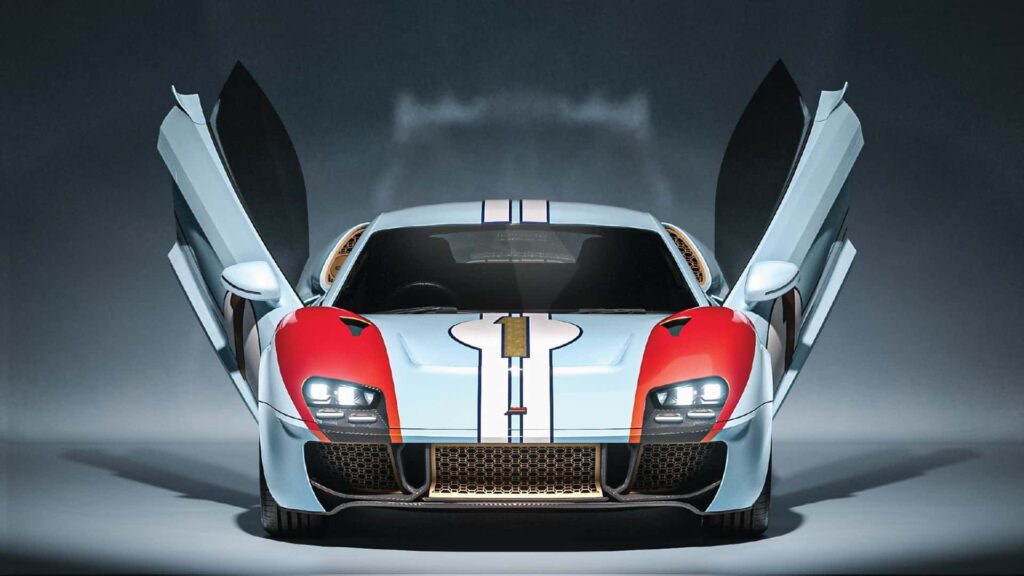
Customers can specify a manual transmission, a dual-clutch gearbox or a semi-automatic setup depending on their preferences. While many manufacturers have abandoned the manual gearbox entirely in high-performance applications, CAV continues to view driver engagement as a priority rather than a nostalgic luxury.
For many collectors, that decision alone may be one of the most attractive aspects of the project.
Because some experiences cannot be replicated by software.
Modern Engineering Beneath a Classic Shape
Although the GT MkII celebrates one of motorsport’s greatest icons, its engineering is thoroughly contemporary.
The vehicle combines carbon-fibre composite bodywork with a lightweight aluminium and carbon-fibre structure, helping keep weight below 3,000 pounds despite the substantial increase in performance. Advanced suspension systems, modern braking technology and all-wheel-drive capability further separate the GT MkII from the car that inspired it.
This is not an exercise in nostalgia.
It is a modern supercar wearing a familiar silhouette.
A machine capable of delivering contemporary performance while maintaining a direct emotional connection to one of the most celebrated racing cars ever created.
AC Cobra GT Coupe: When a Legend Learns Elegance
Why the GT40 Still Matters
The continued fascination surrounding the GT40 extends beyond its victories.
Many racing cars win championships.
Very few become legends.
The GT40 represented ambition, determination and engineering excellence. It became a symbol of what could be achieved when a seemingly impossible objective was pursued without compromise. More than fifty years later, that story continues to resonate with enthusiasts around the world.
The GT MkII succeeds because it understands that appeal.
Rather than attempting to recreate history exactly as it was, CAV has chosen to reinterpret it for a new generation.
A Different Kind of Supercar
The luxury and supercar markets have become increasingly homogenized.
Hybrid powertrains.
Digital interfaces.
Predictable design trends.
The GT MkII offers something refreshingly different.
It combines old-school proportions with modern engineering.
It celebrates mechanical engagement while embracing contemporary performance.
And perhaps most importantly, it feels genuinely unique.
In a world where many supercars seem to be chasing the same destination, the GT MkII follows its own route.
The Spirit of Le Mans Lives On
Cape Advanced Vehicles has spent more than twenty-five years building cars inspired by one of motorsport’s greatest legends.
The GT MkII is arguably its most ambitious project yet.
Not because it is the most powerful.
Not because it is the fastest.
But because it dares to answer a fascinating question:
What if the GT40 had never disappeared?
What if its evolution had continued uninterrupted for six decades?
The GT MkII may not be a Ford.
It may not be a GT40.
But it captures the spirit of both remarkably well.
And that may be the highest compliment any modern interpretation could receive.