
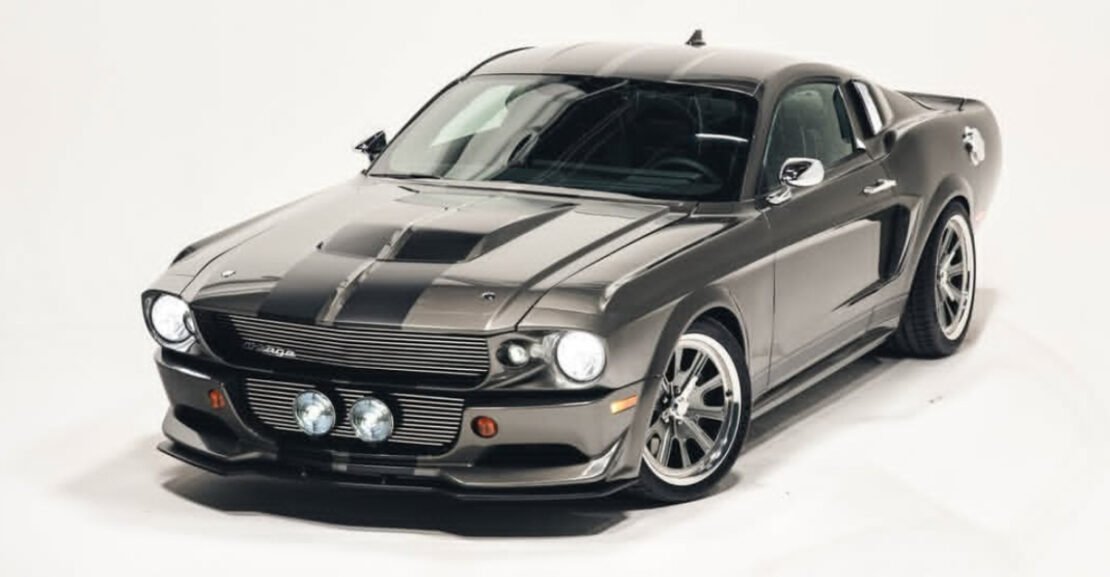
Inspired by the legendary 1967 Ford Mustang Fastback, the new Vintage Modern Fastback combines handcrafted carbon-fiber coachwork with the sophisticated engineering of a contemporary Mustang GT. Featuring up to 840 horsepower, a manual transmission option and more than 900 hours of craftsmanship, this extraordinary American creation offers a different perspective on the modern restomod.
Few automobiles have influenced American automotive culture as profoundly as the first-generation Ford Mustang.
Introduced in 1964, the original Mustang quickly became a symbol of freedom, individuality and accessible performance. Its distinctive proportions, long bonnet and unmistakable fastback silhouette helped establish an identity that has endured for more than six decades.
Today, that design continues to inspire an increasingly sophisticated world of bespoke automotive creations.
But while most specialists approach classic Mustangs through restoration and mechanical modernization, Vintage Modern has chosen a fundamentally different direction.
Unveiled at Rétromobile New York in November 2026, the Vintage Modern Fastback combines the aesthetic character of a late-1960s American muscle car with the mechanical architecture of a contemporary Ford Mustang GT.
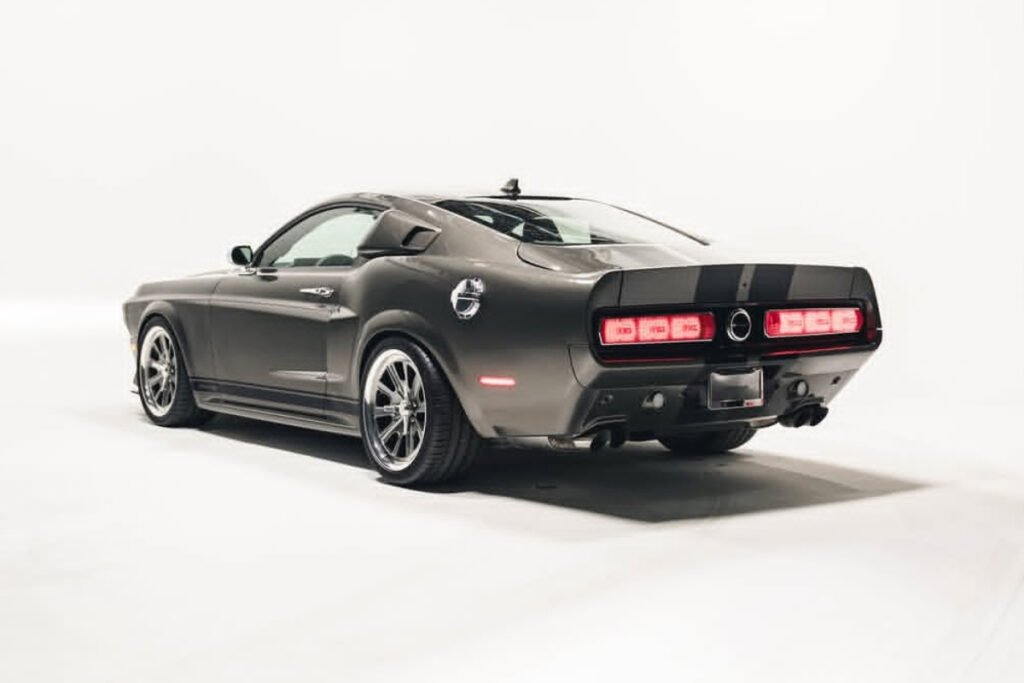
Rather than starting with a decades-old vehicle, the Atlanta-based company uses a modern S650-generation Mustang as the foundation for an extensively redesigned automobile featuring handcrafted carbon-fiber bodywork.
The result preserves the visual romance of an American automotive icon while introducing modern safety systems, sophisticated suspension technology and a formidable supercharged V8 producing up to 840 horsepower.
With prices beginning at $295,500, the Fastback represents an ambitious interpretation of luxury American muscle.
Vintage Modern: A Different Philosophy of Automotive Reinvention
Founded in 2018, Vintage Modern established its reputation through a series of classic-inspired vehicles combining historic design with contemporary engineering.
Previously known as Vintage Broncos, the company developed an approach centered on recreating the visual appeal of beloved American automobiles without relying on their original mechanical architecture.
Its Modern Classic models helped establish the company’s distinctive philosophy: timeless appearance, modern functionality and carefully considered craftsmanship.
The Fastback represents an important expansion of that vision.
It is the company’s first passenger car, moving beyond its established truck-based creations into one of the most recognizable categories of American performance motoring.
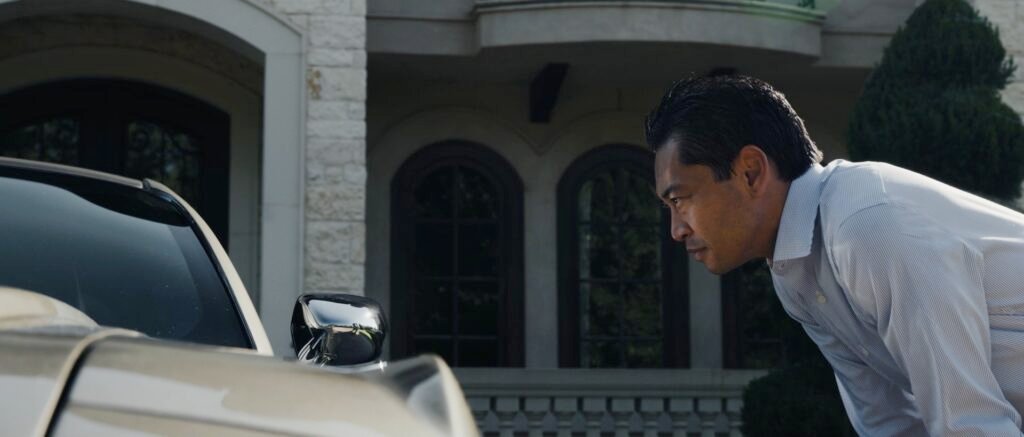
For founder and CEO Chau Nguyen, the objective was to create an automobile that combined the emotional appeal of a classic Mustang with the reliability, performance and safety systems expected from a contemporary sports car.
This approach challenges the conventional definition of a restomod.
A traditional restomod begins with an existing classic automobile, retaining its fundamental identity while incorporating modern components.
The Vintage Modern Fastback reverses that process.
It starts with a contemporary platform and recreates the desired historic appearance through extensive coachbuilding.
The distinction is essential to understanding the project’s character.
This is not simply an old Mustang with a powerful new engine.
It is a modern performance automobile designed to evoke one of the most celebrated chapters in American automotive history.
A Modern S650 Mustang Beneath a Classic Silhouette
The foundation of the Vintage Modern Fastback is the current-generation Ford Mustang GT, known internally as the S650.
Introduced for the 2024 model year, this platform incorporates modern structural engineering, electronic driving systems and a sophisticated interpretation of Ford’s traditional front-engine, rear-wheel-drive performance formula.
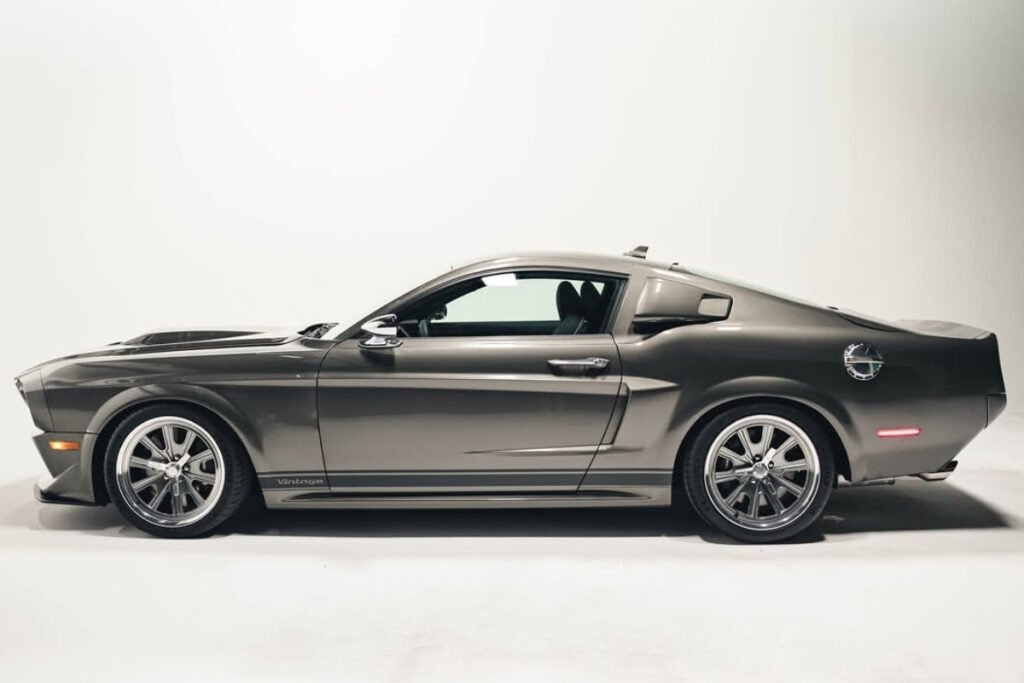
Vintage Modern retains that fundamental architecture while transforming the exterior almost beyond recognition.
The result is a car whose proportions recall the iconic 1967 Mustang Fastback, with a long bonnet, compact passenger compartment and sweeping rear roofline.
The design also draws inspiration from the celebrated custom Mustang commonly associated with the film Gone in 60 Seconds.
However, the Vintage Modern Fastback is not presented as an exact replica.
Its surfaces, proportions and exterior details have been developed to create a distinct interpretation of the classic American fastback.
This balance between historical inspiration and contemporary individuality gives the car much of its appeal.
At first glance, it appears to belong to the golden era of American muscle cars.
Beneath the surface, almost everything reflects modern automotive engineering.
More Than 900 Hours of Carbon-Fiber Craftsmanship
One of the Fastback’s most significant characteristics is its extensively handcrafted body.
Vintage Modern develops its exterior using carbon-fiber panels manufactured by hand in Detroit.
The components are subsequently assembled and finished at the company’s facility in Atlanta, Georgia.
The process requires more than 900 hours of craftsmanship for each automobile.
This substantial investment of time reflects the complexity of creating a vintage-inspired exterior that integrates with the geometry and structural requirements of a modern Mustang.
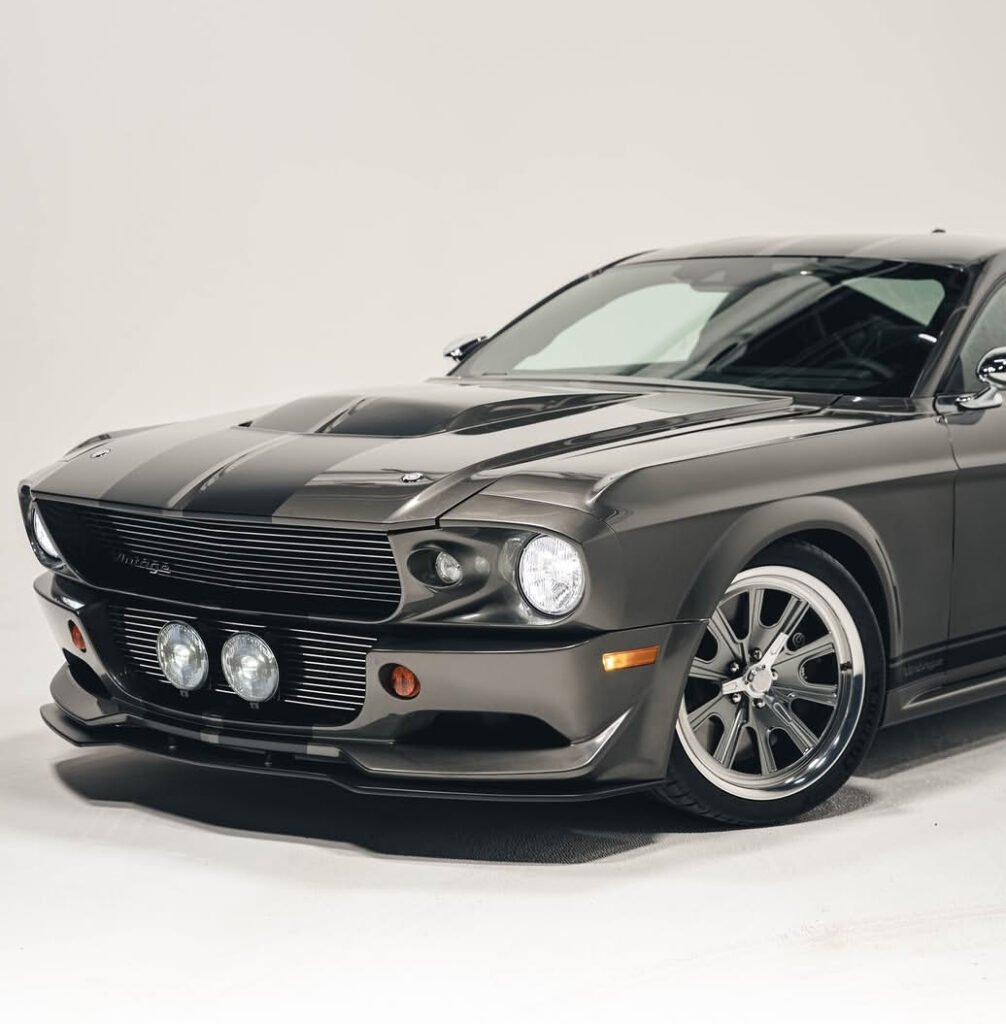
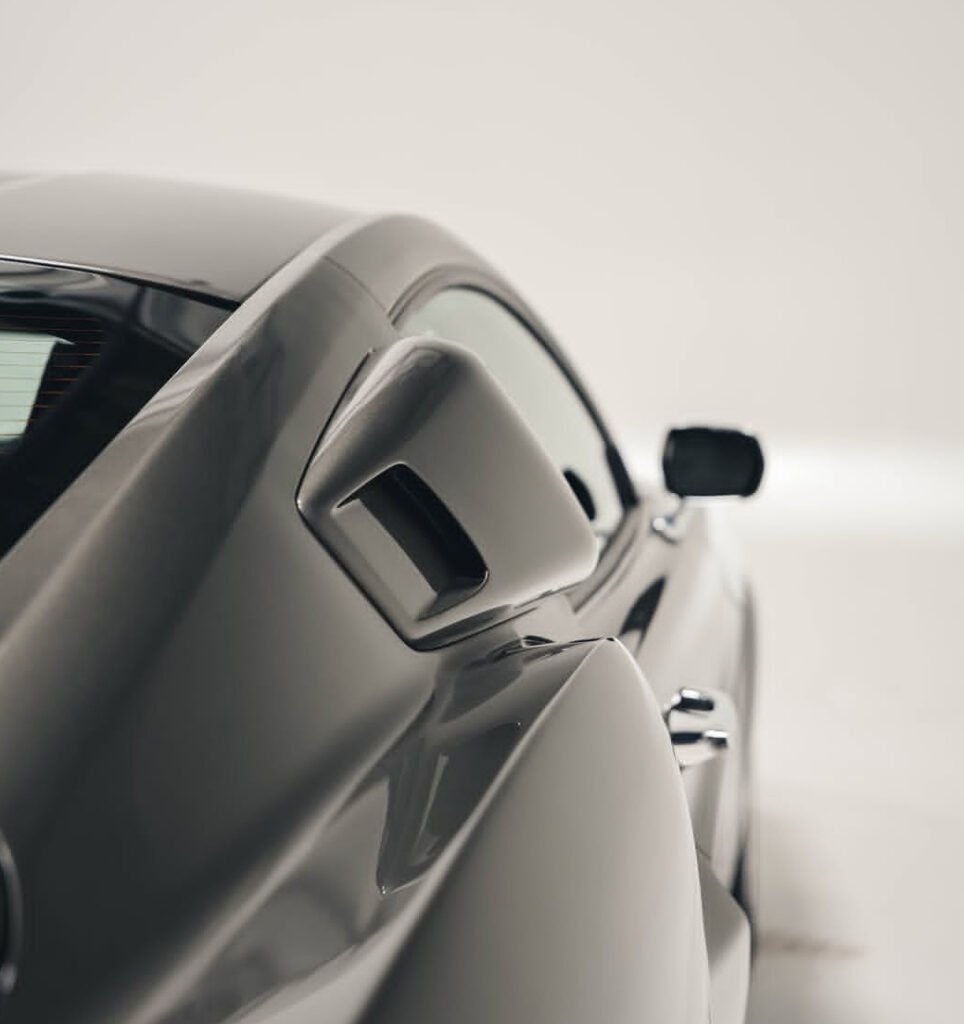
The design features a sculpted bonnet with a functional air scoop, carefully shaped side intakes and muscular wheel arches.
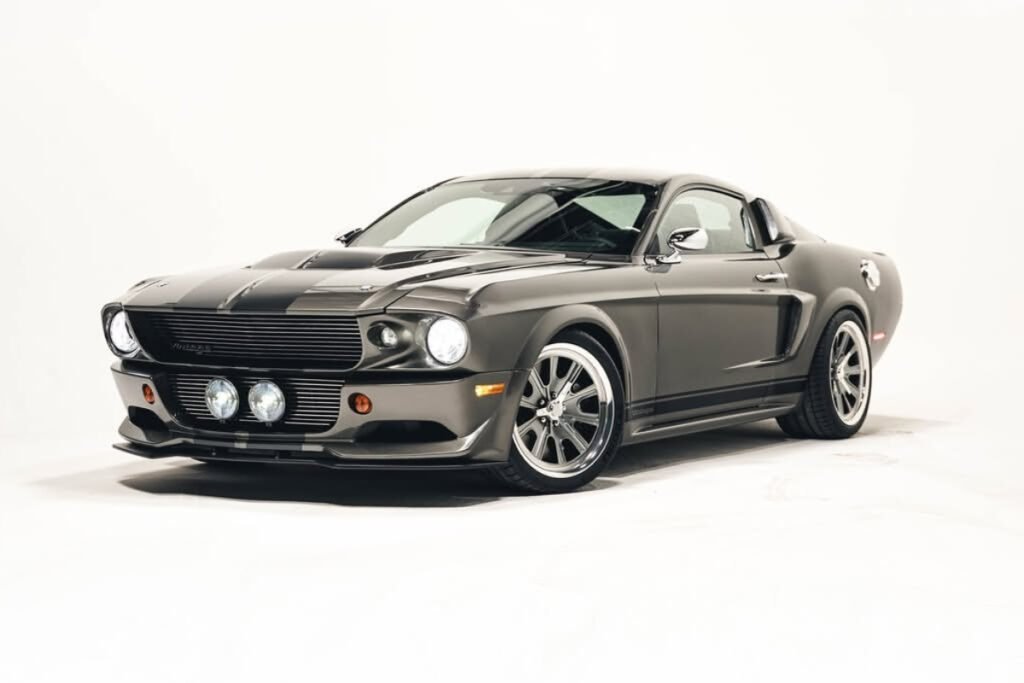
At the front, a bespoke billet-aluminum grille incorporates Vintage branding, accompanied by distinctive auxiliary driving lights.
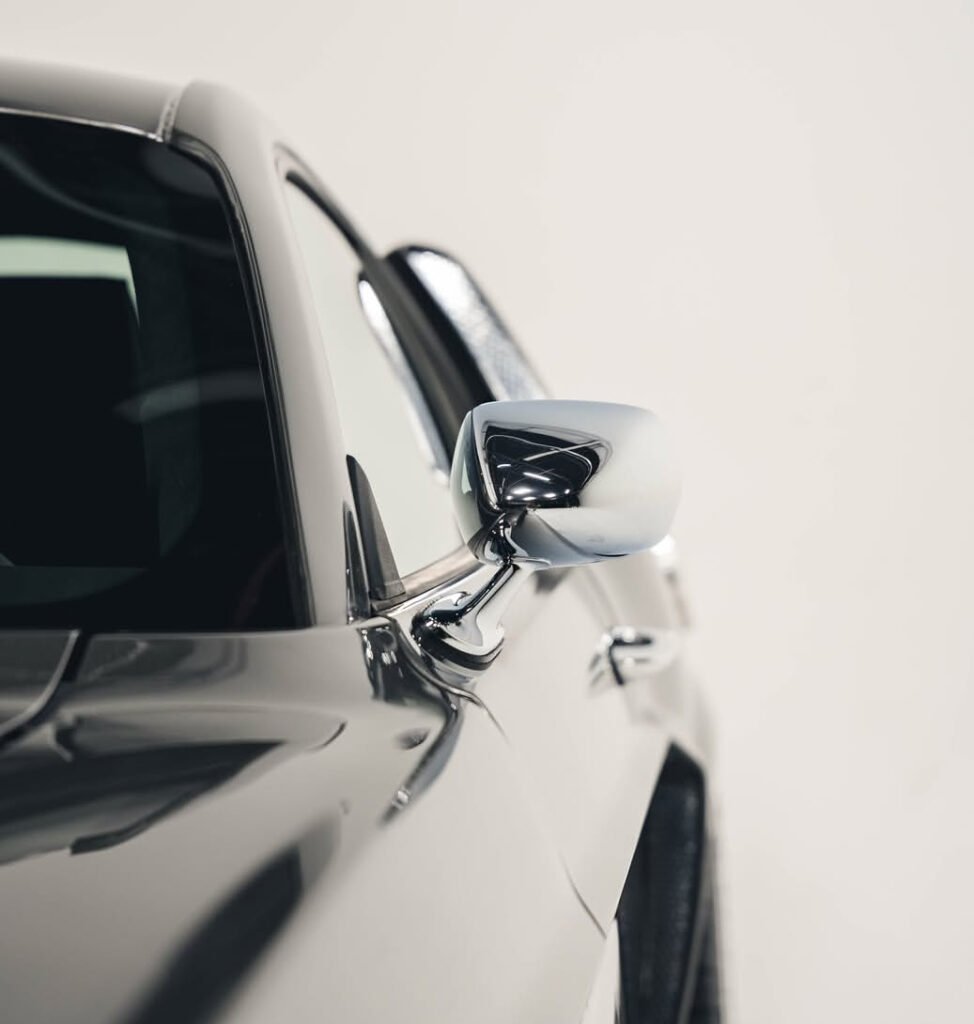
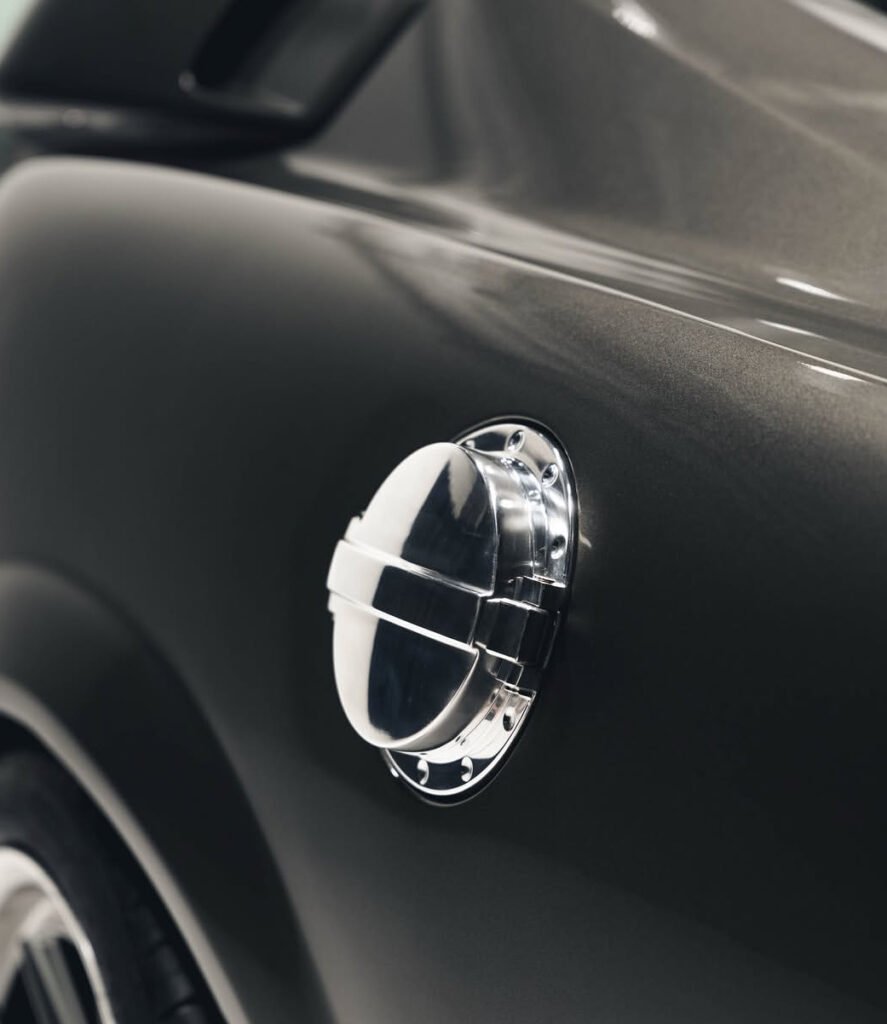
Machined aluminum is also used for the exterior mirrors and door handles, introducing a tactile, precision-engineered contrast to the carbon-fiber bodywork.
At the rear, a sweeping fastback roofline leads toward a distinctive full-width lighting arrangement.
The composition preserves the horizontal character associated with classic Mustangs while introducing contemporary illumination technology.
Rather than simply recreating historic panels, the project uses modern materials to reinterpret the original design.
The result is an automobile whose craftsmanship is as important to its identity as its powertrain.
Mechatronik M SEC: The Mercedes-Benz SEC Reborn With a 500 HP AMG V8
A Naturally Aspirated 5.0-Litre V8 With 486 Horsepower
The standard Vintage Modern Fastback retains one of the defining characteristics of the contemporary Mustang GT: Ford’s celebrated 5.0-litre Coyote V8.
In its standard configuration, the engine develops 486 horsepower and 418 lb-ft of torque.
The naturally aspirated architecture delivers the immediate throttle response and progressive power delivery traditionally associated with American performance cars.
Unlike smaller turbocharged engines, the Coyote V8 emphasizes displacement, engine speed and mechanical character.
For owners seeking a more traditional driving experience, the standard powertrain already offers considerable performance.
It also creates an interesting relationship between the vehicle’s appearance and its mechanical identity.
The classic Mustang Fastback is closely associated with powerful V8 engines, muscular acceleration and a distinctive exhaust soundtrack.
The Vintage Modern interpretation preserves that essential character while introducing the sophistication of a modern Ford powertrain.
However, the company also offers a considerably more powerful alternative.
The 840 HP Whipple-Supercharged V8
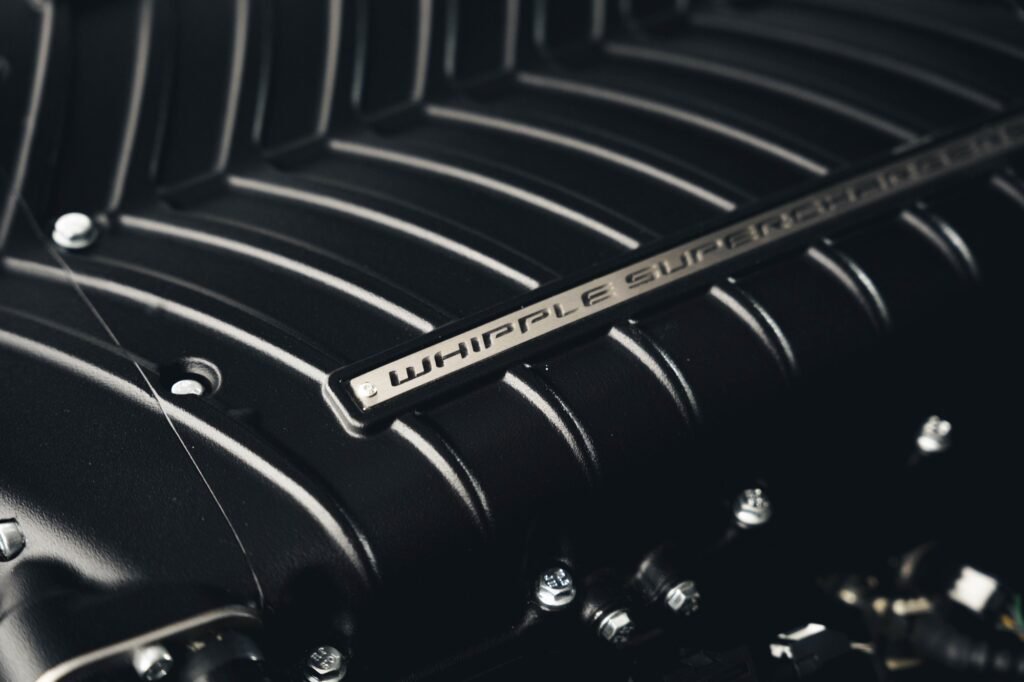
For customers seeking extraordinary performance, Vintage Modern offers an optional 3.0-litre Whipple supercharger.
Installed on the 5.0-litre V8, this system increases output to an exceptional 840 horsepower and 615 lb-ft of torque, using 93-octane fuel.
The combination transforms the Fastback from a powerful grand touring muscle car into a machine with genuine supercar-level acceleration potential.
Vintage Modern estimates that the supercharged configuration can accelerate from 0 to 60 mph in approximately 2.9 seconds.
This figure remains a manufacturer estimate rather than an independently verified test result.
Nevertheless, it illustrates the extraordinary performance ambition behind the project.
What makes the Fastback particularly interesting is the contrast between its classic-inspired appearance and contemporary power output.
The original late-1960s Mustangs were celebrated for their muscular engines and straight-line performance.
The new Fastback takes that philosophy much further, combining historic visual character with an engine capable of producing power figures associated with some of the world’s most sophisticated modern supercars.
For enthusiasts, this creates a particularly compelling combination.
It is an automobile that celebrates the emotional qualities of American V8 performance without accepting the mechanical limitations of the past.
Six-Speed Manual or Ten-Speed Automatic
Vintage Modern allows customers to select between two distinct transmissions.
The first is a six-speed manual gearbox with automatic rev matching, preserving the direct mechanical involvement traditionally associated with high-performance muscle cars.
For enthusiasts who value the physical experience of changing gears, this is arguably one of the Fastback’s most appealing characteristics.
The second option is a ten-speed automatic transmission with steering-wheel-mounted paddle shifters.
This configuration offers a different interpretation of performance, emphasizing rapid gear selection and effortless everyday usability.
The availability of both transmissions is particularly important.
Many contemporary high-performance automobiles have abandoned manual gearboxes in pursuit of increasingly sophisticated automated systems.
Vintage Modern instead allows customers to determine how they wish to interact with the car.
The decision reflects the broader philosophy behind the Fastback.
Modern engineering should expand the driving experience without eliminating traditional forms of engagement.
Eccentrica V12 Roadster: The Lamborghini Diablo Reimagined Without a Roof
MagneRide Suspension and Brembo Braking Technology
The transformation extends well beyond the engine and transmission.
Because the Fastback retains the modern S650 architecture, it benefits from sophisticated chassis technology developed for contemporary Mustang performance models.
The car incorporates MagneRide adaptive suspension, which continuously adjusts damping characteristics according to driving conditions.
This allows the suspension to provide a more comfortable response during relaxed driving while increasing control when the vehicle is driven more aggressively.
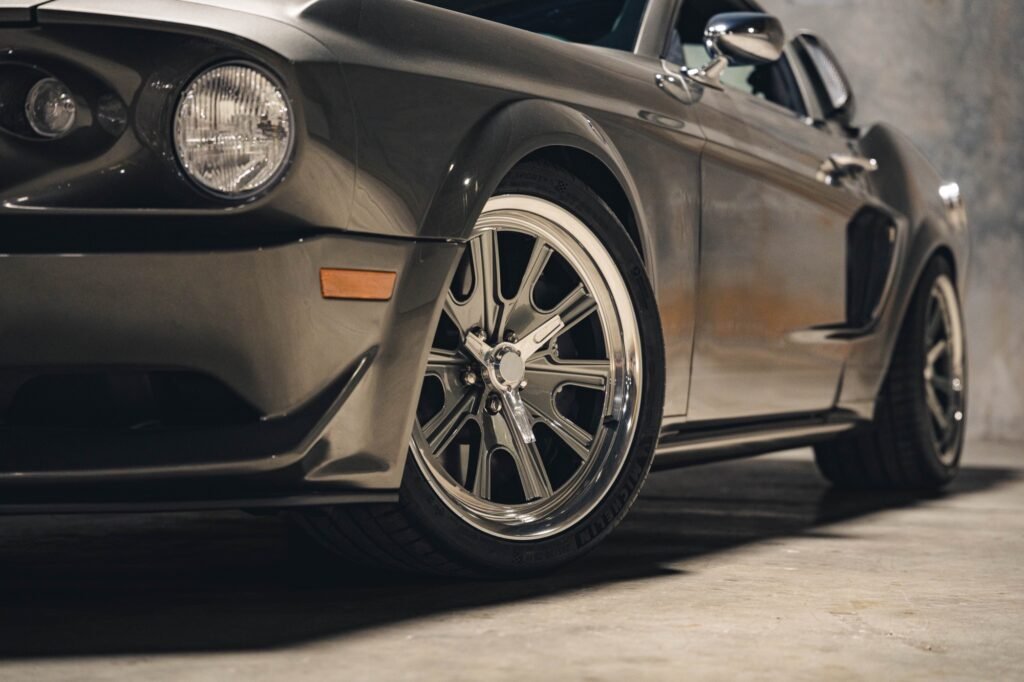
Brembo performance brakes provide stopping power appropriate for the engine’s considerable output.
Six selectable driving modes further expand the vehicle’s versatility.
These include Normal, Sport, Slippery, Track, Drag Strip and Custom configurations.
Each modifies the relationship between the vehicle’s electronic systems and its dynamic character.
The Fastback also features an active-valve exhaust system with four selectable sound settings: Quiet, Normal, Sport and Track.
This allows drivers to adapt the V8 soundtrack to their surroundings and preferences.
For an automobile combining 1960s-inspired styling with contemporary high-performance engineering, such flexibility represents a considerable advantage.
The car is designed not simply to evoke the past, but to be driven and enjoyed under modern conditions.
Eight Airbags and Contemporary Safety Engineering
One of the most distinctive aspects of the Vintage Modern Fastback is its approach to vehicle safety.
Traditional restomods often retain the fundamental body structure of their original donor vehicles.
While these cars may incorporate modern braking systems, steering components and suspension technology, their underlying crash structures frequently belong to a much earlier period of automotive engineering.
Vintage Modern approaches the problem differently.
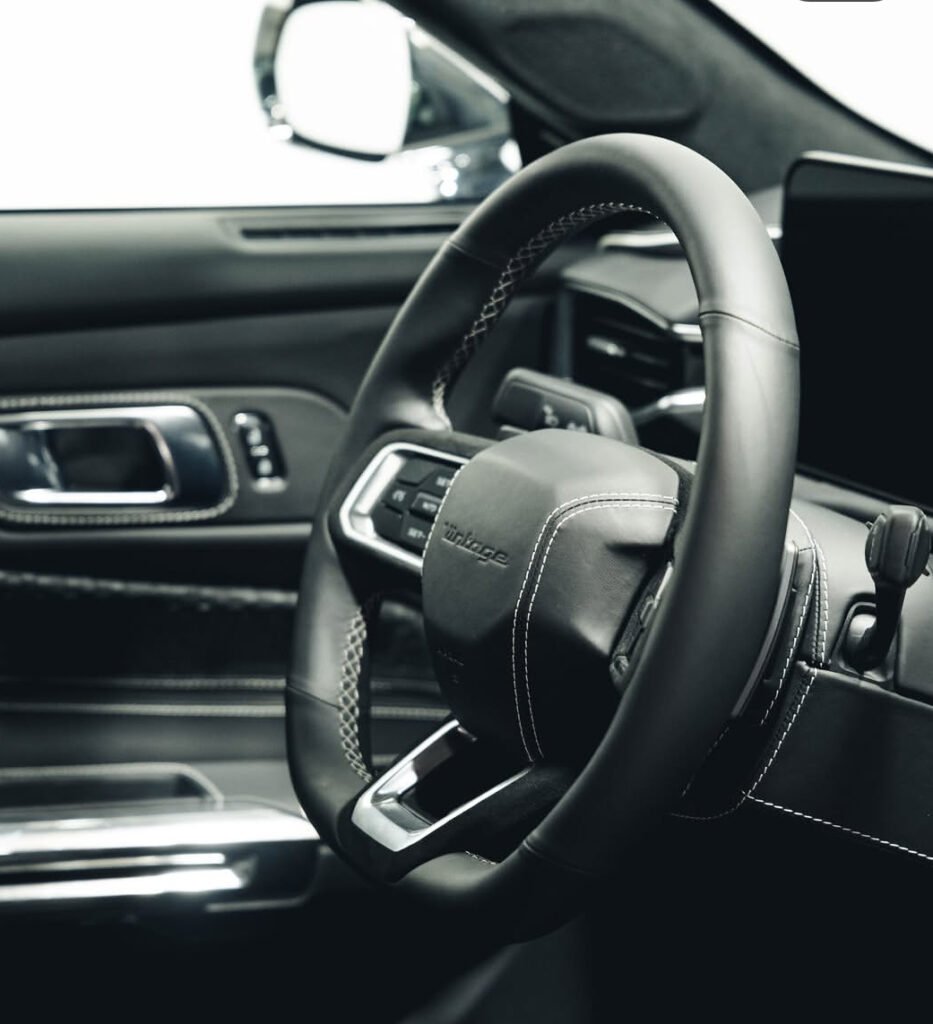
By using a contemporary Mustang platform, the Fastback retains access to modern passive and active safety architecture.
The company specifies eight airbags, engineered crumple zones, side-impact protection, electronic stability control, traction control and anti-lock braking.
Vintage Modern also states that the vehicle is being developed to meet applicable Federal Motor Vehicle Safety Standards, with physical crash testing forming part of its programme.
The final regulatory status of individual configurations should be confirmed with the manufacturer.
Nevertheless, the underlying approach is important.
The company is attempting to combine the visual appeal of a historic muscle car with the engineering advantages of a contemporary production automobile.
For buyers who intend to use their vehicles regularly rather than preserve them exclusively as collector pieces, this distinction may be particularly relevant.
A Bespoke Interior With Contemporary Comfort
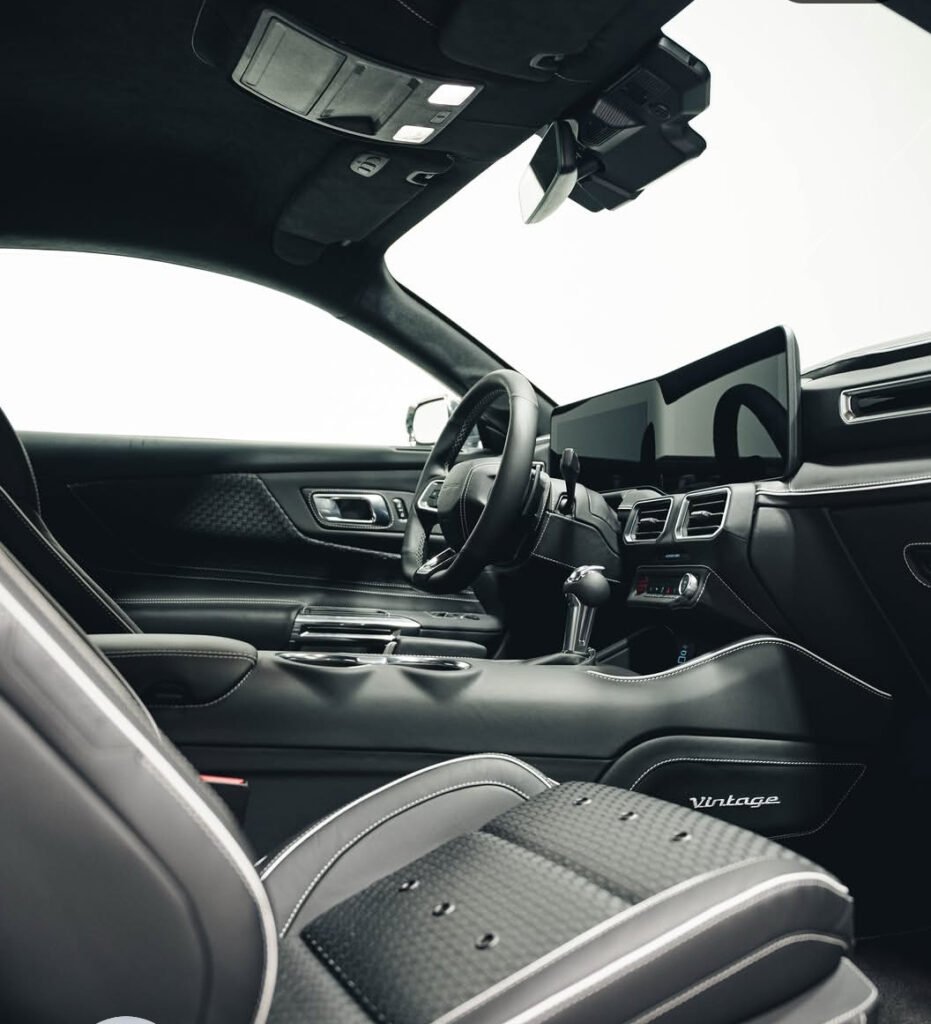
Inside, the Fastback combines classic-inspired detailing with contemporary materials and equipment.
The cabin features extensive use of full-grain leather, Alcantara and precision-machined billet aluminum.
Rather than introducing an entirely futuristic interior, Vintage Modern emphasizes a balance between familiar American grand touring character and modern functionality.
Customers can choose between three distinctive upholstery styles: traditional pleated leather, diamond quilting or a woven pattern.
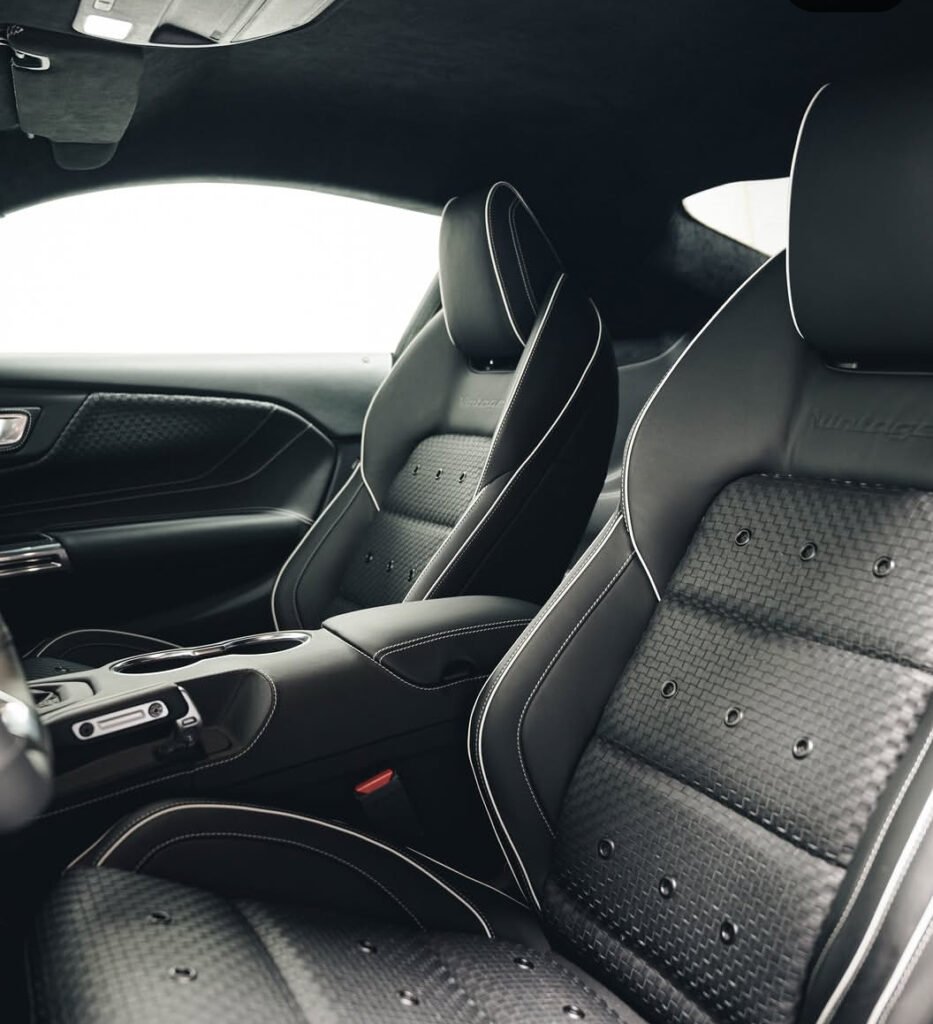
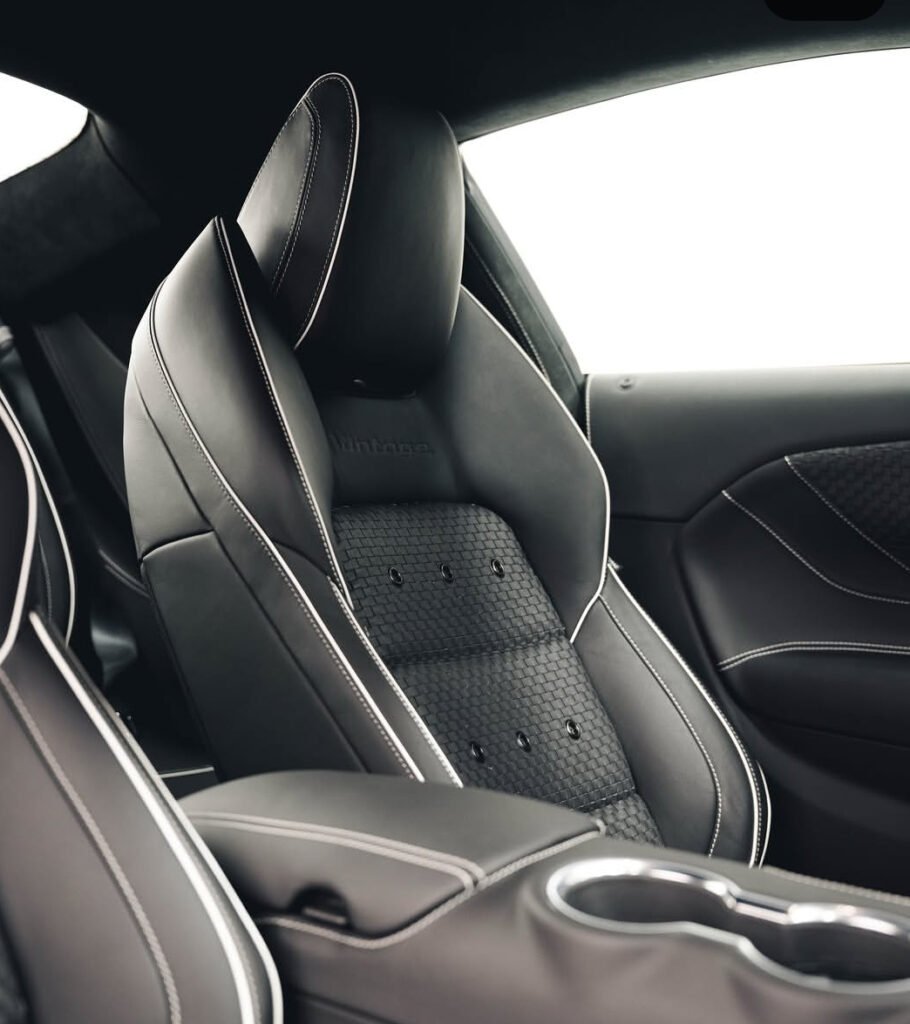
Each introduces a different interpretation of classic automotive craftsmanship.
Additional personalization extends to the colour palette, decorative stitching and interior materials.
The available equipment includes an optional premium audio system developed by JL Audio.
The result is an interior designed to feel more individual than that of a conventional production Mustang, while retaining the ergonomic and technological benefits of the modern platform.
This approach is particularly appropriate for an automobile positioned near the upper reaches of the bespoke American performance market.
At this level, buyers are not simply purchasing a more powerful engine or an unusual exterior.
They are commissioning an automobile intended to reflect their personal preferences.
More Than 40 Colours and Extensive Personalization
Individualization forms an essential part of the Vintage Modern ownership experience.
Customers can choose from more than 40 standard exterior colours, alongside a paint-to-sample programme for more personalized specifications.
The company also offers contrasting racing stripes in red, white, black or blue.
These details allow owners to create automobiles ranging from restrained, elegant grand touring interpretations to much more dramatic muscle-car specifications.
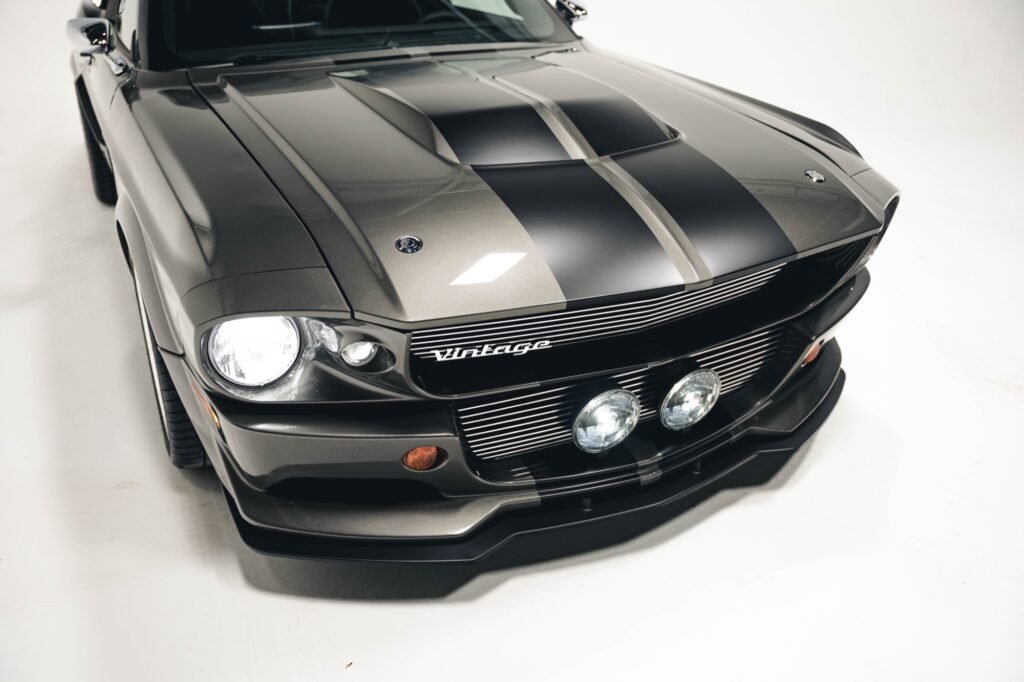
The combination of exterior colours, interior materials, transmission options and engine configurations creates a substantial range of possibilities.
This is an important distinction from conventional special-edition performance cars, where customers are often restricted to a relatively narrow selection of factory-defined specifications.
Vintage Modern places greater emphasis on personal commissioning.
The final automobile is intended to represent the customer’s individual interpretation of the classic American Fastback.
AC Cobra GT Coupe: When a Legend Learns Elegance
Vintage Modern Fastback Price: From $295,500
The Vintage Modern Fastback enters the bespoke performance market with an announced starting price of $295,500.
This figure represents the base manufacturer’s suggested retail price before additional individual commissioning.
The optional supercharged engine, paint specifications, interior materials and other bespoke details may increase the final cost.
Vintage Modern has not published a complete universal price list covering every possible configuration.
For prospective customers, the final specification and quotation are therefore best established directly with the company.
At this price level, the Fastback occupies a different market from conventional Ford Mustang performance models.
Its competitors are more likely to include bespoke muscle-car builders and specialist restomod manufacturers rather than factory-produced sports cars.
The substantial price reflects the combination of a contemporary donor platform, handcrafted carbon-fiber bodywork, extensive individual assembly and the degree of customization involved.
Unlike a conventional aftermarket body kit, the Fastback is intended to be a fully developed, coachbuilt automobile with its own recognizable identity.
A New Interpretation of the American Restomod
The Fastback enters an automotive market where bespoke reinterpretations of historic models have become increasingly sophisticated.
Companies such as Singer, Revology and other specialist builders have demonstrated that customers are willing to invest substantial sums in classic-inspired automobiles incorporating modern technology.
However, Vintage Modern distinguishes itself through its construction philosophy.
Instead of preserving a historic body structure and introducing modern components, the company begins with a contemporary vehicle and reconstructs its exterior identity.
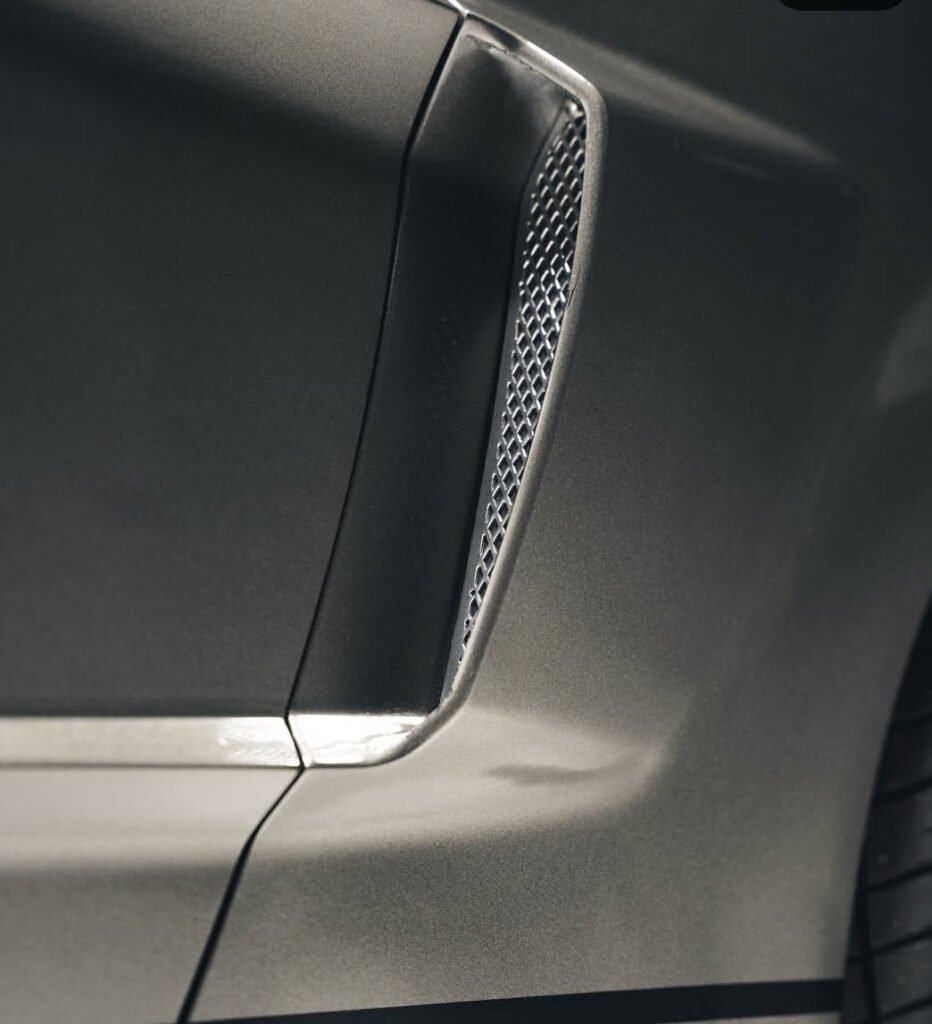
This approach offers several potential advantages.
Modern chassis engineering can be retained without requiring the same level of adaptation associated with an original 1960s vehicle.
Safety systems are developed around a contemporary architecture.
And the final product can provide a degree of everyday usability that may be more difficult to achieve through a traditional restoration.
At the same time, the Fastback’s character depends heavily on the quality of its bespoke coachwork.
The balance between historic inspiration and contemporary dimensions must be carefully resolved.
For Vintage Modern, more than 900 hours of craftsmanship and extensive carbon-fiber construction are central to achieving that objective.
From Atlanta to an International Collector Audience
The Vintage Modern Fastback makes its public debut at Rétromobile New York, held from November 19 to 22, 2026, following an invitation-only preview on November 18.
The choice of venue reflects the company’s ambition to introduce the car to an international audience familiar with collectible and bespoke automobiles.
Although headquartered in Atlanta, Vintage Modern draws on specialist manufacturing expertise from different regions of the United States.
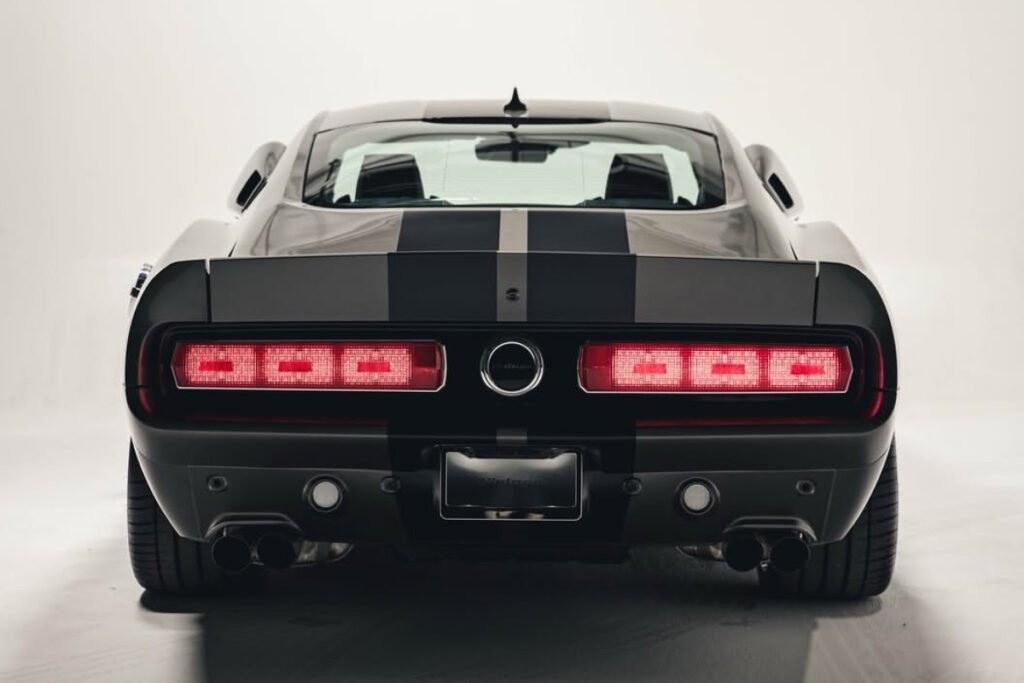
Its carbon-fiber panels are produced in Detroit before final assembly and finishing take place in Georgia.
The company has also outlined plans to expand its manufacturing operation, including a substantially larger facility and additional specialist employees.
These ambitions reflect a desire to establish the Fastback as part of a broader product portfolio rather than simply a one-off design exercise.
Unlike some ultra-exclusive coachbuilt projects, the Fastback has not been announced with a fixed numerical production limit.
Its long-term production volume will depend on customer demand and manufacturing capacity.
For prospective collectors, this is an important distinction.
The vehicle’s appeal currently rests primarily on its design, craftsmanship and engineering rather than an officially guaranteed production rarity.
Classic American Design, Reinterpreted for a New Generation
The Vintage Modern Fastback raises an intriguing question about the future of classic-inspired automobiles.
Does preserving the character of a historic car necessarily require preserving its original mechanical architecture?
For some collectors, authenticity is inseparable from original construction, period-correct materials and historical provenance.
For others, the greatest appeal lies in the design itself.
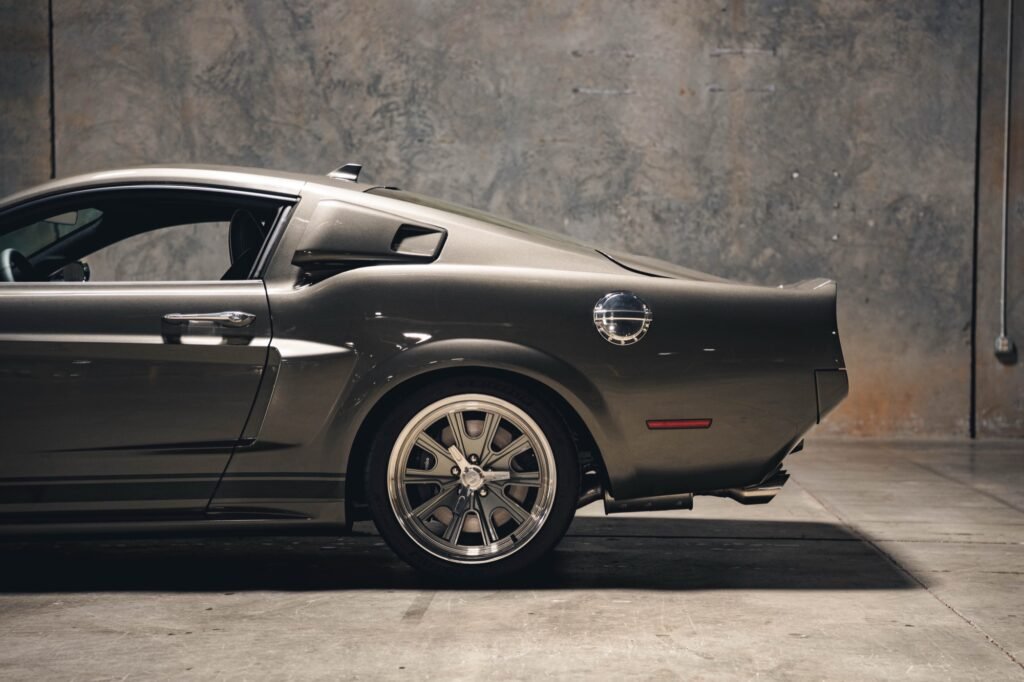
The shape of a classic Mustang can evoke an entire era of American culture, even when the automobile beneath has been comprehensively reengineered.
Vintage Modern has embraced the second philosophy.
By building its Fastback around a modern S650 platform, the company prioritizes the visual and emotional qualities of the original while introducing contemporary standards of performance and functionality.
The result is not intended to replace the historical significance of an authentic 1967 Mustang.
Instead, it offers an alternative: a new automobile that celebrates the design language of the past while embracing the engineering possibilities of the present.
The Future of Bespoke American Muscle
The Vintage Modern Fastback demonstrates how the world of bespoke automotive craftsmanship continues to evolve.
Its carbon-fiber bodywork recreates the character of one of America’s most recognizable sports cars.
Its modern Mustang architecture introduces contemporary safety, suspension and braking technology.
And its optional 840-horsepower supercharged V8 provides a level of performance unimaginable when the original Fastback first appeared.
Yet the greatest achievement of this project may not be its power output.
It is the coherent combination of two different automotive eras.
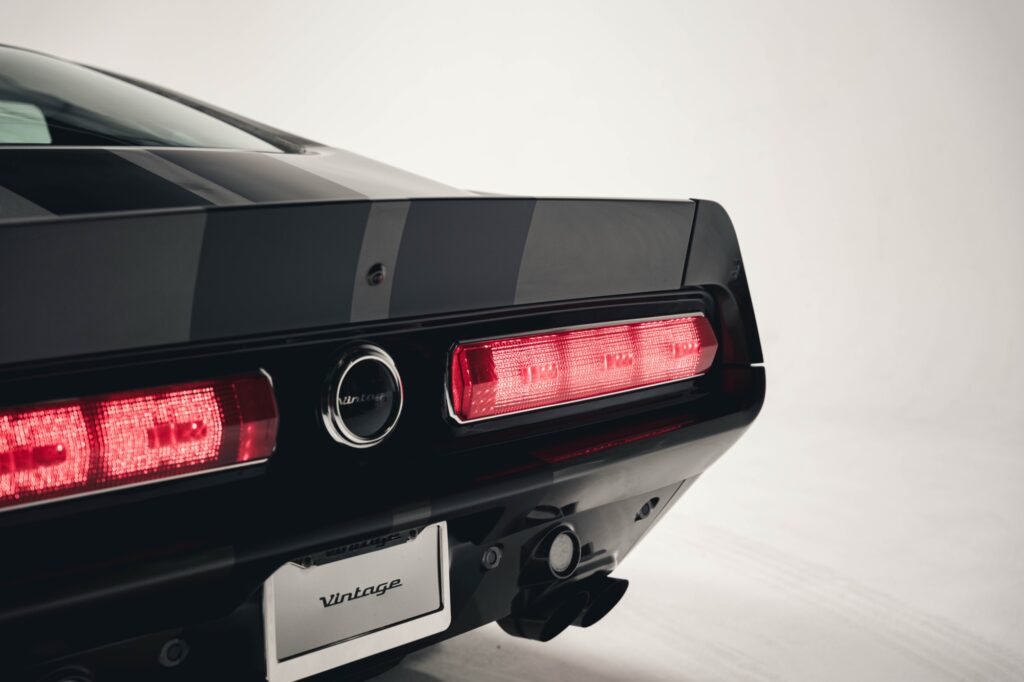
The Fastback celebrates the emotional appeal of 1960s American design without requiring its owners to accept every compromise associated with a historic automobile.
The Vintage Modern Fastback is more than a modern Mustang disguised as a classic. It is an ambitious expression of American automotive craftsmanship, where nostalgia, contemporary engineering and individual commissioning come together to create something genuinely distinctive.
In a market increasingly fascinated by the relationship between heritage and innovation, it offers a compelling reminder that automotive history can inspire new creations without being confined to the past.