
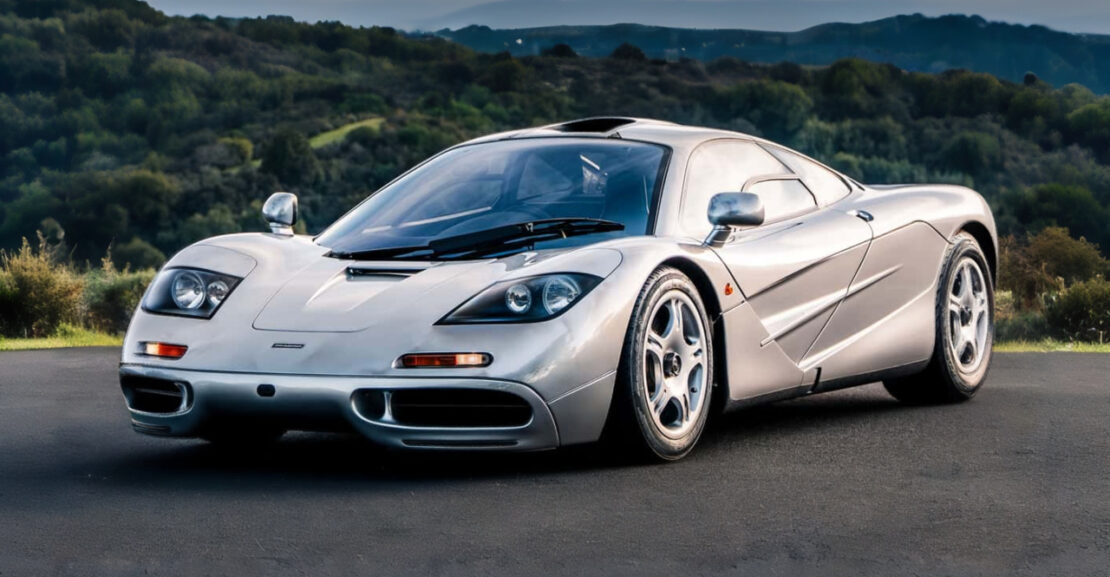
Long before hybrid systems, digital dashboards, and algorithm-driven performance, there was a car built with a singular obsession: absolute perfection.The McLaren F1 is not simply one of the greatest cars ever made — it is widely regarded as the purest expression of the automobile. A machine conceived without marketing constraints, regulation-driven compromises, or cost limitations. Only vision.
More than three decades later, no road car has truly surpassed it in philosophical purity.
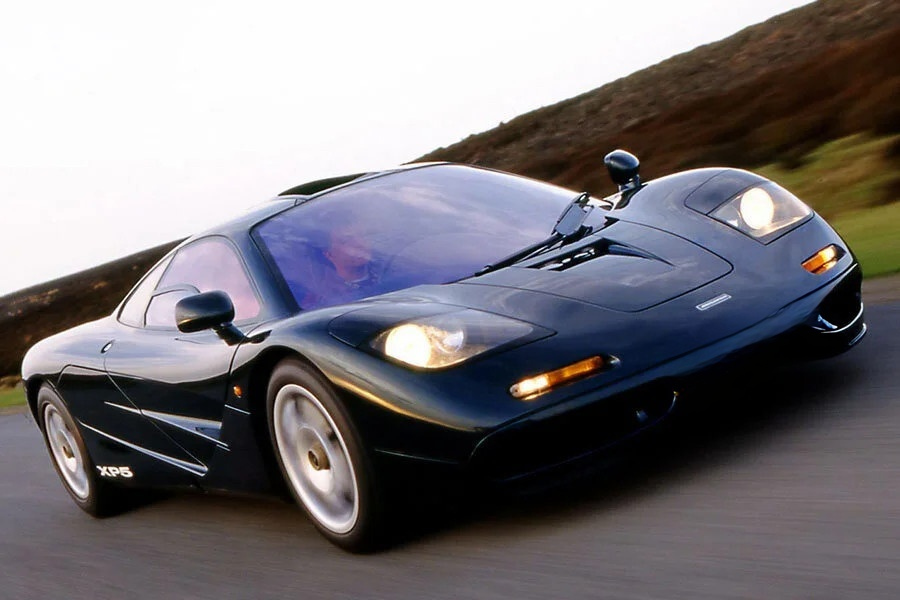
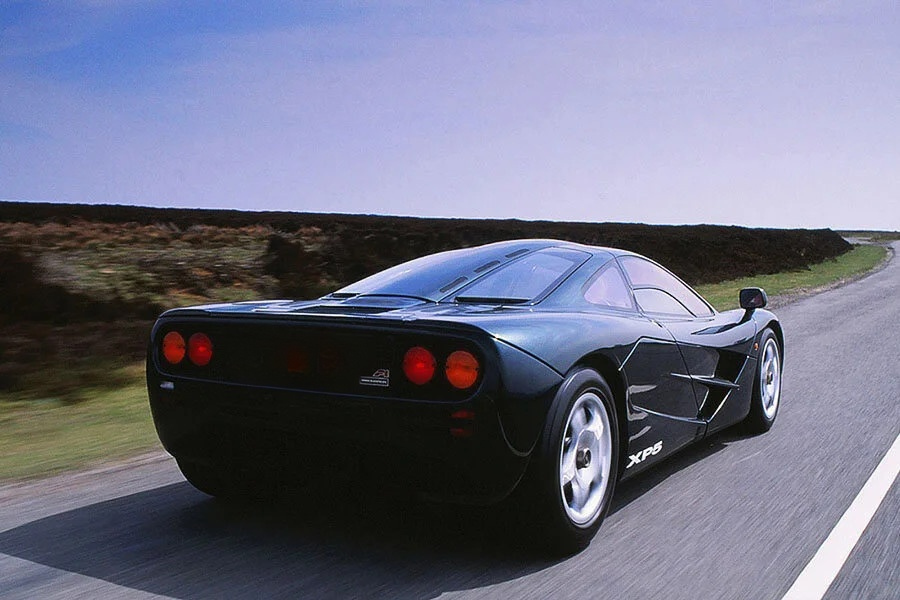
The Vision of Gordon Murray
At the heart of the McLaren F1 lies one man’s uncompromising idealism.
Gordon Murray, already legendary for his Formula 1 engineering genius, did not set out to create the fastest car in the world. His ambition was far more radical: to build the best driving road car ever conceived.
Obsession With Weight
Murray’s fixation on lightness bordered on obsession. Every component was questioned, redesigned, or removed if it did not serve a precise function.
The F1 introduced materials rarely seen in road cars at the time:
- Carbon-fiber monocoque chassis
- Titanium fasteners
- Magnesium components
- Minimal sound insulation
- Ultra-thin glass
The result was a curb weight of just 1,138 kg (2,509 lbs) — a figure that remains astonishing even by modern hypercar standards.
The Central Driving Position
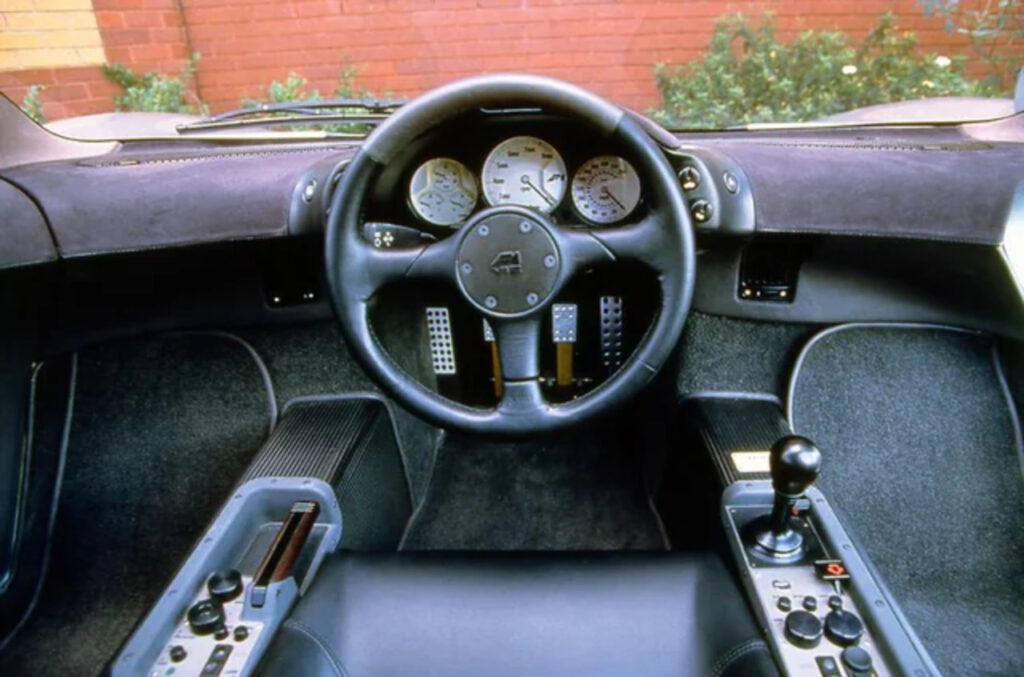
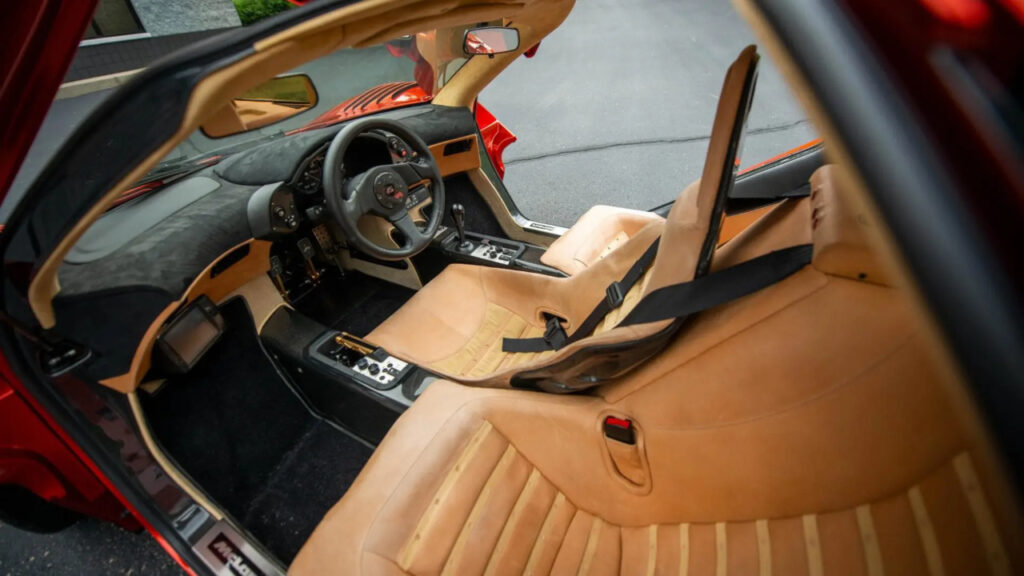
Perhaps the most iconic design decision was the central driver’s seat, flanked by two slightly rear-set passenger seats.
This configuration delivered:
- Perfect weight distribution
- Unmatched forward visibility
- A symmetrical, race-inspired driving experience
It was Formula 1 thinking applied unapologetically to a road car — and a layout no manufacturer has since dared to replicate at scale.
Formula 1 Engineering for the Road
Every lesson Murray learned in motorsport found its way into the F1, from chassis rigidity to pedal placement. Comfort was never the primary goal — it emerged naturally from engineering excellence.
Gordon Murray S1 LM: Heritage Reborn
Engineering Without Compromise
The McLaren F1’s technical choices remain almost mythical in today’s era of cost optimization and platform sharing.
The BMW V12 Heart
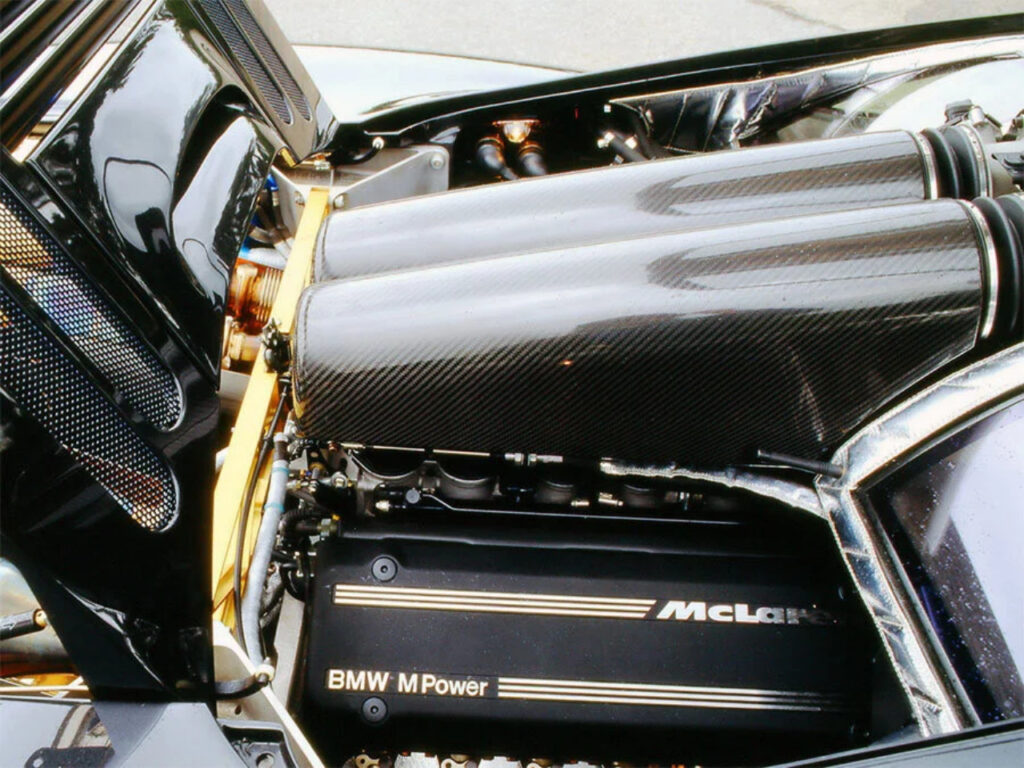
Power came from a bespoke 6.1-liter naturally aspirated V12, developed exclusively by BMW Motorsport.
- Power output: 627 hp
- Torque: 650 Nm
- Redline: 7,500 rpm
Crucially, Murray rejected turbocharging. The engine was tuned for immediacy, linear response, and sound — not marketing figures.
Gold in the Engine Bay
One of the F1’s most famous details is the extensive use of 24-karat gold foil lining the engine compartment.
This was not an indulgence, but a thermal solution. Gold’s exceptional heat reflectivity allowed the high-revving V12 to remain stable within the tightly packaged carbon structure.
Few cars in history have used precious metals so functionally — a perfect embodiment of the F1’s “no compromise” ethos.
Passive Aerodynamics
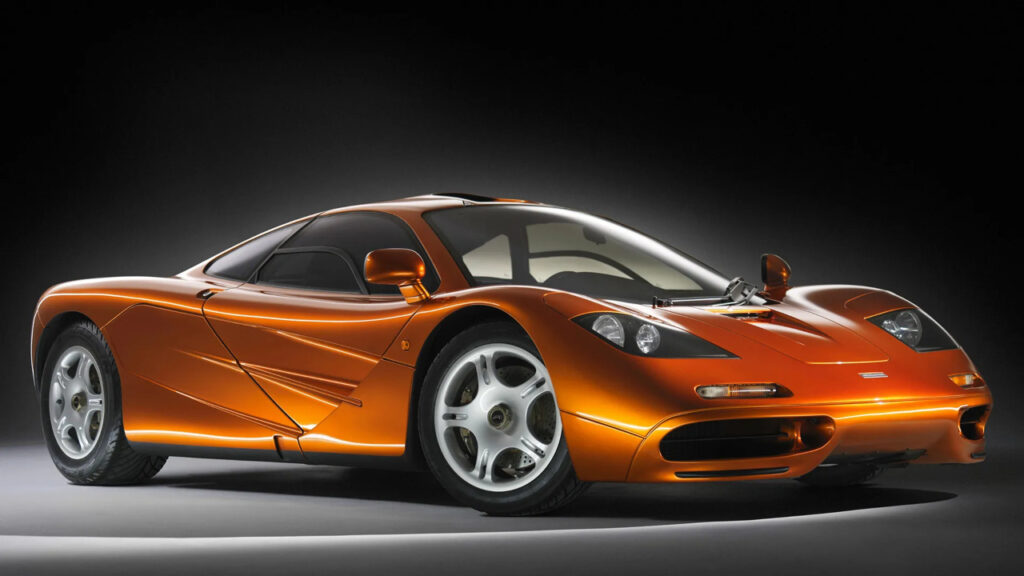
Unlike modern hypercars filled with active wings and electronic intervention, the McLaren F1 relied primarily on passive aerodynamics.
A discreet rear-mounted fan enhanced underbody airflow at speed, increasing stability without drag-inducing aero appendages. Elegant. Invisible. Effective.
Hidden Details & Fascinating Curiosities
Beyond its performance figures, the McLaren F1 is defined by obsessive attention to detail and unconventional solutions.
Unexpected Tail Light Origins
In one of the most surprising anecdotes in hypercar history, the F1’s rear lights were sourced from existing commercial vehicle components.
Gordon Murray prioritized proven reliability over bespoke prestige — a decision that only adds to the car’s mystique today.
Bespoke Luggage — Engineered Luxury
Each McLaren F1 was delivered with a custom luggage set designed to fit perfectly within its unique storage compartments.
Crafted from the same premium leathers as the interior, even practicality was treated as a design discipline.
Production and Rarity
The McLaren F1 was never intended for volume production.
Production Breakdown
- Total units built: 106
- Road cars
- F1 GTR (race versions)
- F1 LM (homologation-inspired road cars)
Every car was hand-assembled, and each buyer personally vetted — exclusivity in its purest form.

LM, GTR & Ultra-Rare Variants
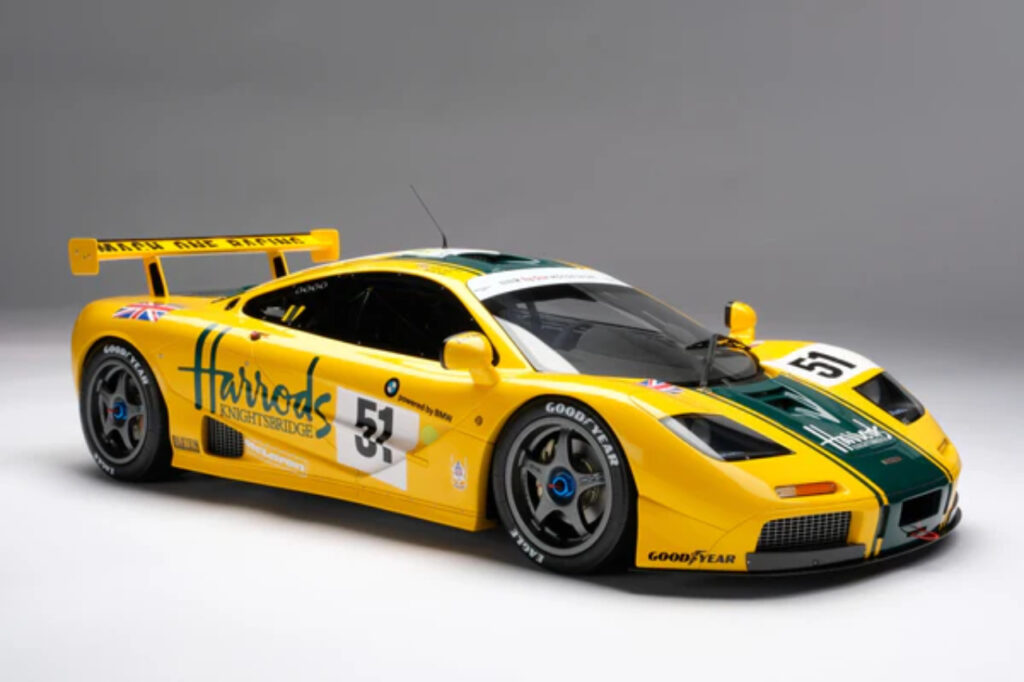
The F1 LM, created to celebrate McLaren’s 1995 Le Mans victory, featured:
- Increased power
- Reduced weight
- Papaya Orange livery
- Track-oriented aerodynamics
Only five examples were produced, making it one of the rarest hypercars ever built.
Performance Legacy
In 1998, the McLaren F1 achieved what many believed impossible.
The World’s Fastest Road Car
- Top speed: 386.4 km/h (240.1 mph)
- Naturally aspirated
- Manual gearbox
- No electronic driving aids
This record was achieved in a purely analog era — without traction control, stability systems, or digital safety nets.
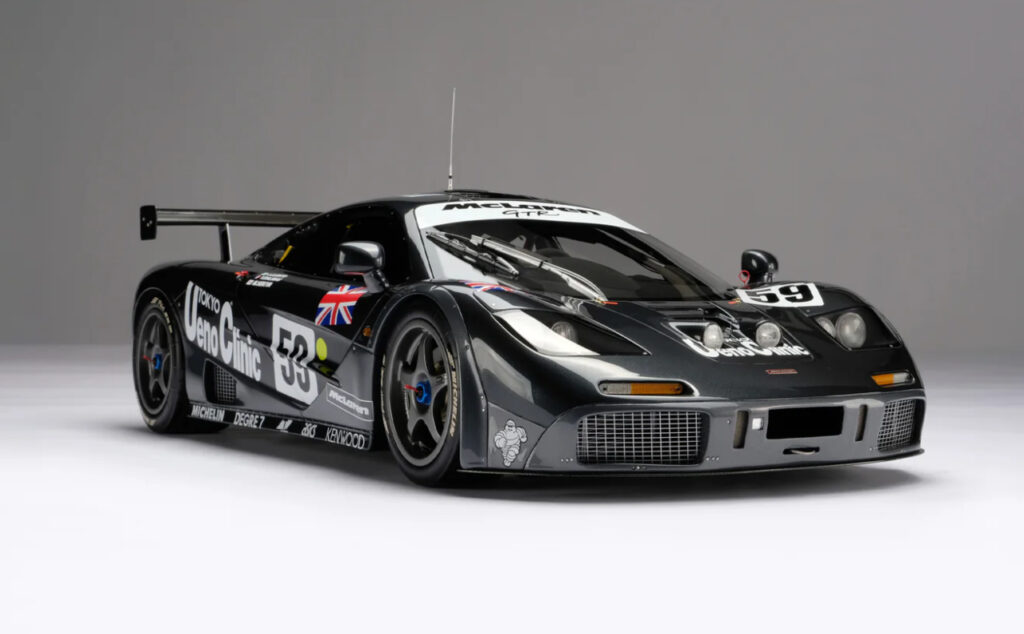
Le Mans Glory
In one of motorsport’s greatest upsets, the F1 GTR won the 24 Hours of Le Mans in 1995, defeating purpose-built race cars and cementing its place in racing history.
Collector Market & Valuation
Today, the McLaren F1 occupies a near-mythical position in the collector market.
- Early 2000s: under $1 million
- 2010s: surpassed $10 million
- Recent sales: $20–25+ million
- F1 LM examples: significantly higher
It is widely regarded as one of the most important automotive assets ever created.
Celebrity Owners & Cultural Prestige
Ownership of a McLaren F1 is less about transport and more about custodianship.
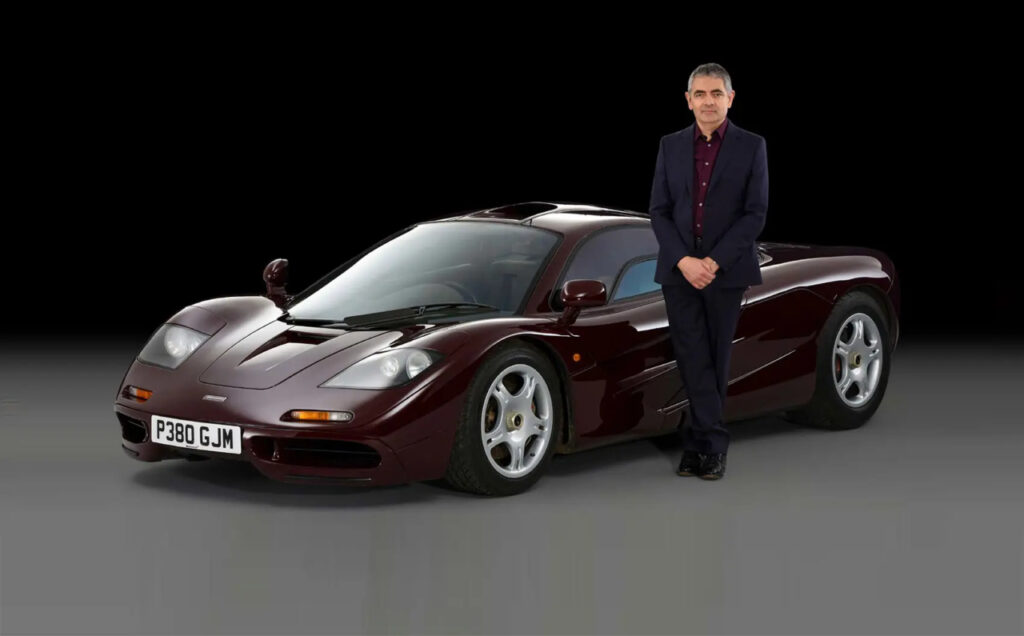
Rowan Atkinson
Perhaps the most famous owner, Atkinson used his F1 extensively — even daily driving it. After two accidents, including one major crash, the car was meticulously restored and later sold for a record sum.
Elon Musk
During his early PayPal years, Musk owned an F1 and famously crashed it while demonstrating its acceleration — a moment now part of Silicon Valley lore.
Lewis Hamilton
The Formula 1 World Champion has also been associated with McLaren F1 ownership, a testament to the car’s enduring appeal among elite drivers.
Lanzante 95 59: A Modern Tribute to the Legendary McLaren F1 GTR
Why the McLaren F1 Remains Untouchable
The McLaren F1 remains untouchable not because of speed alone — but because of what it represents:
- Absolute analog purity
- Engineering without committees
- No compromises for marketing or regulation
- A concept impossible to replicate today
Modern hypercars may surpass it on paper, but none have matched its clarity of purpose.
The McLaren F1 is not a product of its time.
It is a benchmark beyond time.
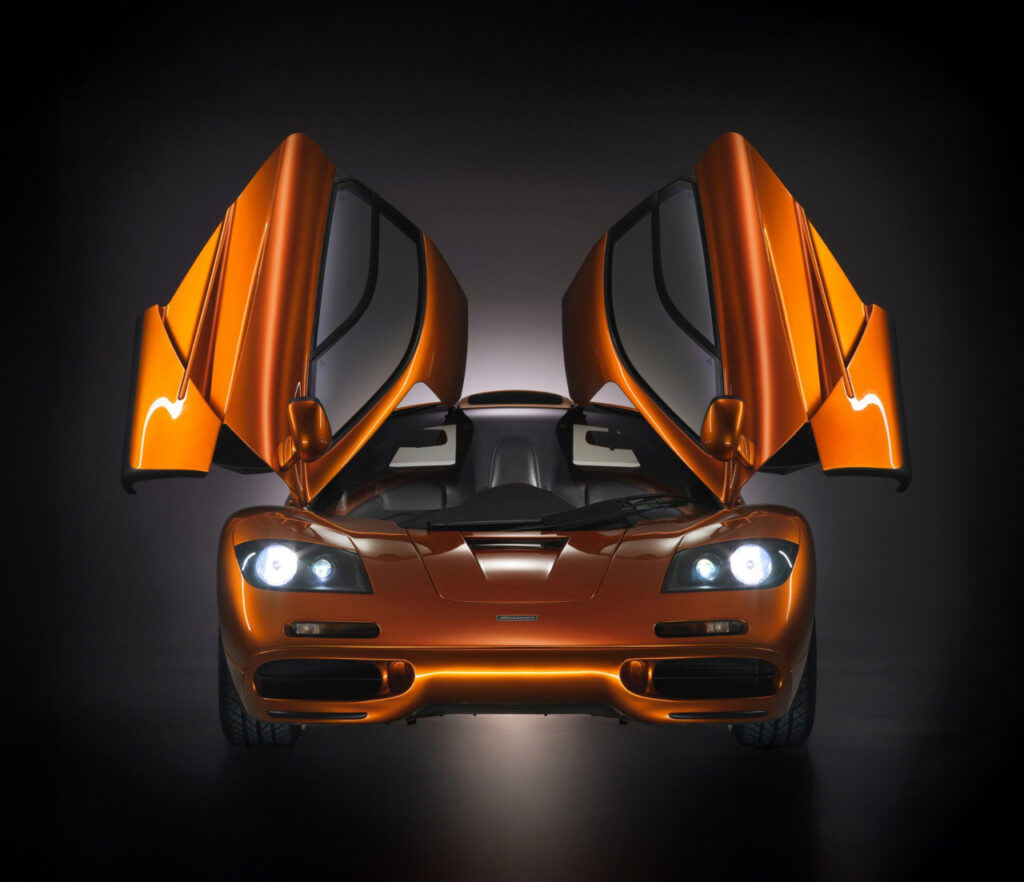
The Enduring Legacy of an Automotive Masterpiece
If hypercars are the crown jewels of the automotive world, the McLaren F1 is the crown itself.
It represents a moment when ambition was unchecked, when engineering answered only to excellence, and when the automobile reached a form of mechanical perfection that may never be repeated.
For collectors, historians, and purists alike, the McLaren F1 is not just the greatest hypercar ever built.
It is the greatest car ever built.