
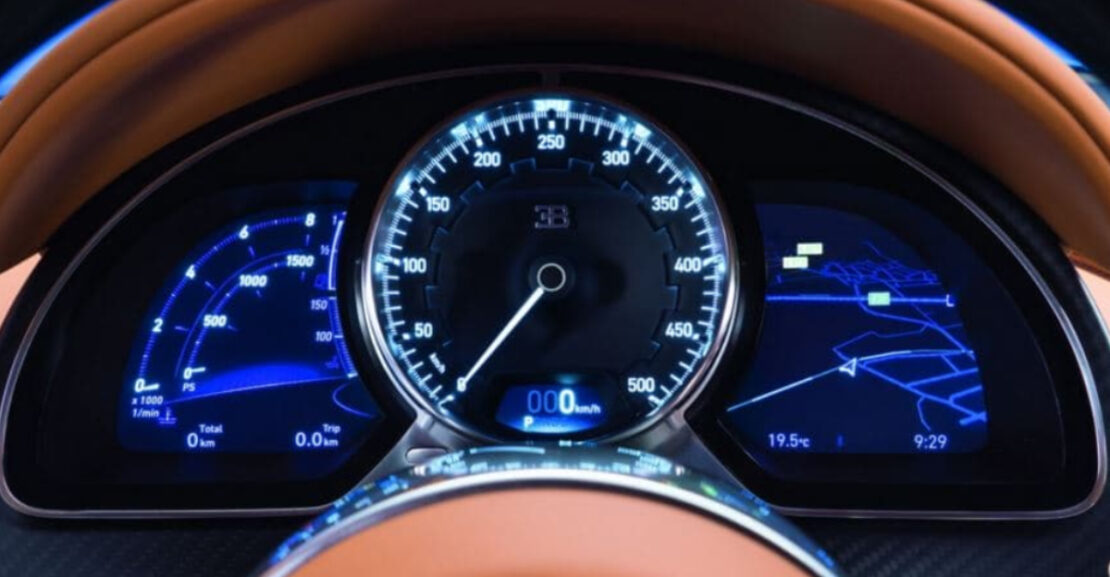
Speed has always been at the heart of automotive innovation — but in the realm of luxury hypercars, it becomes something far more profound. It is no longer just about going faster; it is about pushing engineering, aerodynamics, and technology beyond the known limits of physics.
From machines capable of approaching 500 km/h to legendary icons that defined entire generations, this editorial journey explores the fastest cars in the world through the lens of evolution — record breakers, technological revolutions, and the timeless legends that built the mythology of extreme speed.
The Race Toward 500 km/h
Breaking the 500 km/h barrier has become the new holy grail of automotive engineering. Some manufacturers have already recorded historic verified speeds, while others have engineered mechanical missiles designed specifically to conquer that frontier.
Verified Production Speed Record Holders
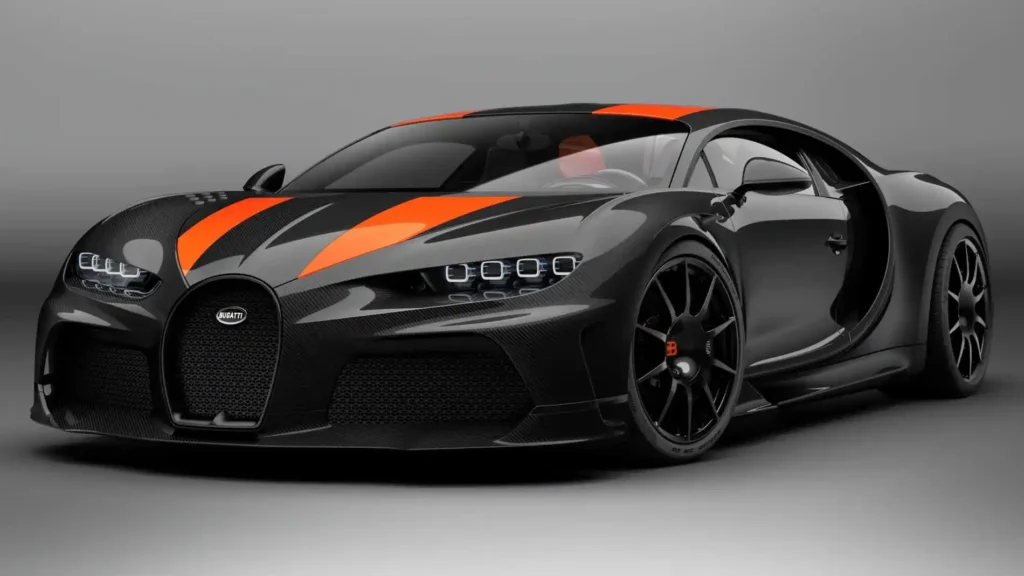
Powered by its extraordinary 8.0-liter quad-turbocharged W16 engine producing 1,600 horsepower, the Bugatti Chiron Super Sport 300+ achieved a verified top speed of 490 km/h, becoming the first production car to break the 300-mph barrier. Its elongated “longtail” bodywork was aerodynamically optimized to maintain stability at speeds previously considered unattainable for road cars.
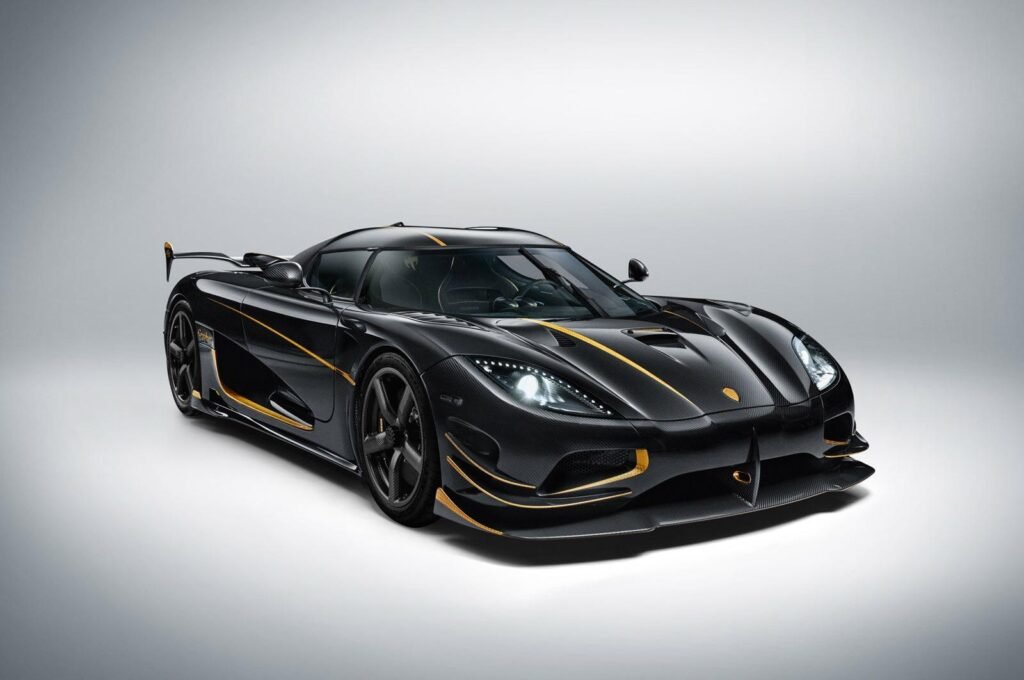
The Koenigsegg Agera RS, equipped with a twin-turbo 5.0-liter V8 producing up to 1,360 horsepower, recorded 447 km/h on a closed public highway in Nevada — a record that stood as the world benchmark for years.
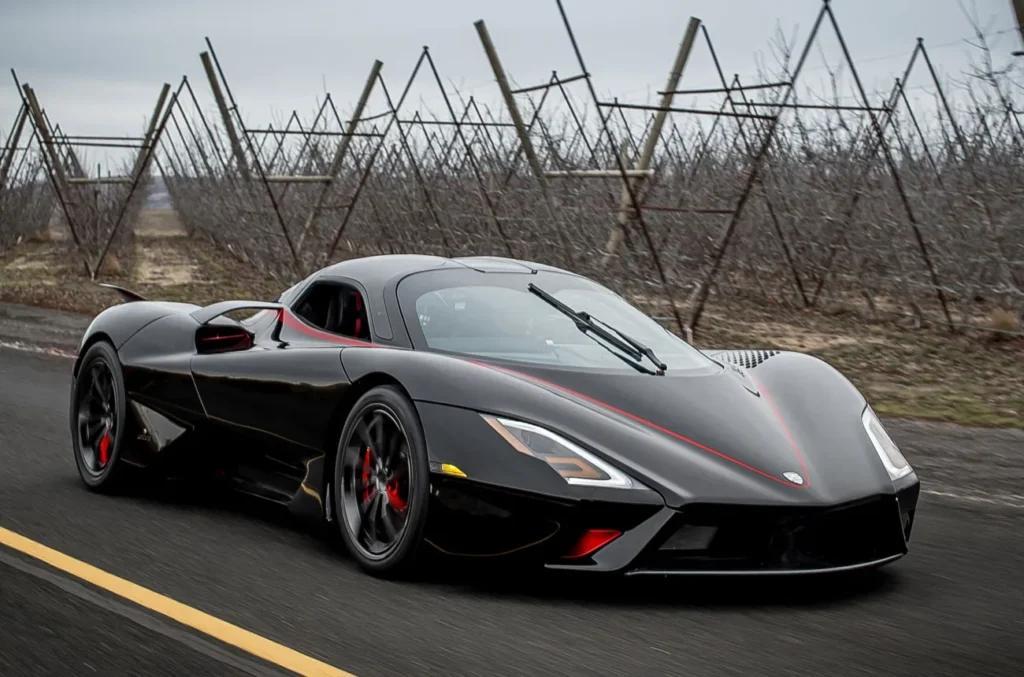
Meanwhile, the SSC Tuatara, powered by a 1,750-hp twin-turbo V8 and shaped by one of the lowest drag coefficients ever achieved in a hypercar, has completed multiple validated high-speed runs placing it firmly among the fastest machines ever built.
Projected Contenders for 500 km/h
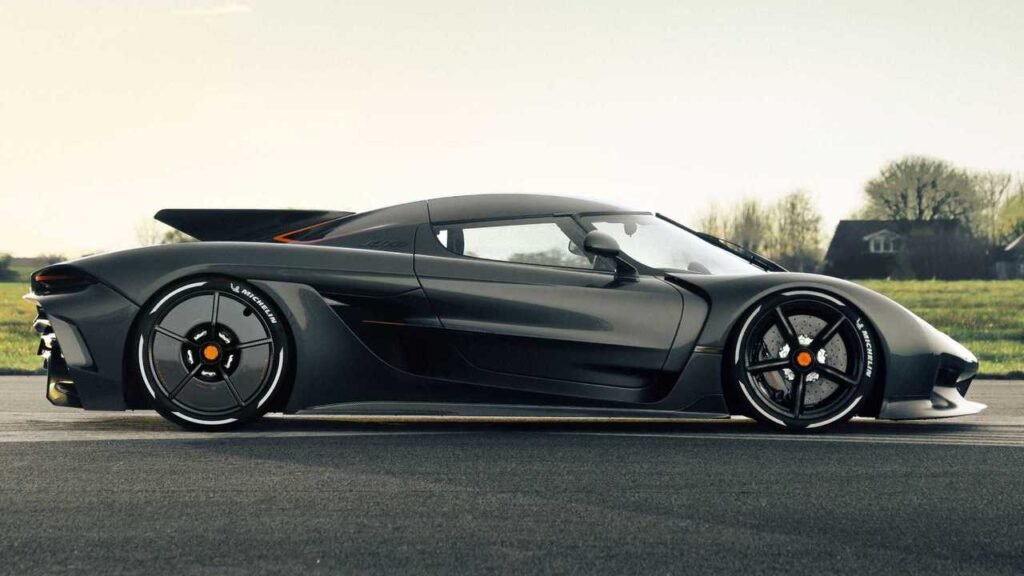
Obsessively engineered for top-speed supremacy, the Koenigsegg Jesko Absolut abandons traditional wings in favor of a low-drag aerodynamic silhouette. Its twin-turbo V8, producing up to 1,600 horsepower, has been theoretically projected to exceed 530 km/h under ideal conditions.
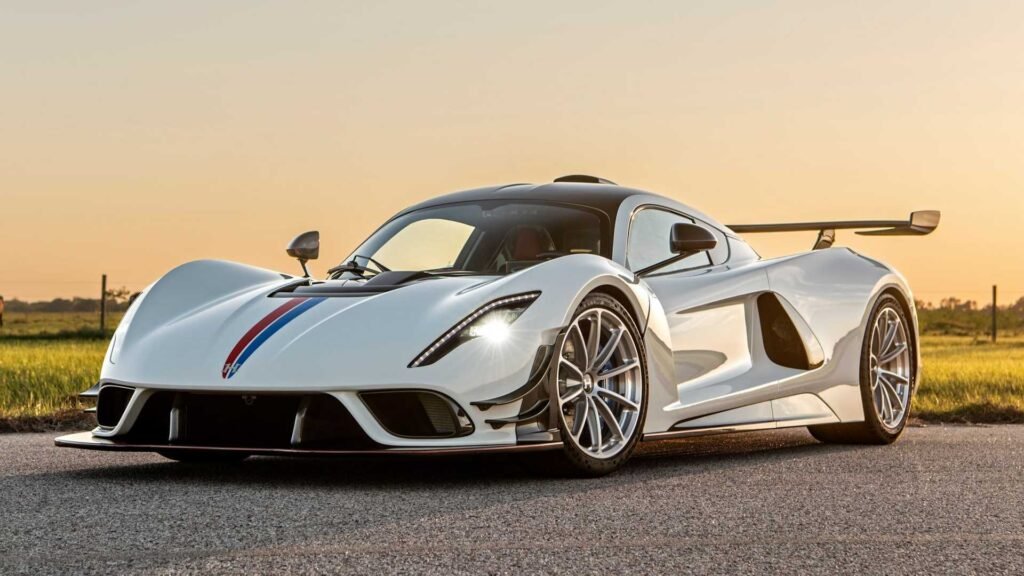
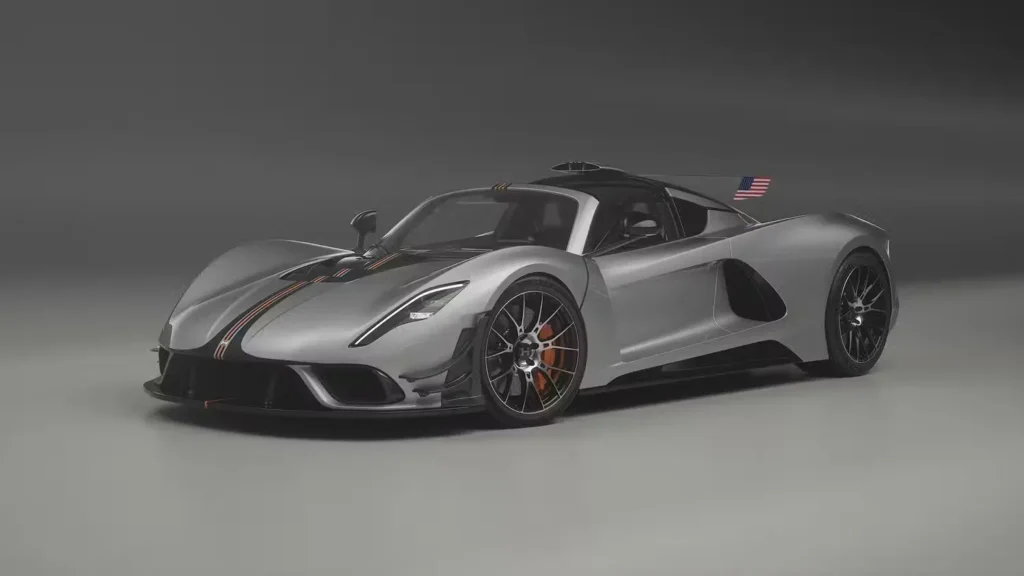
The Hennessey Venom F5, named after the most powerful tornado classification on the Fujita scale, is powered by the 1,817-hp “Fury” twin-turbo V8. It has been developed with one clear mission: surpass 300 mph and push toward the 500 km/h frontier.
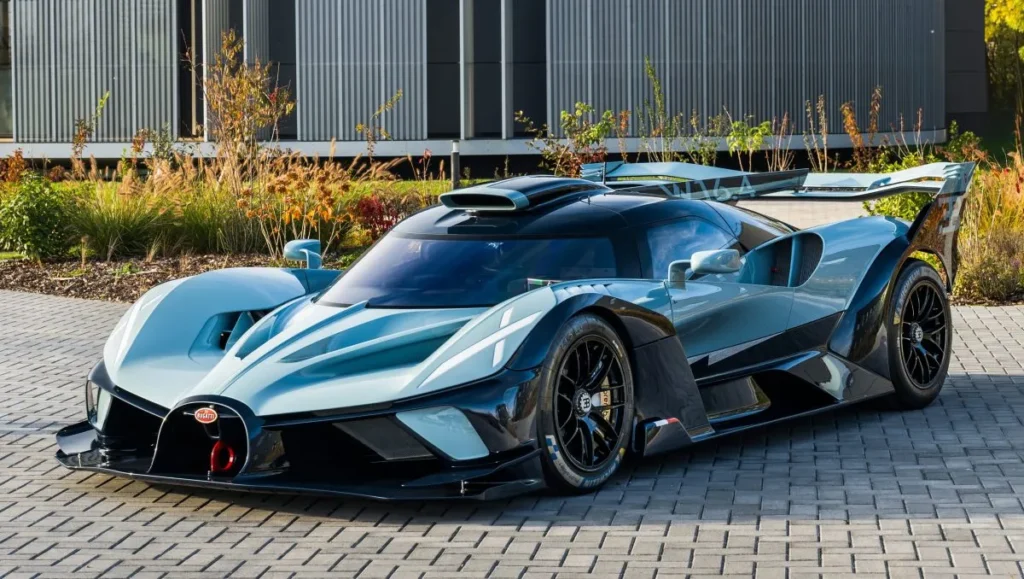
Even more radical is the Bugatti Bolide, a track-focused engineering laboratory whose 1,850-hp W16 platform has been designed to explore theoretical speeds near the 500 km/h threshold.
The Electric and Hybrid Speed Revolution
Electrification has not reduced speed — it has amplified it.
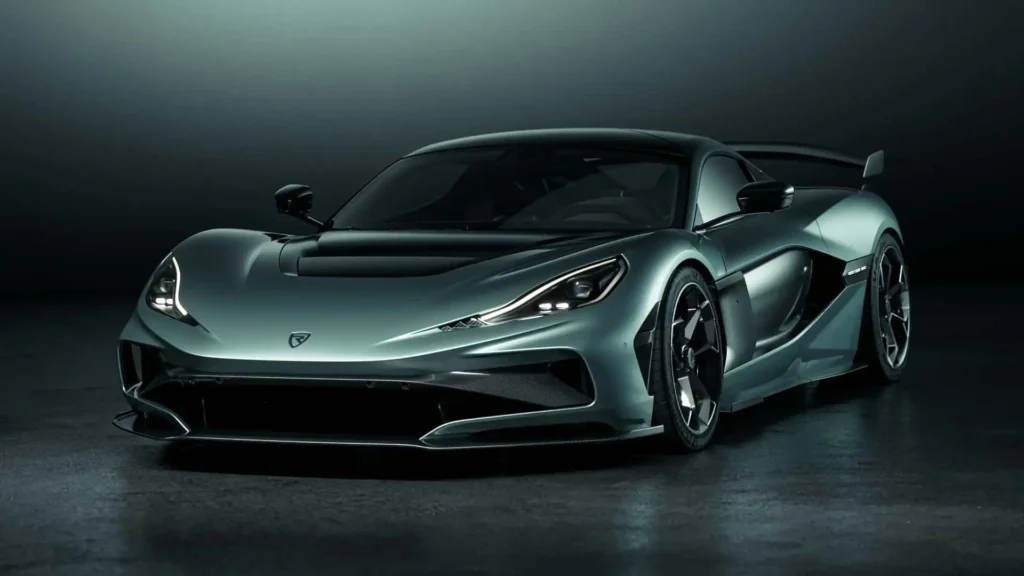
The Rimac Nevera, powered by four independent electric motors generating 1,914 horsepower, reaches 412 km/h while delivering acceleration figures that redefine automotive physics.
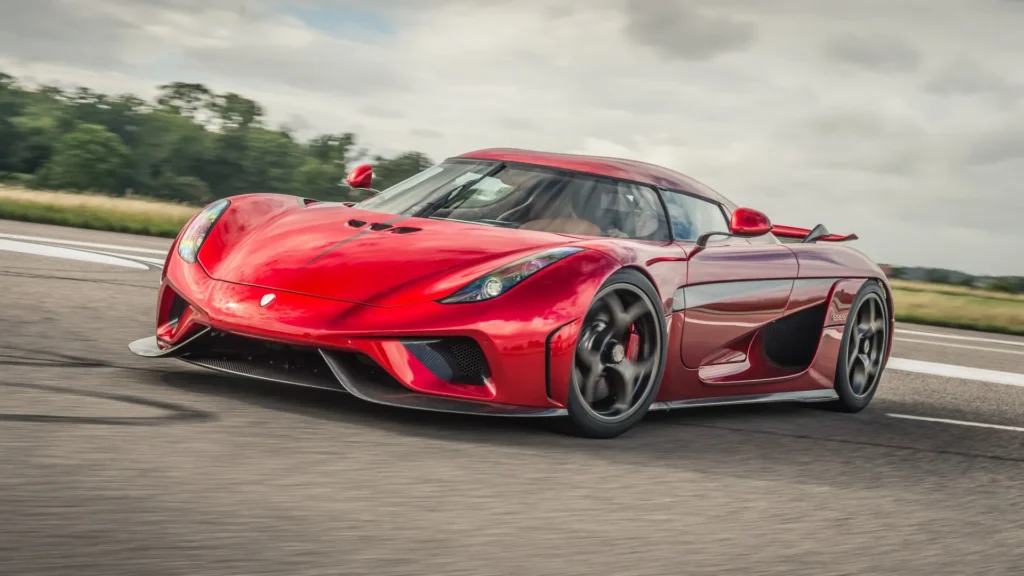
The Koenigsegg Regera combines a twin-turbo V8 with electric propulsion to produce over 1,500 horsepower, using a direct-drive system that eliminates the need for a traditional gearbox while exceeding 400 km/h.
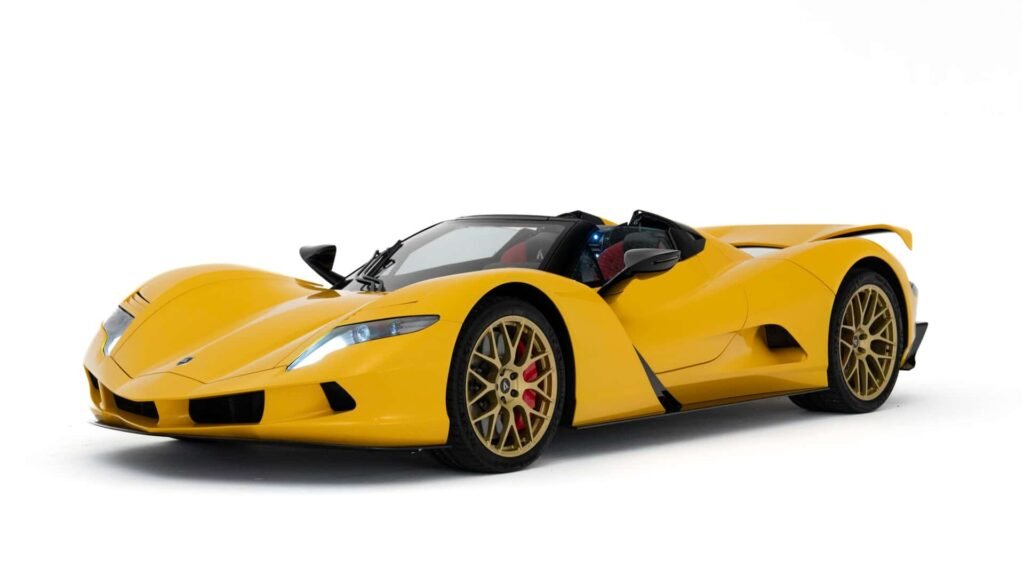
Aspark Owl focuses obsessively on acceleration, yet still achieves top speeds beyond 400 km/h through its ultra-light electric architecture.
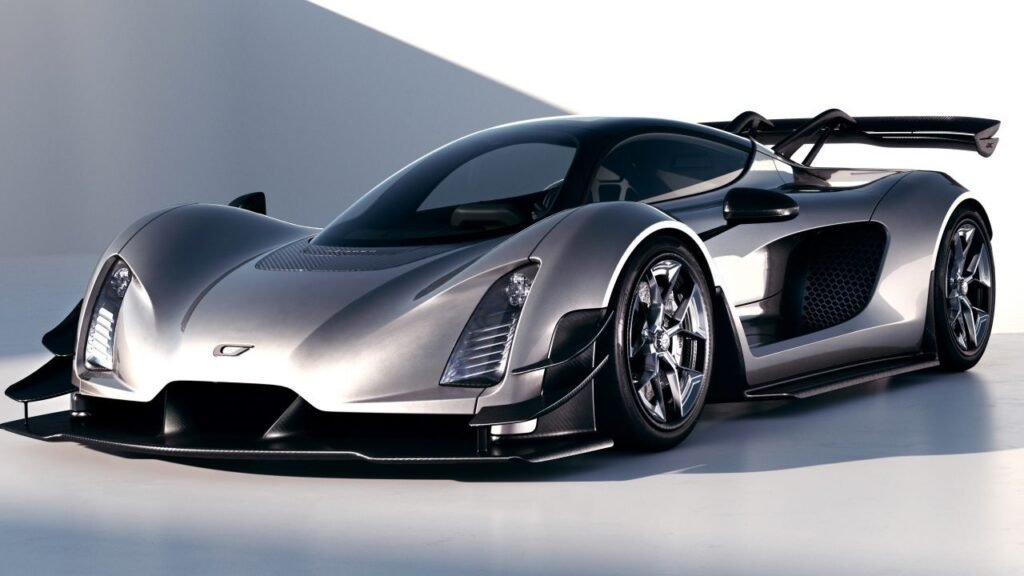
The Czinger 21C, built using aerospace materials and 3D-printed structural components, represents a new frontier in hypercar manufacturing.
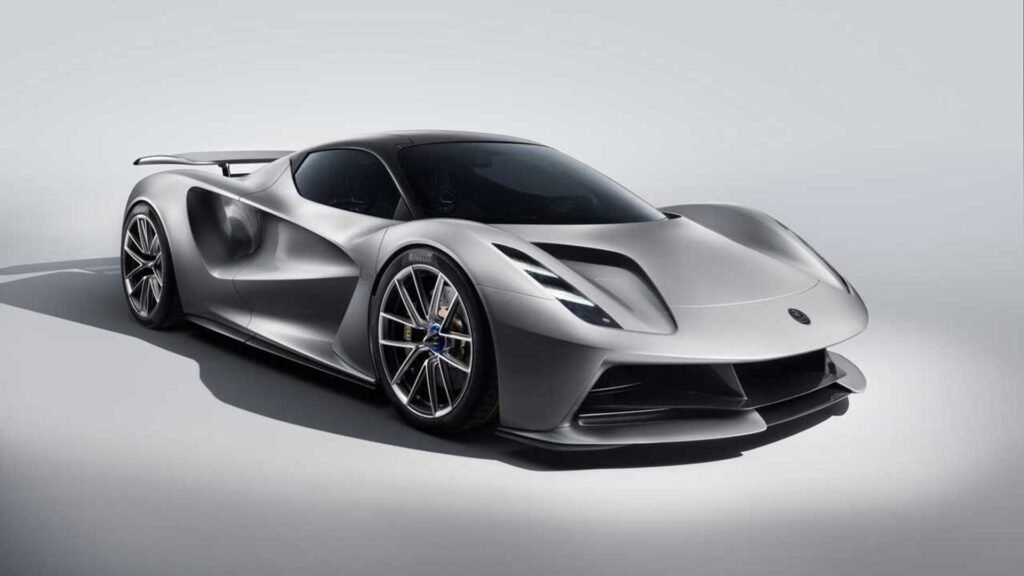
Completing the group, the Lotus Evija channels British engineering into a 2,000-hp electric hypercar capable of extreme high-speed performance.
The Holy Trinity of Hybrid Hypercars
The turning point that reshaped the modern supercar forever.
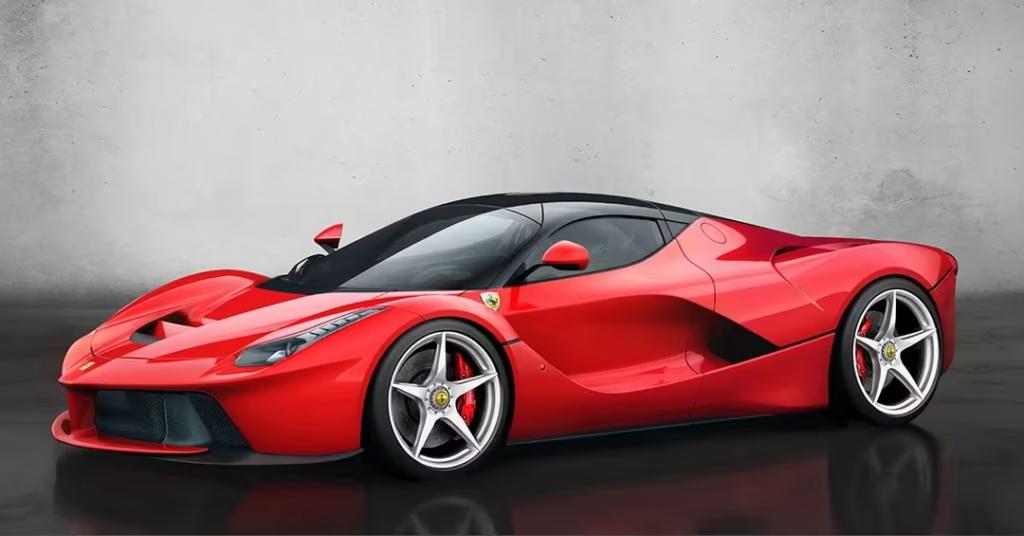
Ferrari’s answer, the LaFerrari, combined a naturally aspirated V12 with hybrid assistance to produce 963 horsepower, reaching similar top-speed territory while redefining Maranello’s technological direction.
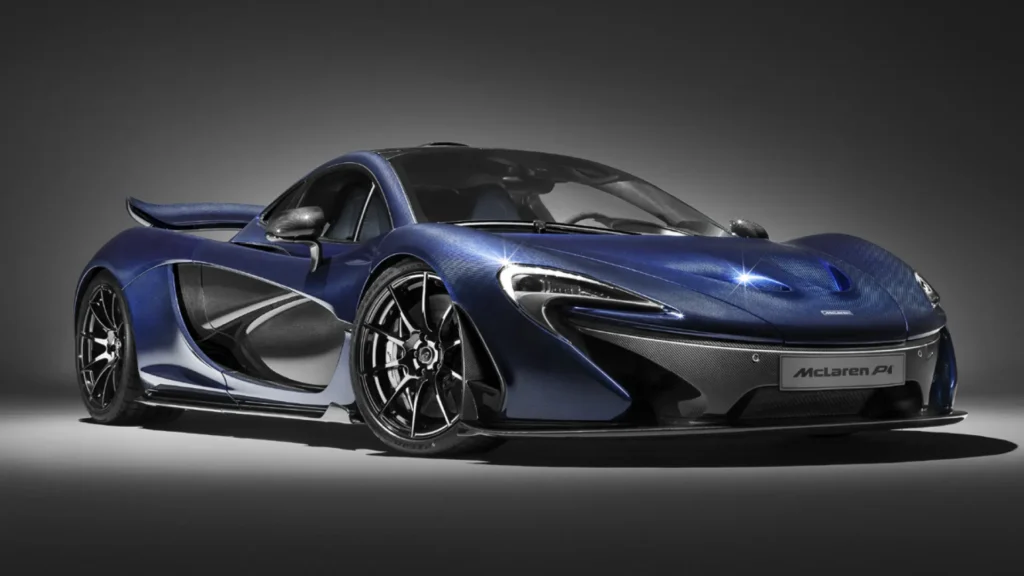
The McLaren P1, pairing a twin-turbo V8 with electric boost, delivered Formula 1-derived hybrid performance with a top speed approaching 350 km/h.
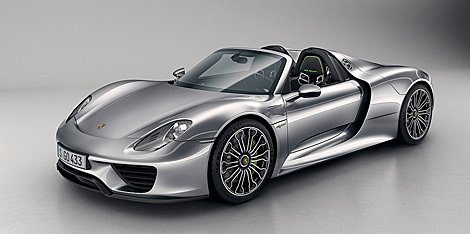
The Porsche 918 Spyder, a plug-in hybrid hypercar, balanced efficiency and performance with a top speed near 345 km/h — proving electrification could coexist with extreme driving dynamics.
Together, they inaugurated the hybrid hypercar era.
The New Generation of Extreme Hypercars
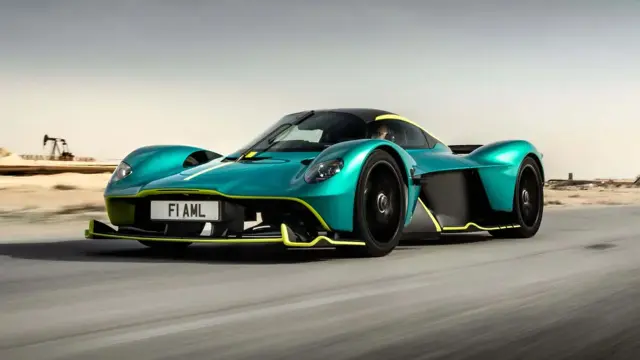
The Aston Martin Valkyrie, developed alongside Red Bull Racing, integrates Formula 1 technology into a road-legal machine capable of approaching 400 km/h.
The futuristic McLaren Speedtail, producing over 1,000 hybrid horsepower, surpasses 400 km/h thanks to its teardrop aerodynamic form.
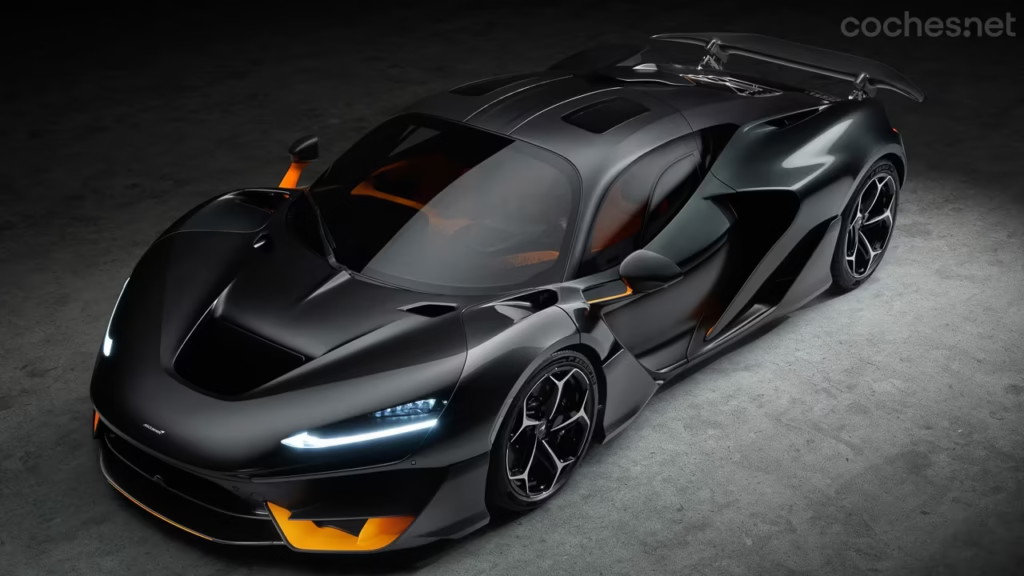
The upcoming McLaren W1, spiritual successor to the P1, is set to push hybrid hypercar engineering even further, with early projections suggesting a top speed expected to exceed 350 km/h (217+ mph) as McLaren redefines the limits of next-generation performance.
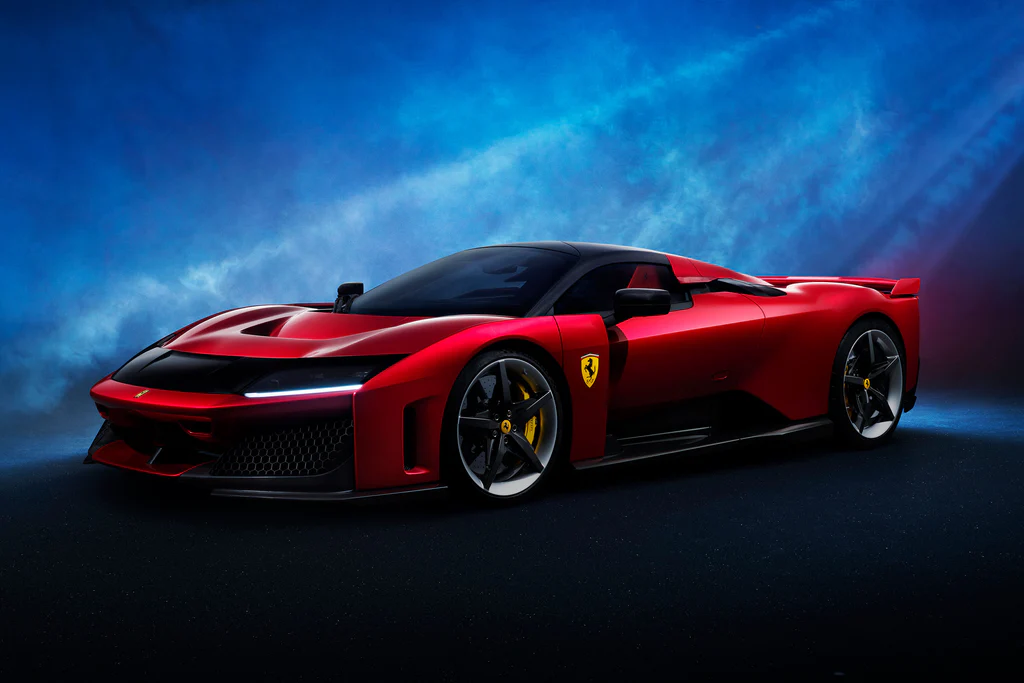
Meanwhile, Ferrari’s anticipated F80 represents the next evolution of Maranello’s extreme performance philosophy, with early engineering projections pointing toward a top speed expected to surpass 350 km/h (217+ mph) as the brand prepares to redefine the boundaries of hybrid hypercar performance.
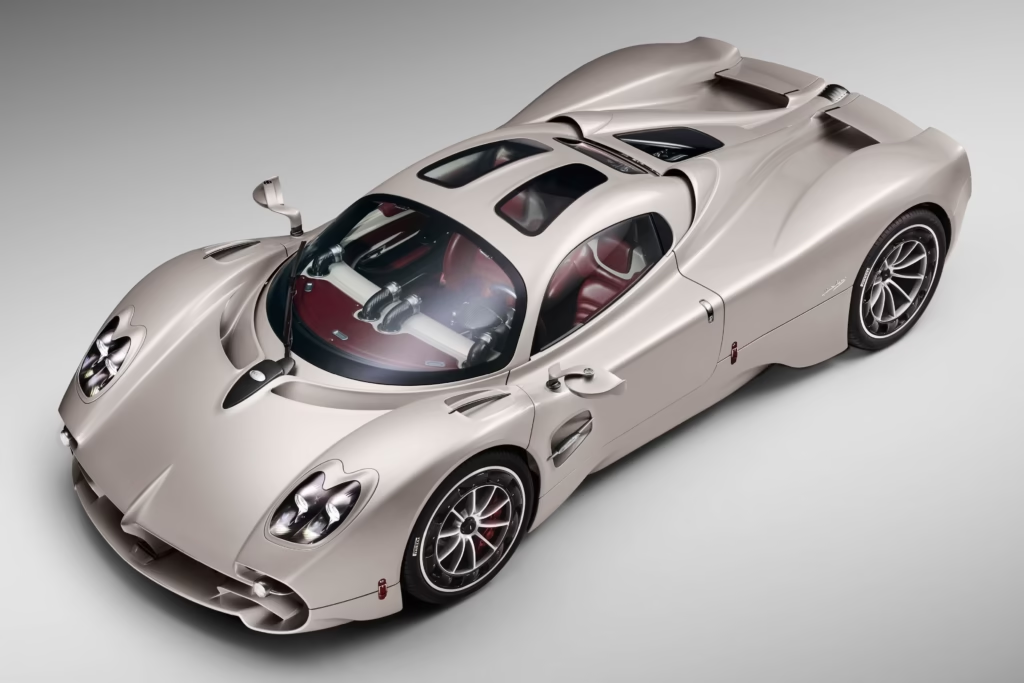
The Pagani Utopia embodies the brand’s purist philosophy in the modern hypercar era, pairing handcrafted artistry with a twin-turbocharged V12 developed by AMG. Despite its analog driving focus, it delivers formidable performance, reaching a top speed of approximately 350 km/h (217 mph) while preserving Pagani’s signature balance between mechanical emotion and engineering excellence.
Historical Speed Record Dominators
Before the 450-km/h era, these pioneers shattered psychological barriers.
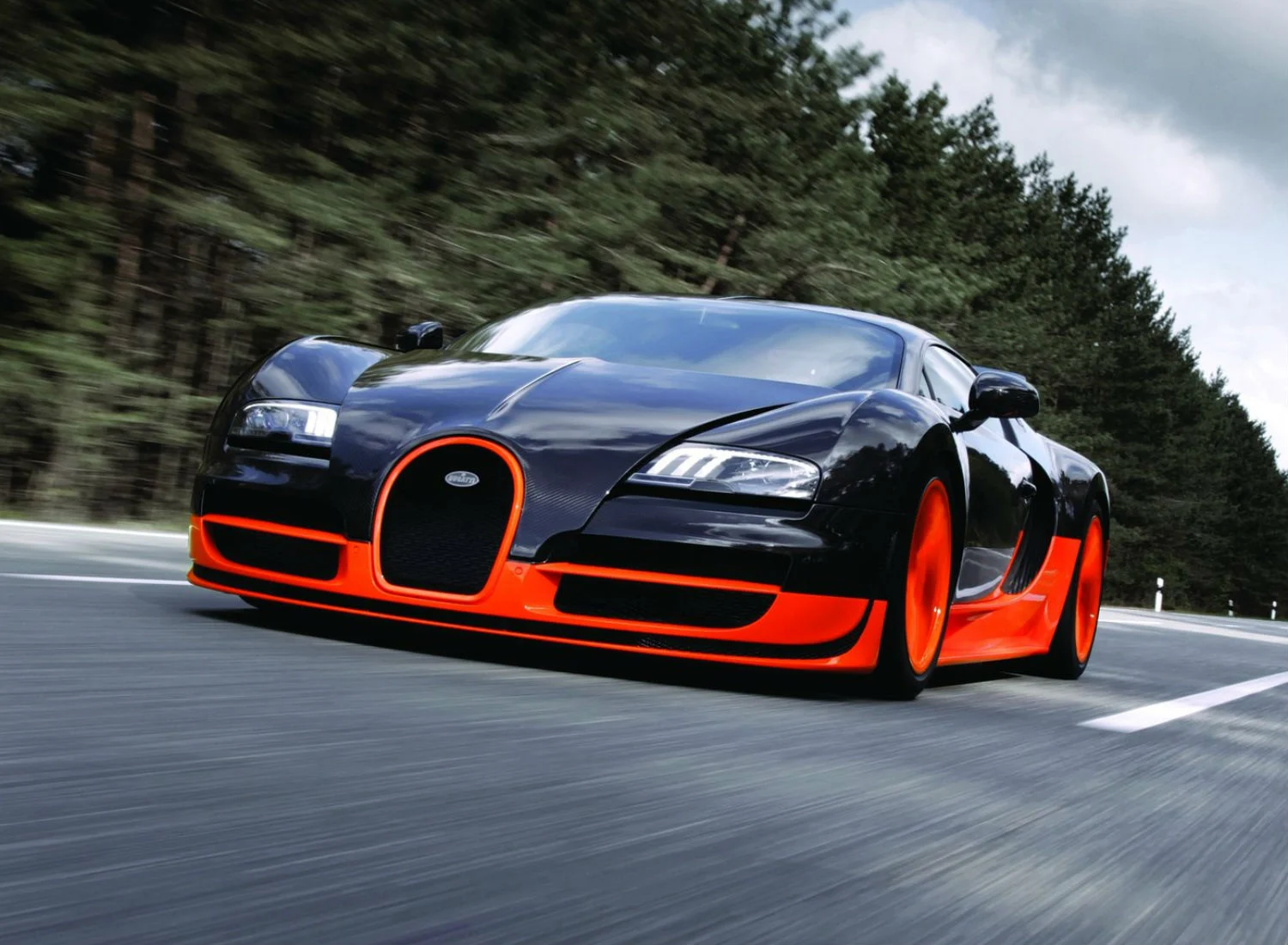
The Bugatti Veyron Super Sport, powered by its quad-turbo W16 producing 1,200 horsepower, became the first production car to exceed 400 km/h — a defining milestone in automotive history.
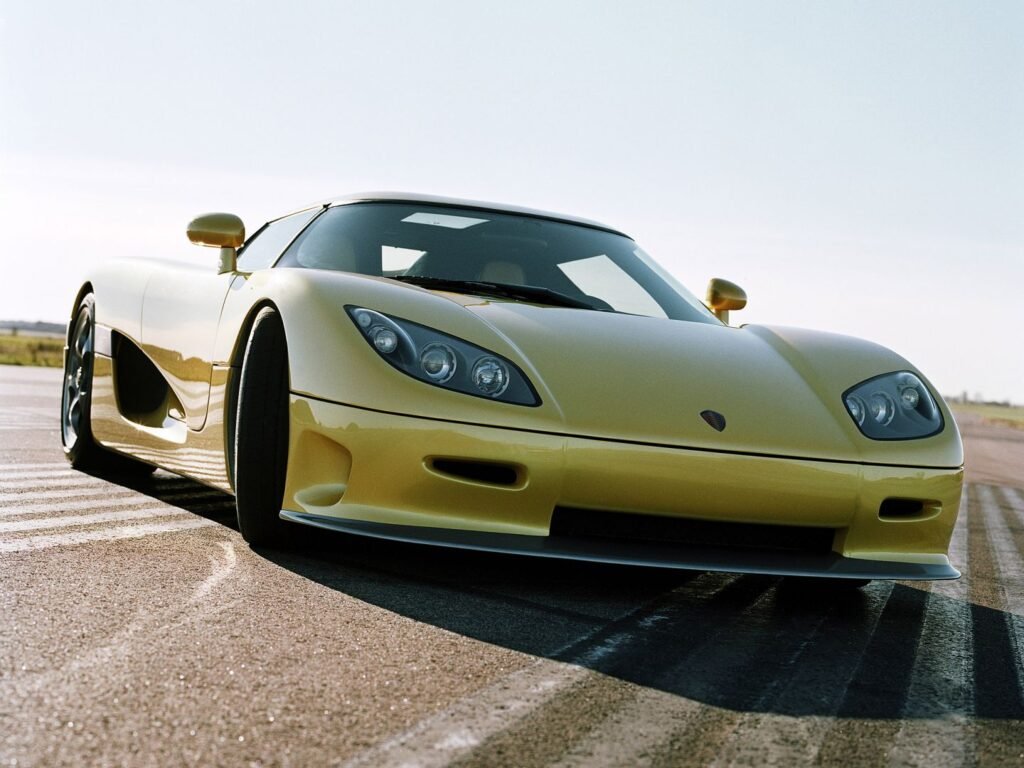
Koenigsegg CCR dethroned McLaren’s long-standing record in the early 2000s, reaching a verified top speed of 388 km/h (241 mph) — a landmark achievement that positioned the Swedish manufacturer at the forefront of the global speed hierarchy at the time..
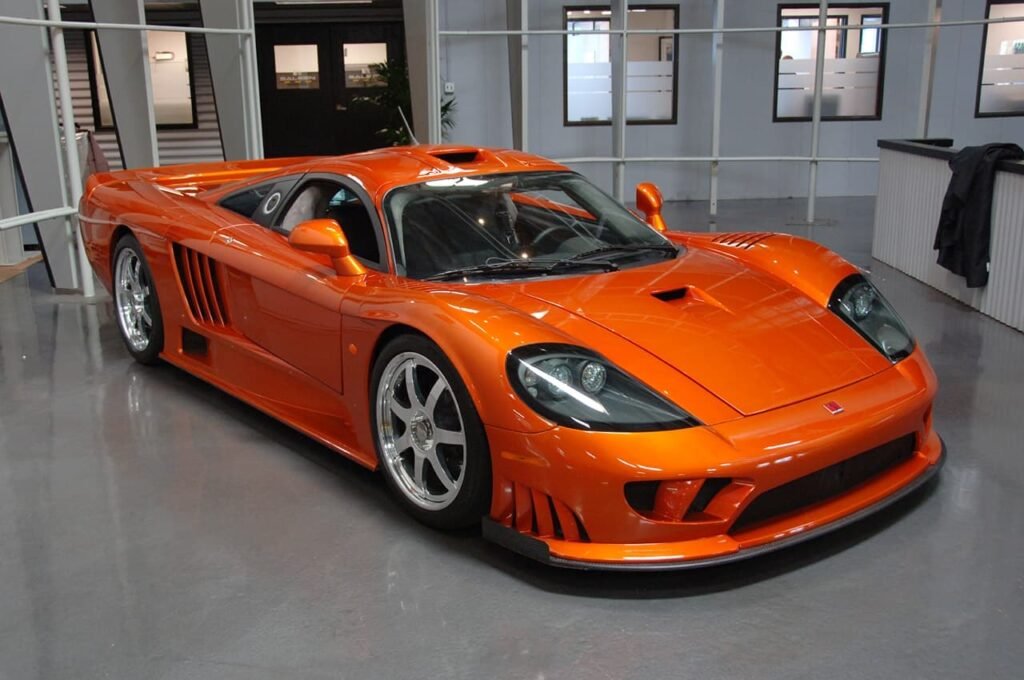
America’s Saleen S7 Twin Turbo pushed performance boundaries toward the 400 km/h frontier, its twin-turbocharged V8 delivering extreme power in a purpose-built carbon-fiber chassis. Capable of reaching approximately 399 km/h (248 mph), it stood as a bold statement that American engineering could rival Europe’s fastest hypercars.
Vintage Legends That Built the Myth of Speed
The foundations upon which modern hypercars stand.
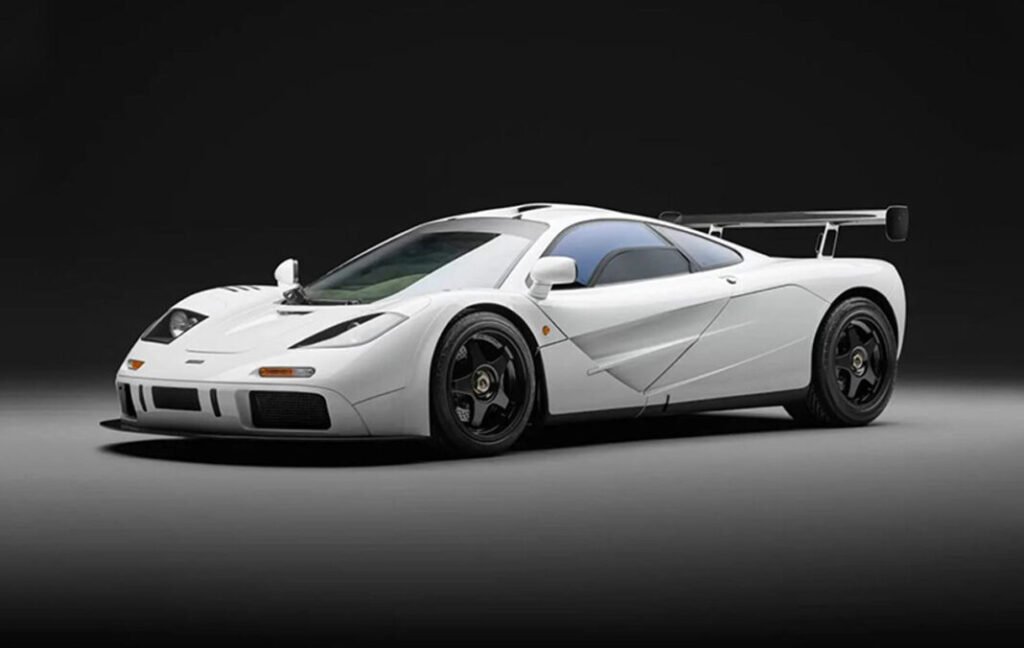
The McLaren F1, powered by a BMW-sourced naturally aspirated V12, redefined what a road car could achieve in the 1990s. Capable of reaching 386 km/h (240 mph), it remained the world’s fastest production car for years, cementing its status as one of the most iconic engineering achievements in automotive history.
The Ferrari F40, the last model personally approved by Enzo Ferrari, embodied raw, unfiltered performance through its twin-turbocharged V8 and ultra-lightweight construction. Capable of reaching 324 km/h (201 mph), it became one of the most visceral and uncompromising supercars ever built.

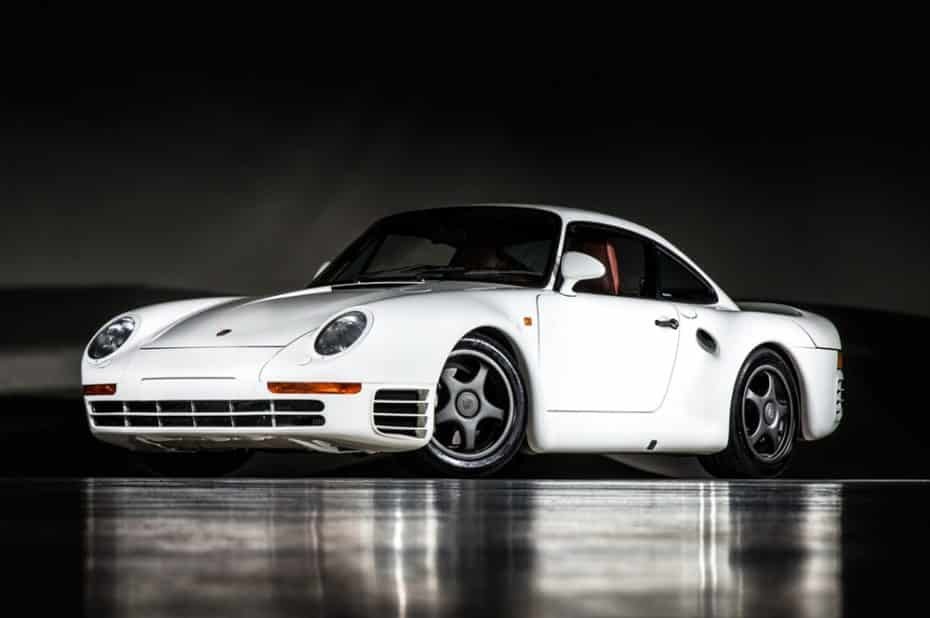
The technologically groundbreaking Porsche 959 introduced advanced all-wheel-drive and electronic control systems decades ahead of its time, innovations that helped propel it to a maximum speed of approximately 317 km/h (197 mph) — an extraordinary figure for a production car of its era.
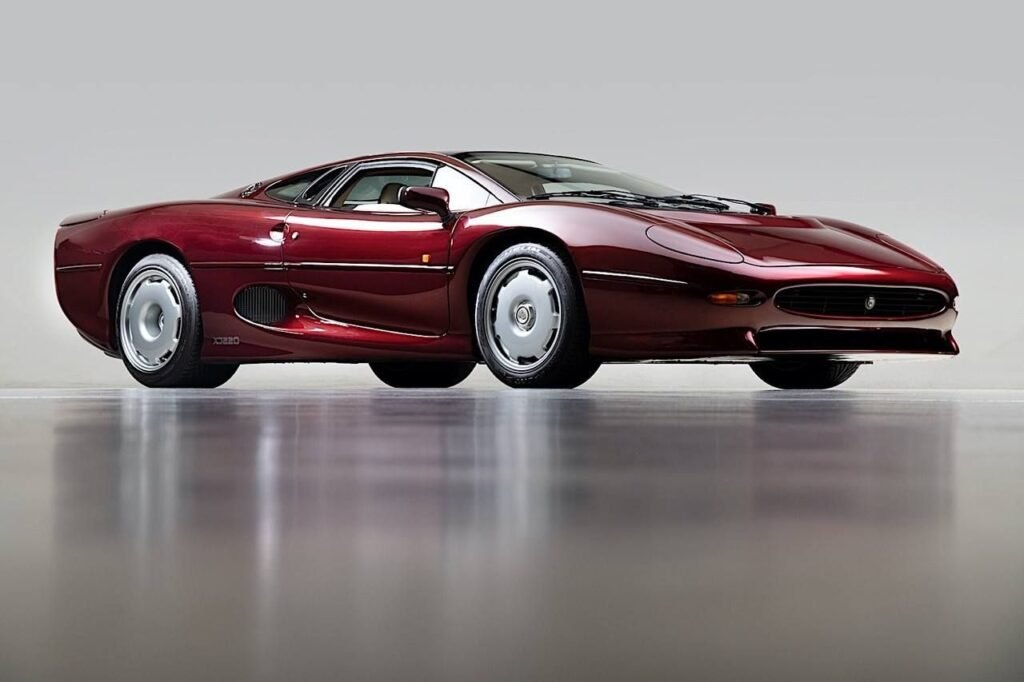
Jaguar XJ220 ruled the 1990s as the fastest production car of its era, its twin-turbocharged V6 engineered for extreme high-speed stability. With a verified top speed of 349 km/h (217 mph), it became a defining symbol of Britain’s supercar ambition during the decade.
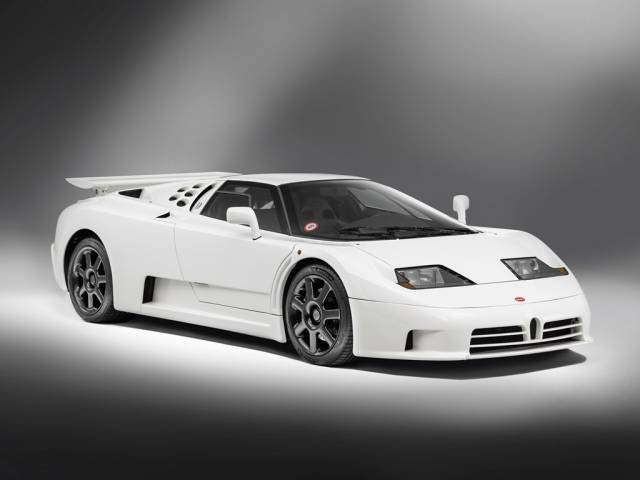
And the Bugatti EB110 SS, with its quad-turbo V12 and speeds beyond 350 km/h, symbolized Bugatti’s 1990s rebirth.
The Fastest Convertibles in the World
Extreme speed… without a roof.
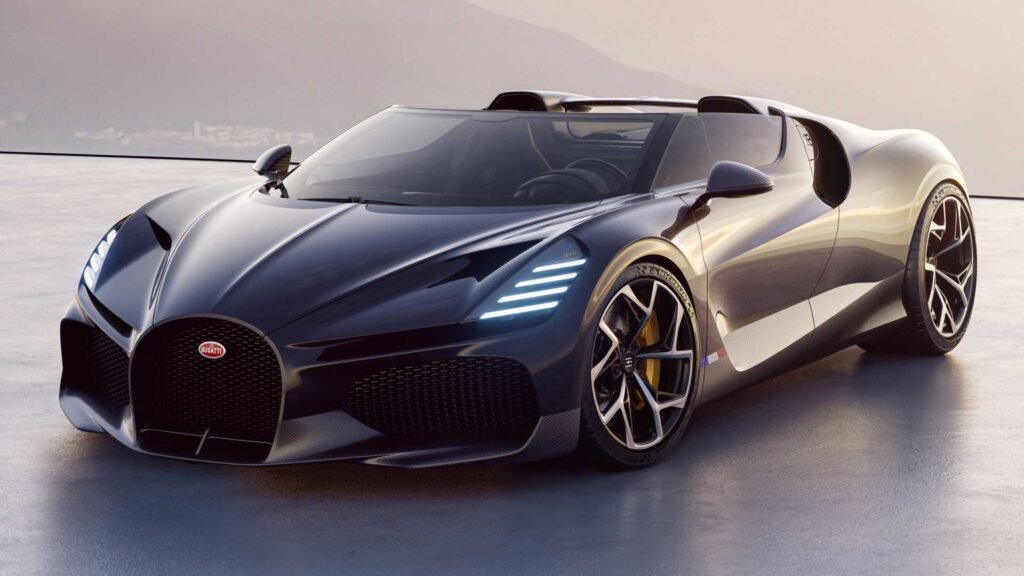
The Bugatti Mistral, powered by the legendary W16, is poised to become the fastest roadster ever built with speeds approaching 420 km/h.
The Hennessey Venom F5 Roadster brings the coupé’s tornado-level performance into the open air with theoretical targets above 480 km/h.
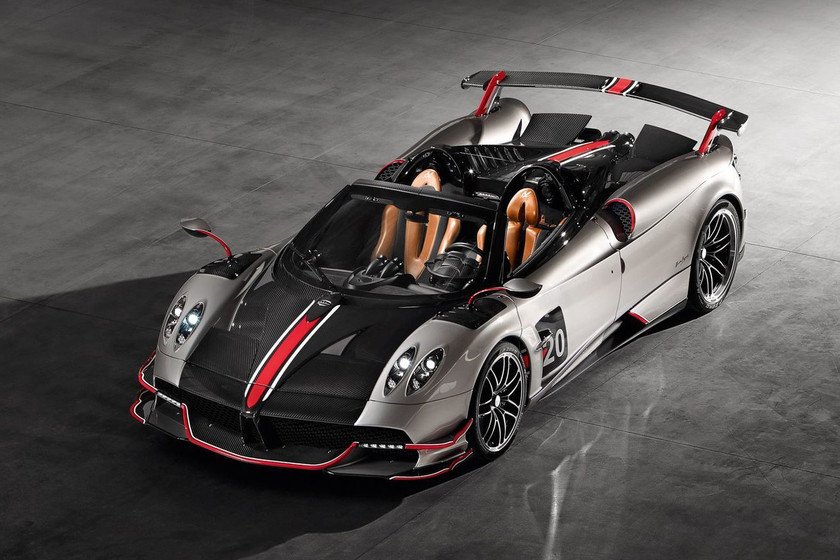
The Pagani Huayra Roadster BC, powered by an AMG-derived V12, merges rolling sculpture with extreme performance near 380 km/h.
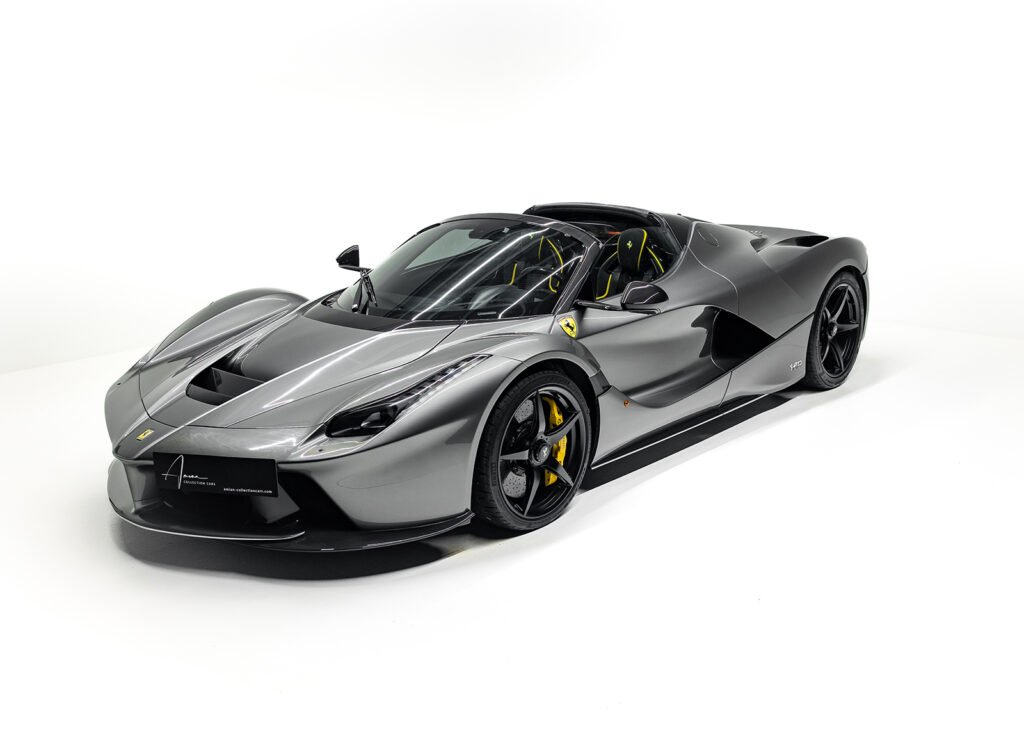
The LaFerrari Aperta delivers the Holy Trinity experience without a roof while exceeding 350 km/h.
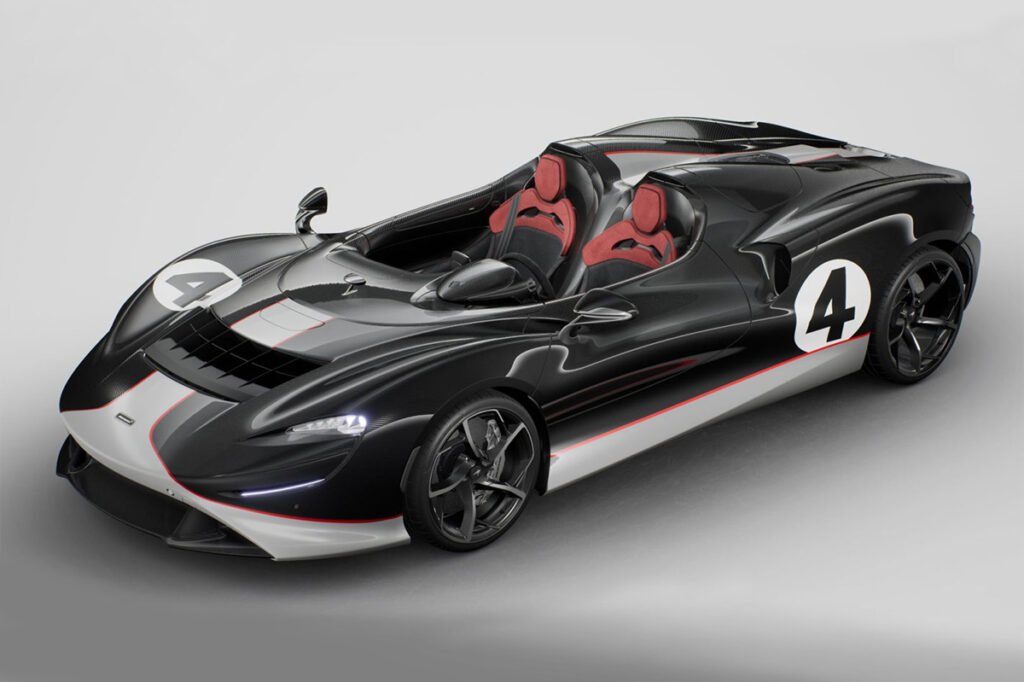
And the radical McLaren Elva prioritizes sensory immersion over outright top-speed supremacy in a roofless hypercar format, its twin-turbocharged V8 enabling a maximum speed of around 326 km/h (203 mph) while delivering one of the most visceral open-air driving experiences ever engineered.
Speed as Automotive Art
Beyond raw numbers, these machines represent the pinnacle of human engineering. They are technological laboratories, collector masterpieces, and status symbols that redefine what the automobile can be.
From the analog legends of the 1990s to electric hypercars capable of humiliating physics itself, speed remains the universal language of automotive luxury. Naturally, this elite selection could extend even further — with icons such as the Lamborghini Murciélago, the Ferrari Daytona SP3, the track-dominating Pagani Zonda R, and forthcoming next-generation hypercars all deserving their place in the conversation. However, including every worthy contender would turn this editorial into an almost endless chronicle of speed — a journey we may well continue in future chapters.
And the race is far from over.
Because the next record… has yet to be written.
Explore Sports Cars for Sale
Inspired by the world’s fastest machines? Discover high-performance sports cars currently available on LuxeOnCars — from modern supercars to track-focused icons offered by professional dealers worldwide.
Browse a curated selection of performance-driven models built for speed, engineering excellence and driving emotion.