
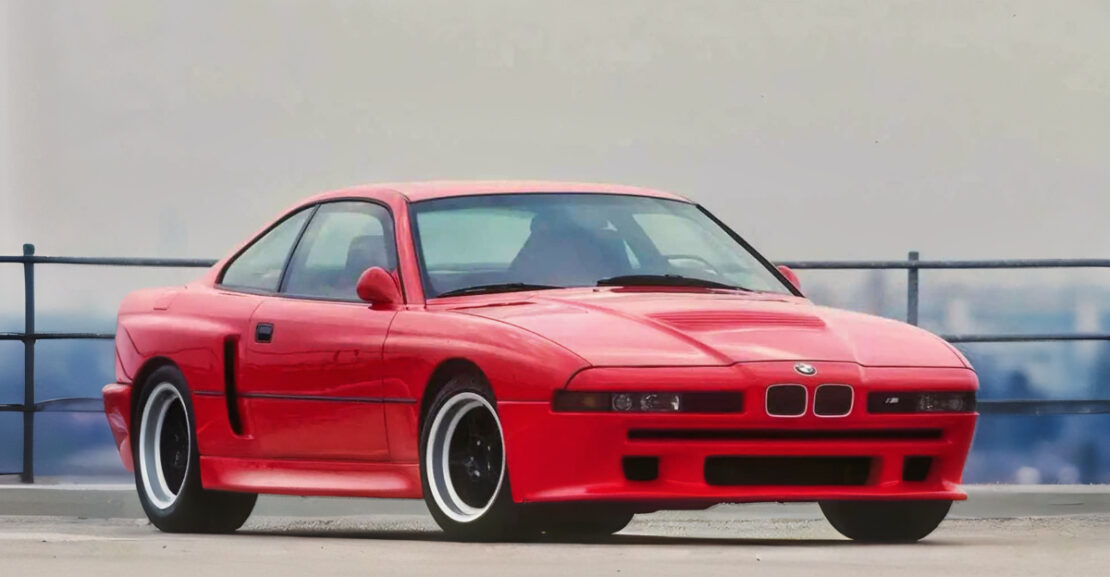
Long before the modern BMW M8 arrived in showrooms, BMW M engineers had already created something far more radical.
Hidden deep inside BMW’s development facilities during the early 1990s was a machine that many enthusiasts still consider one of the greatest “what if” cars in automotive history:
the legendary BMW M8 Prototype (E31).
It was lighter, faster, more extreme, and more ambitious than almost anything BMW had ever attempted.
And it never reached production.
A Supercar Hidden Behind the 8 Series
When the original BMW 8 Series (E31) debuted in 1989, it represented a massive technological leap for BMW.
The sleek grand tourer introduced:
- advanced aerodynamics
- electronic throttle control
- V12 power
- a six-speed manual transmission
- computer-aided development technologies rarely seen at the time
The E31 was elegant, futuristic, and expensive.
But for BMW M engineers, the standard 850i was only the beginning.
Behind closed doors, the Motorsport division began developing a secret flagship capable of challenging Ferrari and redefining BMW performance entirely.
That car would become the M8 Prototype.
A Naturally Aspirated V12 Monster
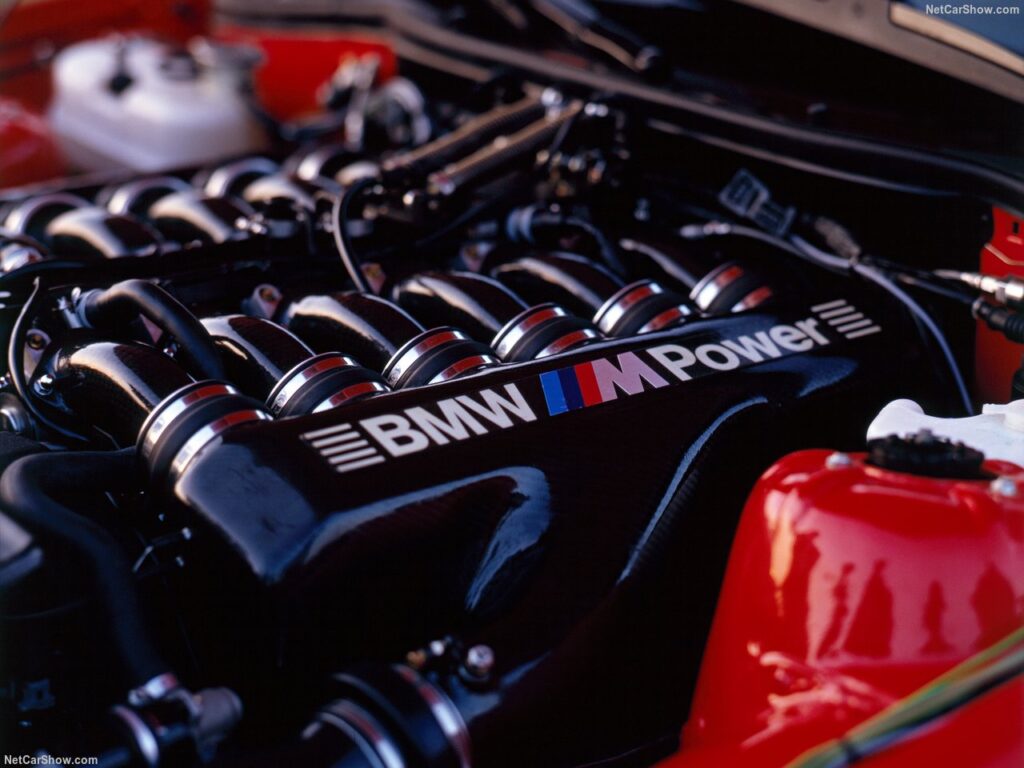
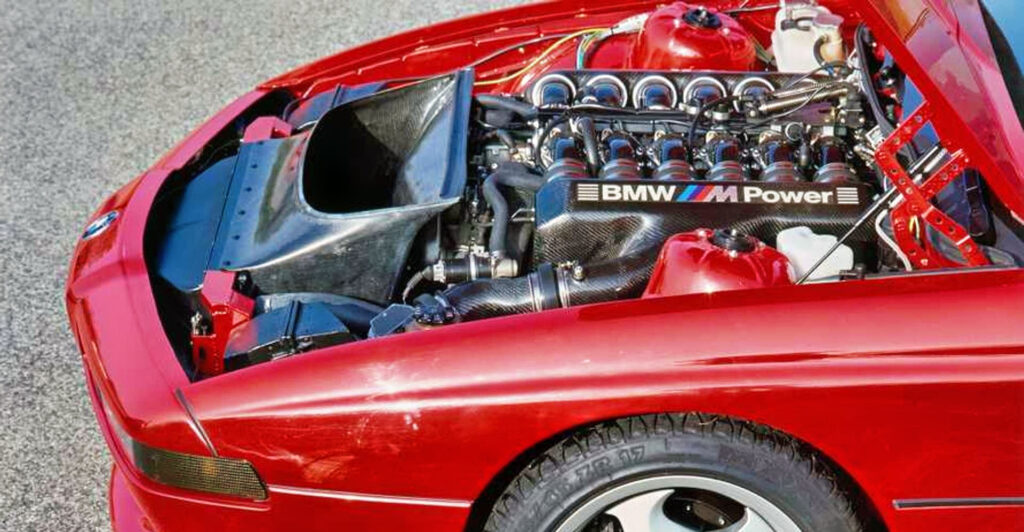
At the center of the project sat one of the most extraordinary engines BMW had ever created.
The prototype used an advanced version of BMW’s S70 V12 engine:
- approximately 6.0 liters of displacement
- dual overhead camshafts
- four valves per cylinder
- individual throttle bodies
- carbon-fiber intake components
- variable valve timing technology
Output reportedly reached around:
- 640 horsepower
- 650 Nm of torque
numbers that remain impressive even by modern standards.
And this was happening in the early 1990s.
Faster Than Ferrari?
BMW never officially released full performance figures for the M8 Prototype.
But internally, the project reportedly targeted supercar territory.
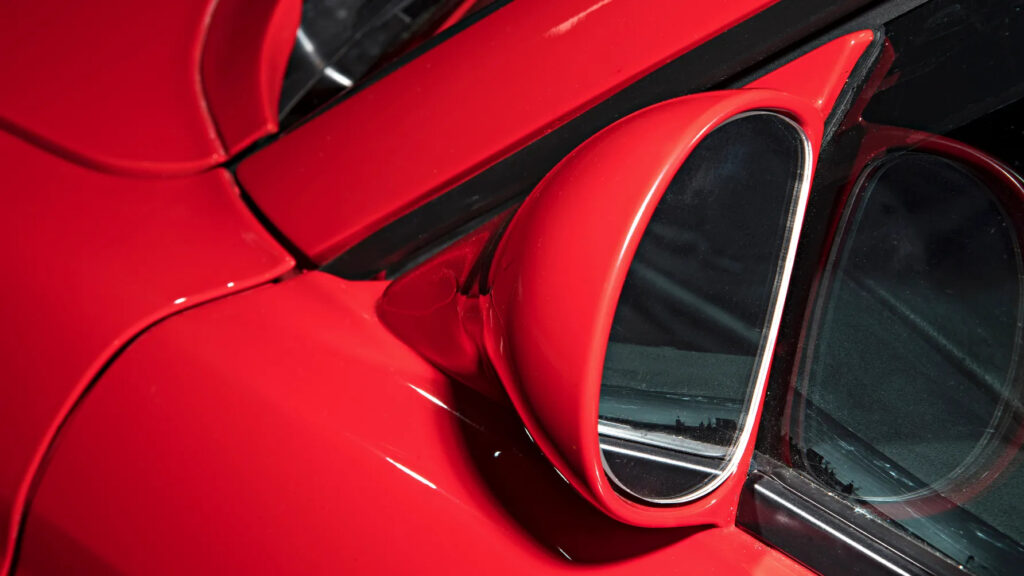
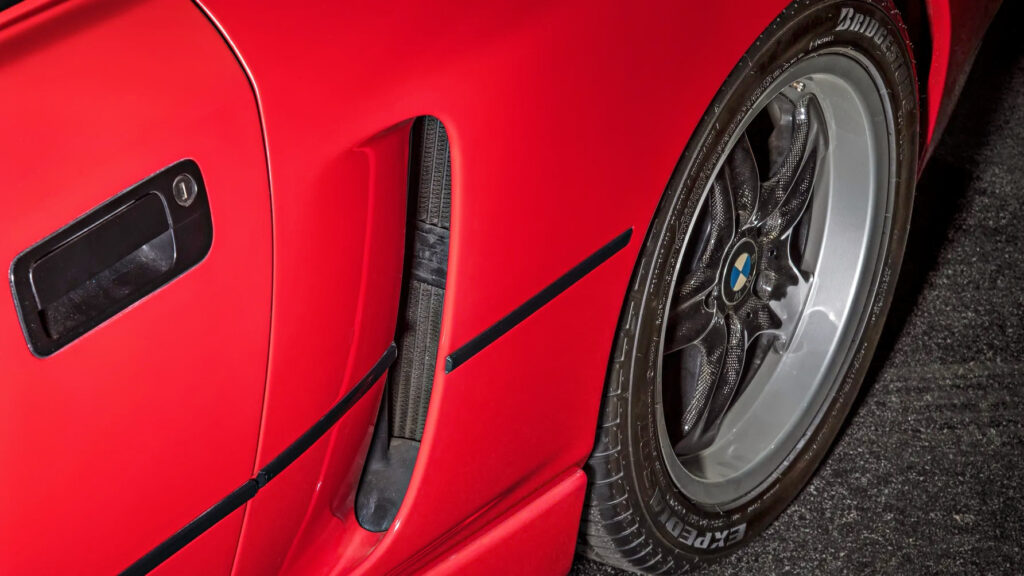
Some estimates suggested:
- top speed beyond 300 km/h
- acceleration capable of rivaling contemporary Ferraris
- performance levels well beyond the production 850CSi
The car was developed during an era dominated by:
- Ferrari F40
- Porsche 959
- Lamborghini Diablo
And BMW intended the M8 to compete directly with them.
The Car Was Dramatically Reengineered
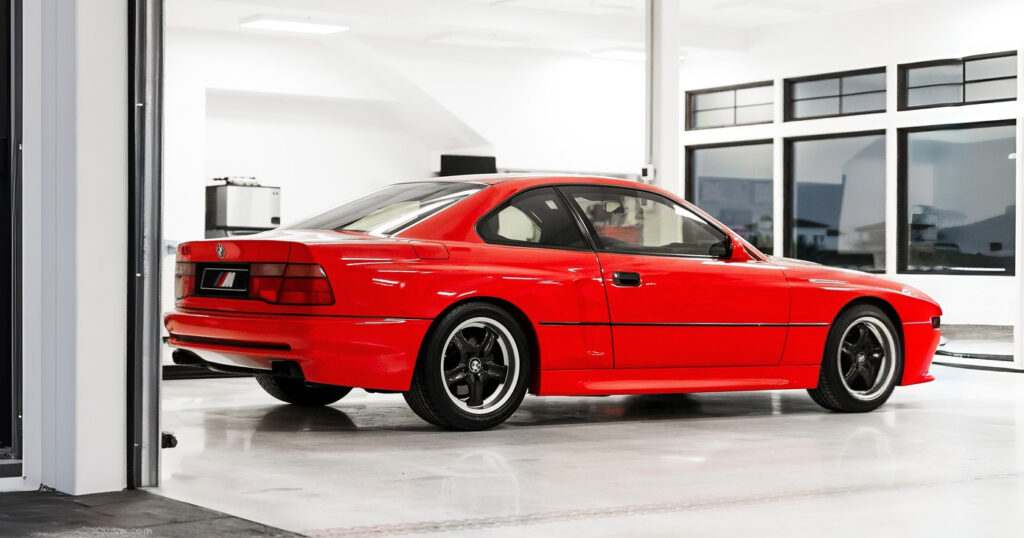
This was not simply an 8 Series with a bigger engine.
The prototype underwent a complete transformation.
Major modifications included:
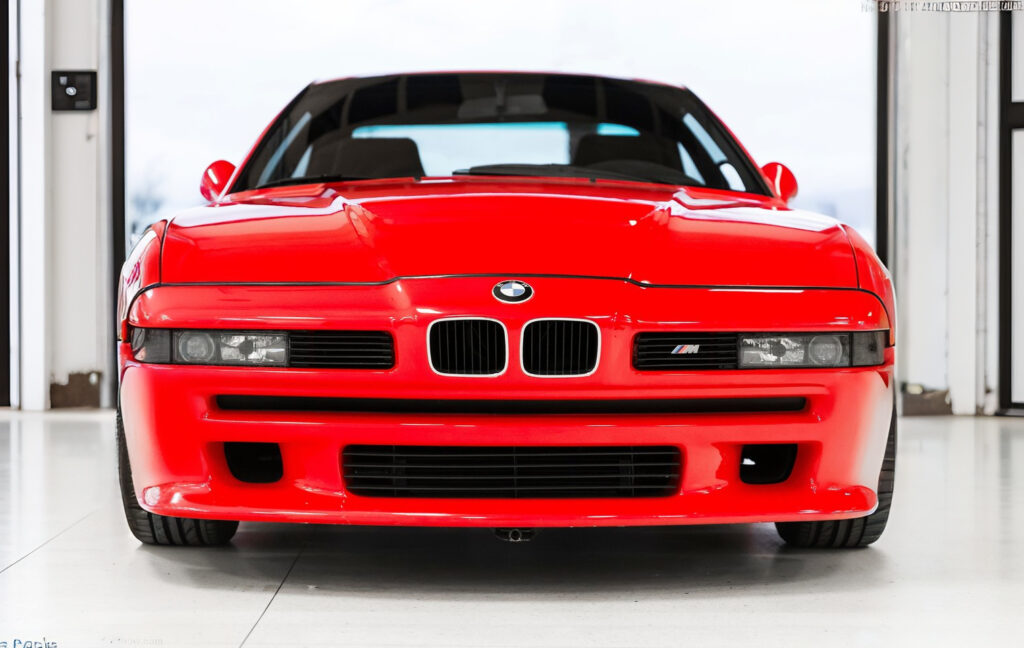
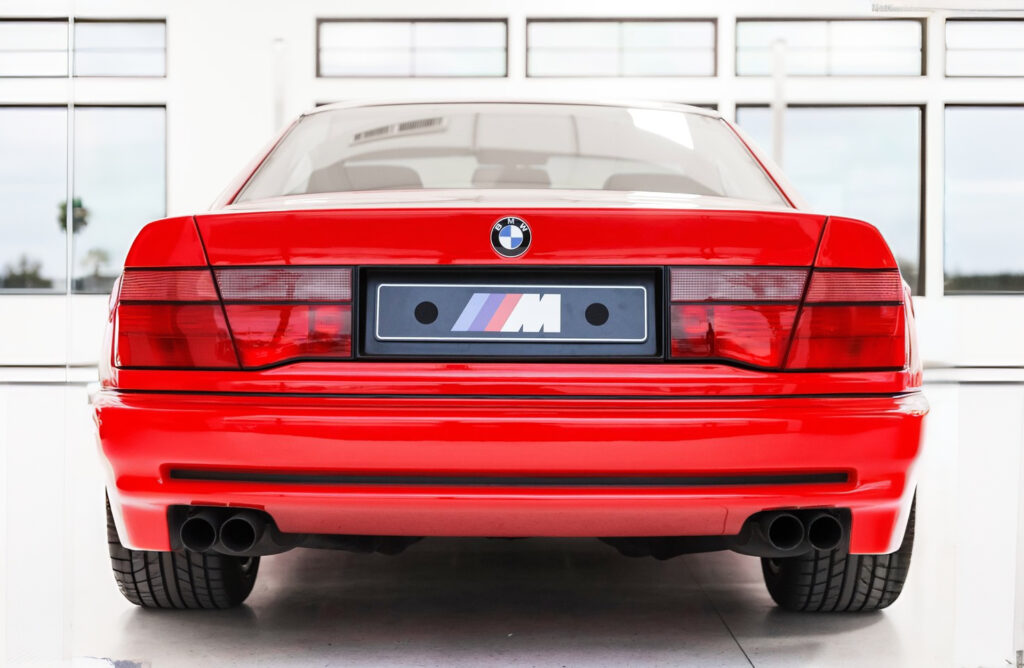
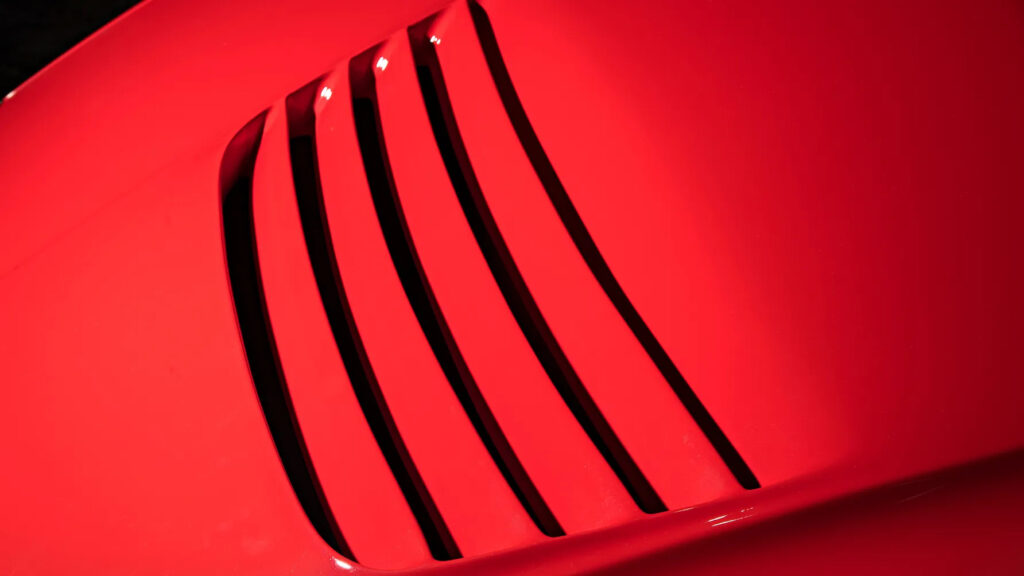
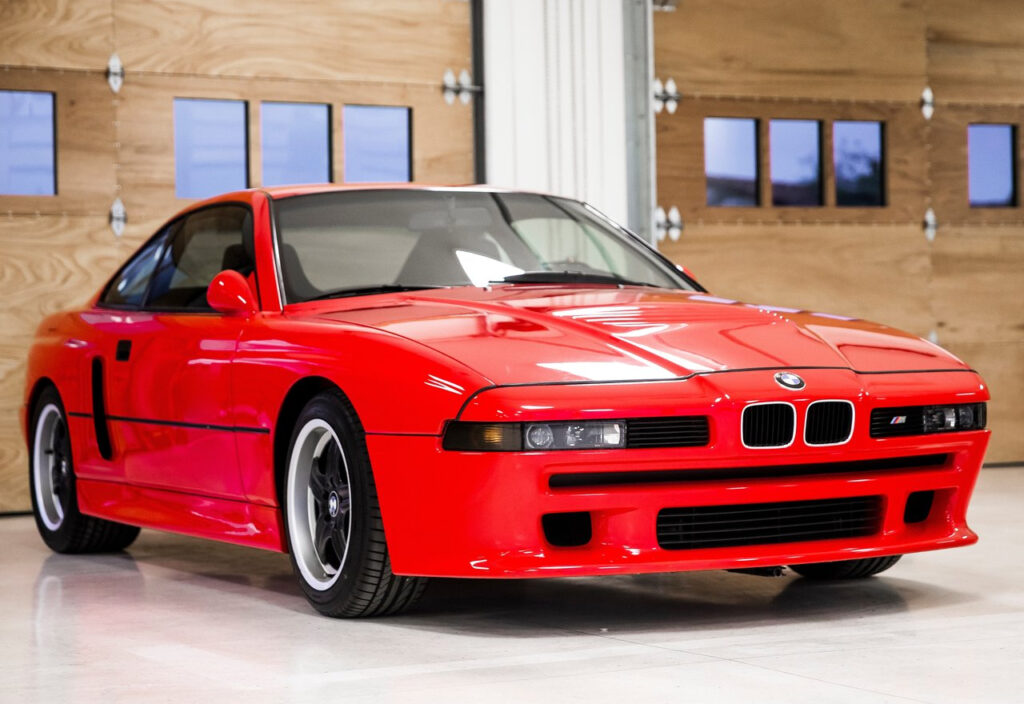
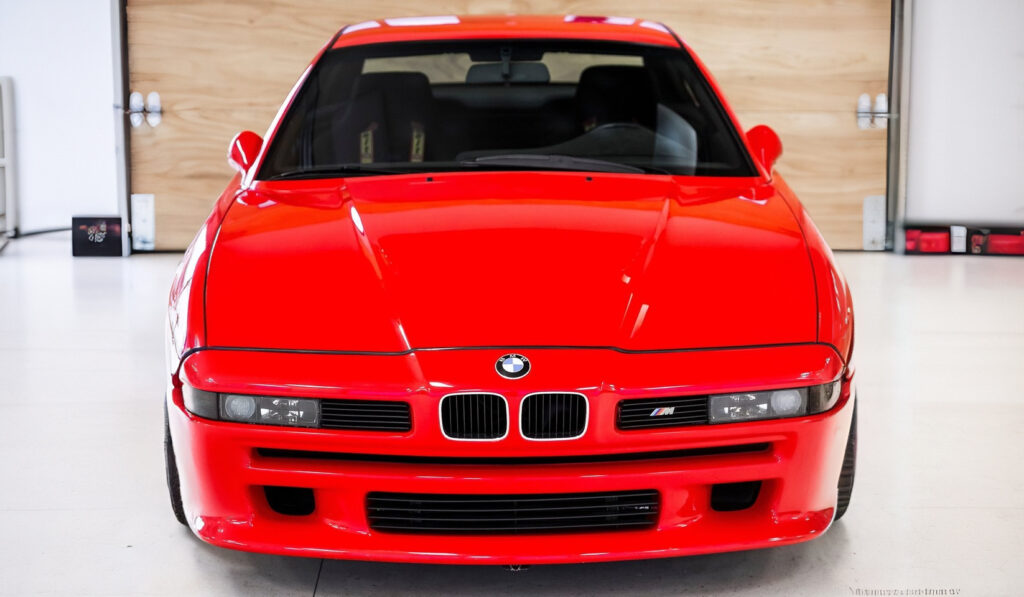
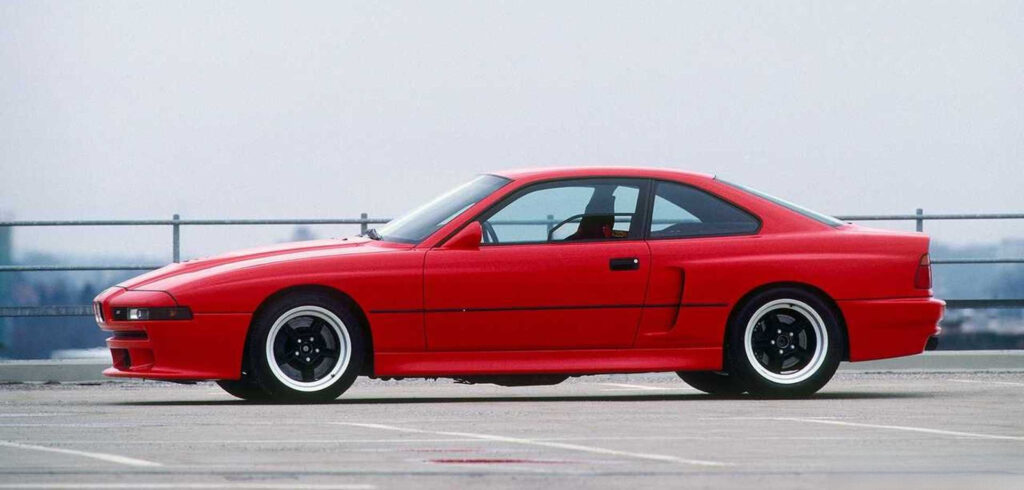
- widened bodywork
- integrated fixed headlights replacing pop-up units
- aggressive aerodynamic redesign
- enlarged cooling systems
- lightweight composite panels
- reinforced chassis structure
BMW engineers even removed large amounts of luxury equipment in pursuit of lower weight.
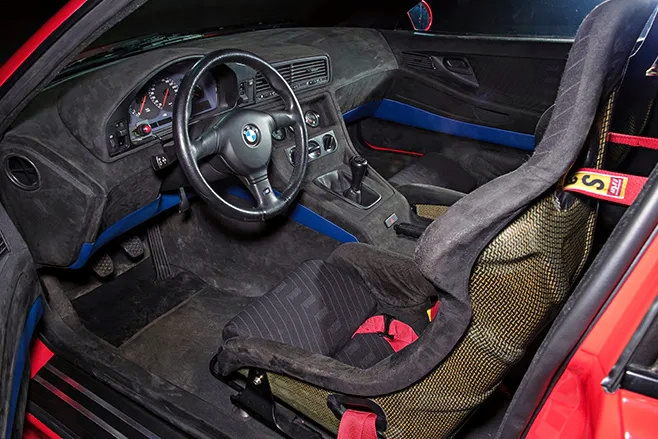
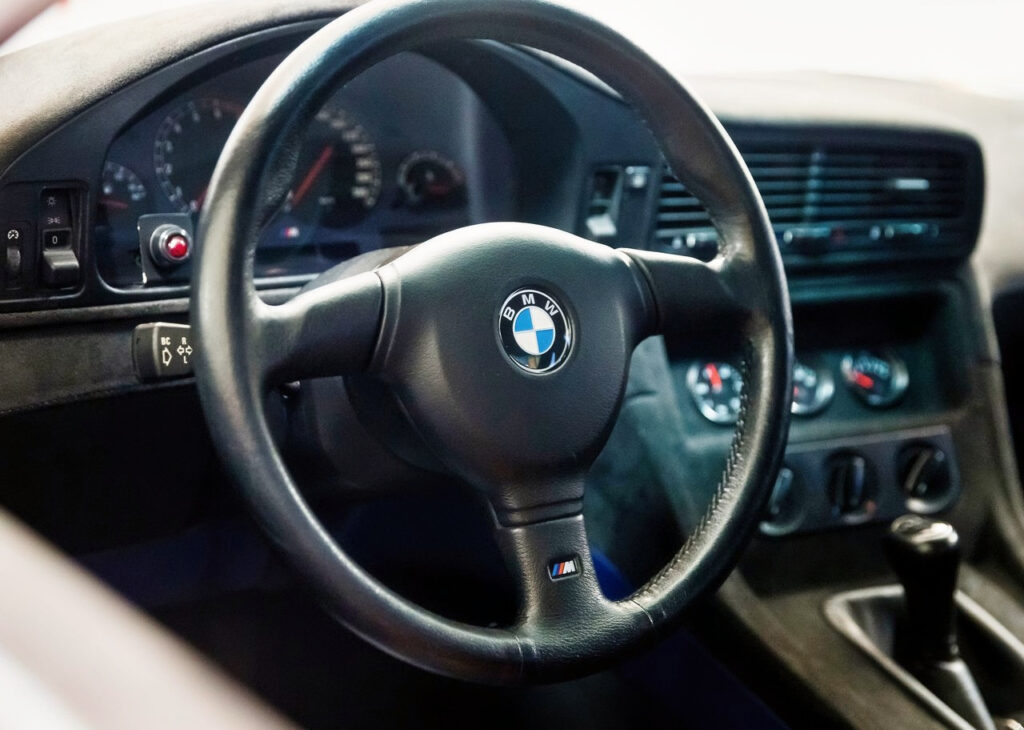
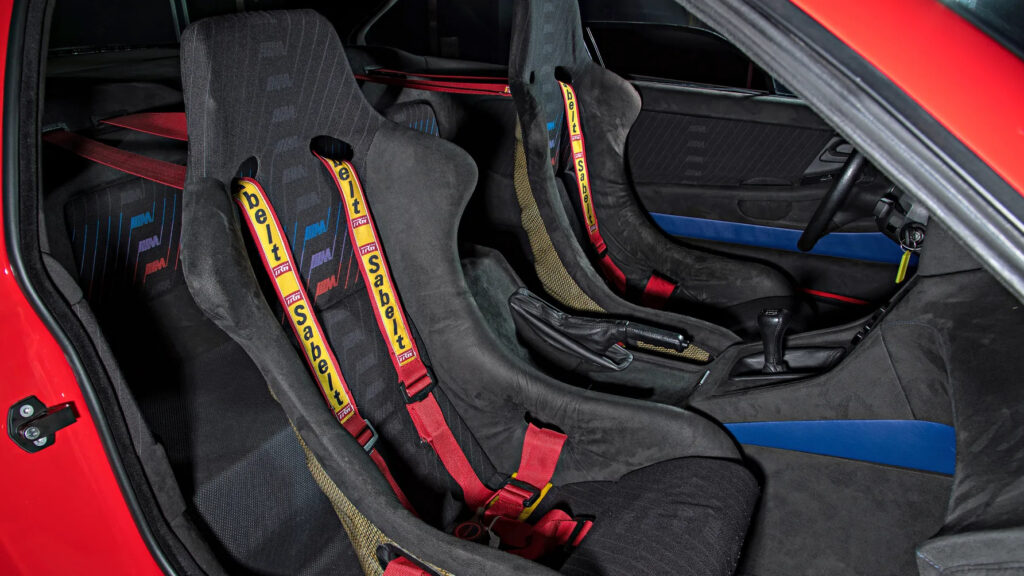
The interior became almost race-car-like:
- bucket seats
- stripped-down trim
- reduced insulation
- additional performance instrumentation
The final prototype reportedly weighed close to 1,450 kg — remarkably light considering the enormous V12 under the hood.
Carbon Fiber Before It Became Mainstream
Today, carbon fiber is everywhere in the supercar world.
In the early 1990s, it was still exotic.
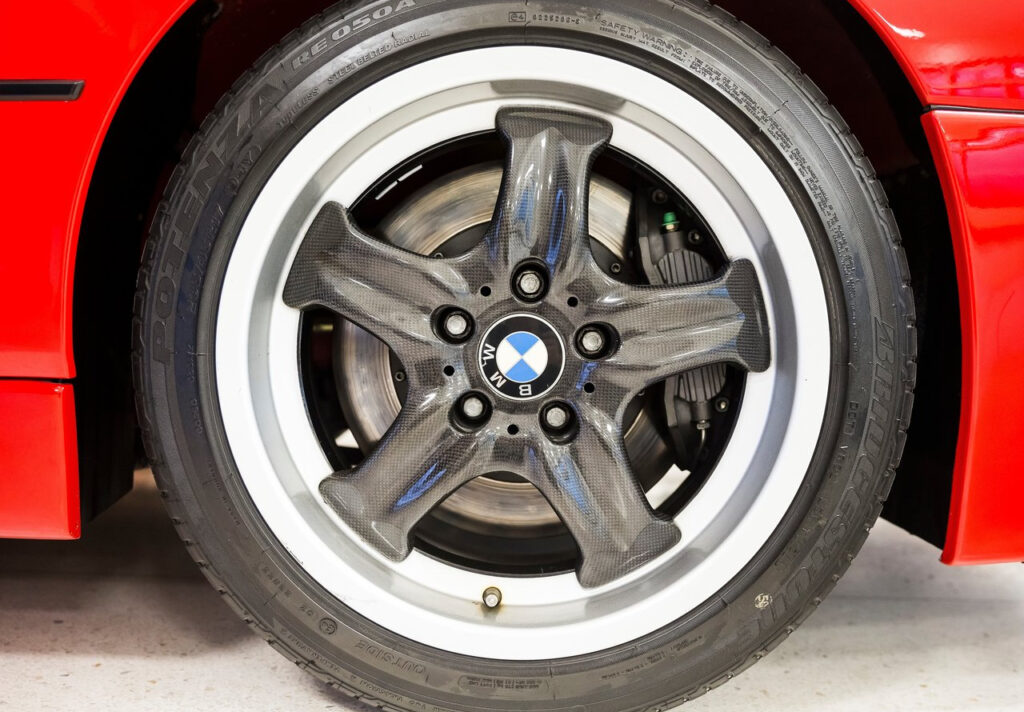
BMW used lightweight materials extensively throughout the M8 Prototype:
- composite body panels
- carbon-fiber intake systems
- lightweight glazing
- advanced weight-saving engineering
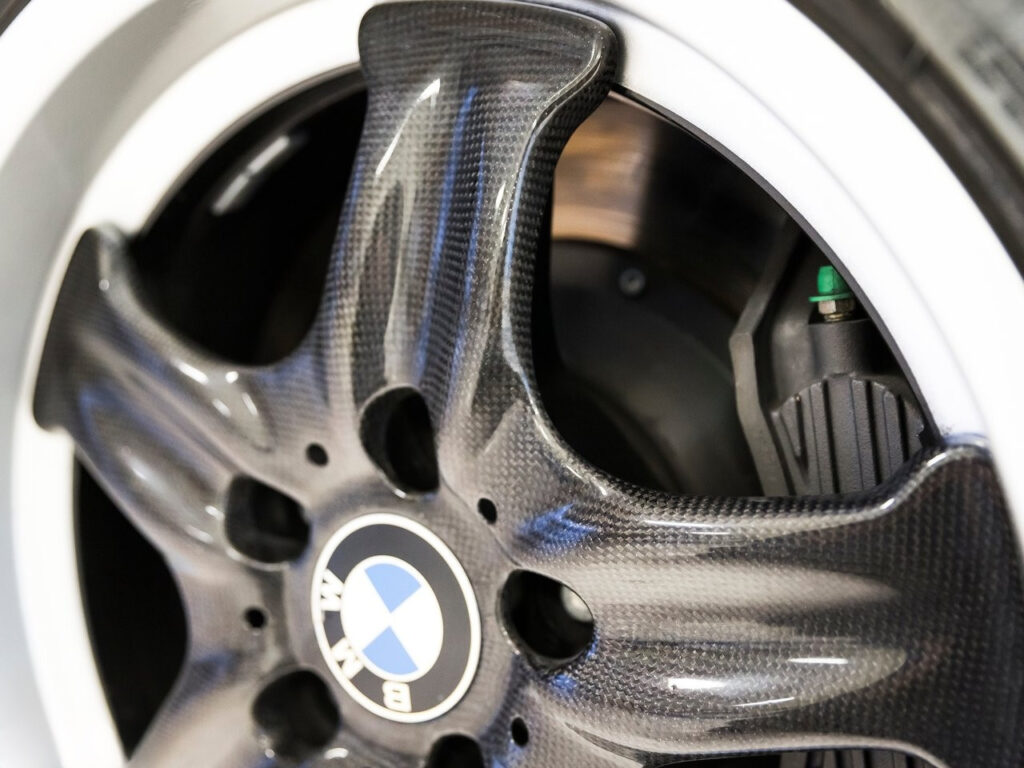
The philosophy felt years ahead of its time.
In many ways, the M8 Prototype previewed the engineering mindset later seen in:
- the McLaren F1
- Porsche Carrera GT
- modern BMW M lightweight programs
Volkswagen W12 Nardo — The Supercar That Volkswagen Never Built
The McLaren F1 Connection
One of the most fascinating elements of the M8 story is its connection to the legendary McLaren F1.
The M8’s S70 V12 directly influenced the development of the engine family later used in Gordon Murray’s McLaren masterpiece.
Although the final McLaren F1 engine evolved significantly beyond the M8 prototype unit, the engineering relationship between the two projects remains deeply intertwined.
That means the forgotten BMW prototype shares part of its DNA with one of the greatest supercars ever built.
Why BMW Cancelled the M8
Despite its extraordinary engineering, the M8 Prototype arrived at the wrong moment historically.
The early 1990s brought:
- global economic uncertainty
- rising fuel prices
- declining luxury-car demand
- weak sales for the 8 Series itself
BMW management ultimately concluded that a high-cost V12 supercar would not be commercially viable.
And so the project was quietly cancelled.
Instead, BMW released the far more restrained 850CSi — itself an impressive grand tourer, but nowhere near as radical as the M8 prototype.
The Prototype Disappeared for Two Decades
Perhaps the most remarkable chapter of the story came after cancellation.
BMW effectively hid the M8 Prototype away for nearly twenty years.
Rumors circulated among enthusiasts for years, but the company rarely acknowledged the car publicly.
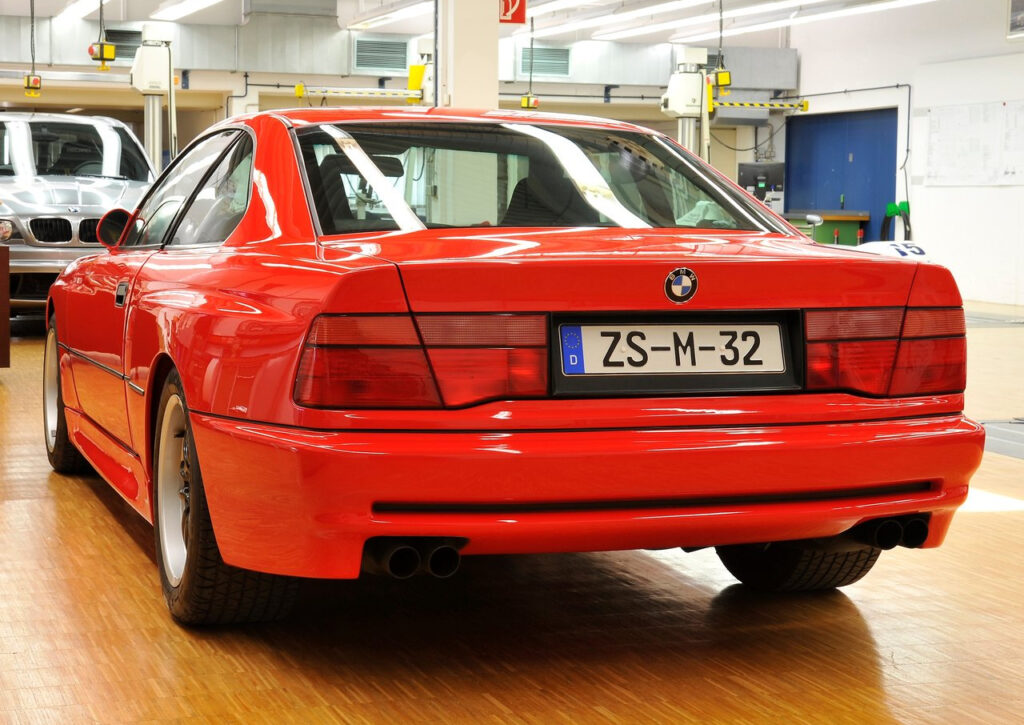
Then, in 2010, BMW finally revealed the one-off prototype to the world.
And instantly, it became one of the most legendary secret projects in BMW history.
Still One of BMW M’s Most Fascinating Cars
Today, the E31 M8 Prototype occupies a unique position within BMW lore.
It was:
- too expensive
- too ambitious
- too extreme
for its era.
But precisely because it never reached production, it became something even more fascinating.
A glimpse into an alternate reality where BMW M entered the supercar wars decades earlier.
Vision BMW ALPINA — Redefining Refined Performance for a New Era
A Different Vision of BMW M
Modern BMW M cars are extraordinarily capable.
But the E31 M8 Prototype represented something rarer:
a true engineering moonshot.
A naturally aspirated V12.
A manual gearbox.
A lightweight chassis.
Supercar ambitions.
All wrapped inside one of the most beautiful BMW designs ever created.
And perhaps that is why the M8 Prototype continues to captivate enthusiasts more than thirty years later.
Because it was not designed by committee.
It was built by engineers chasing an idea.
The BMW That Could Have Changed Everything
Had BMW released the M8 Prototype in the early 1990s, the company’s performance history might look very different today.
Instead of becoming merely a legendary prototype, it could have become:
- BMW’s first true supercar
- a Ferrari rival
- a technological flagship decades ahead of its time
Instead, it survived as a hidden experiment.
A secret V12 ghost from BMW M’s most ambitious era.
And one of the greatest performance cars the world never officially received.