
Some automobiles become legends through racing.
Others through performance.
A very small number become icons simply because they dared to be different.
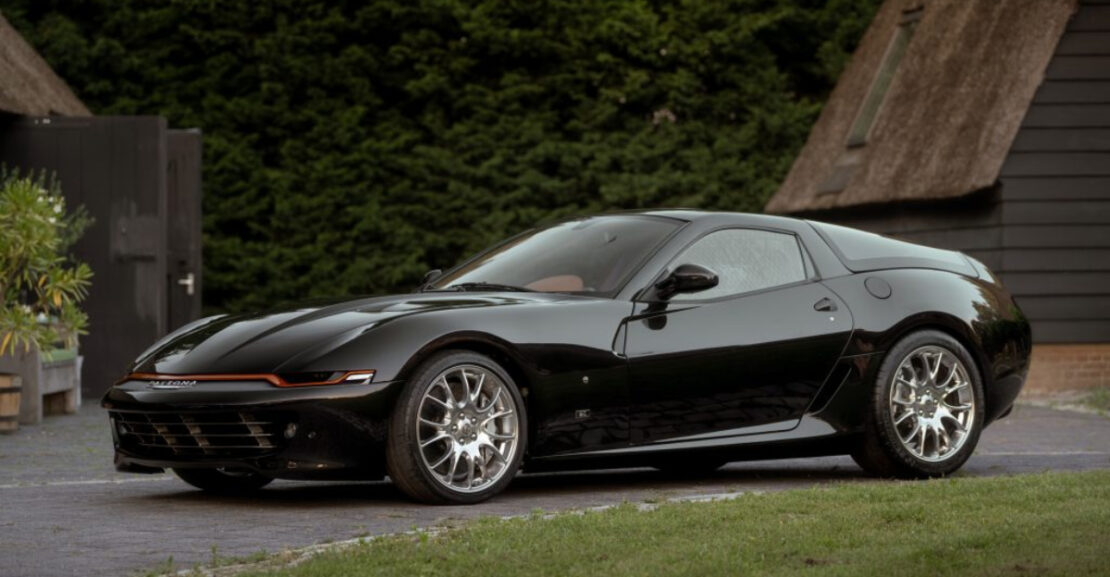
The Daytona Shooting Brake Hommage by Niels van Roij Design belongs firmly to the latter category.
More than fifty years after the extraordinary one-off Ferrari Daytona Shooting Brake captivated the automotive world, the Dutch coachbuilder has created a contemporary interpretation that celebrates one of the rarest and most fascinating coachbuilt Ferraris ever conceived. Rather than reproducing the original, the project reimagines its spirit through modern engineering, handcrafted aluminium bodywork and timeless proportions.
The result is not a recreation.
It is a conversation between two generations of coachbuilding.
The Story Behind the Original
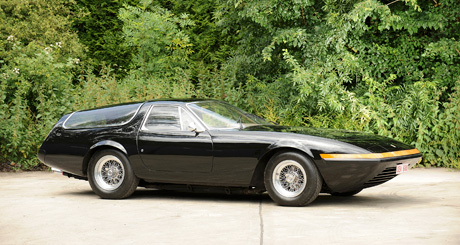
The inspiration dates back to the early 1970s, when an exceptionally unusual Ferrari Daytona was commissioned through the legendary American Ferrari importer Luigi Chinetti Jr.
Instead of following the traditional berlinetta formula, the project transformed the V12 grand tourer into an elegant shooting brake—combining the proportions of a high-performance coupé with the practicality and visual drama of an elongated rear body.
It was a singular expression of creative freedom.
At a time when coachbuilders still had the opportunity to reinterpret production automobiles, the Daytona Shooting Brake demonstrated that individuality could coexist with Ferrari’s unmistakable identity.
Although only one example was ever built, its influence endured far beyond its production.
For many enthusiasts, it remains one of the greatest coachbuilt Ferraris ever created.
Respecting the Past Without Recreating It
Rather than attempting to produce an exact replica, Niels van Roij approached the project with a different philosophy.
The objective was not historical reconstruction.
It was contemporary interpretation.
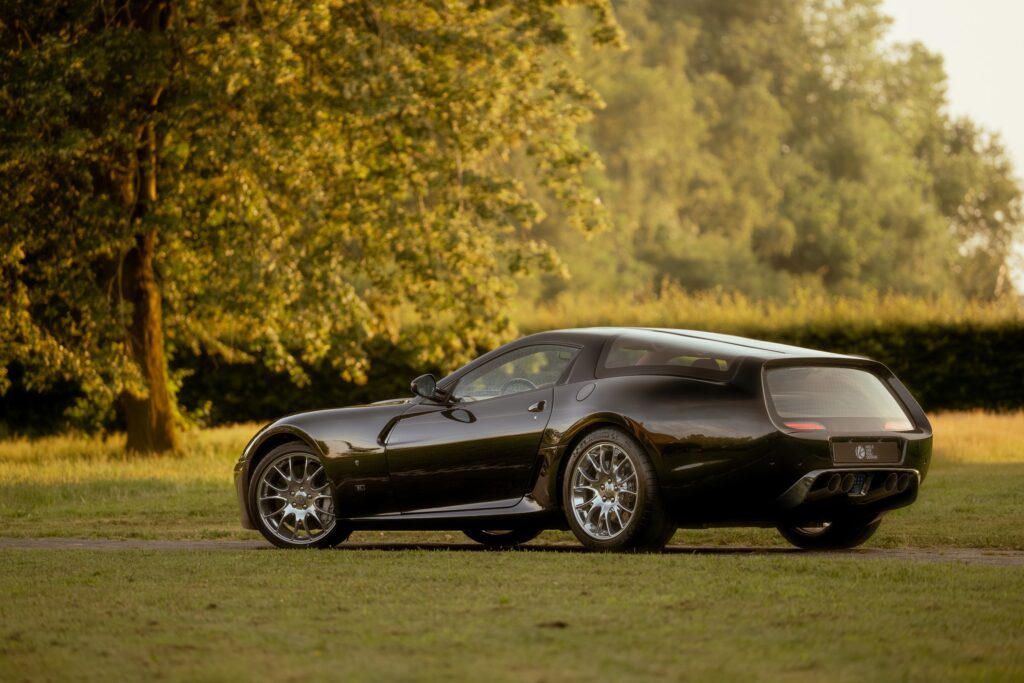
Every surface has been redesigned with today’s design language while preserving the elegance, restraint and visual balance that defined the original commission.
The proportions immediately feel familiar.
Yet nothing appears nostalgic.
Instead, the Hommage demonstrates how a classic automotive idea can evolve naturally into the twenty-first century.
It honours history without becoming trapped by it.
Touring Superleggera at 100: A Century of Italian Coachbuilding Excellence
Coachbuilding in Its Purest Form
At the heart of the project lies traditional coachbuilding.
Unlike conventional body conversions, the Daytona Shooting Brake Hommage receives an almost entirely new handcrafted aluminium body.
Only the essential structural elements of the donor vehicle remain, while the roofline, rear quarters, tail section, lighting and countless exterior details have been redesigned from scratch.
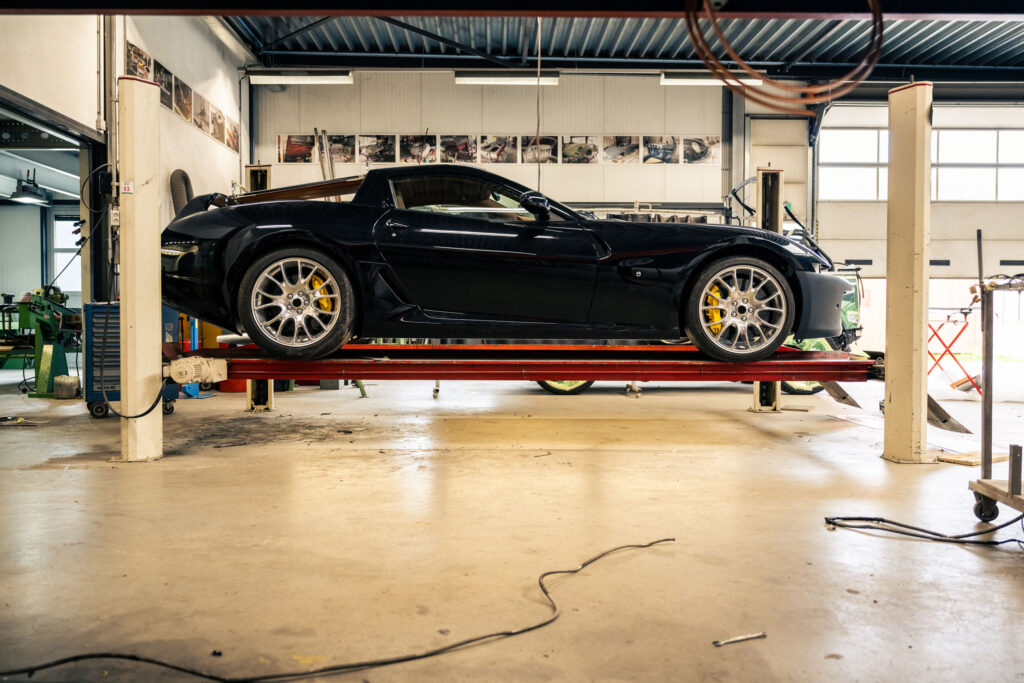
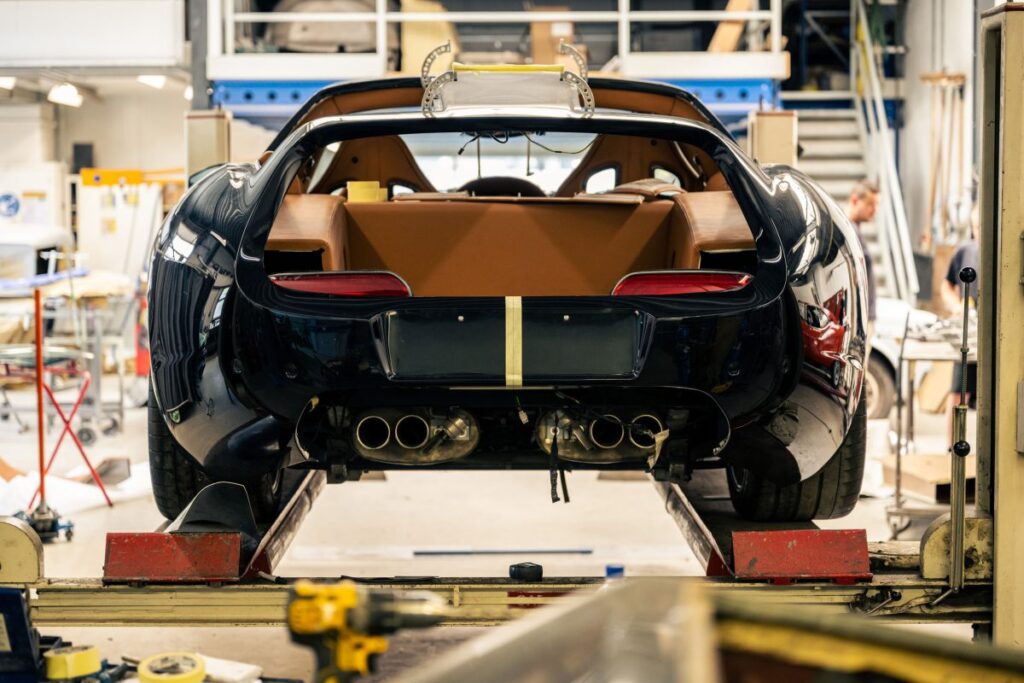
Every aluminium panel has been individually shaped by skilled craftsmen.
This approach allows the body to achieve the sculptural purity that has become a hallmark of Niels van Roij Design.
The result feels less like a modified production car.
More like an entirely new automobile.
A New Interpretation of the Shooting Brake
The redesigned roofline defines the entire project.
Beginning just behind the windscreen, the roof rises subtly before flowing into a beautifully extended rear section that concludes in a clean Kamm-style tail.
The proportions are remarkably balanced.
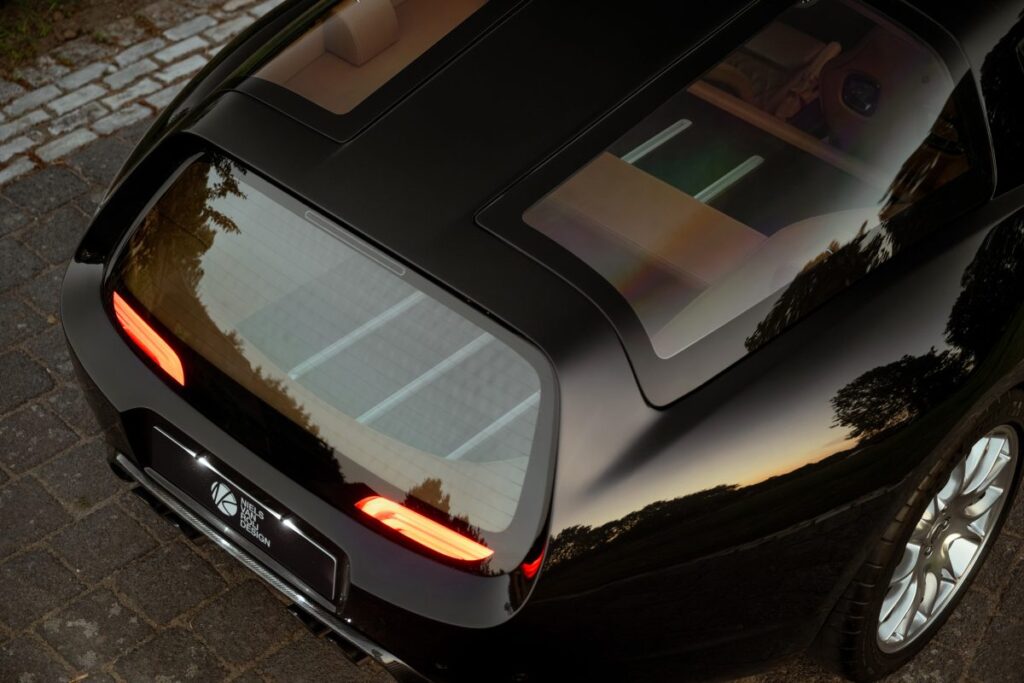
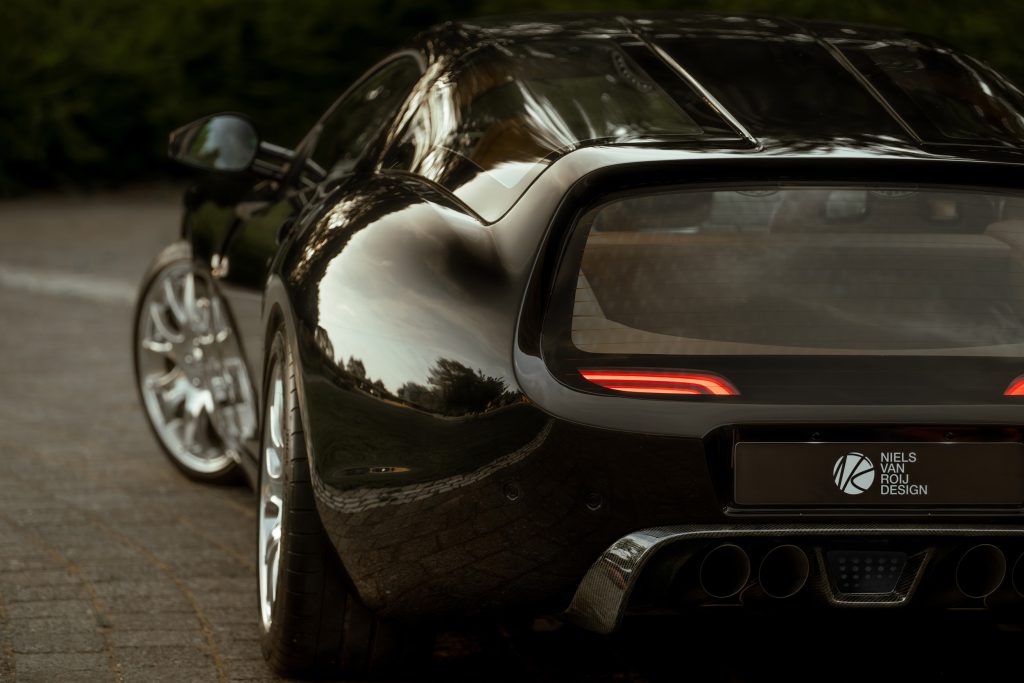
Long enough to create genuine luggage capacity.
Compact enough to retain the athletic stance expected from a front-engined V12 grand tourer.
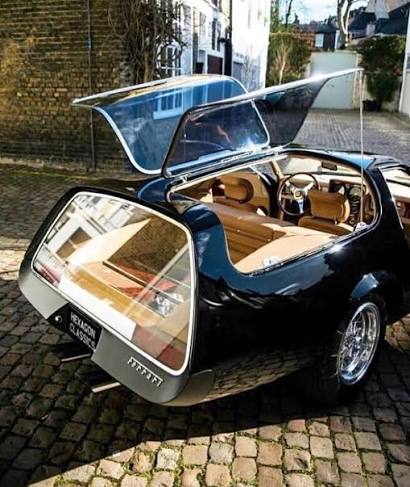
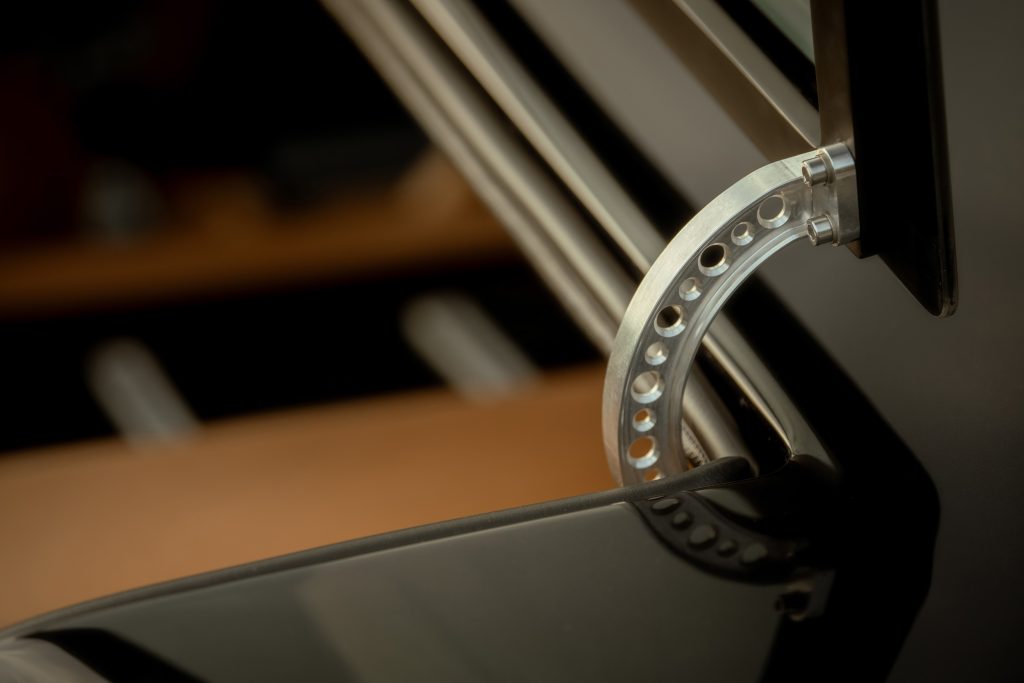
Perhaps the most distinctive feature remains the beautifully engineered butterfly side windows.
Opening electrically on exposed aluminium hinges, they provide elegant access to the luggage compartment while paying tribute to one of the most memorable details of the original 1970s commission.
Contemporary Details Inspired by History
Throughout the exterior, subtle historical references have been carefully reinterpreted.
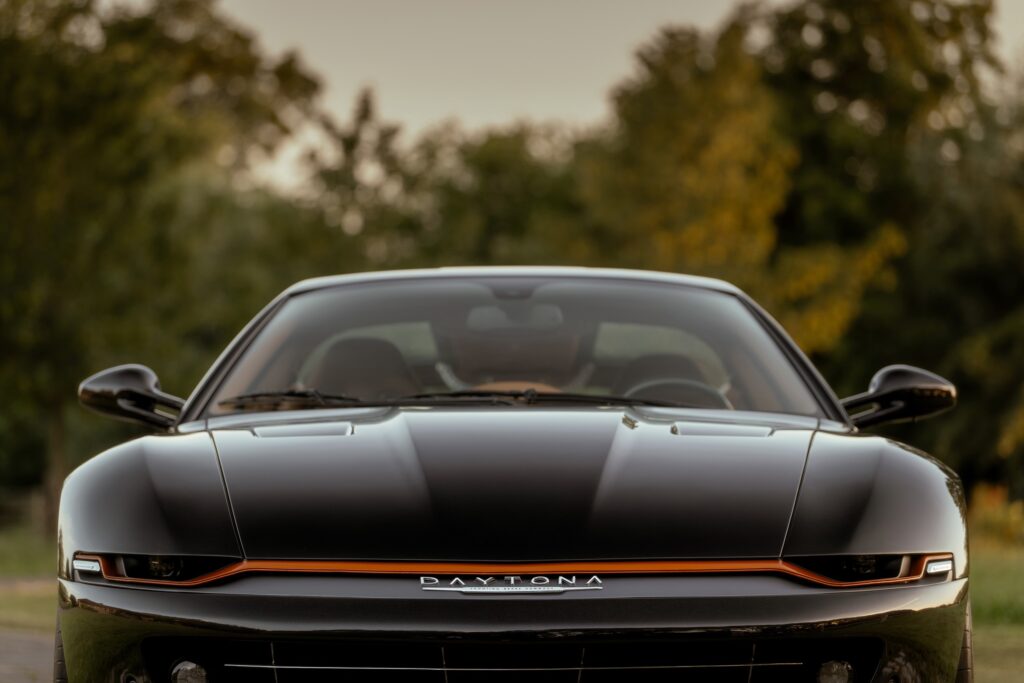
Slim modern headlights replace the original design while maintaining the unmistakable visual signature of the classic Daytona.
A sculptural amber element spans the nose, echoing one of the defining characteristics of the original one-off.
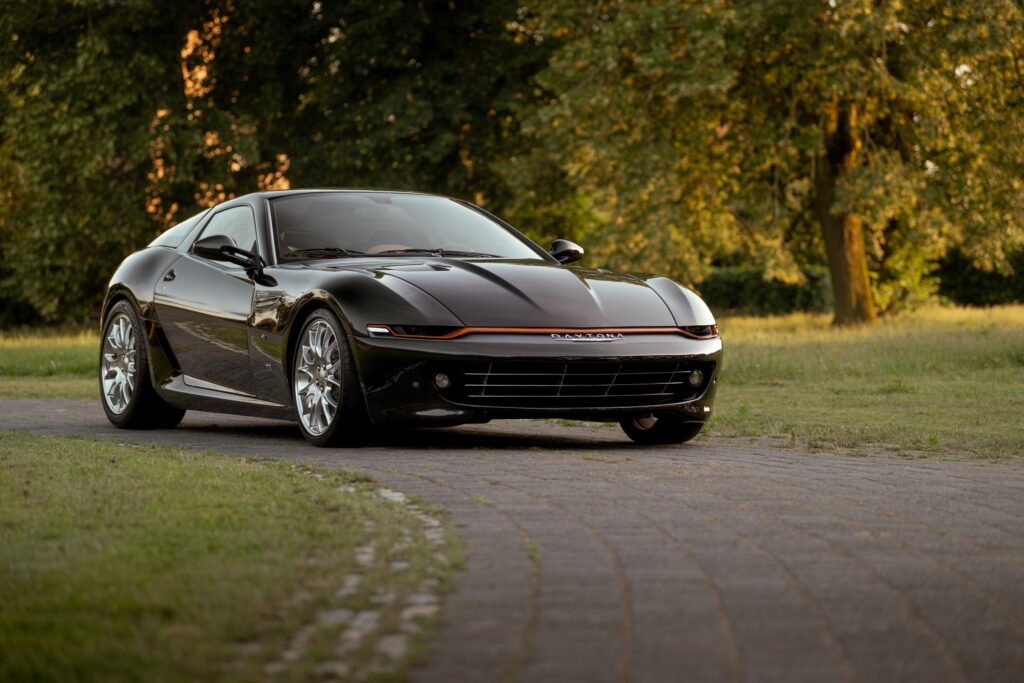
At the rear, four prominently angled exhaust outlets emerge from a newly designed carbon-fibre diffuser, adding both visual drama and a more expressive soundtrack.
Nothing feels excessive.
Every element contributes to the overall composition.
A Cabin Crafted Around the Original Philosophy
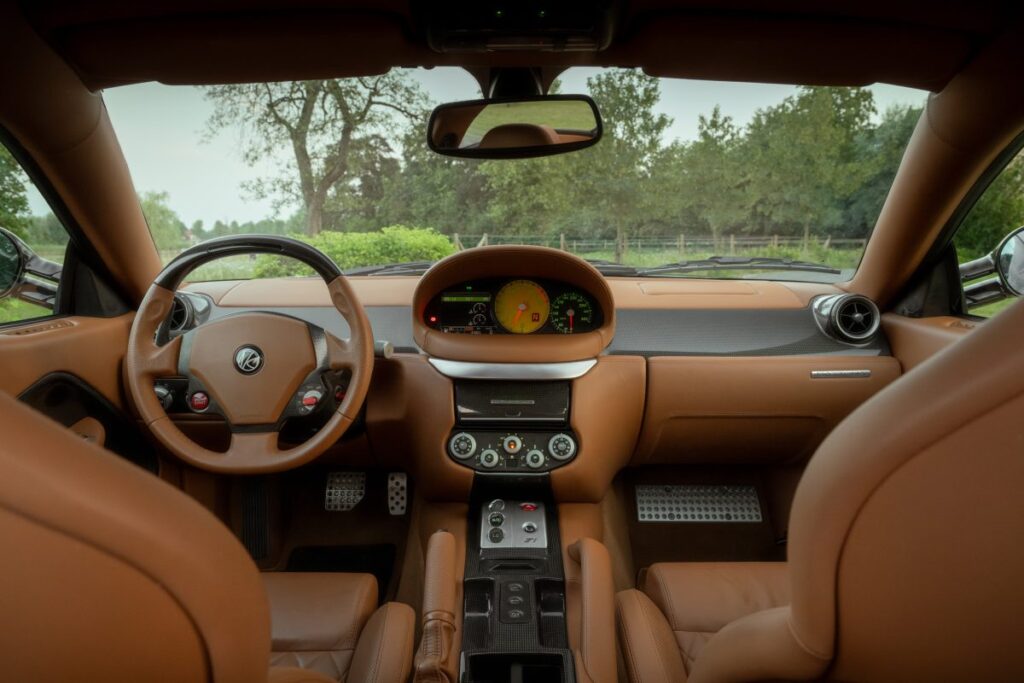
Inside, the transformation continues.
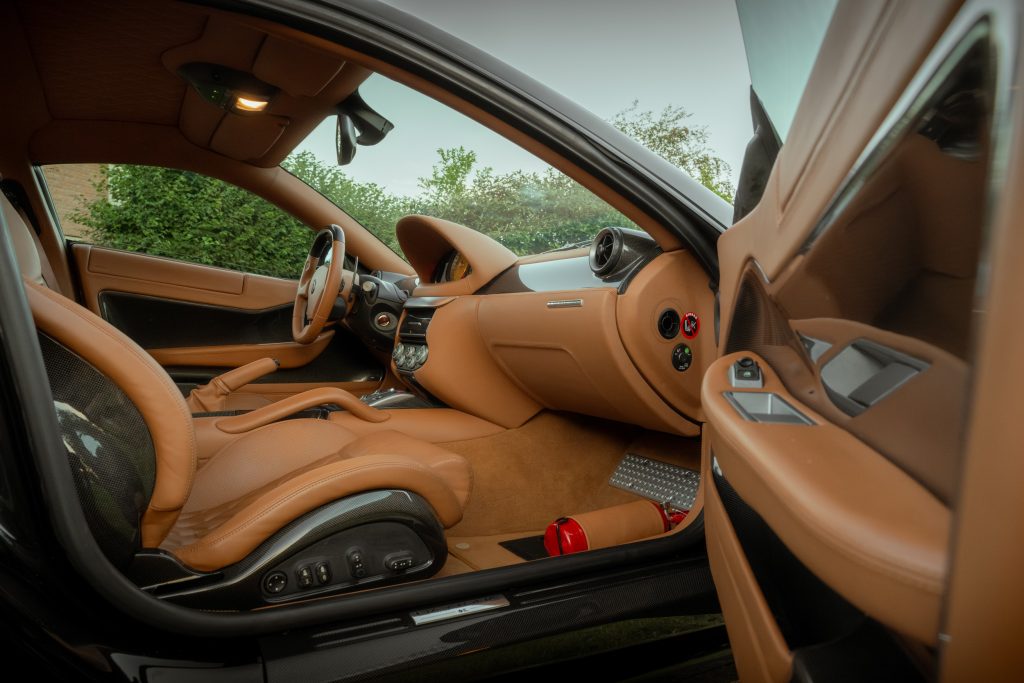
Although the underlying architecture originates from the donor grand tourer, the interior has been almost entirely reimagined.
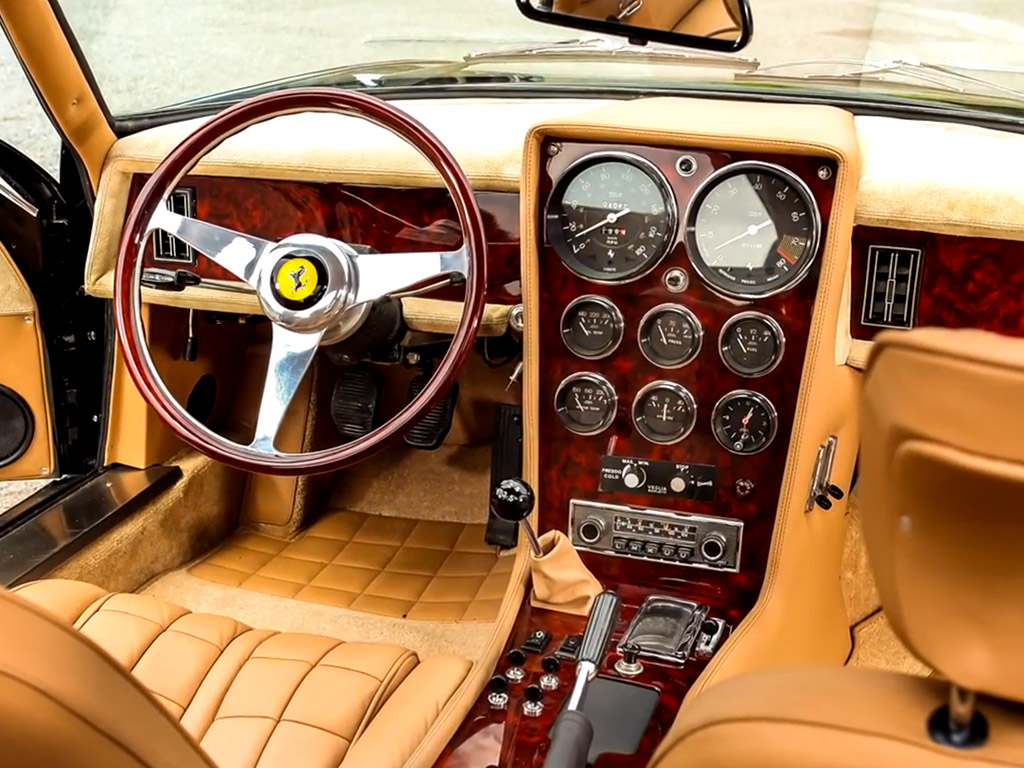
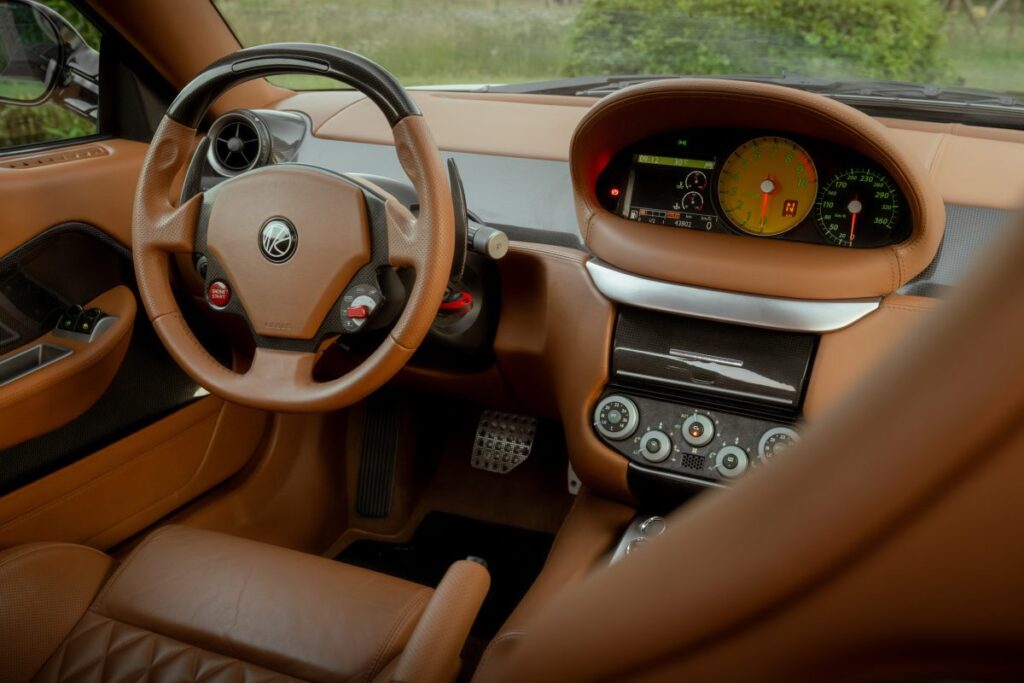
Rich Cognac leather covers newly crafted aluminium structures, while exposed carbon fibre and brushed metal create a refined balance between tradition and modernity.
CAV GT MkII: Reimagining the Ford GT40 for a New Era
One particularly charming detail recalls the original commission.
Rather than positioning the instruments directly ahead of the driver, the primary gauges have been relocated towards the centre of the dashboard, faithfully echoing the unusual layout adopted by the historic Daytona Shooting Brake.
The result feels both unconventional and unmistakably bespoke.
Practicality Without Compromise
Unlike many coachbuilt projects, the Shooting Brake Hommage genuinely embraces practicality.
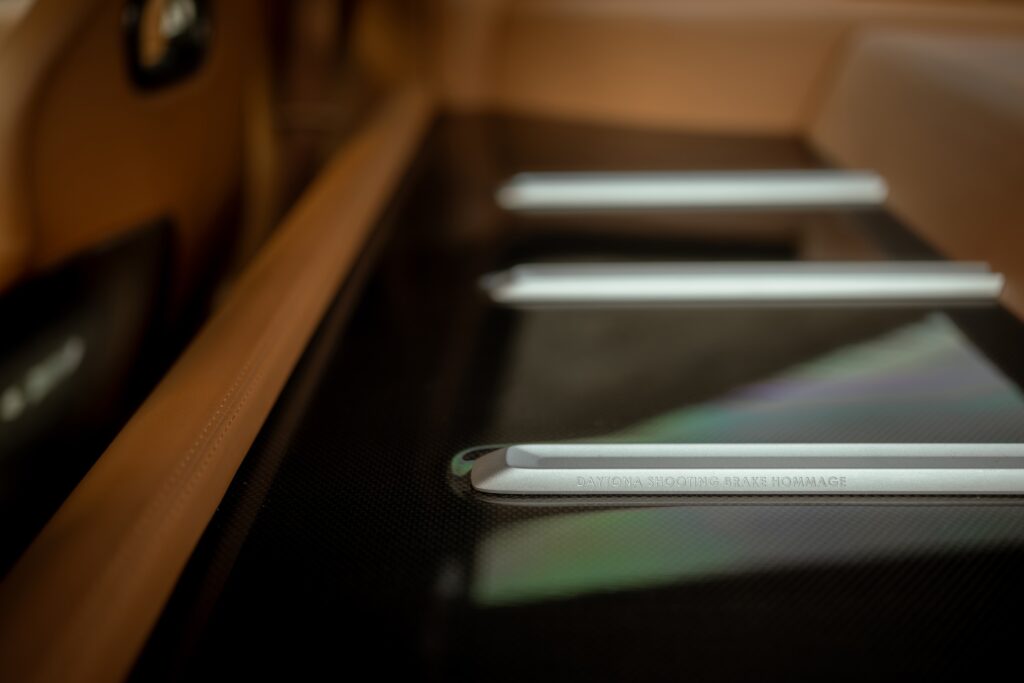
The extended rear compartment is lined in fine leather and incorporates beautifully machined aluminium luggage runners integrated into a carbon-fibre floor.
Every detail has been considered.
Even the luggage area becomes part of the design experience.
It is a reminder that grand touring has always been about travelling beautifully rather than simply travelling quickly.
Powered by a Naturally Aspirated Ferrari V12
Beneath the sculptural bodywork remains the character that has always defined Ferrari’s great front-engined grand tourers.
A naturally aspirated V12 continues to provide effortless performance, immediate throttle response and the unmistakable soundtrack that only twelve cylinders can deliver.
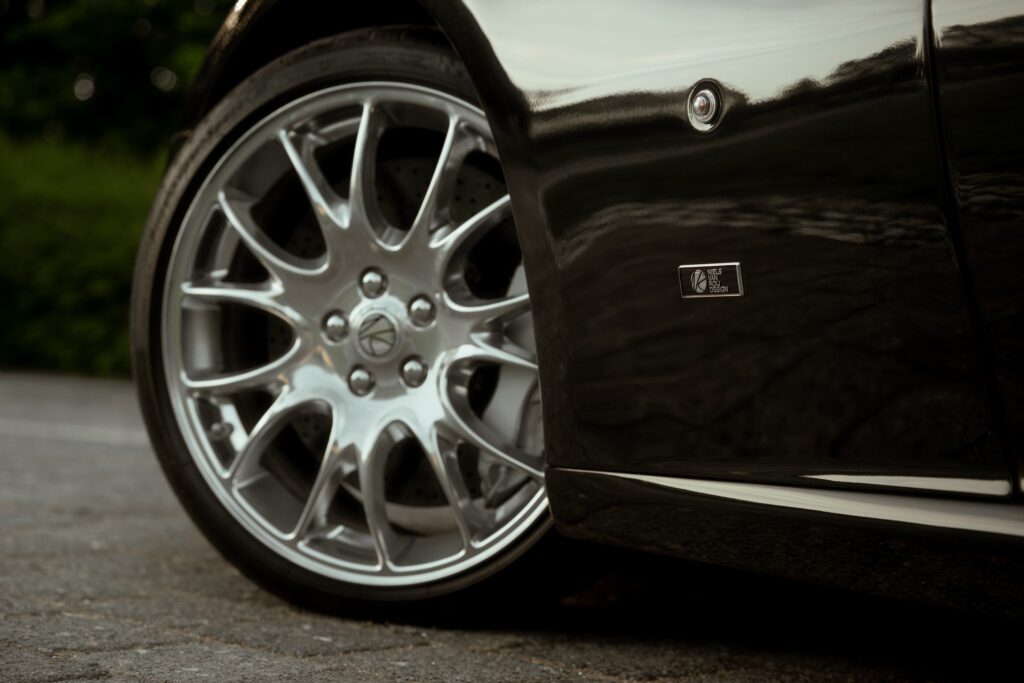
Rather than altering the mechanical personality of the donor car, the project allows the engine to remain the emotional centre of the experience.
The coachbuilding transforms the body.
The Ferrari soul remains untouched.
Fifteen Thousand Hours of Craftsmanship
Projects of this complexity cannot be measured in weeks or months.
The Daytona Shooting Brake Hommage represents approximately 15,000 hours of design development, engineering, prototype refinement and artisanal craftsmanship.
From digital modelling to hand-shaped aluminium panels, every stage reflects an extraordinary commitment to quality.
It is precisely this level of dedication that separates true coachbuilding from conventional automotive modification.
The Enduring Appeal of Coachbuilding
The Daytona Shooting Brake Hommage reminds us that coachbuilding remains one of the purest forms of automotive expression.
Rather than producing another limited-edition supercar, Niels van Roij has demonstrated that individuality, craftsmanship and timeless design still have a place within the modern automotive world.
It celebrates proportion rather than spectacle.
Elegance rather than excess.
History without imitation.
More than half a century after the original Daytona Shooting Brake challenged conventional thinking, its spirit lives on through a new generation of artisans willing to shape aluminium by hand and transform imagination into reality.
Some cars become collectibles.
Others become works of art.
The Daytona Shooting Brake Hommage succeeds in becoming both