
For decades, the world’s most celebrated supercars have emerged from familiar destinations.
Italy.
The United Kingdom.
Germany.
More recently, Scandinavia.
Portugal was rarely mentioned in conversations about hypercars.
Until now.
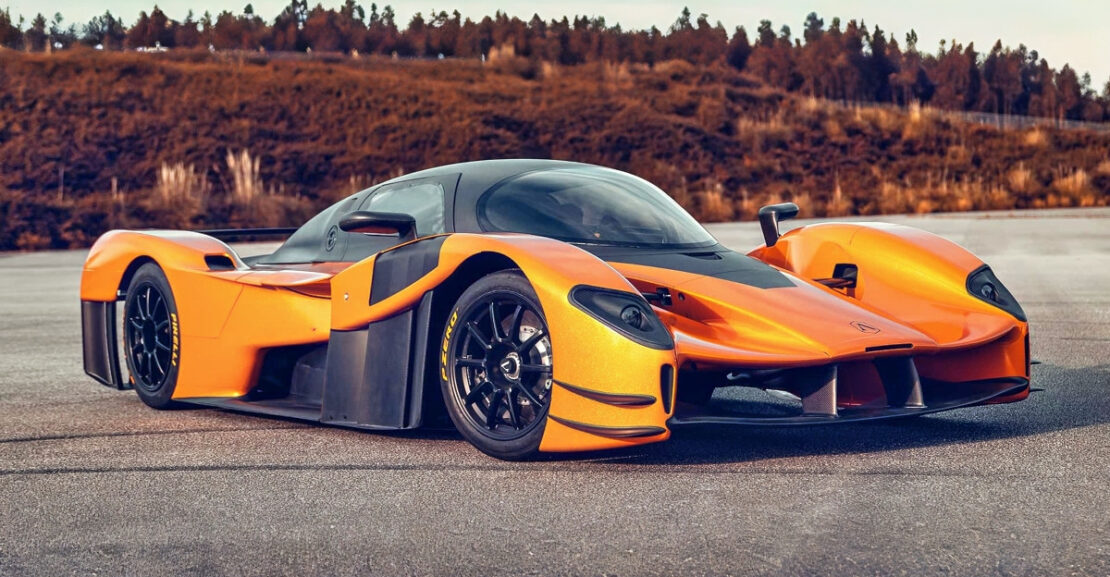
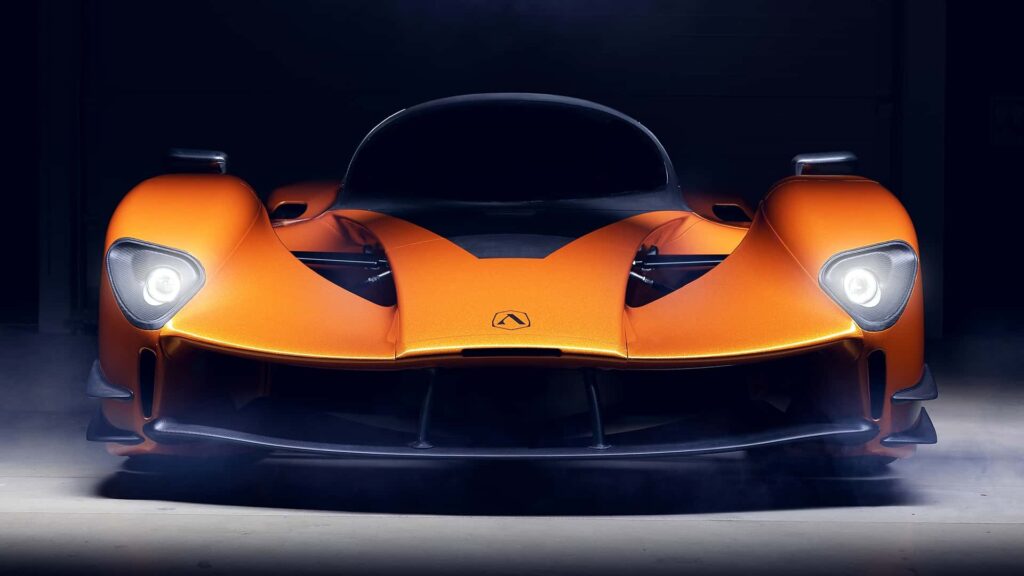
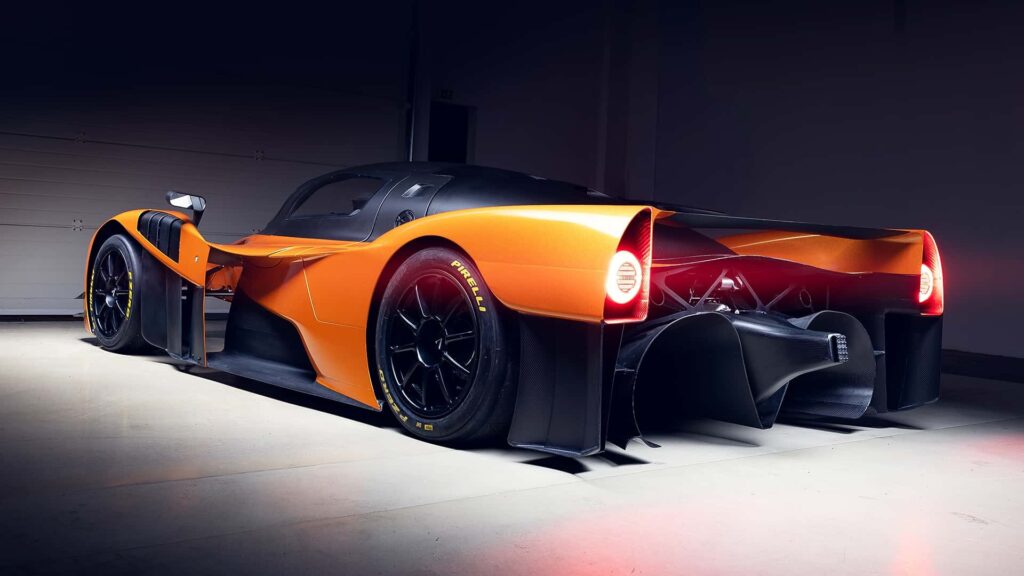
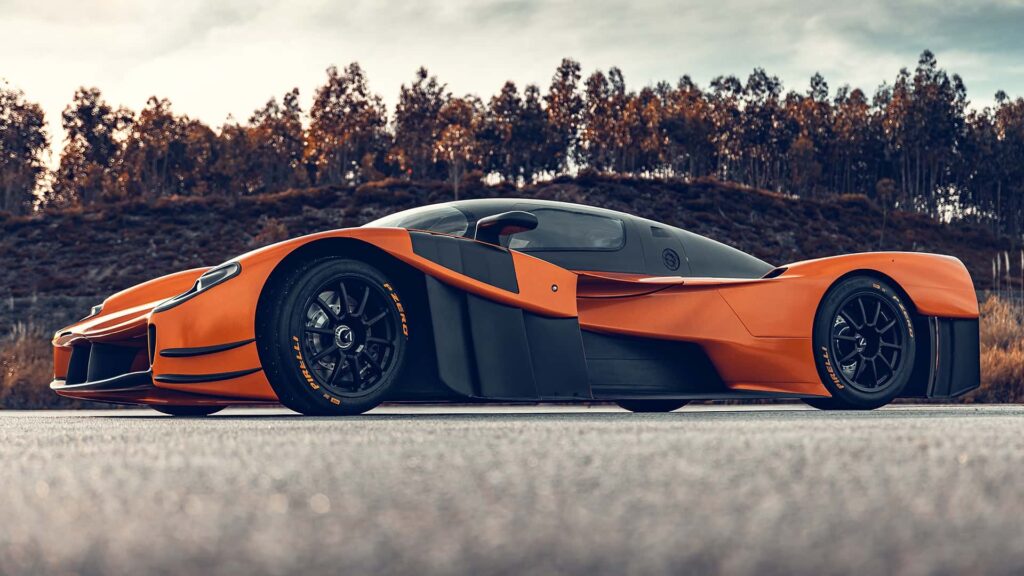
The Adamastor Furia Stradale marks one of the most ambitious automotive projects ever to emerge from the Iberian Peninsula. Developed by Porto-based manufacturer Adamastor, the Furia is not simply Portugal’s first hypercar—it is a statement of intent. Designed from the ground up around lightweight construction, advanced aerodynamics and motorsport engineering, it represents the arrival of a new name in one of the most demanding segments of the automotive world.
A Name Rooted in Portuguese Heritage
The name Adamastor carries deep significance in Portuguese culture.
It originates from Os Lusíadas, the epic poem by Luís de Camões, where Adamastor appears as a mythical giant representing the dangers and challenges faced by Portuguese explorers during the Age of Discovery. It is a symbol of ambition, perseverance and overcoming the impossible.
For a young company attempting to establish itself among the likes of Pagani, Koenigsegg and Aston Martin, the choice feels entirely appropriate.
The Furia is not merely a car.
It is the embodiment of a national ambition.
Built Around Aerodynamics
Unlike many exotic manufacturers that begin with styling and adapt engineering around it, Adamastor followed a different path.
The Furia was designed with aerodynamics at the centre of the development process. Engineers shaped the entire vehicle around airflow management, resulting in a body dominated by functional surfaces, dramatic tunnels and advanced underbody aerodynamics. Large Venturi channels beneath the car generate significant downforce without relying solely on oversized wings and external appendages.
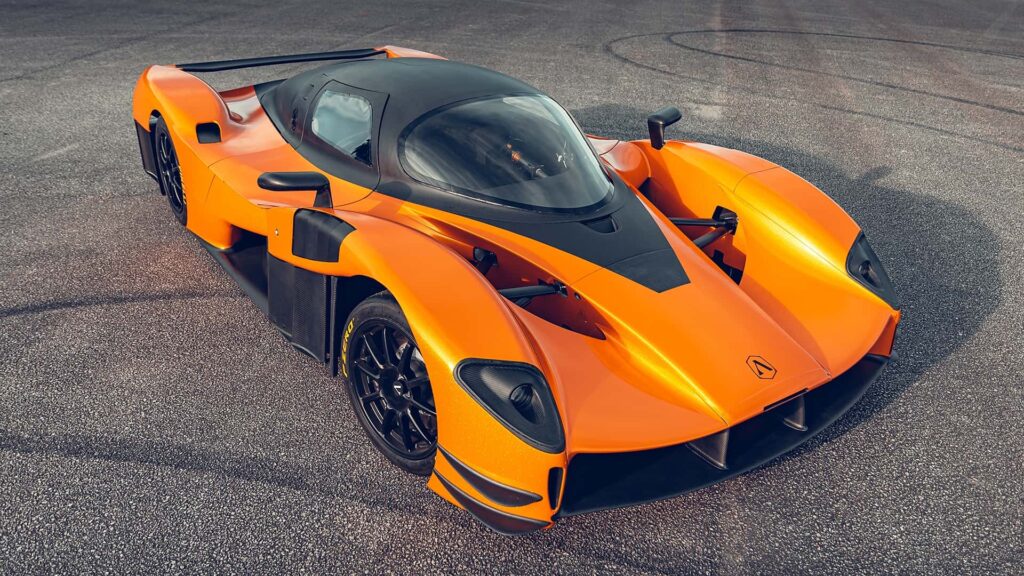
The result is a machine that appears sculpted by the wind itself.
Low.
Wide.
Purposeful.
Every line serves a function.
Every surface contributes to performance.
Rather than chasing visual drama for its own sake, the Furia embraces the philosophy that true beauty emerges from engineering efficiency.
Praga Bohema – Raw Power, Race-Bred Precision and Czech Heritage
Carbon Fibre at Its Core
Lightweight construction has become a defining characteristic of the modern hypercar, and the Furia embraces that principle wholeheartedly.
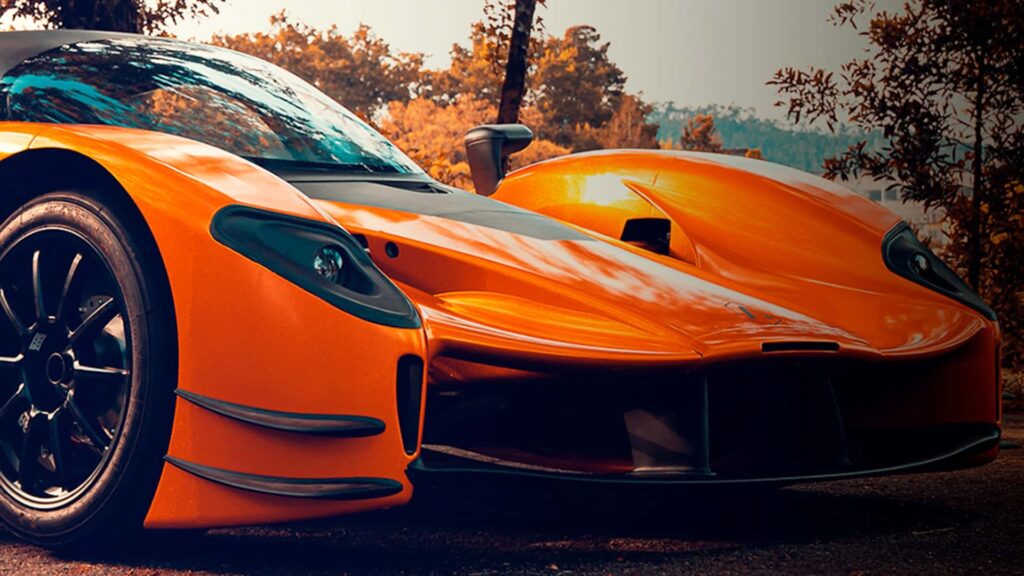
The car is built around a carbon-fibre monocoque with extensive use of composite materials throughout the structure and bodywork. Depending on specification, dry weight is reported at approximately 1,050 to 1,100 kilograms, placing it among the lightest high-performance road cars currently in development.
That lightweight philosophy influences every aspect of the vehicle’s behaviour.
Less mass means greater agility.
Greater responsiveness.
More direct communication between driver and machine.
In an era where many hypercars have become increasingly heavy due to hybrid systems and batteries, the Furia follows a refreshingly different route.
Ford GT Power with a Portuguese Soul
Power comes from one of the most respected modern performance engines available.
Mounted longitudinally behind the cockpit is a twin-turbocharged 3.5-litre V6 derived from Ford Performance’s acclaimed GT programme. Depending on specification, output exceeds 650 horsepower, while torque delivery is engineered to provide strong performance across the rev range.
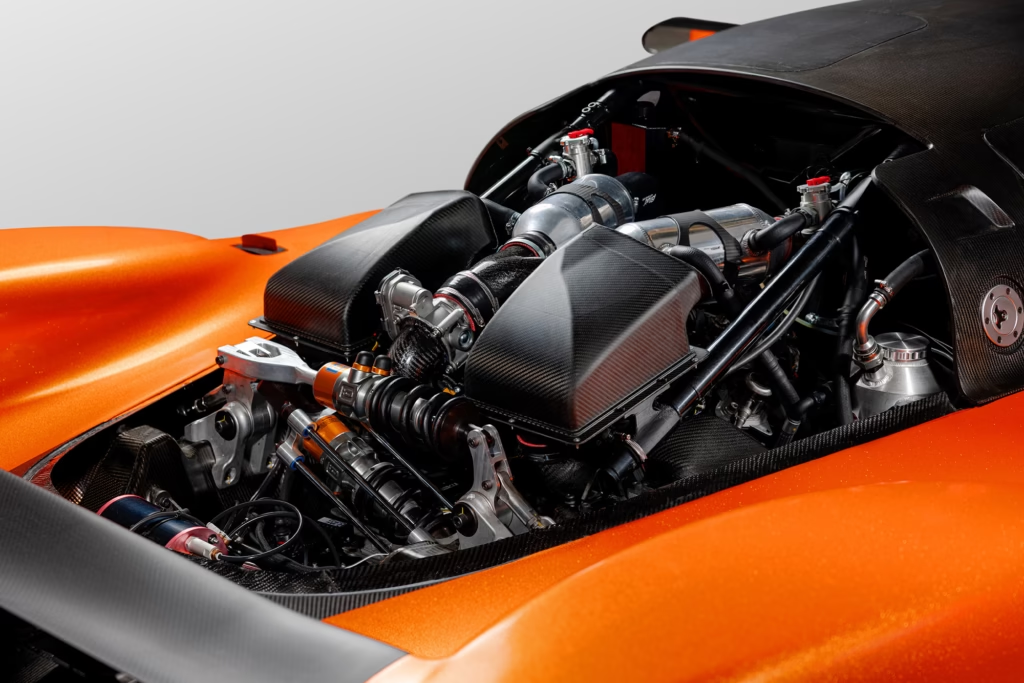
On paper, those figures may appear modest compared to the 1,500-horsepower monsters dominating today’s hypercar headlines.
In reality, context matters.
With barely more than a tonne to move, the Furia relies on efficiency rather than excess. The combination of low weight, rear-wheel drive and racing-inspired engineering promises a driving experience focused on precision rather than brute force.
This philosophy feels closer to a modern endurance racing prototype than a traditional road-going hypercar.
Engineering Inspired by Motorsport
The Furia’s ambitions extend well beyond road use.
Double-wishbone suspension, adjustable chassis settings, AP Racing brakes and a motorsport-derived sequential gearbox underline the company’s commitment to performance engineering. The cockpit itself is integrated into the carbon-fibre structure, reflecting the design principles normally associated with competition machinery.
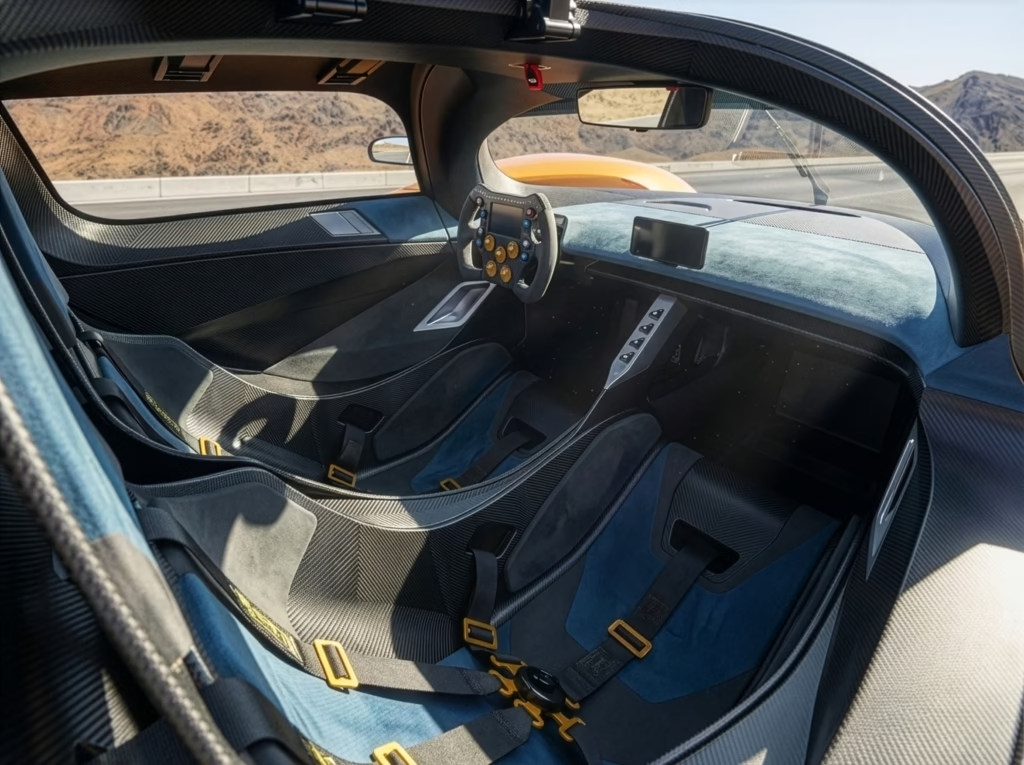
Adamastor has also made no secret of its long-term ambitions.
The company openly references future motorsport aspirations, including endurance racing and the possibility of one day competing at Le Mans. For a manufacturer introducing its first production model, such goals may seem ambitious. Yet many of the world’s most respected hypercar brands began with equally audacious dreams.
Exclusivity by Design
Only 60 examples of the Furia are planned for production.
Each car will be assembled in Portugal using a highly specialized manufacturing process that emphasizes quality, personalization and direct involvement with customers. Early reports suggest pricing begins around €1.6 million before taxes, placing the Furia firmly within hypercar territory.
For collectors, rarity has always been part of the appeal.
Yet exclusivity alone is never enough.
What makes the Furia compelling is the fact that it offers something genuinely different within a market increasingly crowded with familiar formulas.
Giamaro Krafla — Italy’s 2,157 HP Quad-Turbo V12 Hypercar
More Than Portugal’s First Hypercar
The easiest way to describe the Adamastor Furia is as Portugal’s first hypercar.
The more accurate description is that it represents Portugal’s first serious attempt to compete on the global high-performance stage.
The project combines lightweight engineering, motorsport-derived aerodynamics, proven performance hardware and a clear long-term vision. Most importantly, it demonstrates a level of technical ambition that extends far beyond producing a limited-edition collector’s item.
Whether Adamastor ultimately joins the ranks of the industry’s established names remains to be seen.
But the Furia already achieves something significant.
It proves that innovation in the hypercar world can still emerge from unexpected places.
A New Chapter for European Performance
The hypercar landscape has never been more competitive.
Yet it has also never been more open to bold ideas.
The Adamastor Furia enters the market not with heritage stretching back decades, but with a clean sheet of paper and a clear objective. It embraces lightweight construction over excess, aerodynamics over theatrics and engineering purity over headline-grabbing numbers.
In many ways, that may be precisely what makes it so intriguing.
Because every great automotive story begins with a first chapter.
For Portugal, the Adamastor Furia is exactly that.