
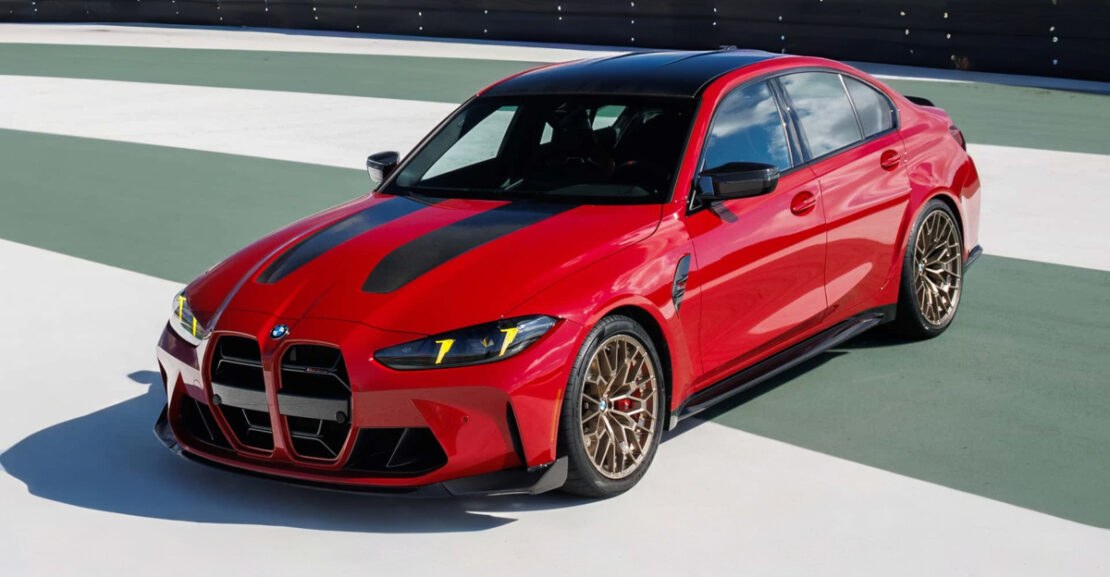
At a time when high-performance cars are becoming increasingly digital, electrified, and software-controlled, BMW M has decided to do something almost irrational.
It built a lightweight, rear-wheel-drive BMW M3 CS with a manual gearbox.
And for enthusiasts, that changes everything.
Officially known as the 2027 BMW M3 CS Handschalter, this limited-production special edition represents far more than another fast M car.
It is the final analog celebration of the current-generation G80 M3.
And perhaps one of the last truly traditional BMW M cars ever created.
“Handschalter” — A Name That Says Everything
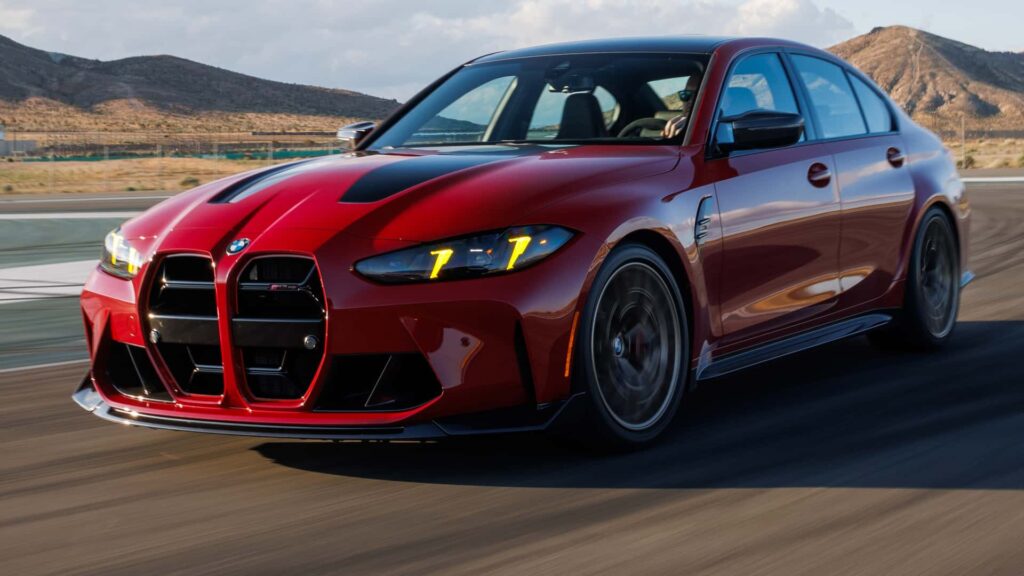
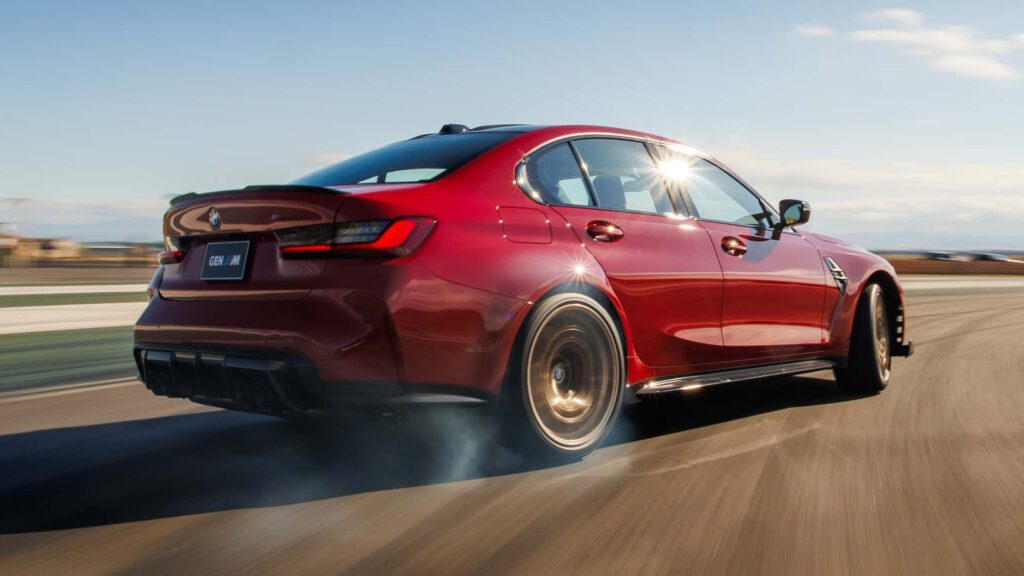
BMW deliberately gave the car a deeply German identity.
“Handschalter” simply means:
Manual transmission.
But inside BMW M culture, the word carries emotional weight.
Because this is not merely another manual M3.
It is the first-ever M3 CS to combine:
- rear-wheel drive
- lightweight CS engineering
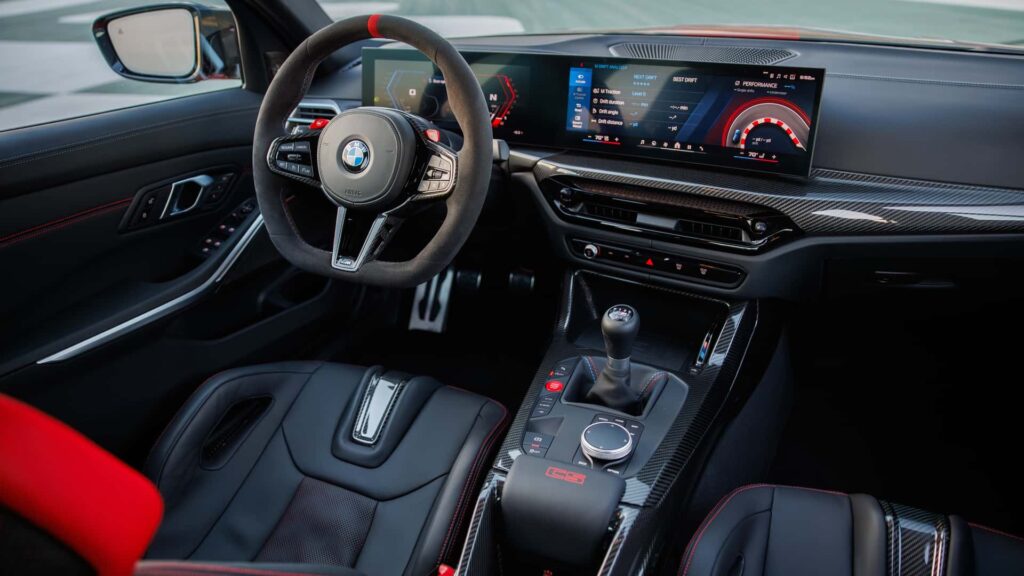
- six-speed manual transmission
into a single package.
And in today’s performance-car world, that formula feels almost extinct.
A Farewell to the G80 Era
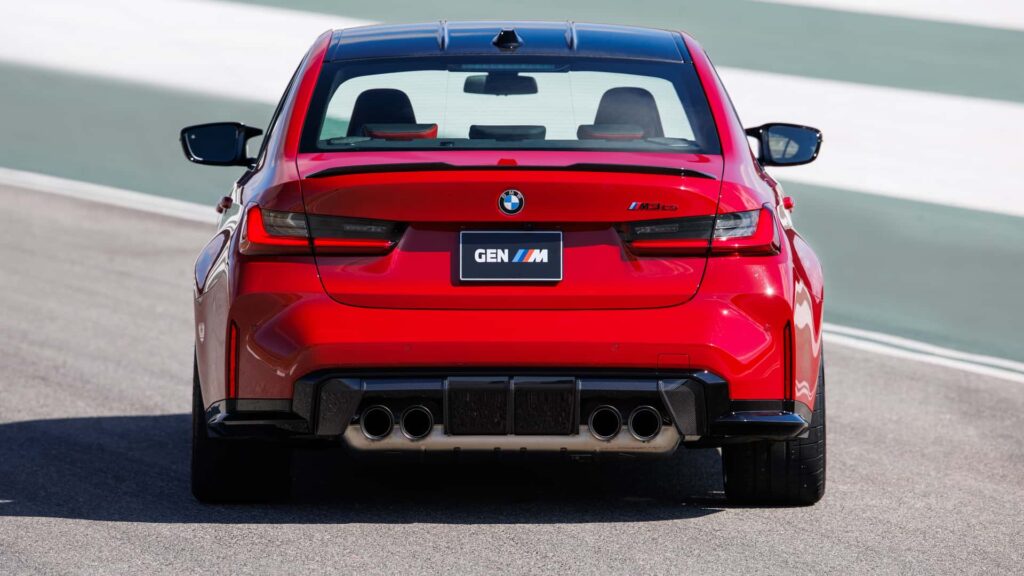
BMW M openly positions the M3 CS Handschalter as the send-off for the sixth-generation M3 platform.
That matters because the next-generation M3 is expected to move heavily toward electrification and the Neue Klasse architecture.
The Handschalter therefore arrives at a very specific moment in automotive history:
The final years of the traditional combustion-powered BMW M sedan.
And BMW clearly understands what enthusiasts will miss most.
Not simply horsepower.
But interaction.
Rear-Wheel Drive Returns to Center Stage
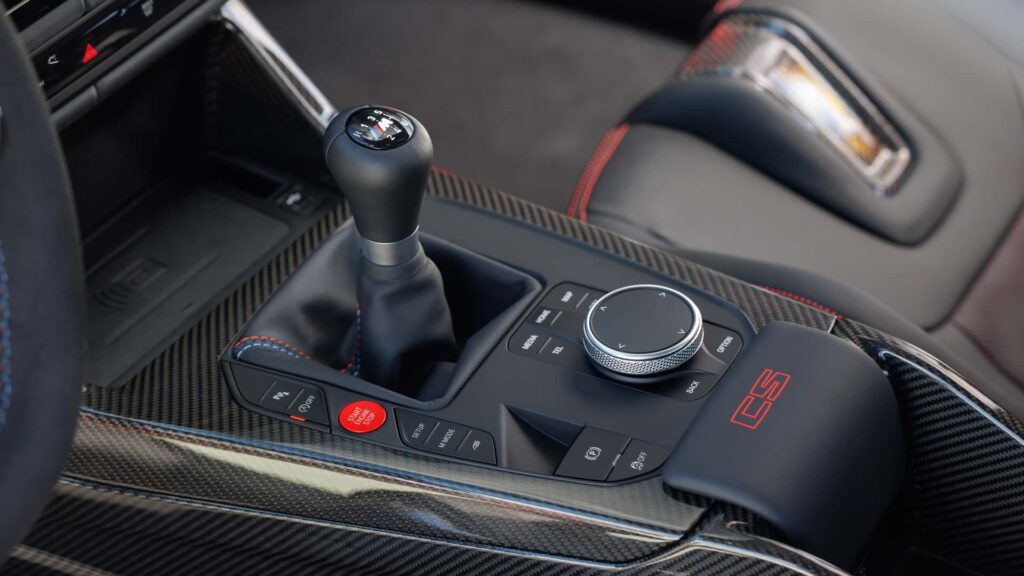
Unlike the standard M3 CS — which uses xDrive all-wheel drive and automatic transmission — the Handschalter embraces a far more purist configuration:
- rear-wheel drive
- six-speed manual
- reduced weight
- driver-focused balance
Power comes from BMW’s twin-turbocharged 3.0-liter inline-six producing approximately 473 horsepower and 406 lb-ft of torque.
On paper, that output is lower than the automatic M3 CS.
But numbers are not the point here.
The Handschalter prioritizes connection over optimization.
And that distinction defines the entire car.
Why the Manual Matters
Modern performance cars have become astonishingly fast.
But many have also become emotionally distant.
Dual-clutch transmissions, hybrid torque fills, and electronic calibration often remove the imperfections that once made sports sedans exciting.
The M3 CS Handschalter deliberately reintroduces them.
- clutch engagement
- heel-and-toe interaction
- gear selection timing
- rear-wheel-drive balance
- physical involvement
The experience becomes participatory again.
And that alone may make this one of the most collectible modern BMW M cars in the future.
Lightweight CS Engineering
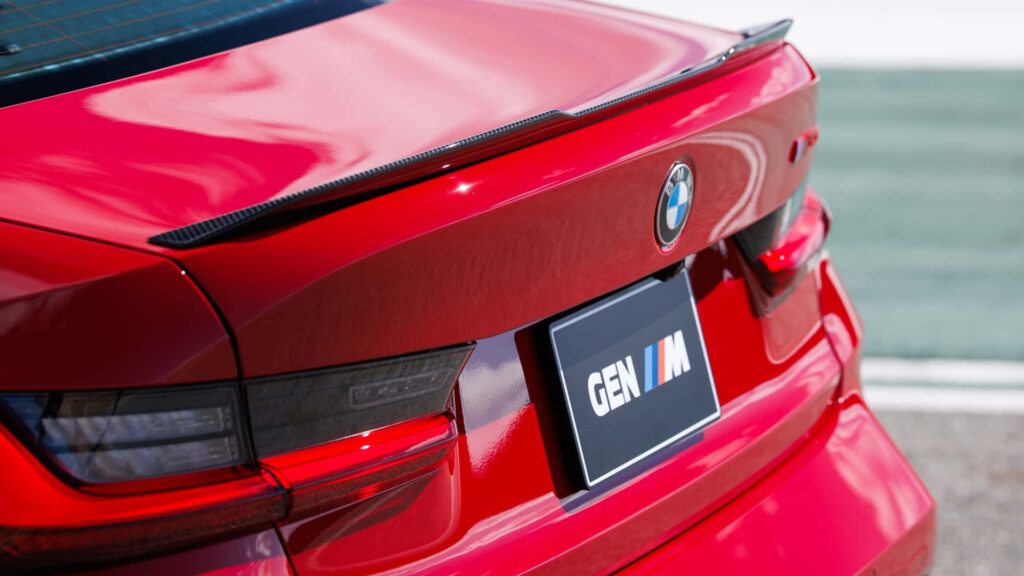
BMW did not simply install a manual gearbox into a standard M3.
The Handschalter receives the full CS treatment:
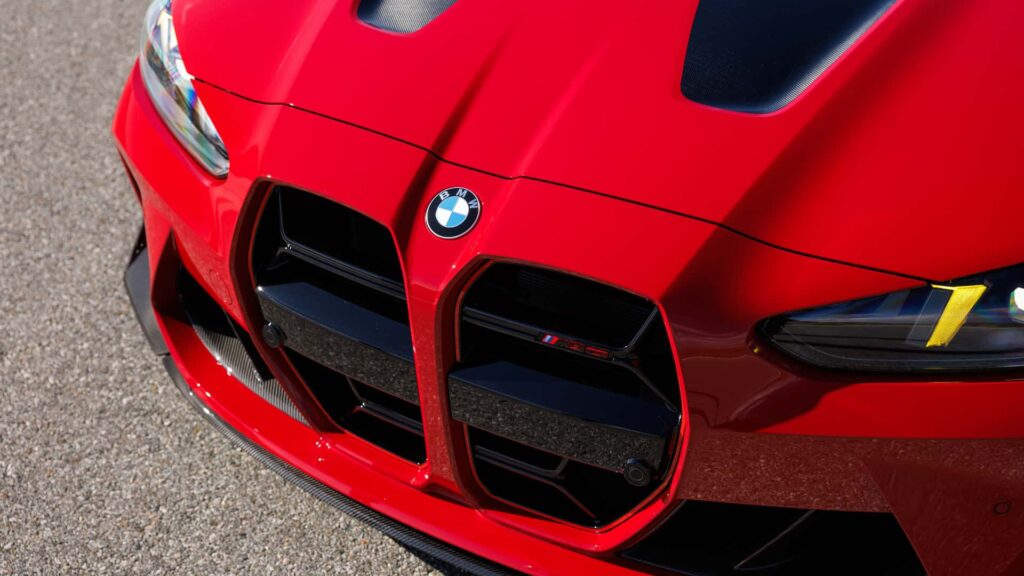
- extensive carbon-fiber components
- titanium exhaust system
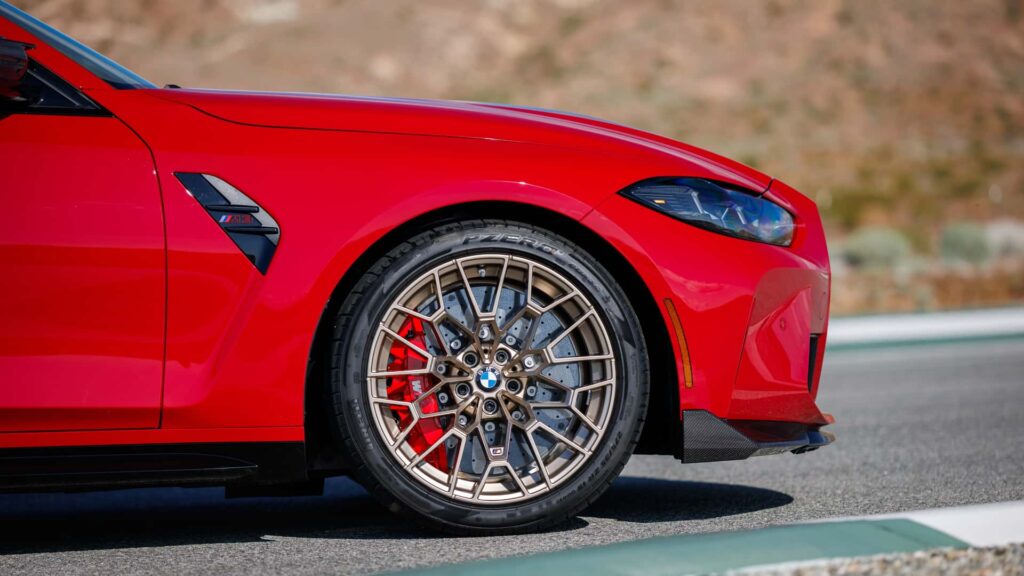
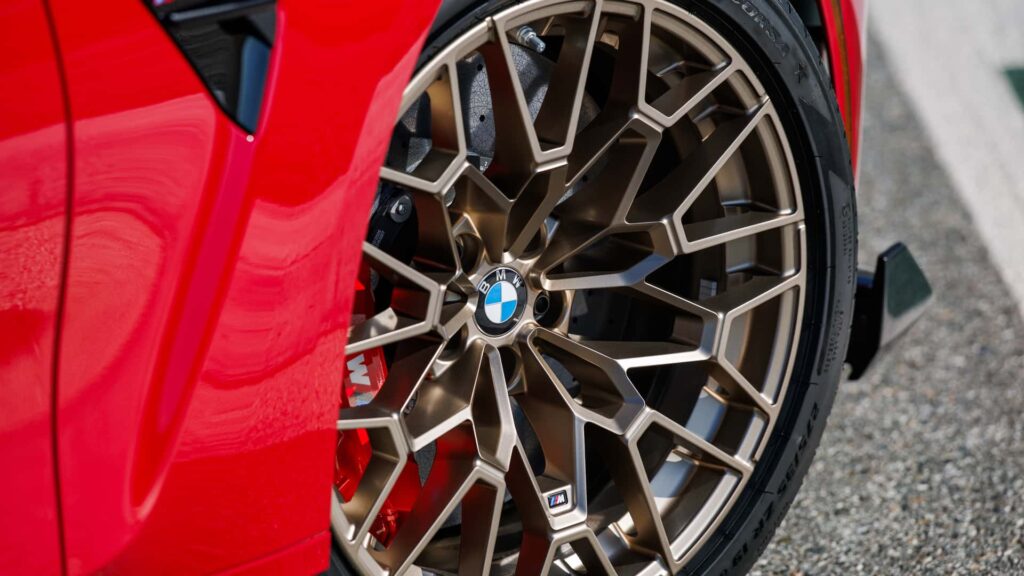
- forged wheels
- reduced sound insulation
- M Carbon bucket seats
- revised chassis calibration
- lower ride height
BMW claims meaningful weight savings versus the standard manual M3, further sharpening responsiveness and balance.
The result should feel significantly more alive and agile than conventional M3 variants.
A More Focused Driving Experience
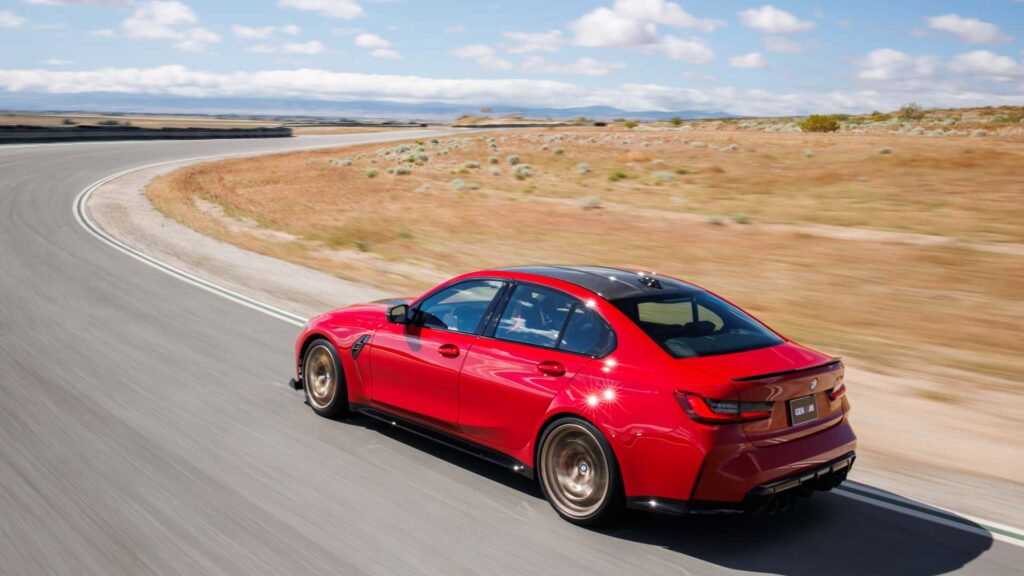
The chassis tuning appears specifically calibrated for the unique character of the manual transmission and rear-wheel-drive layout.
That includes:
- revised steering mapping
- suspension retuning
- model-specific damping setup
- optimized weight distribution characteristics
BMW also borrows hardware from more extreme M products, including suspension components inspired by the M4 CSL.
The goal is clear:
Create the most engaging possible road-focused M3 rather than the fastest.
The Last Great Inline-Six M Sedan?
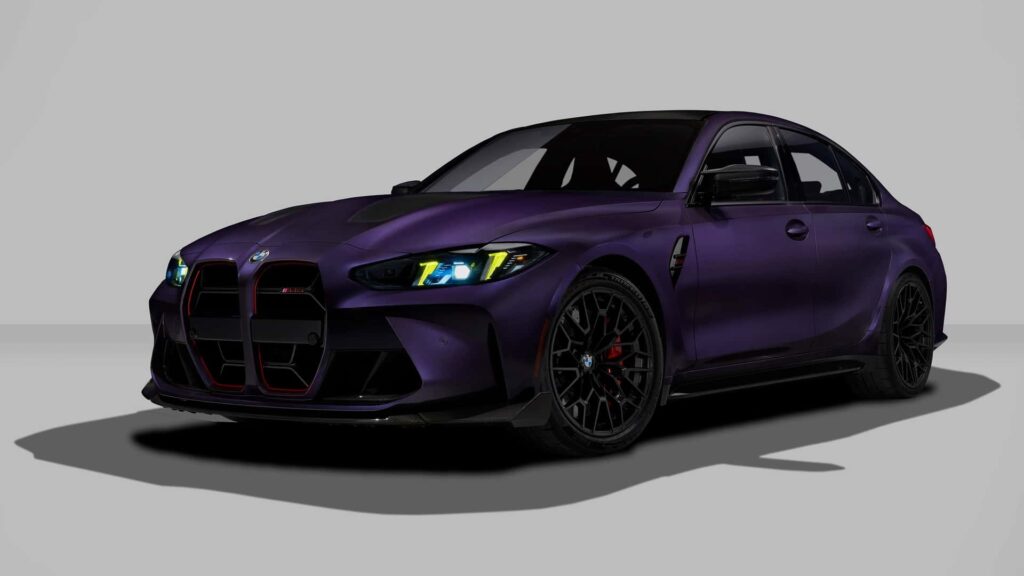
The M3 has always occupied a uniquely important place within enthusiast culture.
From the E30 homologation legend to the V8-powered E90 and turbocharged F80 generations, the car continuously evolved while preserving one core idea:
A high-performance sports sedan built around driver involvement.
The Handschalter may ultimately become the purest modern expression of that philosophy.
Because it arrives precisely when the industry is moving away from it.
Collectibility Already Feels Inevitable
BMW plans to build the M3 CS Handschalter in very limited numbers.
That exclusivity, combined with its unique specification, almost guarantees long-term collector interest.
Why?
Because the car combines several increasingly endangered characteristics:
- manual gearbox
- rear-wheel drive
- inline-six combustion engine
- compact sports sedan proportions
- lightweight philosophy
Future performance cars may become quicker.
But they may never feel like this again.
BMW M at an Emotional Crossroads
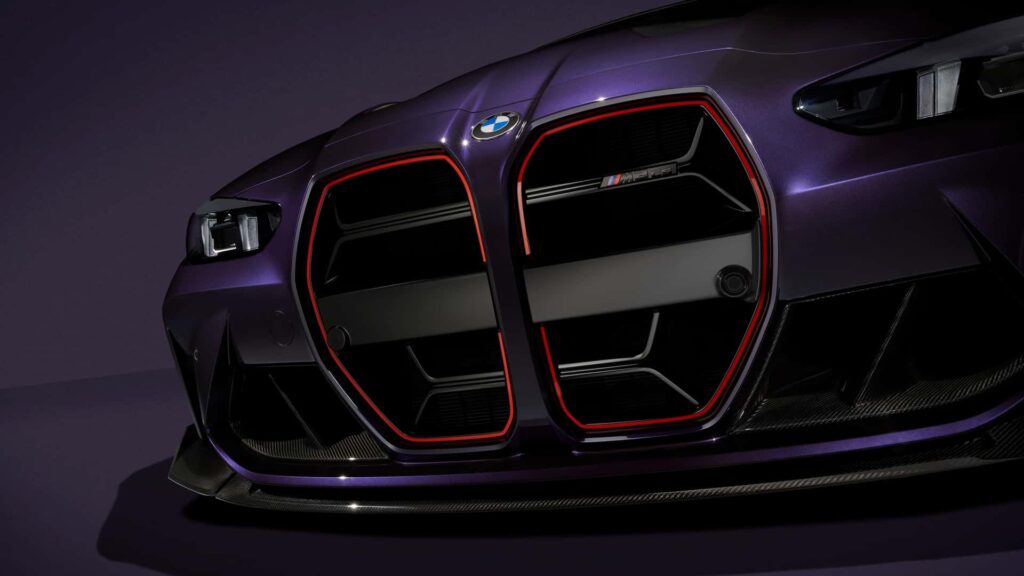
The Handschalter also symbolizes something larger inside BMW M itself.
The division is balancing two worlds simultaneously:
- electrified future performance
- traditional enthusiast identity
Cars like the upcoming Neue Klasse M models will likely introduce enormous technological capability.
But the M3 CS Handschalter serves as a reminder of where BMW M earned its reputation in the first place:
Mechanical emotion.
And that emotional connection remains impossible to quantify on a specification sheet.
A Car Built for Enthusiasts, Not Algorithms
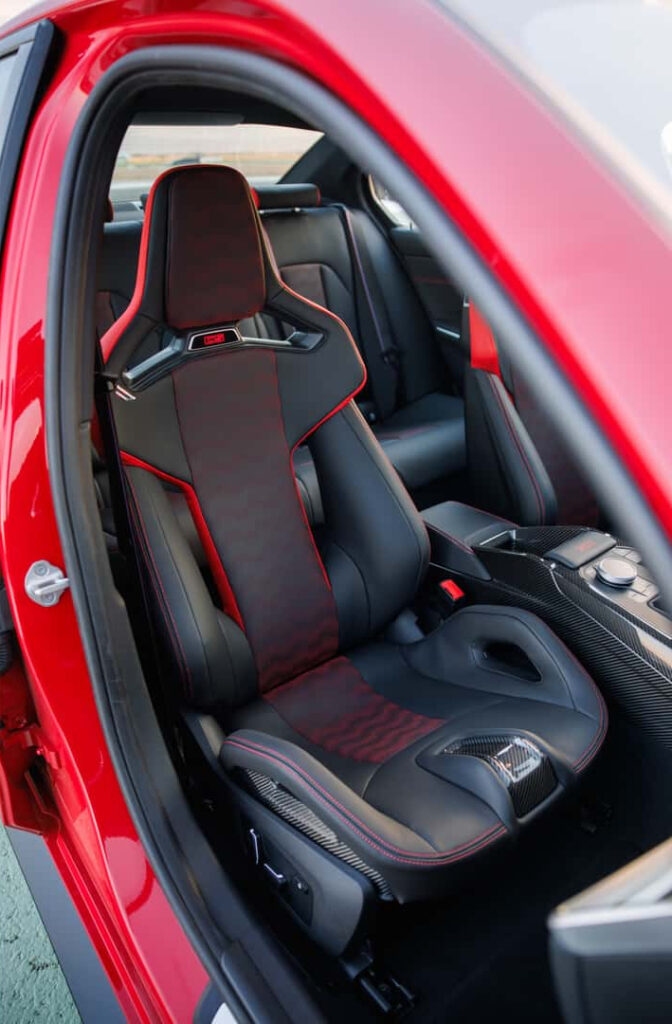
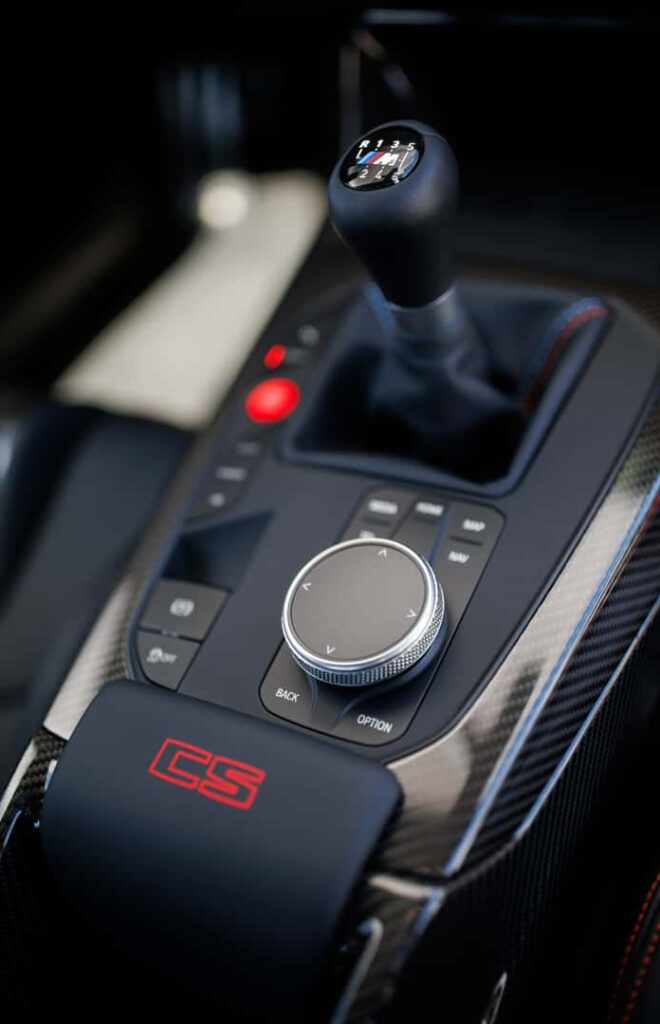
The automotive industry increasingly optimizes vehicles around measurable performance.
Launch control.
Lap times.
Software efficiency.
Digital interfaces.
The M3 CS Handschalter feels refreshingly human by comparison.
It asks the driver to participate.
To focus.
To engage.
And because of that, it may ultimately become more memorable than many objectively faster cars.
The End of an Era
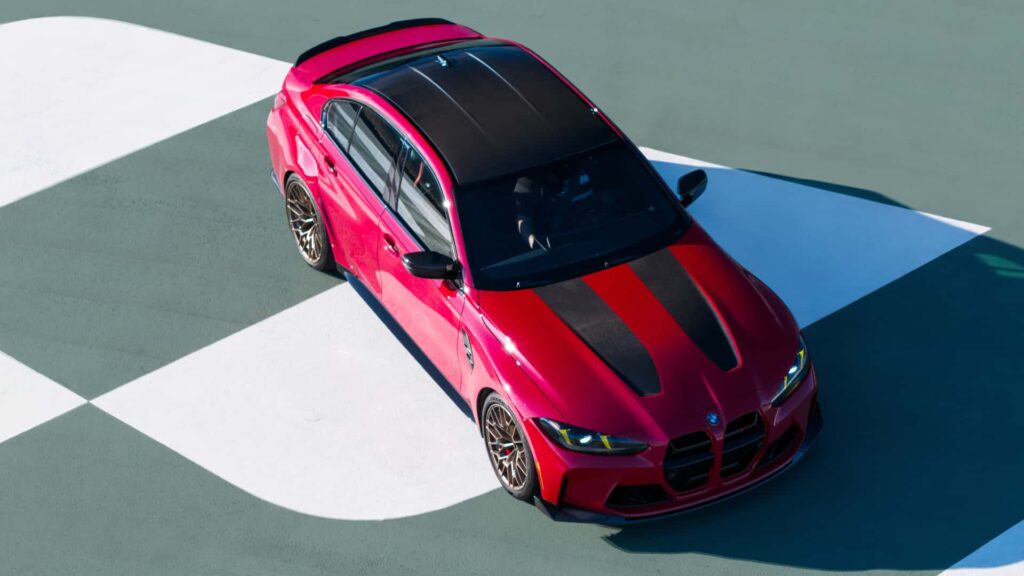
BMW M knows the world is changing.
Manual transmissions are disappearing.
Combustion engines face increasing pressure.
Sports sedans themselves are becoming rarer.
The 2027 BMW M3 CS Handschalter does not try to ignore that reality.
Instead, it celebrates everything enthusiasts loved about the M3 before the industry changes permanently.
And in doing so, it may become one of the defining analog performance cars of its generation.