
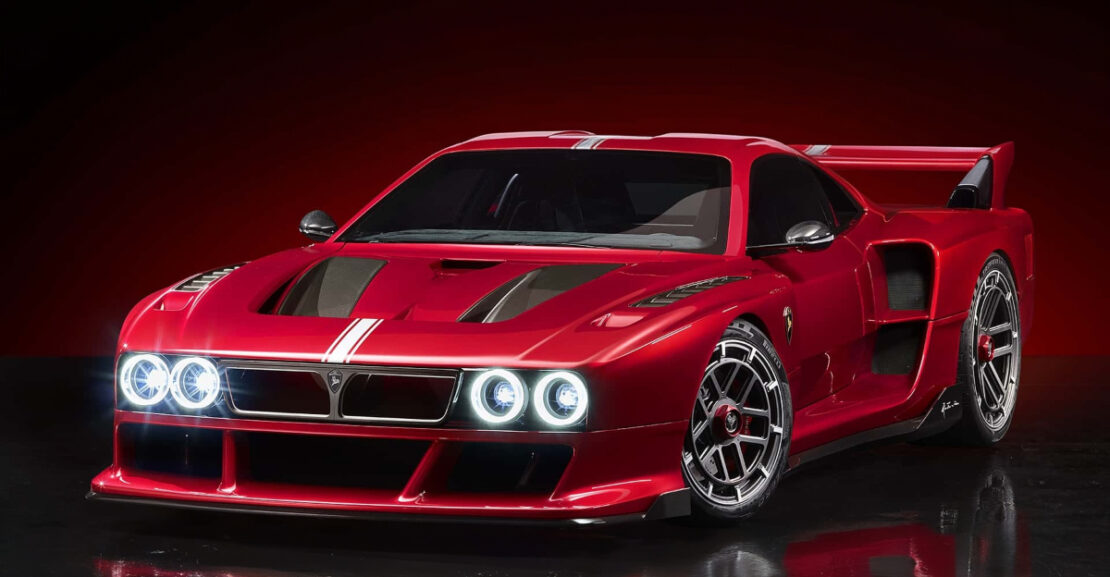
In an automotive era dominated by electrification, software layers, and increasingly sanitized performance, the Kimera Automobili K-39 arrives like an act of rebellion.
It is loud.
Mechanical.
Visceral.
And unapologetically emotional.
Created by the same Italian atelier behind the acclaimed EVO37 and EVO38 restomods, the K-39 marks Kimera Automobili’s most ambitious project yet — a full-scale hypercar inspired by the legendary endurance and silhouette racing machines of the late 1970s and early 1980s.
But unlike many modern hypercars chasing digital perfection, the K-39 appears focused on something far rarer:
Pure driving intensity.
Beyond Restomod — Enter the “Hyper Retromod”
With the EVO37 and EVO38, Kimera earned global attention by reimagining historic Lancia rally icons through modern engineering and handcrafted Italian design.
The K-39 changes the scale completely.
This is no reinterpretation of an existing road car.
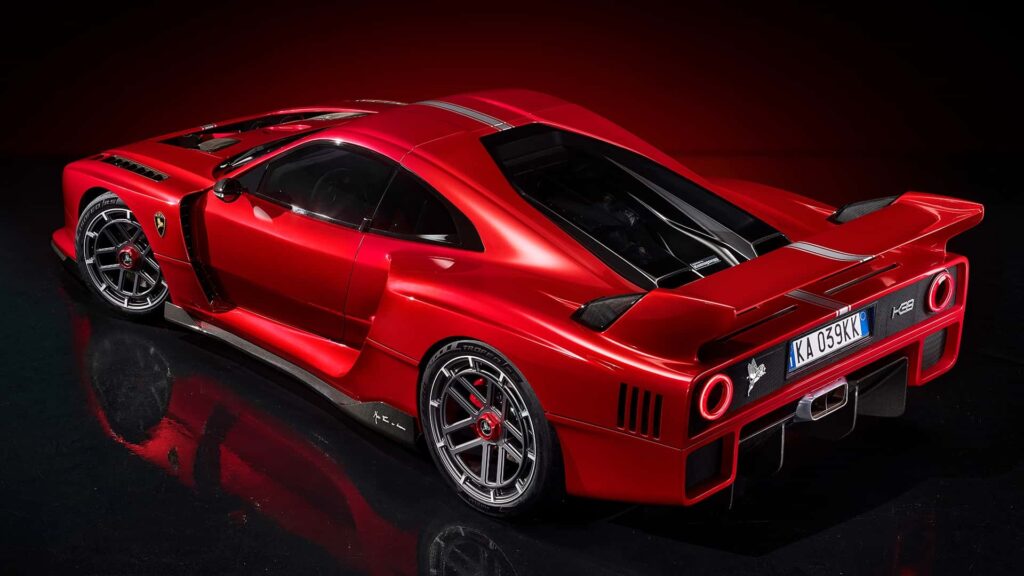
It is an entirely new carbon-fiber hypercar that introduces what Kimera calls a new category: the “Hyper Retromod.”
The philosophy blends:
- vintage motorsport aesthetics
- modern aerodynamics
- analogue engagement
- contemporary hypercar engineering
And the result feels unlike almost anything else on the road today.
Inspired by the Silhouette Racing Monsters
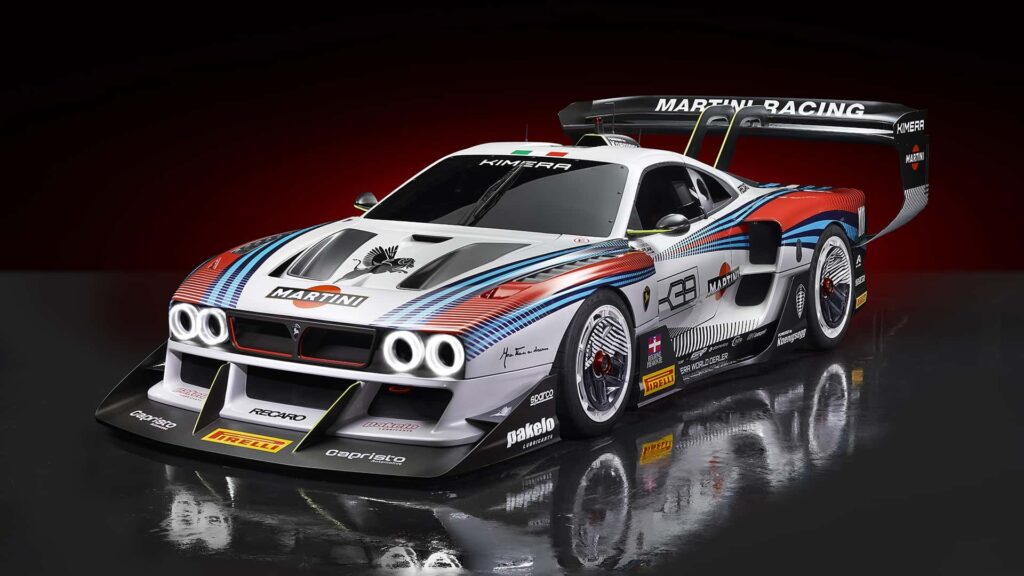
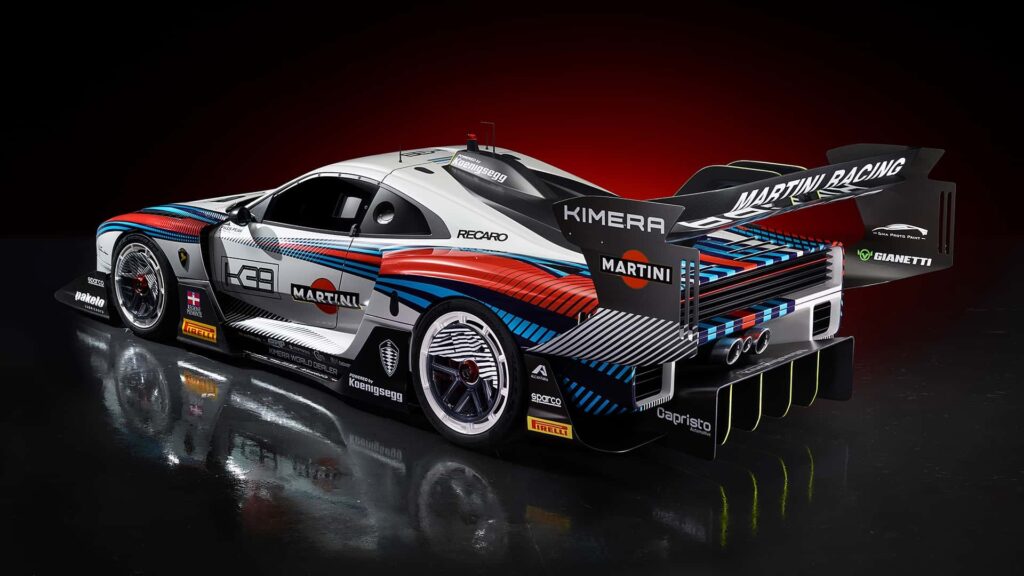
The K-39 draws direct inspiration from the extreme “Silhouette” race cars that dominated endurance racing and hill-climb events decades ago.
These machines were famous for:
- impossibly wide bodywork
- dramatic aerodynamic experimentation
- lightweight construction
- brutal turbocharged power
- theatrical visual presence
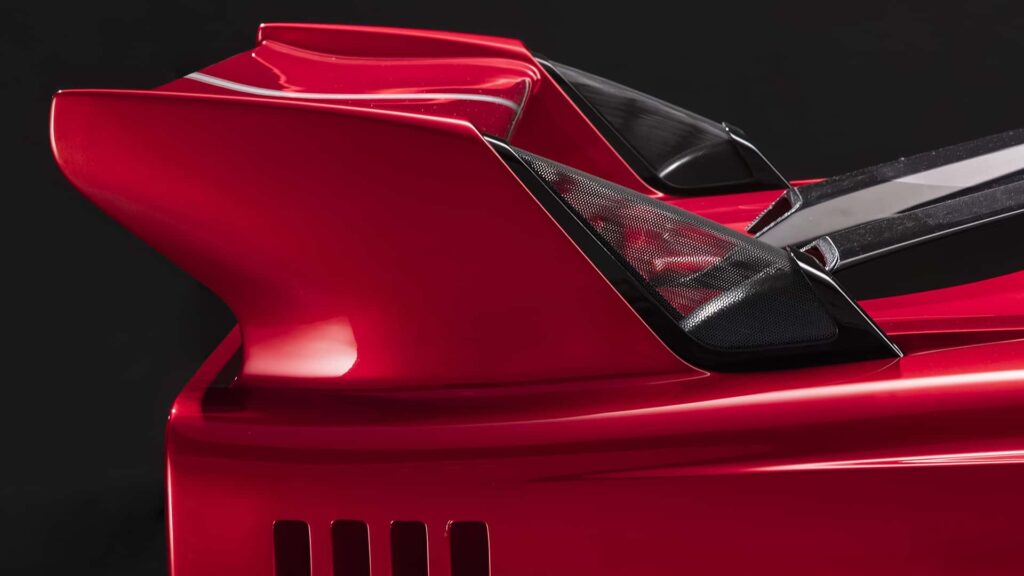
Kimera channels that same spirit into the K-39 through exaggerated rear haunches, a low central cockpit, sculptural aerodynamic surfaces, and unmistakably retro-futuristic proportions.
It looks less like a conventional hypercar…
…and more like a Le Mans prototype escaped from an alternate timeline.
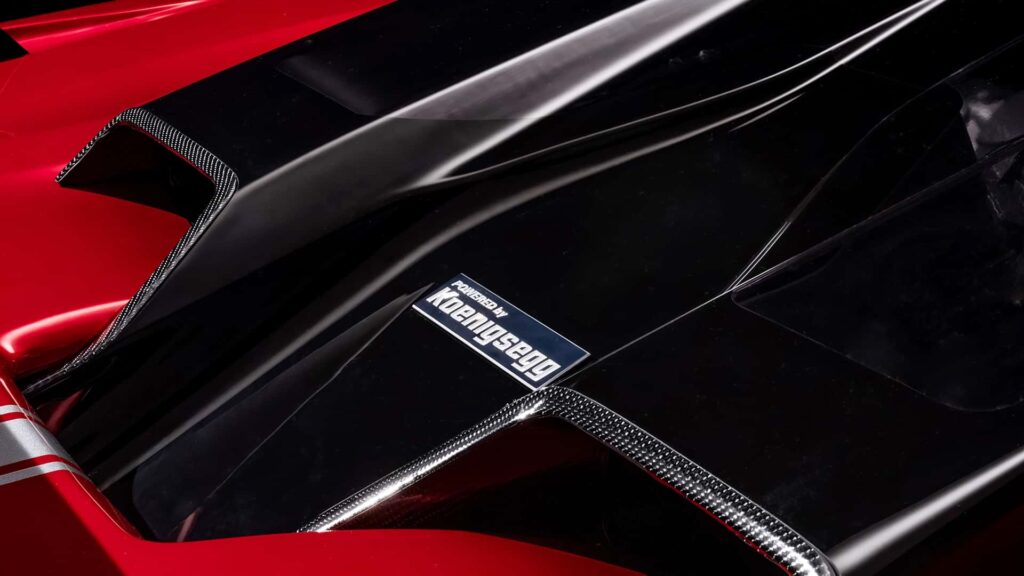
Powered by Koenigsegg
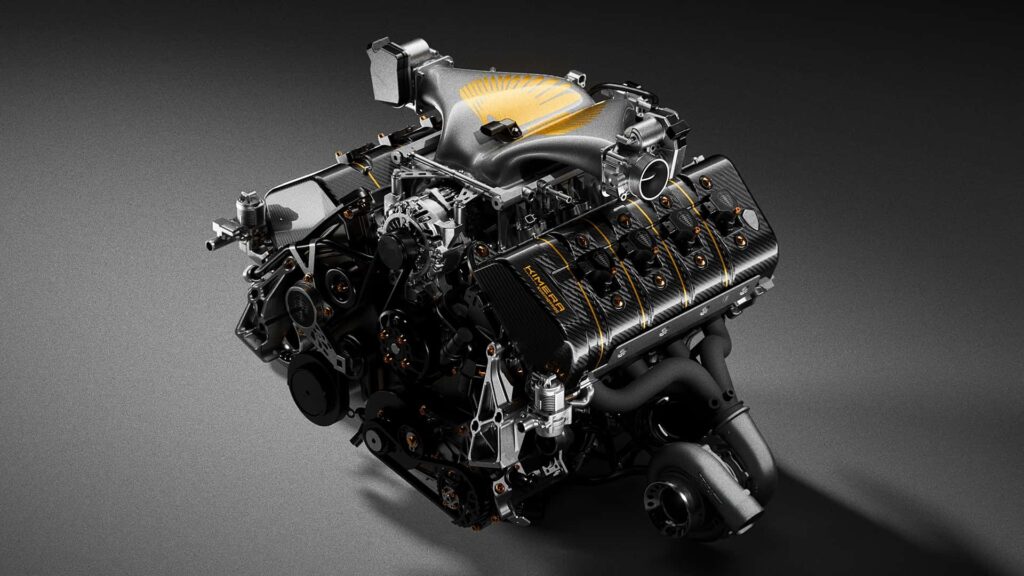
The most shocking aspect of the K-39 may sit behind the driver.
Kimera partnered with Koenigsegg to develop a bespoke twin-turbocharged V8 specifically for the project.
Output figures are extraordinary:
- approximately 1,000 horsepower
- around 1,200 Nm of torque
Yet what matters more is how Kimera appears to deliver that power.
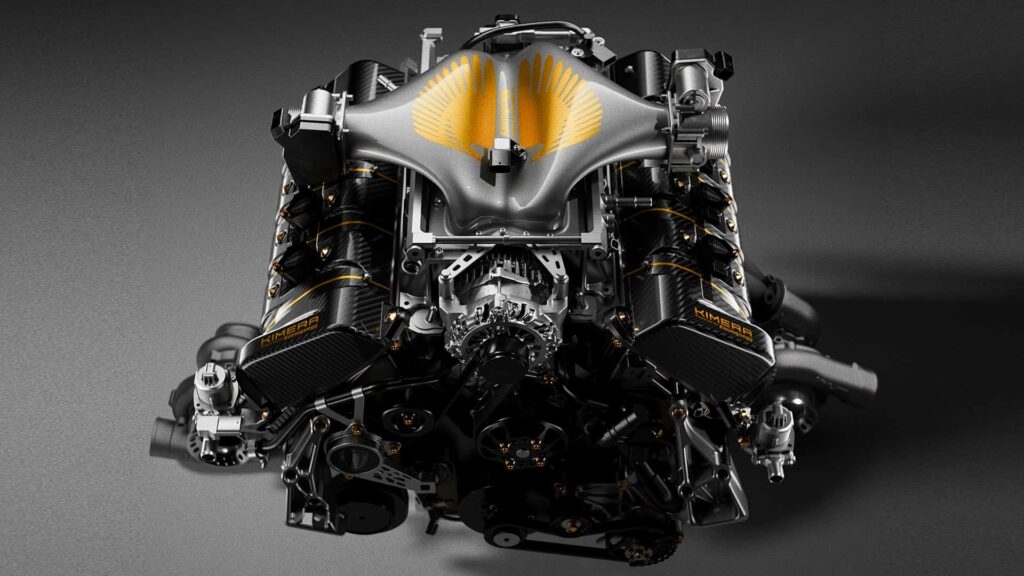
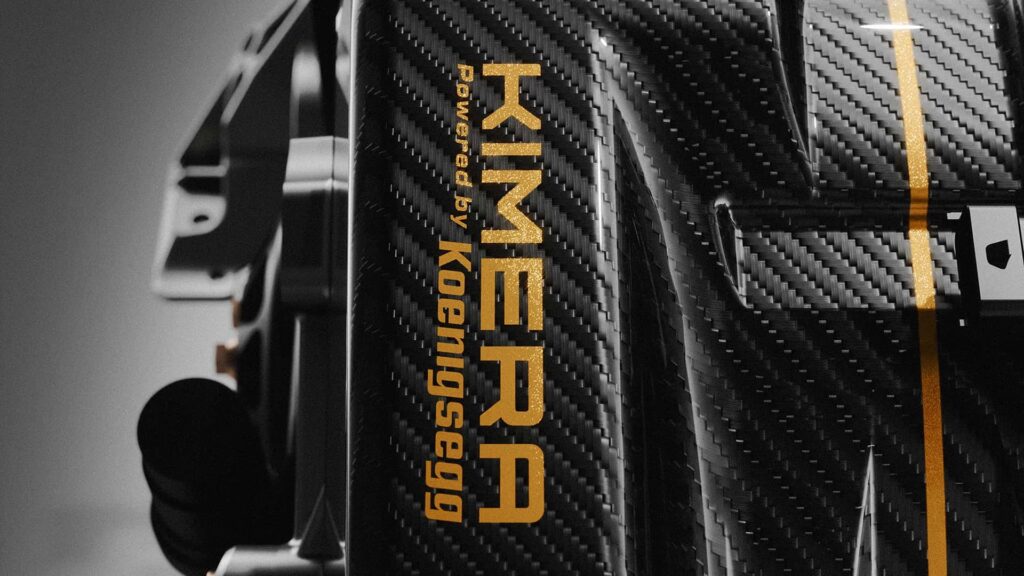
Unlike many modern hypercars dominated by hybrid complexity and electronic filtering, the K-39 focuses on immediacy, response, and mechanical sensation.
And perhaps most importantly…
…it retains a manual gearbox.
That single decision instantly separates the K-39 from nearly every modern hypercar competitor.
Carbon Monocoque, Pure Focus
The K-39 is built around a full carbon-fiber monocoque chassis, with extensive aerodynamic development carried out through digital wind-tunnel simulation.
Kimera’s goal was not merely visual drama.
The company wanted the car to feel genuinely functional at extreme speed — balancing downforce, agility, and analog feedback.
The structure is expected to remain exceptionally lightweight relative to its immense power output, continuing Kimera’s obsession with power-to-weight efficiency established by the EVO37.
Designed Around Driver Engagement
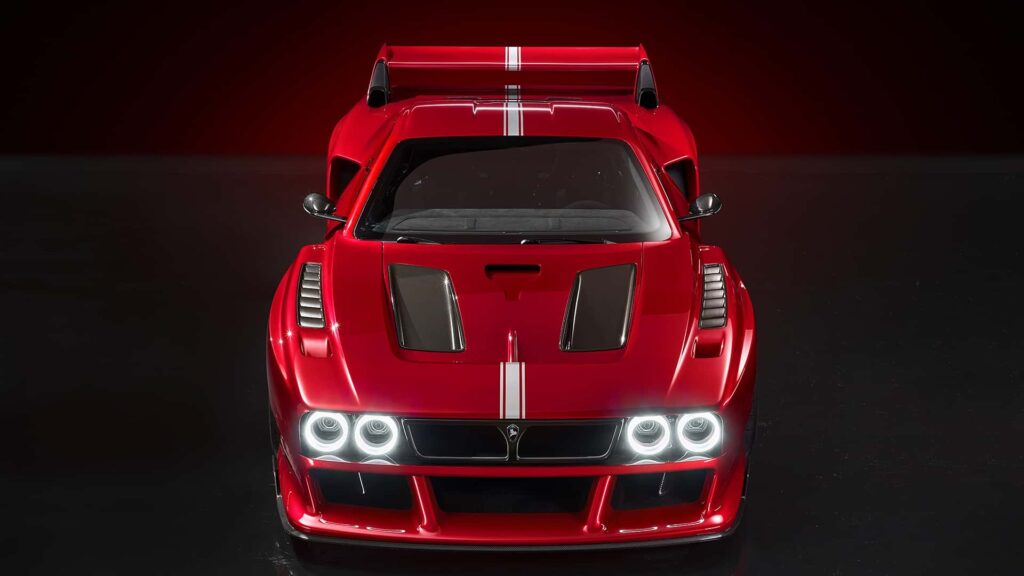
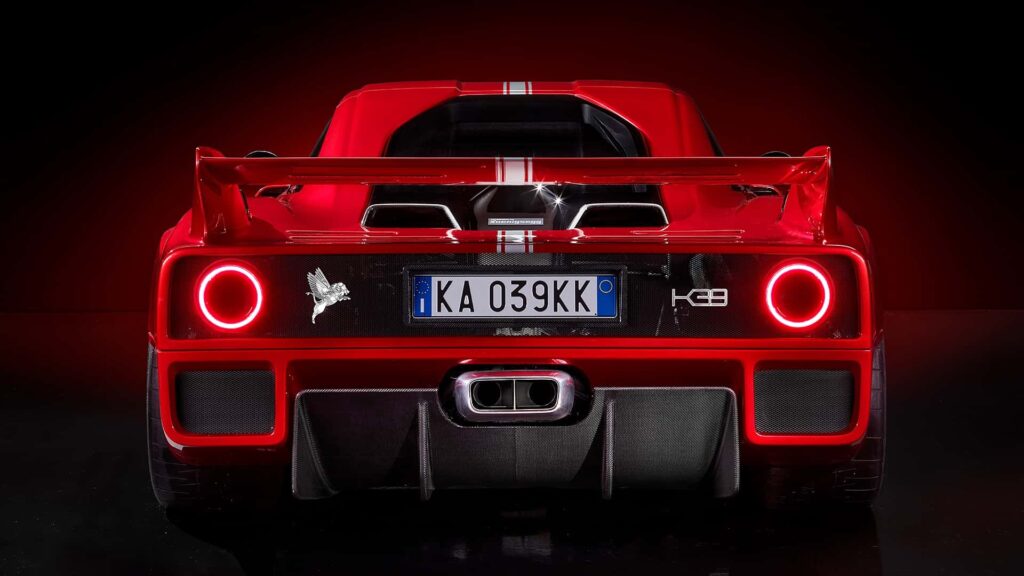
The K-39’s philosophy appears fundamentally different from many current hypercars.
This is not a luxury technology showcase.
It is not a silent grand tourer.
And it is not attempting to become an autonomous digital environment.
Instead, Kimera prioritizes:
- steering feel
- mechanical involvement
- throttle response
- visible engineering
- emotional intensity
The K-39 feels closer spiritually to legendary analog icons like the Ferrari F40, Porsche 959, or Group 5 race cars than to the latest software-defined hypercars.
That distinction may become increasingly valuable in the years ahead.
Pikes Peak Ambition
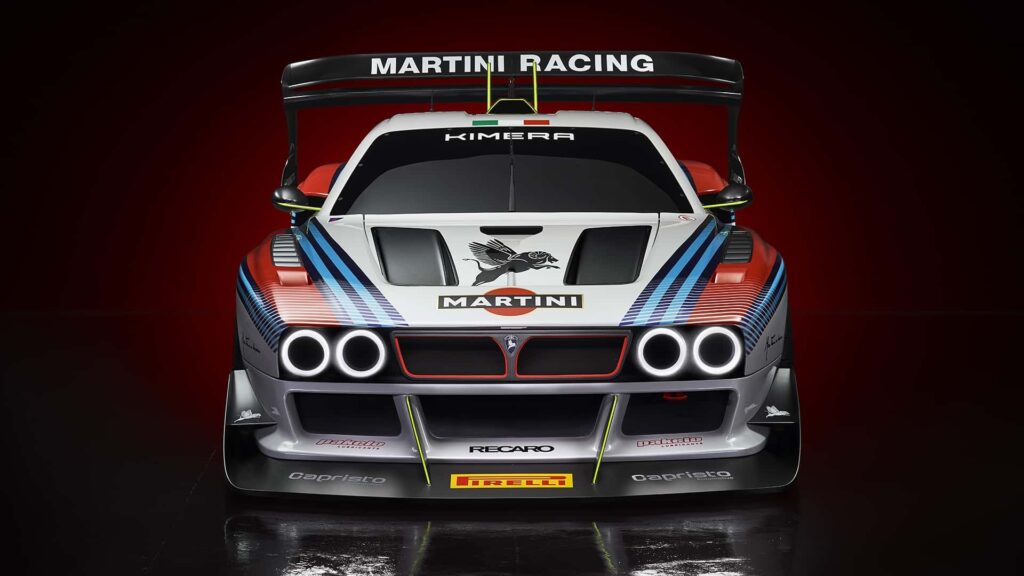
The K-39’s motorsport inspiration is not purely aesthetic.
Kimera has openly linked the project to ambitions surrounding the legendary Pikes Peak International Hill Climb.
That connection makes perfect sense.
The K-39’s exaggerated aero, compact cockpit, and extreme silhouette naturally evoke the outrageous hill-climb specials that once attacked mountain roads with enormous turbocharged violence.
If the car eventually competes there, it could become one of the most visually spectacular entries of the modern era.
Italian Craftsmanship Meets Scandinavian Engineering
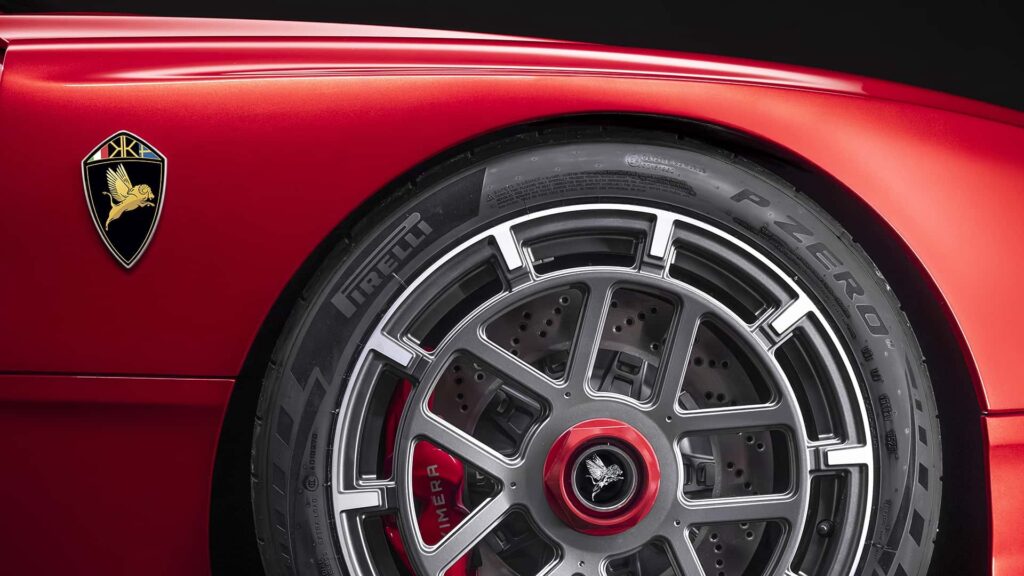
One of the most fascinating aspects of the project is the collaboration itself.
Kimera represents deeply emotional Italian automotive culture:
- artisan craftsmanship
- motorsport heritage
- dramatic design
- analog passion
Kimera Automobili — Italian Rally Heritage, Reengineered for a New Era
Koenigsegg represents obsessive technical innovation:
- engineering precision
- advanced powertrain development
- extreme efficiency
- cutting-edge performance philosophy
The K-39 merges those worlds together unusually well.
It combines emotional irrationality with technical credibility.
And that balance is exceptionally difficult to achieve.
A Hypercar Designed to Feel Alive
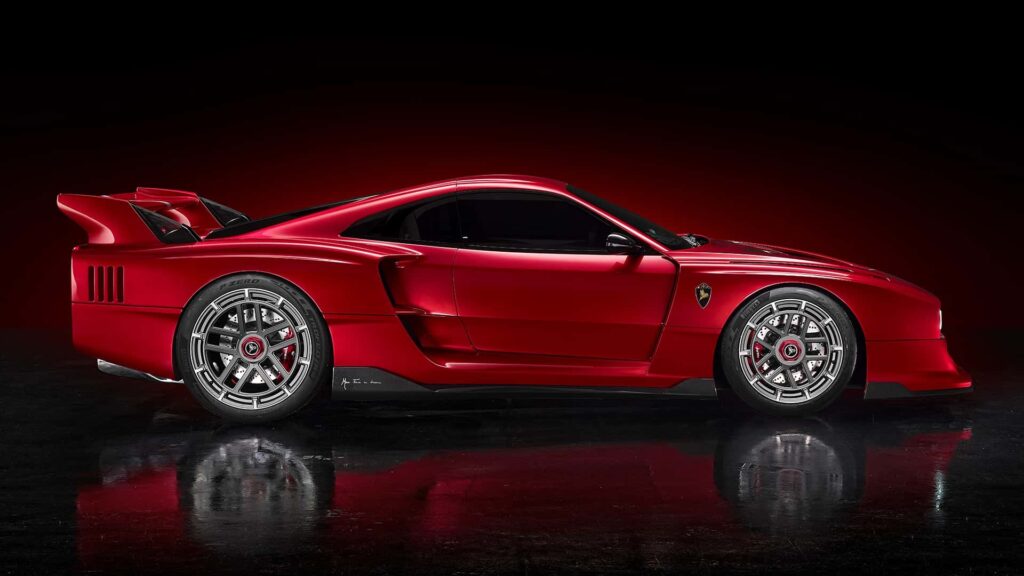
Many modern performance cars are objectively astonishing…
…but emotionally distant.
The K-39 appears engineered specifically to avoid that problem.
Everything about the project suggests movement, noise, vibration, and sensory overload:
- exposed aero elements
- visible carbon construction
- aggressive proportions
- high-revving turbocharged V8 power
- manual interaction
This is not a hypercar designed to isolate its driver.
It is designed to overwhelm them.
Kimera’s Evolution
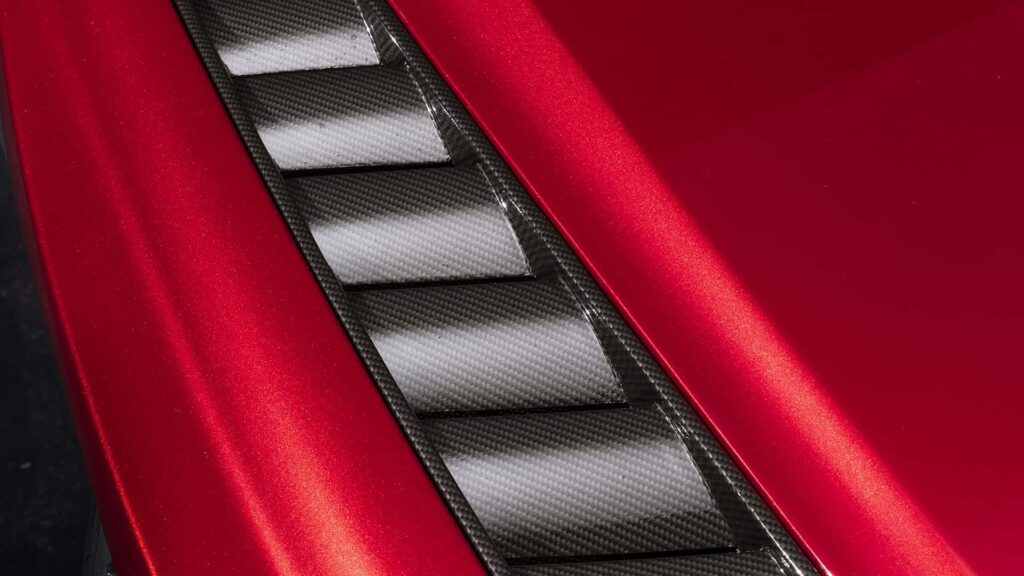
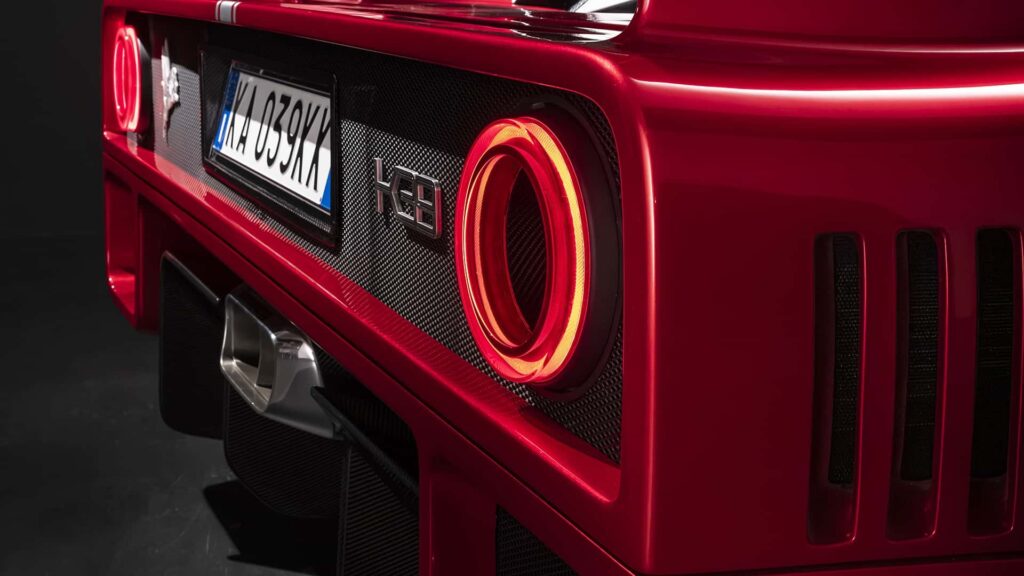
The K-39 also represents a defining moment for Kimera Automobili itself.
The company is evolving from a respected restomod specialist into a true boutique hypercar manufacturer.
And unlike many startups chasing futuristic minimalism, Kimera’s identity feels rooted in heritage, motorsport culture, and emotional authenticity.
That gives the brand something increasingly rare:
A soul.
The Future of Analog Hypercars
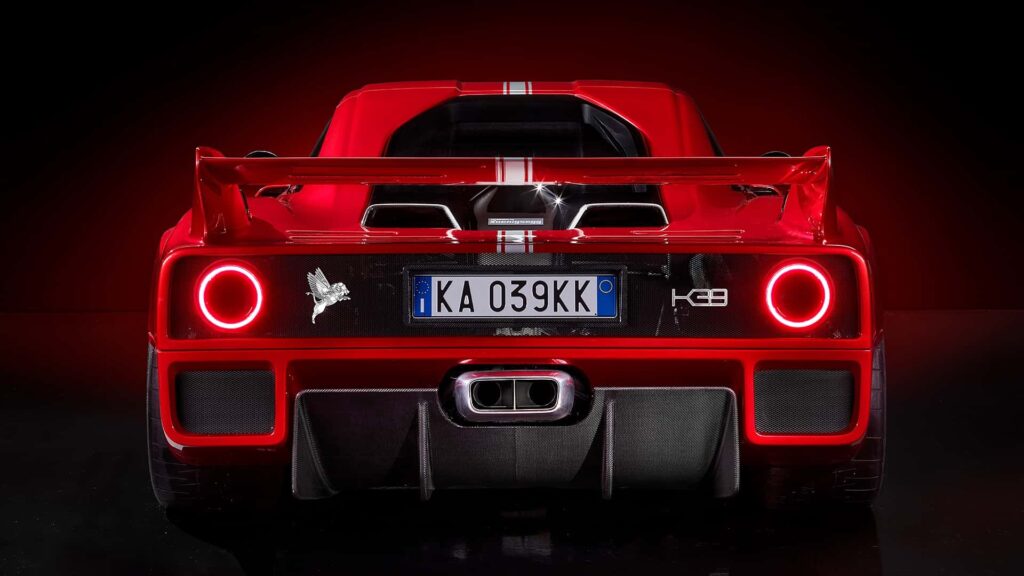
The K-39 may ultimately become one of the defining niche hypercars of this decade because it embraces qualities the automotive industry is rapidly abandoning:
- manual engagement
- lightweight philosophy
- visible mechanics
- emotional excess
- motorsport-inspired drama
Rather than resisting the future technologically, Kimera is resisting emotional sterilization.
And for enthusiasts, that may matter even more.
A Hypercar Built for Dreamers
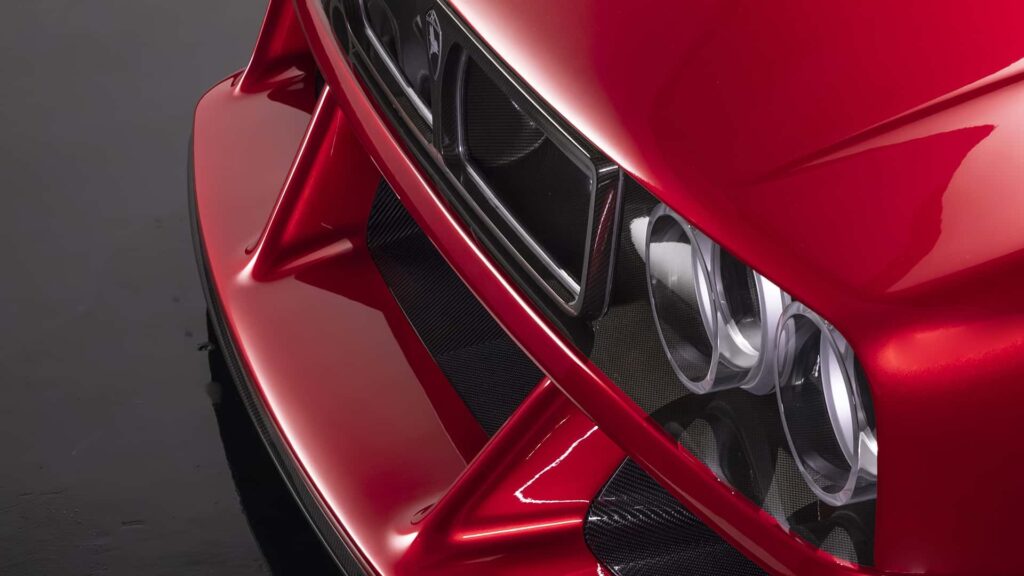
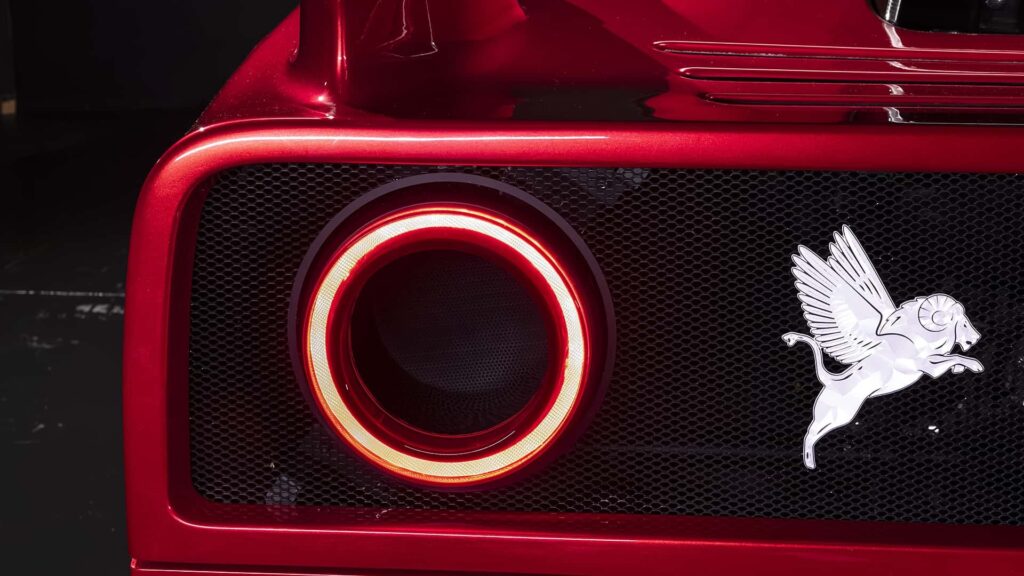
Ultimately, the Kimera K-39 feels less like a commercial product…
…and more like the realization of a fantasy.
A machine imagined by people who grew up obsessed with Group 5 monsters, endurance racing legends, hill-climb insanity, and analog driving purity.
In a world increasingly shaped by algorithms and standardization, the K-39 stands proudly irrational.
And that may be exactly why it already feels special.