

There are companies that restore classics. Others modify them. And then there are a rare few that attempt something far more ambitious: to reinterpret automotive history itself.
Totem Autobobili belongs firmly in that final category.
Born in Italy and shaped by a vision that goes far beyond nostalgia, Totem has quietly become one of the most fascinating names in the modern coachbuilding and restomod world. Its creations are not replicas, tributes, or simple evolutions of legendary Alfa Romeo silhouettes. Instead, they are entirely reengineered machines built from the ground up — carbon-fiber supercars carrying the emotional DNA of Italy’s golden era of racing.
In a market increasingly crowded with retro-inspired projects, Totem stands apart through a philosophy rooted not only in design, but in engineering purity, craftsmanship, and emotional driving experience.
The Return of an Italian Icon
The inspiration behind Totem’s work is immediately recognizable. The flowing proportions, muscular rear arches, delicate curves, and compact stance clearly echo the legendary Alfa Romeo coupes of the 1960s and 1970s — particularly the immortal Giulia GT lineage.
But Totem never intended to simply recreate the past.
Instead, the company imagined an alternate future: what if those iconic Italian grand tourers had continued evolving without compromise? What if timeless design had been fused with modern materials, contemporary performance, and obsessive engineering?

That question became the foundation of the Totem GT Series.
Rather than restoring original bodies, Totem reconstructs nearly every exterior surface entirely in carbon fibre. Beneath the sculptural bodywork lies a radically redesigned structure combining lightweight composite engineering with aluminum subframes and a bespoke chassis architecture engineered for modern performance levels.
The result is something deeply unusual in today’s automotive landscape: a car that visually belongs to another era, yet feels technologically decades ahead.
Carbon Fibre Meets Italian Soul
What makes Totem especially compelling is the balance between heritage and innovation.
Many modern restomods lean heavily toward either preservation or aggressive modernization. Totem instead pursues emotional continuity. Every line, proportion, texture, and mechanical interaction appears designed to preserve the sensation of classic Italian motoring while eliminating the limitations traditionally associated with vintage performance cars.
This philosophy becomes immediately visible in the craftsmanship.
The surfaces are exceptionally pure. The body panels appear almost liquid under light, shaped with the precision usually associated with low-volume exotic manufacturers rather than restoration houses. The details — exposed carbon elements, minimalist lighting signatures, sculpted air channels, handcrafted interiors — feel contemporary without losing the romantic character of the original inspiration.
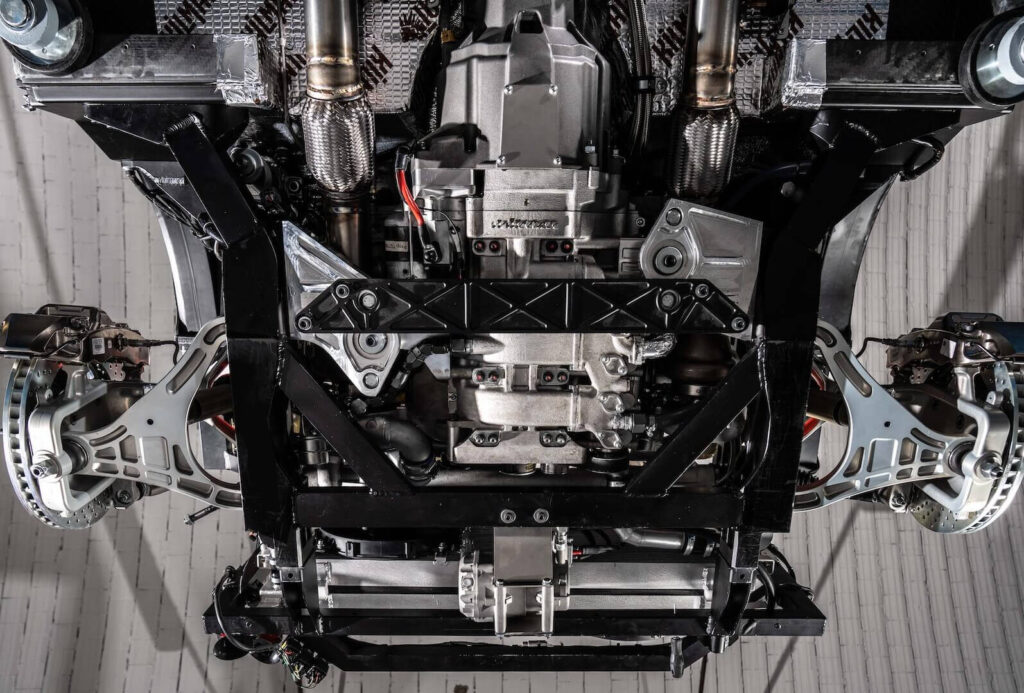
Even the unseen components receive the same level of obsession. Suspension systems, structural reinforcements, drivetrain integration, and weight distribution are engineered with the mentality of a modern supercar program.
Totem is not preserving history. It is rewriting it.
GT Electric – When Electrification Becomes Emotional

Among all of Totem Automobili’s creations, the GT Electric may be the most revolutionary.
Not because it is electric — the automotive industry is already moving in that direction — but because of the way Totem approached the concept itself. Instead of treating electrification as a cold technological exercise, the Italian manufacturer used it as an opportunity to redefine the emotional side of modern grand touring.
The result is a machine that feels deeply connected to the soul of classic Italian motoring while simultaneously embracing the possibilities of next-generation performance engineering.
At first glance, the GT Electric appears timeless. Its compact proportions, flowing silhouette, sculpted rear arches, and minimalist details remain faithful to the spirit of the legendary Italian coupes that inspired the project. Yet beneath the handcrafted carbon-fiber bodywork lies an entirely modern architecture developed without compromise.
Totem did not simply electrify a classic chassis. The company rebuilt the car from the ground up.
The GT Electric is based around a sophisticated carbon-fiber monocoque structure combined with CNC-machined aluminum front and rear subframes, creating a lightweight yet highly rigid platform engineered specifically for high-performance electric driving. Nearly every exterior panel has been reconstructed in carbon fibre, allowing the car to maintain exceptional structural precision while keeping weight impressively low at just 1,490 kilograms.
Lightweight Engineering, Instant Performance
That lightweight philosophy becomes especially significant once the performance figures enter the conversation.
Mounted at the rear axle is a high-output electric powertrain capable of producing up to 590 horsepower and an astonishing 900 Nm of torque. Power delivery is immediate, violent, and deeply addictive. Totem claims a 0–100 km/h time of under 2.9 seconds — a figure placing the GT Electric firmly within modern supercar territory.
Yet the experience is designed to feel engaging rather than artificial.
Unlike many electric performance cars that prioritize isolation and digital smoothness, the GT Electric was engineered to preserve driving emotion. Rear-wheel drive, a limited-slip differential, carefully calibrated power delivery, and lightweight construction combine to create something increasingly rare in the EV era: character.
Totem even developed its own “DNA” driving control system, allowing the driver to modify the behavior of the powertrain through three distinct modes — Dynamic, Normal, and Advanced Efficiency. The concept echoes the emotional adaptability traditionally associated with Italian performance cars, translating it into the electric age without losing personality.
The technical sophistication behind the GT Electric extends far beyond acceleration numbers.
Its 81 kWh battery pack was designed with obsessive attention to packaging efficiency and weight reduction. Built using 12 homologated modules integrated into an advanced honeycomb aluminum structure, the system achieves an unusually low weight relative to its capacity. The result is a projected driving range of approximately 470 to 500 kilometers under normal driving conditions — a remarkable figure considering the car’s performance capabilities.

Charging flexibility also reflects the car’s dual personality as both exotic machine and usable grand tourer. Owners can recharge the GT Electric at home through AC charging, while DC fast charging up to 90 kW significantly reduces downtime during longer journeys.
Preserving the Soul of Italian Grand Touring
But what truly defines the GT Electric is not its battery technology or performance statistics.
It is the atmosphere.
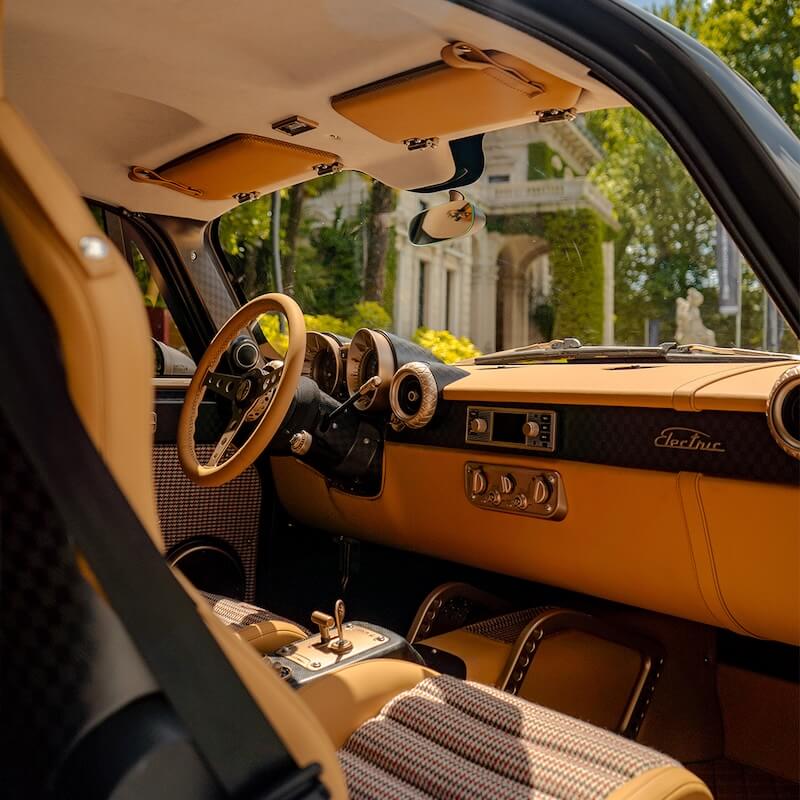
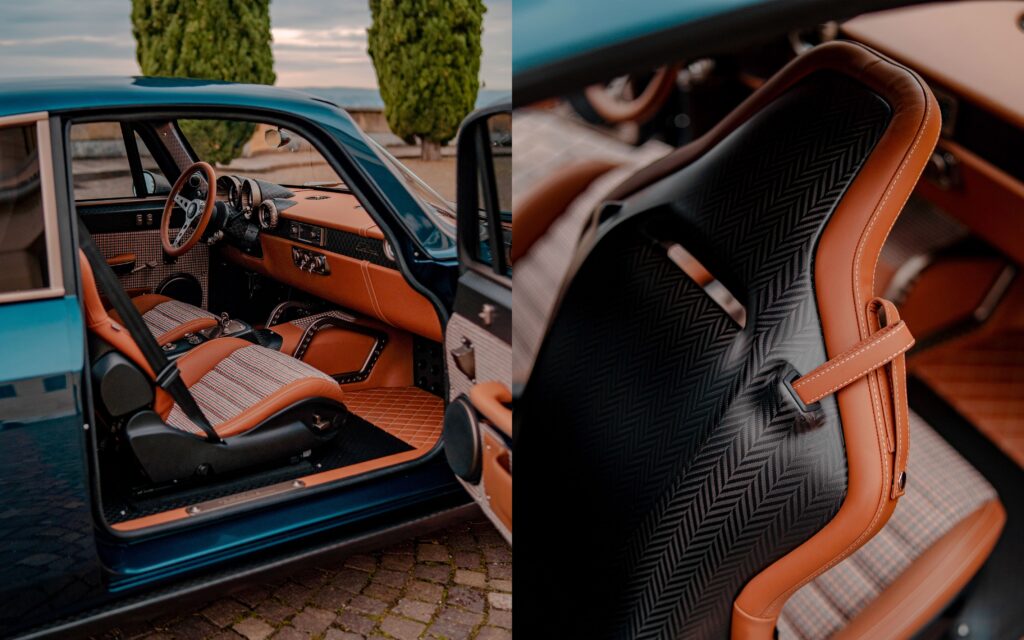
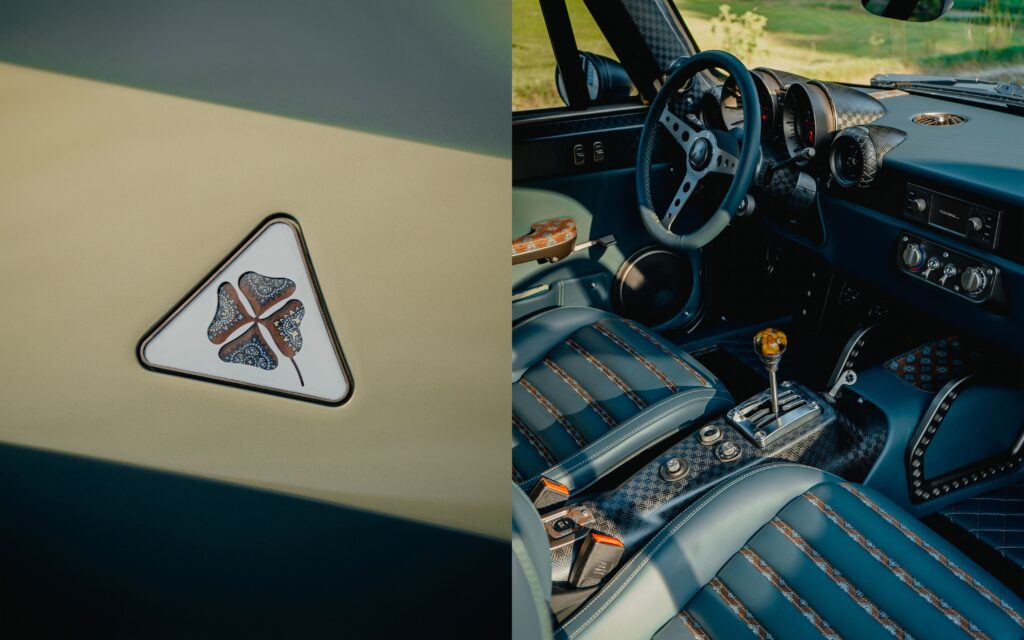
The cabin avoids the sterile minimalism dominating many modern EV interiors. Instead, Totem combines handcrafted materials, analog inspiration, and subtle technology integration to create an environment that feels intimate and mechanical rather than futuristic for the sake of being futuristic. Even the infotainment system adopts a vintage-inspired presentation while discreetly integrating modern connectivity features such as navigation, Bluetooth, and digital audio functionality.
This balance between heritage and innovation is precisely what makes the GT Electric so fascinating within today’s automotive landscape.
It does not reject the future.
Nor does it abandon the romance of the past.
Instead, Totem created something far more difficult: an electric performance car capable of preserving the emotional theatre traditionally associated with handcrafted Italian grand tourers.
In many ways, the GT Electric feels less like an EV conversion and more like an alternate evolutionary path for one of Italy’s greatest automotive icons — a vision of what classic Italian design philosophy could become in the modern era without losing its soul.
GT Super – The Analog Italian Supercar That Never Existed

If the GT Electric represents Totem Automobili’s vision of the future, the GT Super is its declaration of love to the golden age of analog driving.
This is not simply a modernized classic, nor is it an exercise in retro design.
The GT Super feels more like an alternate chapter in Italian automotive history — a machine imagined as though the spirit of 1960s Gran Turismo engineering had continued evolving uninterrupted into the modern supercar era.
Everything about the project revolves around emotional intensity.
Its proportions remain unmistakably inspired by one of Italy’s most iconic automotive silhouettes, yet nearly every surface has been reengineered. The entire body has been reconstructed in carbon fibre, giving the GT Super a dramatically wider stance, sharper precision, and a level of visual purity rarely seen even among contemporary exotic manufacturers.
Underneath the sculptural exterior lies one of the most sophisticated engineering programs ever attempted within the modern restomod world.
Gloria — The Heart of the GT Super
At the center of the experience is the engine.
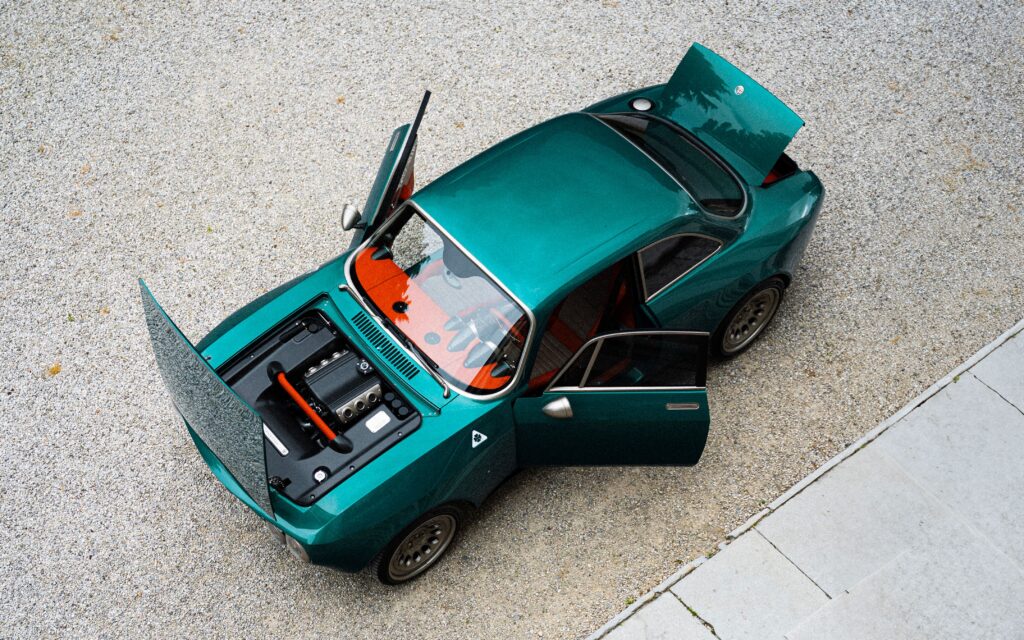
Known internally as “Gloria,” the power unit was developed alongside Italtecnica Engineering specifically for the Totem GT Super. Rather than adapting an existing production engine, Totem chose to create something entirely bespoke: a compact 2.8-liter twin-turbocharged V6 designed from the ground up around lightweight construction, razor-sharp response, and emotional character.
The result is extraordinary.
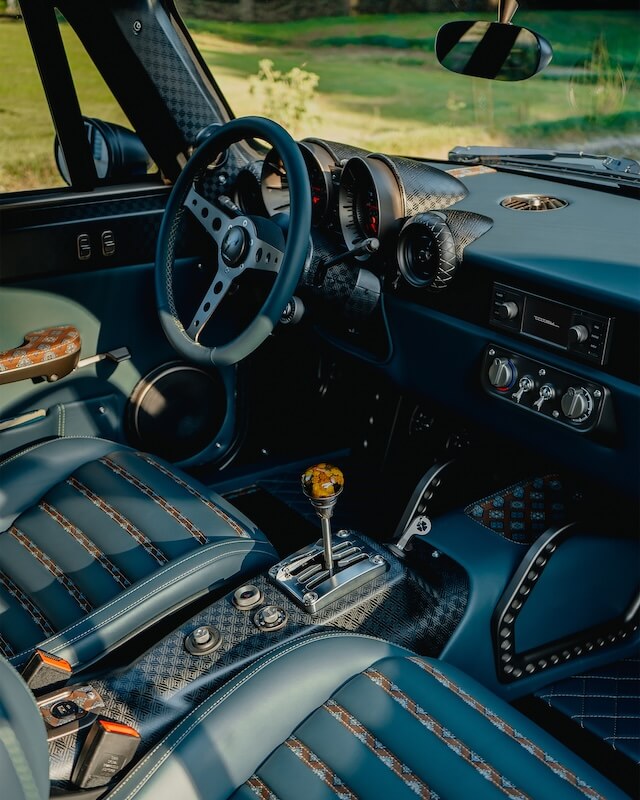
Producing 640 horsepower and 655 Nm of torque, Gloria transforms the lightweight GT Super into something brutally fast. Acceleration from 0 to 100 km/h takes just 3.2 seconds, while power is delivered exclusively to the rear wheels through a six-speed manual transaxle gearbox with a limited-slip differential.
In today’s performance car landscape, that specification alone feels almost rebellious.
Modern supercars increasingly prioritize automation, digital intervention, and seamless speed. Totem instead chose tactility, sound, and physical engagement. The manual gearbox is not included for nostalgia alone — it exists because Totem believes driving should remain mechanical, immersive, and emotional.
And perhaps even more remarkable is the engine’s engineering philosophy itself.
Weighing less than 180 kilograms, Gloria is exceptionally compact for a high-output twin-turbo V6. The dry-sump lubrication system, individual throttle bodies, integrated intercooling architecture, sequential turbocharging system, and dual direct-plus-port injection setup reveal a level of technical sophistication normally reserved for low-volume racing programs.
Even the exhaust system reflects this obsession with detail.

Developed with Capristo and available in stainless steel or titanium, the exhaust incorporates advanced 3D-printed manifolds designed not only for efficiency, but also for acoustic theatre. The sound signature was engineered as a central part of the experience — sharp, mechanical, aggressive, yet unmistakably Italian in character.
Totem understands something many modern manufacturers seem to forget: performance figures alone are never enough.
Emotion matters.
Lightweight Engineering, Pure Driving Emotion
The chassis architecture reinforces that philosophy throughout the entire driving experience. The GT Super combines a carbon-fiber monocoque with CNC-machined aluminum front and rear structures, creating exceptional rigidity while keeping total weight at just 1,180 kilograms. That figure is astonishingly low by modern standards, especially for a vehicle delivering over 640 horsepower.
The suspension system uses bespoke double-wishbone geometry paired with ORAM dampers, while Brembo braking hardware provides the stopping power expected from a true contemporary supercar. Michelin Pilot Sport Cup 2 tires complete the package, ensuring the GT Super delivers modern levels of grip without sacrificing analog feedback.
Yet despite its technical sophistication, the GT Super never feels overdesigned.
The cabin remains intimate and purposeful. Vintage-inspired instrumentation coexists with discreet modern technology. Carbon fibre, aluminum, leather, and mechanical details dominate the atmosphere without descending into excessive minimalism or digital overload.

Everything inside the car serves the sensation of driving.
And that is ultimately what makes the GT Super so fascinating.
It is not chasing nostalgia, it is chasing a feeling.
The feeling of lightweight Italian performance cars from another era — machines that prioritized connection between driver, engine, chassis, and road above everything else. Totem simply reinterpreted that philosophy using modern engineering capabilities unavailable decades ago.
The result is something extremely rare in the contemporary automotive world: a handcrafted supercar that feels emotional before it feels technological.
A modern Italian Gran Turismo created not by market research or platform sharing, but by passion, craftsmanship, and mechanical obsession.
GT Super Sport Prototipo – The Final Evolution of Totem’s Racing Philosophy

If the GT Super represents Totem Automobili’s interpretation of the ultimate analog Gran Turismo, the GT Super Sport Prototipo pushes that philosophy into something far more radical.
Lower, wider, louder, and significantly more aggressive, the SP feels less like a road-going restomod and more like a modern interpretation of a forgotten Italian endurance racing prototype. It is the most extreme expression of Totem’s engineering vision — a machine created not merely to celebrate automotive heritage, but to intensify it.
Totem describes the GT Super SP as the final chapter of its pioneering journey in the restomod world, and that sense of culmination can be felt throughout every aspect of the car.
Visually, the transformation is dramatic.
The body has been widened by 130 millimeters around the arches, fundamentally altering the proportions of the original silhouette. The stance becomes more muscular, more planted, and unmistakably motorsport-inspired. Sculpted side skirts now integrate electronically controlled dual side exhausts developed alongside Capristo, creating a visual and acoustic signature unlike anything else in the segment.
The rear section has also been completely redesigned.

With the traditional rear exhaust outlets removed, Totem reshaped the tail around aerodynamic functionality. Large sculpted air channels improve thermal management and airflow efficiency, while an enlarged rear diffuser increases stability and aerodynamic load at higher speeds. Every surface appears functional. Every detail serves performance.
Yet despite its aggression, the SP never loses elegance.
That balance between racing brutality and Italian design sophistication is precisely what makes the car so compelling. It carries the atmosphere of a competition machine without becoming visually excessive or disconnected from its heritage.
Chassis Dynamics Inspired by Motorsport
Underneath the carbon-fiber bodywork, the engineering changes are even more extensive.
The widened track required a complete rethinking of the chassis architecture, suspension geometry, and dynamic behavior of the car. Totem collaborated once again with ORAM to develop a fully adjustable suspension system capable of independently tuning front and rear settings through rotary controls mounted directly on the steering wheel.

This transforms the GT Super SP into something unusually versatile.
One moment, it can feel sharp, reactive, and intensely focused. The next, it can settle into a more composed grand touring character suitable for long-distance driving. Totem clearly wanted the SP to remain emotional and usable rather than becoming a stripped-out track special disconnected from real roads.
At the center of the experience lies the latest evolution of Totem’s extraordinary “Gloria” engine family.
Now enlarged to 3.2 liters, the twin-turbocharged V6 produces 740 horsepower and up to 700 Nm of torque, making the SP the most powerful Totem ever created. Power delivery remains exclusively rear-wheel drive, preserving the company’s commitment to purity and driver engagement.
Performance is ferocious.
The GT Super SP accelerates from 0 to 100 km/h in just 2.8 seconds while weighing only around 1,180 kilograms — an astonishing figure considering the car’s handcrafted construction and analog philosophy. The engine itself remains remarkably compact and lightweight, weighing under 180 kilograms despite its immense output.
And yet, as always with Totem, numbers are only part of the story.
The emotional centerpiece remains the transmission.
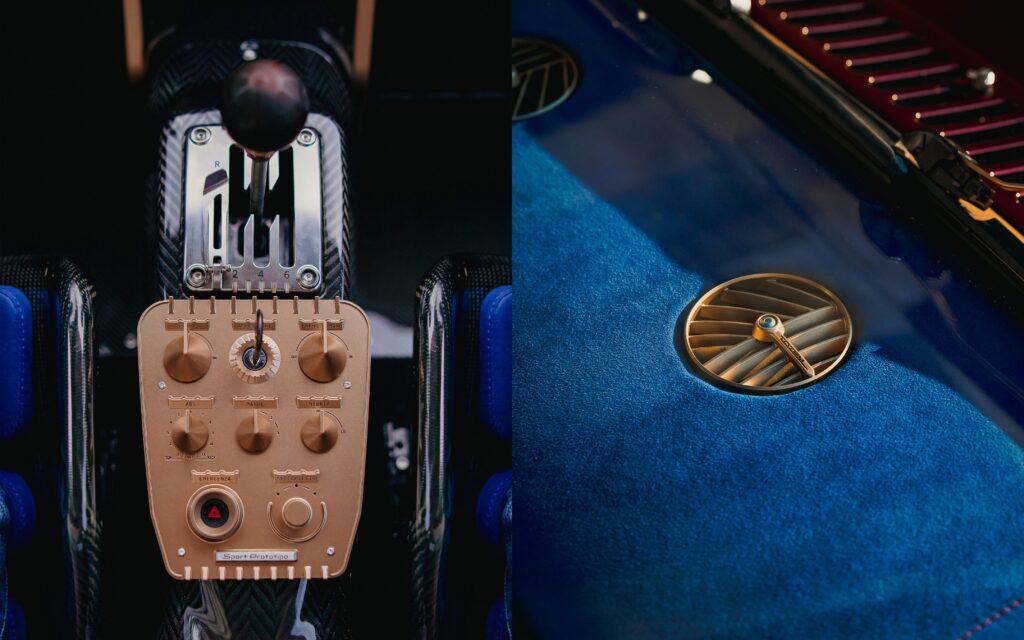
A six-speed manual transaxle gearbox with an exposed open-gate shifter continues Totem’s refusal to surrender to automation. In an era dominated by paddle-shifted supercars and digital isolation, the GT Super SP insists on physical interaction. The driver is not separated from the machine by software layers or automated logic. Every shift, every throttle input, every movement remains mechanical and deliberate.
Even the power-boost system — activated directly from the steering wheel for short bursts of additional intensity — feels engineered to amplify excitement rather than simply improve lap times.
The Spirit of an Alternate Racing Era
The braking system reflects the same uncompromising philosophy.
Massive Brembo-SGL carbon ceramic brakes provide exceptional stopping power, while Michelin Pilot Sport Cup 2 R tires ensure the chassis can fully exploit the car’s increased performance capabilities. Combined with the lightweight carbon-fiber monocoque and revised aerodynamics, the SP delivers the kind of precision and responsiveness typically associated with modern track-focused exotics.
Inside, however, the atmosphere remains unmistakably Totem.

The cabin avoids overwhelming digitalization in favor of tactile materials, handcrafted finishes, and vintage-inspired instrumentation. Technology exists, but discreetly. The focus remains on sensation rather than distraction.
That may ultimately define the GT Super Sport Prototipo better than anything else.
It is not a retro car, not a tribute.
It is a modern Italian racing-inspired supercar created according to values that much of the industry has abandoned — lightweight construction, manual interaction, emotional sound, mechanical intimacy, and design driven by passion rather than algorithms.
In many ways, the GT Super SP feels like a machine from an alternate timeline.
A world where handcrafted Italian Gran Turismo cars never disappeared. A world where motorsport-inspired road cars continued evolving without compromise.
And through Totem Automobili, that world briefly became real.
Beyond Restomod Culture
The term “restomod” has become increasingly broad in recent years, often applied to everything from lightly upgraded classics to completely transformed custom builds.
Totem exists beyond that category.
Its vehicles are closer to automotive haute couture — highly engineered, deeply artisanal, and produced with a level of individuality that places them somewhere between coachbuilt exotics and rolling sculptures.
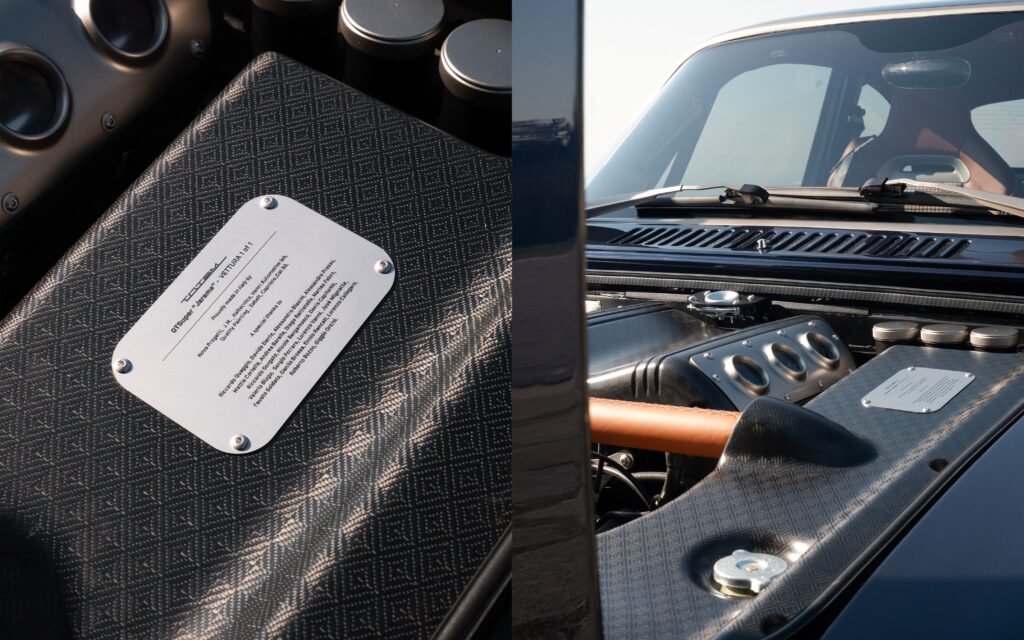
This positioning also reflects a wider shift occurring within the collector car world. Increasingly, enthusiasts are seeking machines that deliver emotional authenticity without sacrificing usability, performance, or reliability. They want analog sensation combined with contemporary engineering confidence.
Totem understands that desire perfectly.
Its creations are not designed merely to be displayed. They are designed to be experienced.
The Future of Italian Passion
In many ways, Totem Automobili represents something larger than a single manufacturer.
It reflects the enduring power of Italian automotive culture itself — a philosophy where beauty, engineering, emotion, and craftsmanship are inseparable.
At a time when the automotive industry often feels dominated by screens, algorithms, and platform sharing, Totem reminds enthusiasts that passion still matters. Proportion still matters. Mechanical emotion still matters.
And perhaps most importantly, driving still matters.
The company’s work proves that heritage does not need to remain trapped in the past. When approached with imagination, technical ambition, and artistic sensitivity, iconic automotive design can evolve into something entirely new.
Not a copy of history.
But its continuation.
Discover More About Totem Automobili
For more information about Totem Automobili, its philosophy, and the complete GT Series lineup, visit the official manufacturer website and explore one of the most fascinating interpretations of modern Italian automotive craftsmanship.