
The New Core of Modern Car Collecting
For decades, the collector car market was dominated by icons from the 1950s, 60s, and 70s — vehicles that today represent automotive heritage and long-term wealth preservation more than accessible entry points for new collectors.
In recent years, however, a new category has rapidly gained traction among investors and enthusiasts alike: Modern Classics.
This segment broadly includes high-performance sports cars and supercars produced between 2005 and 2020 that combine characteristics increasingly absent from today’s automotive landscape:
Naturally aspirated engines, manual transmissions, limited production runs, motorsport DNA, and analog driving experiences created before electrification and digitalization reshaped the industry.
In many ways, this era marks the closing chapter of internal combustion purity — and in the collector world, the end of an era often signals the beginning of appreciation.
Below is a curated selection of modern luxury performance cars with the strongest collector narratives and medium-to-long-term appreciation potential.
Pillars of Modern Appreciation
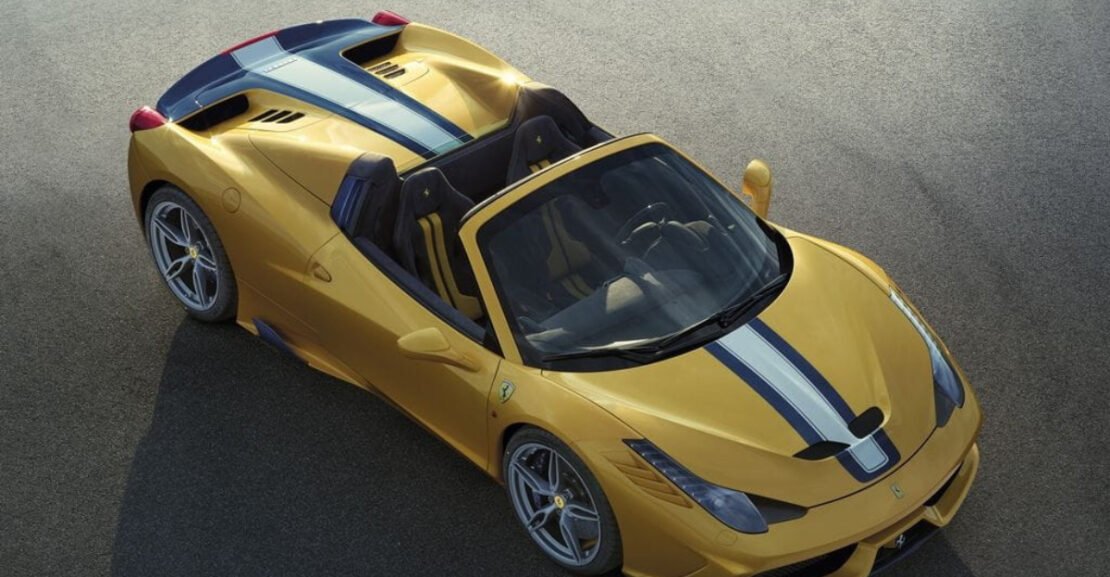
Ferrari 458 Speciale / Speciale A
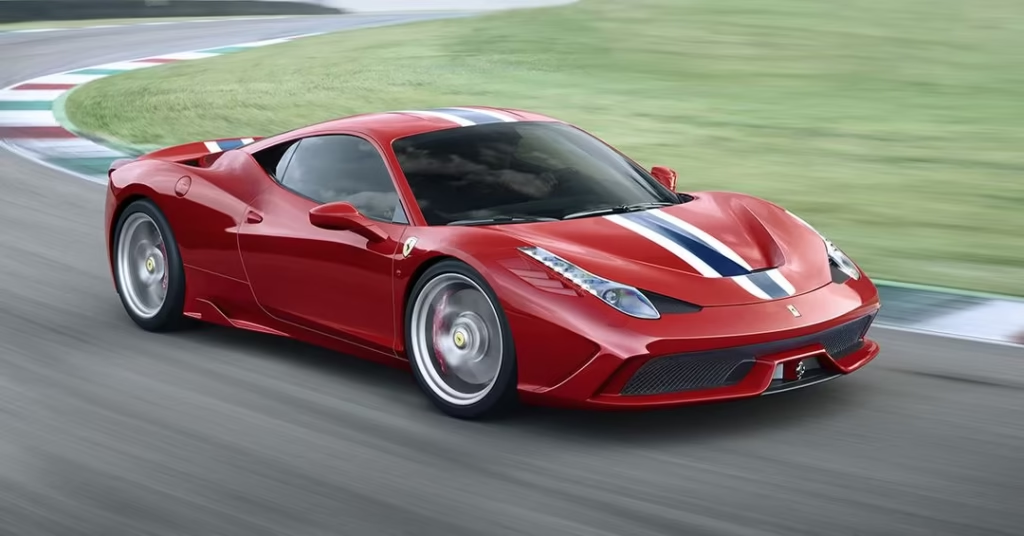
The 458 Speciale represents the peak of Ferrari’s naturally aspirated V8 lineage. As the final non-turbocharged mid-engine V8 before the transition to forced induction, it delivers a level of immediacy, sound, and mechanical purity unlikely to be repeated.
The Speciale A (Aperta) adds rarity and open-top desirability, elevating its standing among collectors. Today, it is widely viewed as one of the most balanced modern Ferraris from both a driving and investment perspective.
Porsche 911 R (991)

The 911 R is Porsche purism distilled: a GT3 RS engine paired with a manual gearbox and a wing-delete body configuration focused on driving engagement over lap times.
Produced in extremely limited numbers, it became an instant collector icon and helped spark renewed demand for manual GT Porsches worldwide.
Lamborghini Aventador SVJ
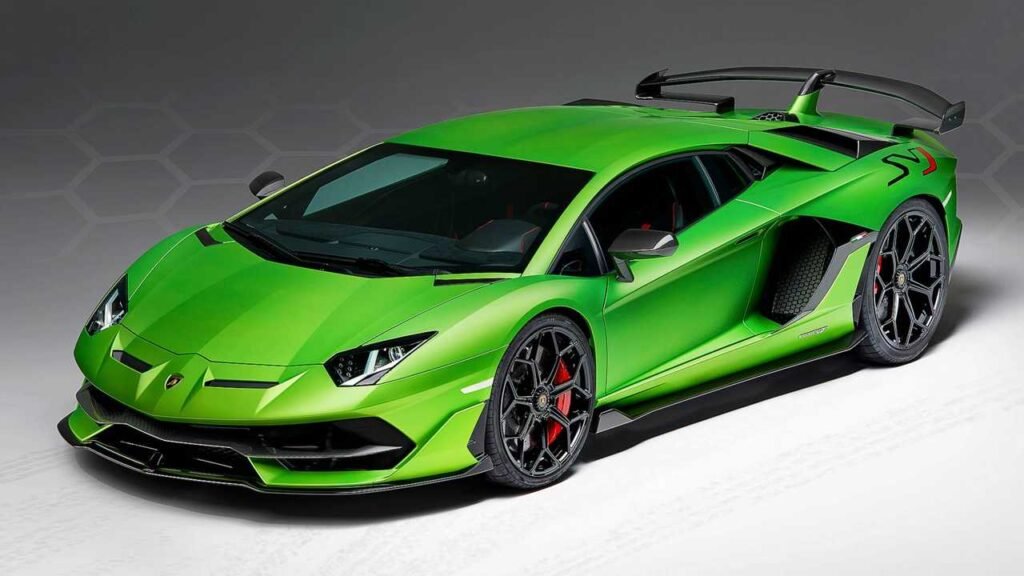
The SVJ stands as the most extreme road-going evolution of the naturally aspirated Aventador platform.
With Nürburgring production car records, advanced active aerodynamics, and unmistakable visual aggression, it represents the final apex of Lamborghini’s pure V12 era before hybridization reshaped the brand.
Ferrari F12tdf
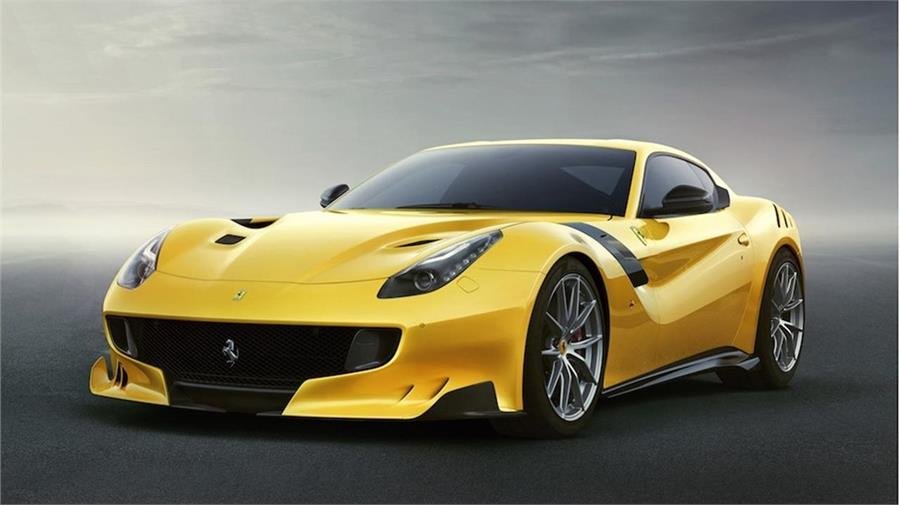
Named after the historic Tour de France race, the F12tdf transforms the front-engine V12 Ferrari formula into a track-focused machine.
Limited production, extreme performance, and the growing scarcity of naturally aspirated V12 grand tourers reinforce its long-term collector appeal.
Porsche 911 GT3 RS 4.0 (997)
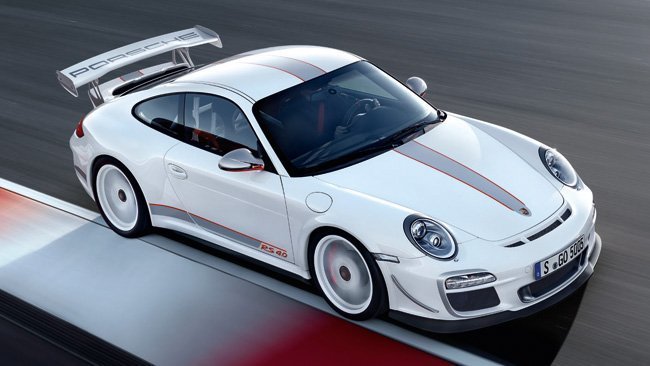
Often regarded as the spiritual endpoint of Porsche’s Mezger engine era, the GT3 RS 4.0 carries direct motorsport lineage.
Its low production numbers and engineering significance position it among the most respected modern 911 collector models.
Mercedes-Benz SLS AMG Black Series

The Black Series variant elevated the SLS into a far more aggressive and track-focused machine.
With its naturally aspirated AMG V8, gullwing doors, and limited production, it represents one of the last truly raw AMG halo cars of the analog performance era.
Highly Solid Modern Collectibles
McLaren 675LT
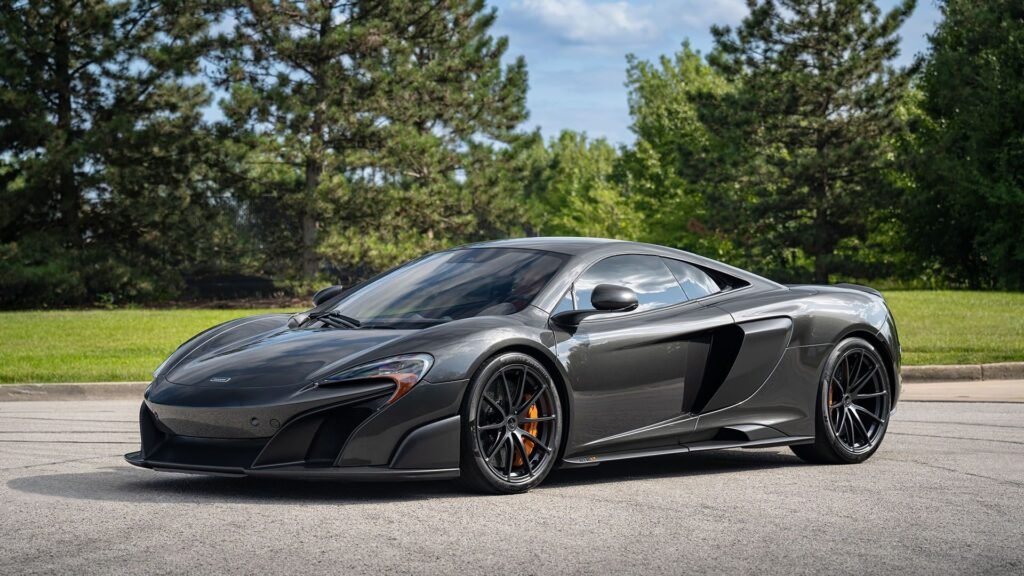
Inspired by McLaren’s Longtail racing heritage, the 675LT emphasizes lightweight engineering and track performance.
Its relatively low production volume and strong enthusiast following position it as one of the most collectible modern McLarens. MSO-specified cars often command premium attention.
Ferrari 599 GTO
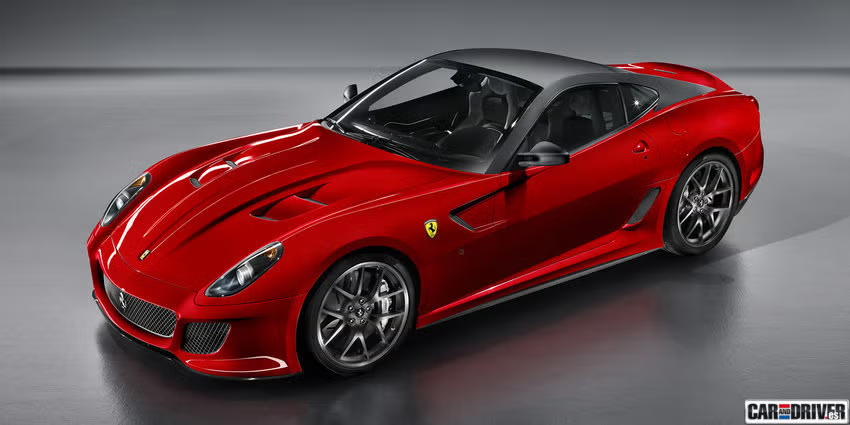
Derived from the experimental 599XX program, the GTO translates track engineering into a front-engine road Ferrari.
Long overshadowed by mid-engine halo models, renewed interest in naturally aspirated V12 GT cars has strengthened its collector trajectory.
Porsche 911 Speedster (991)
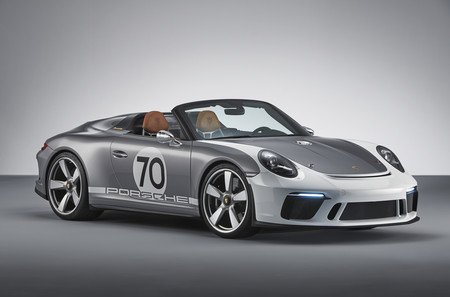
Blending heritage design with GT-level performance, the 991 Speedster serves as both a farewell to naturally aspirated open-top 911s and a collector-focused celebration model.
Manual transmission and limited production amplify its long-term desirability.
Lamborghini Huracán STO
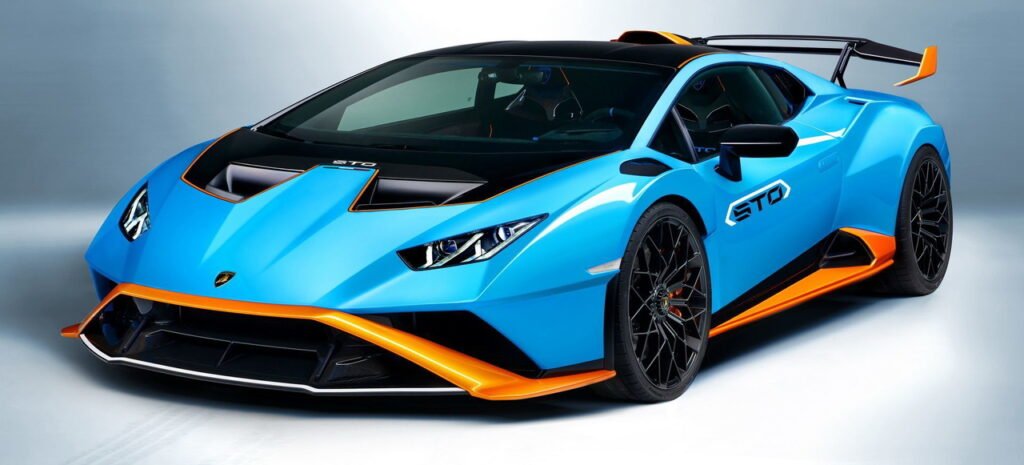
Developed with direct inspiration from Lamborghini’s GT3 race cars, the STO sits closer to a road-legal race machine than a conventional supercar.
Its lightweight construction and motorsport narrative support its future collectibility.
Lexus LFA
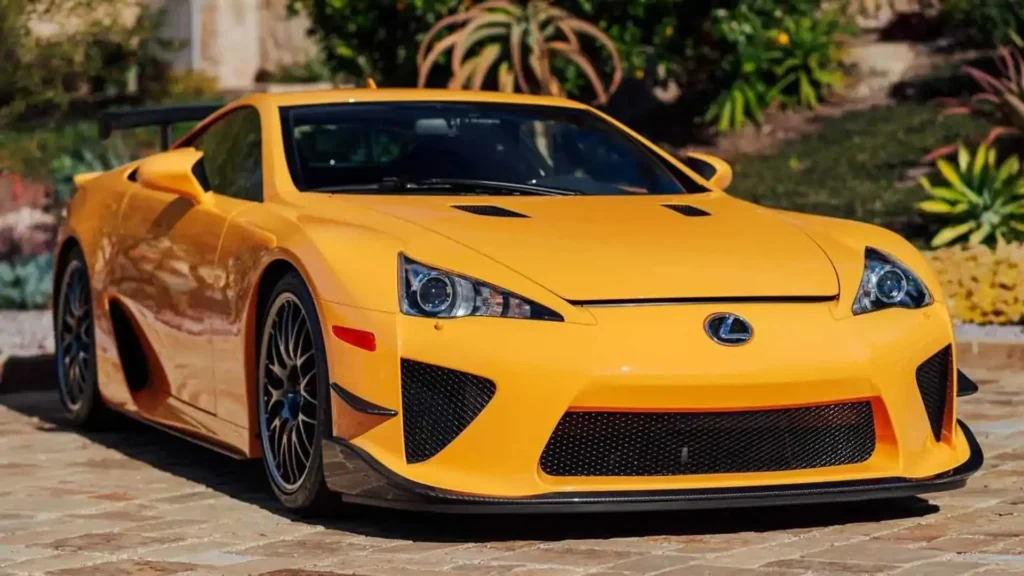
Powered by a Yamaha-developed naturally aspirated V10, the LFA is already considered a modern legend.
Ultra-limited production and the improbability of Lexus building another halo supercar of similar purity secure its long-term collector position.
Emerging Opportunities — Still Undervalued
Audi R8 V10 Manual
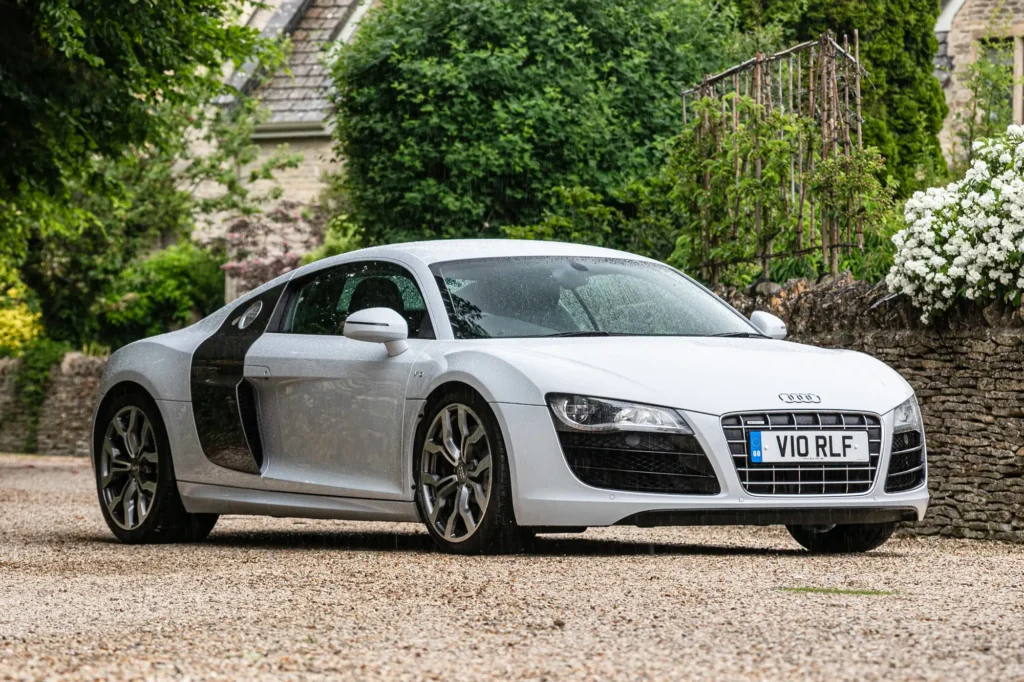
One of the final supercars to offer a gated manual transmission paired with a naturally aspirated V10.
Its usability and mechanical authenticity are drawing increasing attention from younger collectors.
Lamborghini Gallardo Superleggera
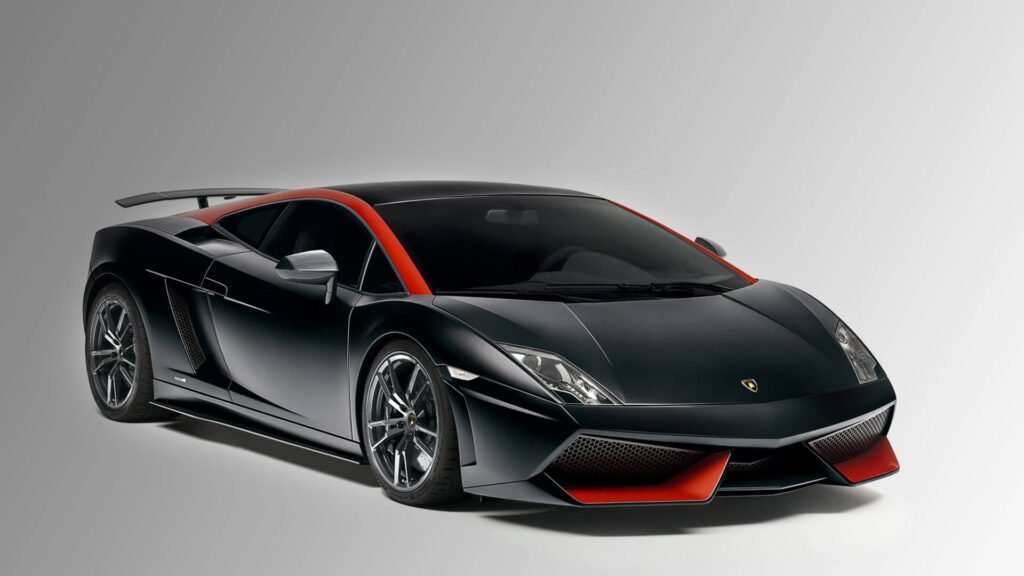
A lightweight, more focused version of Lamborghini’s first modern high-volume supercar.
As early Gallardos enter youngtimer territory, special editions like the Superleggera are gaining renewed collector interest.
BMW M4 GTS

Track-focused limited builds with reduced weight and enhanced aerodynamics.
They represent the most extreme expression of BMW M performance before the brand’s electrification shift.
Jaguar F-Type Project 7
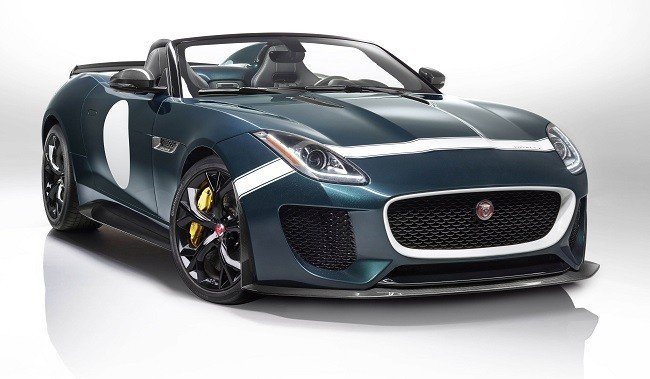
A highly limited heritage tribute inspired by Jaguar’s Le Mans-winning D-Type racers.
Its bespoke design and rarity elevate it beyond the standard F-Type lineup.
Porsche Cayman GT4 RS
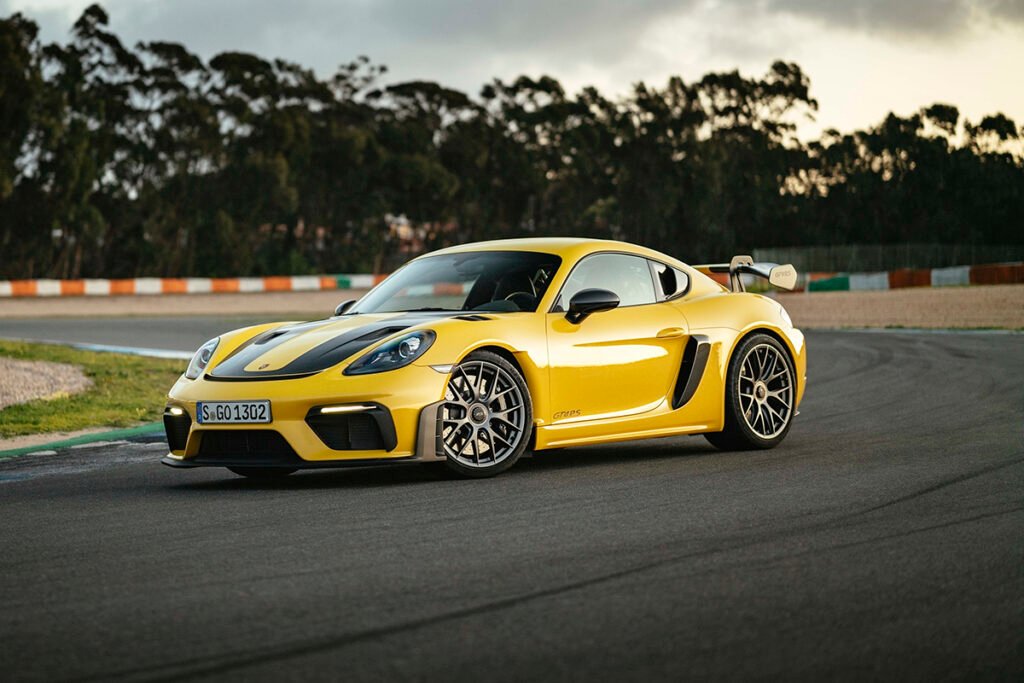
Arguably the ultimate naturally aspirated Cayman, powered by a GT3-derived engine and engineered with uncompromising track focus.
Its position within Porsche’s hierarchy makes it a strong candidate for cult status in the coming decade.
What Drives Appreciation in the Modern Classic Segment
Value growth within the Modern Classic category is driven by a convergence of structural shifts across the automotive and collector landscapes.
The gradual extinction of naturally aspirated engines transforms the final examples into mechanical milestones. At the same time, the disappearance of manual transmissions in high-performance vehicles enhances the desirability of the few that remain.
The Holy Trinity Investment Case
Limited production volumes gain additional significance when paired with authentic historical narratives — farewell editions, homologation specials, or motorsport derivatives — creating tangible scarcity rather than marketing-driven exclusivity.
Generational demand also plays a defining role. Many current buyers belong to the demographic that grew up idolizing these cars, creating a powerful emotional pull now supported by purchasing power.
Finally, usability remains a crucial differentiator. Unlike mid-century classics, Modern Classics can still be driven, serviced, and enjoyed regularly, reinforcing their dual identity as both investment assets and experiential machines.
The Sweet Spot of Modern Collecting
Modern Classics occupy a uniquely balanced position within the luxury collector car ecosystem.
They remain more accessible than blue-chip heritage classics and far less speculative than contemporary hypercars, yet they share essential appreciation drivers with both.
Models such as the 458 Speciale, 911 R, and Aventador SVJ represent the closing chapter of analog performance, while others like the LFA, 675LT, and GT4 RS are steadily entering collector consciousness.
For investors and enthusiasts seeking exposure to the luxury automotive asset class before full maturity pricing takes hold, the 2005–2020 Modern Classic window continues to offer some of the most compelling opportunities in today’s market.