
Few badges in the automotive world carry the weight of a single letter.
For more than five decades, the letter “M” has represented one of the purest expressions of driving performance. From the original E30 M3 to the V10-powered M5 and the latest generation of high-performance machines, BMW M has built its reputation on a simple promise: creating cars that place the driver at the centre of the experience.
Today, that promise faces its greatest challenge.
The automotive industry is entering a new era defined by electrification, software and digital technology. Performance is no longer measured solely by engine displacement, exhaust notes or gearbox configurations. Instead, a new generation of vehicles is being built around electric motors, advanced computing power and unprecedented levels of dynamic control.
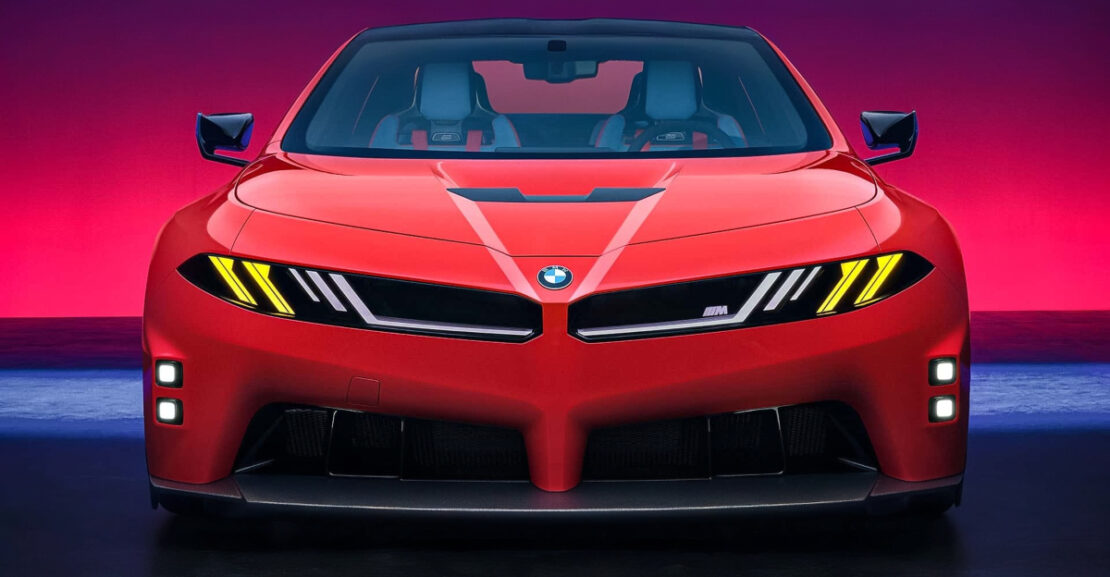
The BMW M Concept Neue Klasse represents the company’s vision for that future.
And perhaps more importantly, it reveals how BMW intends to preserve the soul of M in a world without combustion engines.
The Most Important BMW M Concept in Decades
Every generation of BMW has had defining moments.
The Neue Klasse of the 1960s transformed the company and laid the foundations for the modern BMW brand. The original M3 established a performance icon. The arrival of the first M5 proved that a luxury sedan could rival dedicated sports cars.
The M Concept Neue Klasse belongs in that conversation.
Unveiled during the 24 Hours of Le Mans, the concept serves as a preview of the next chapter for BMW’s performance division. While still a concept, it offers an unusually clear indication of what future high-performance electric BMW models will look like and how they will behave.
This is not merely an electric BMW.
It is BMW M’s attempt to redefine performance for an entirely new generation.
A Design That Looks Forward, Not Back
BMW could easily have chosen a conservative approach.
Instead, it delivered something bold.
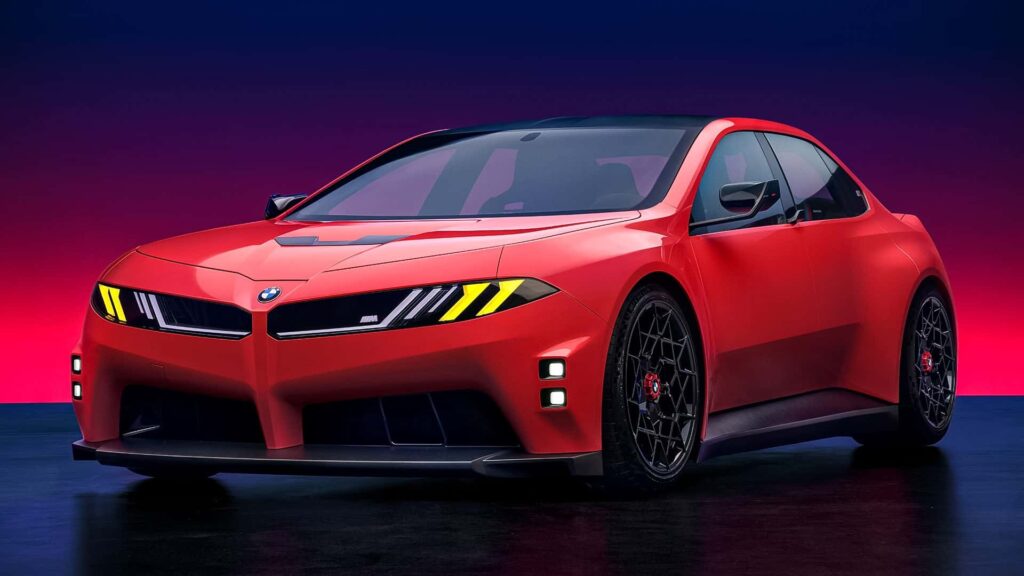
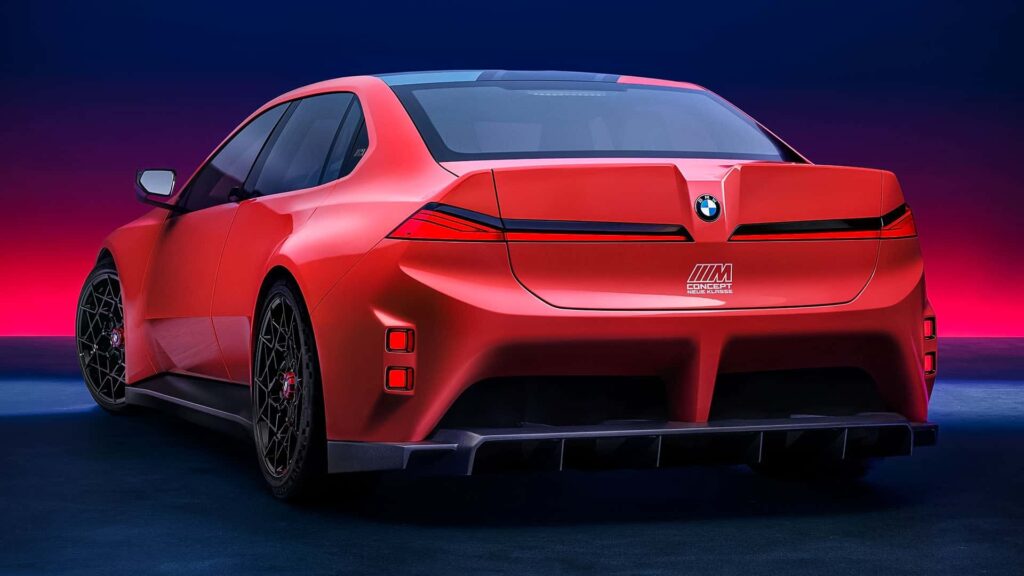
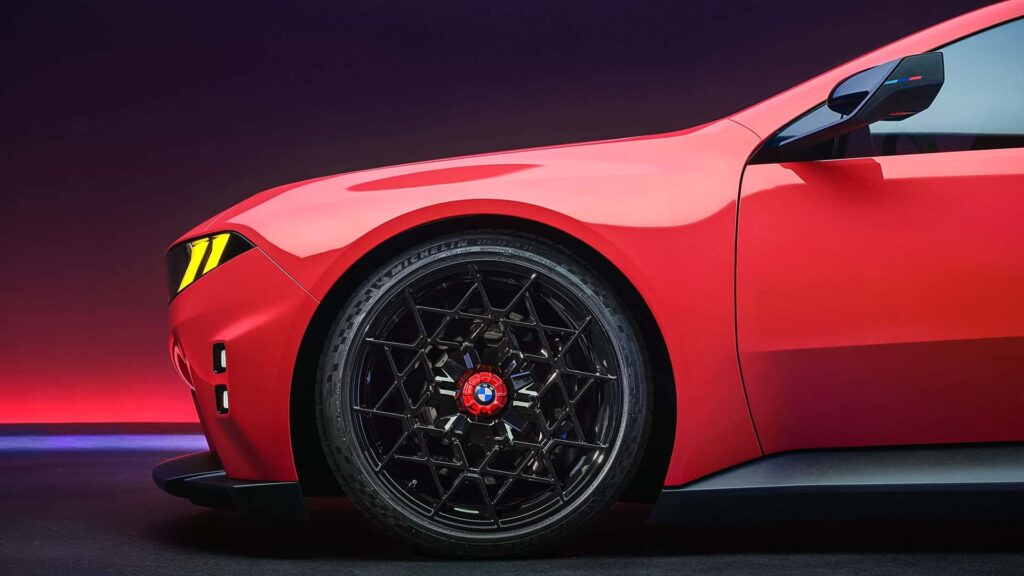
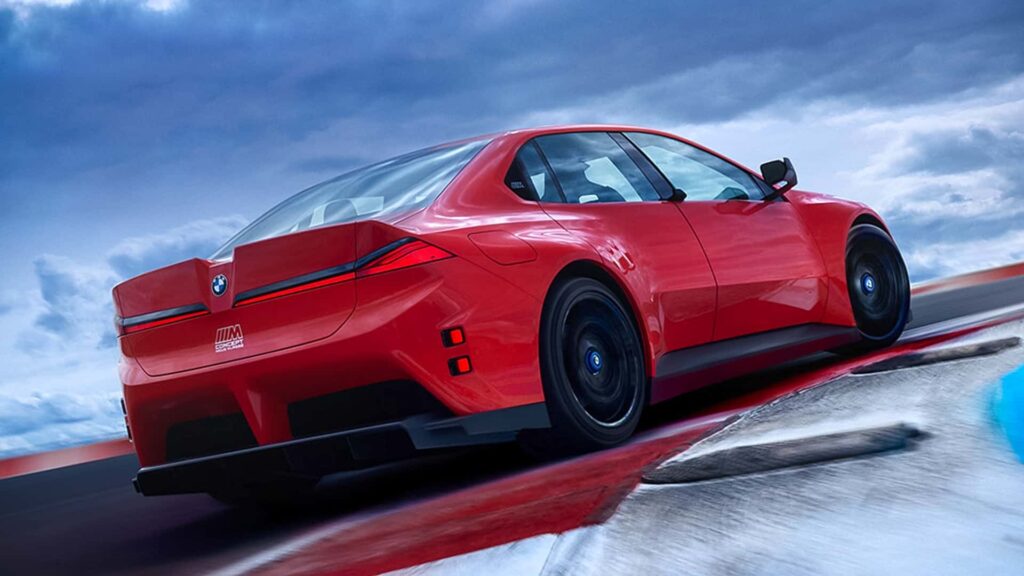
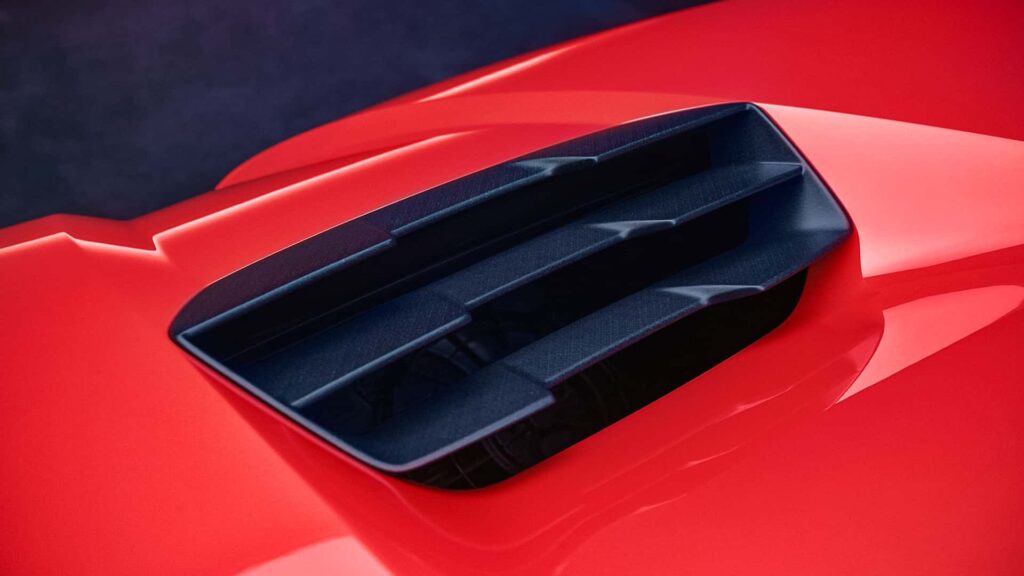
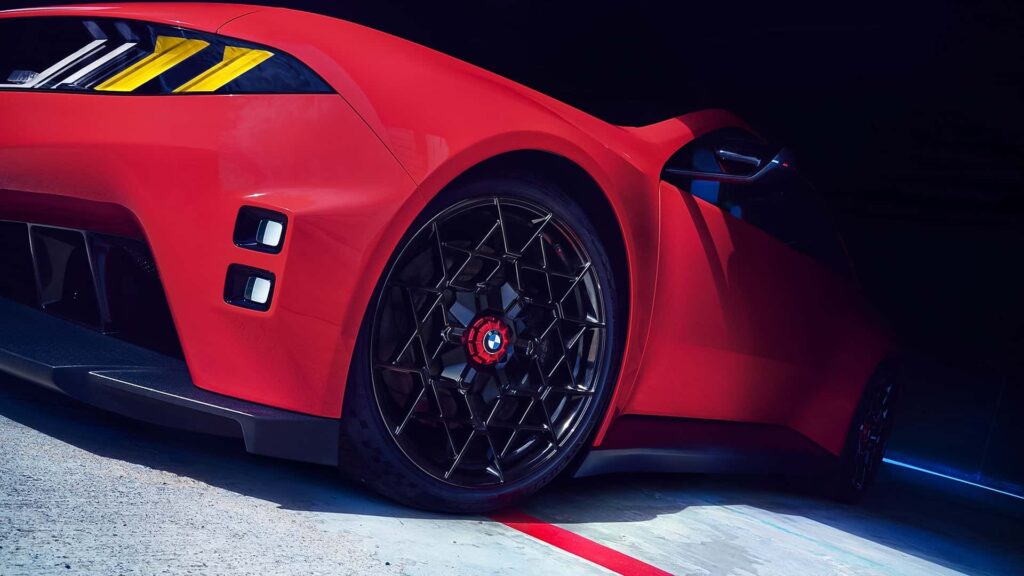
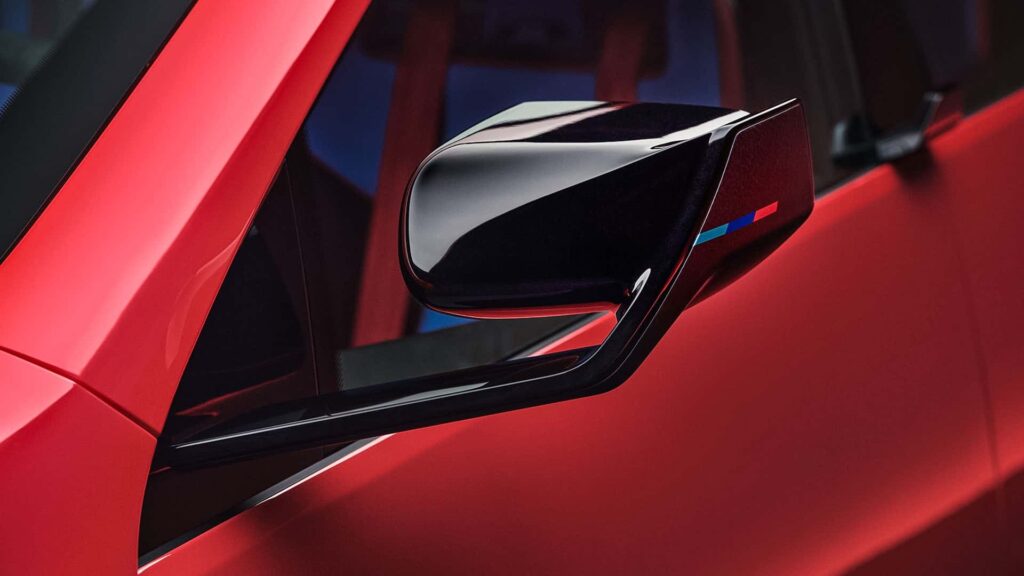
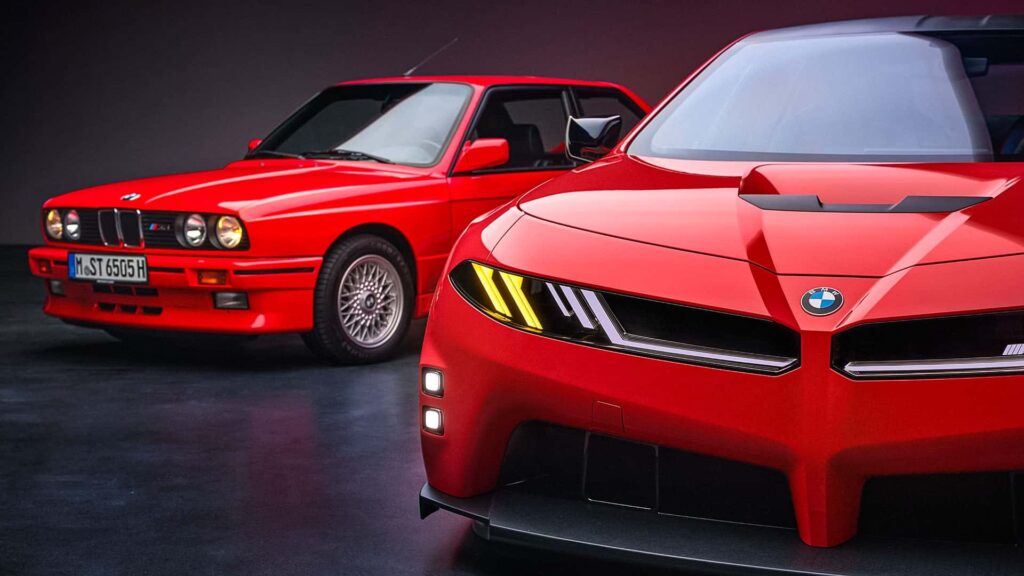
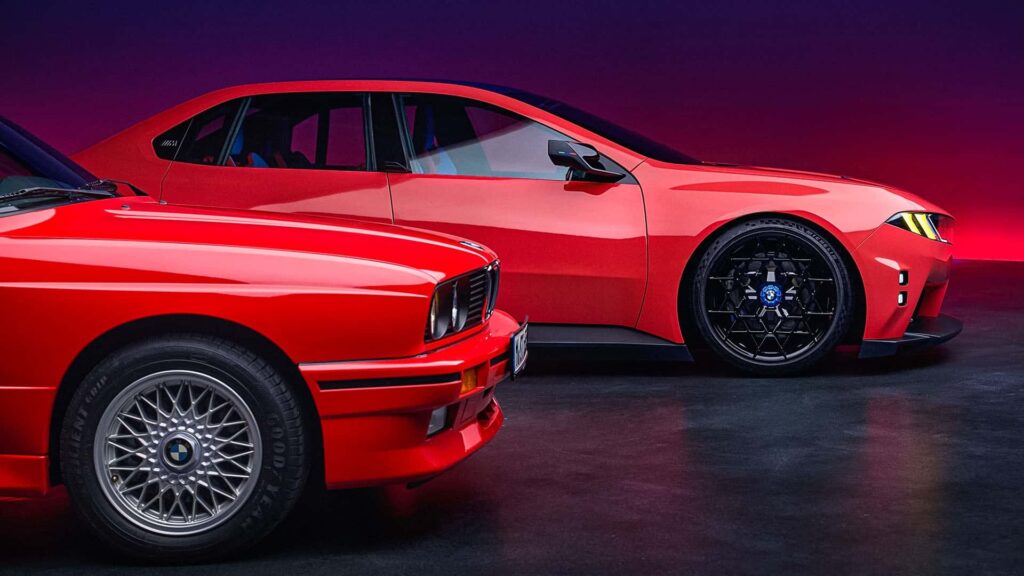
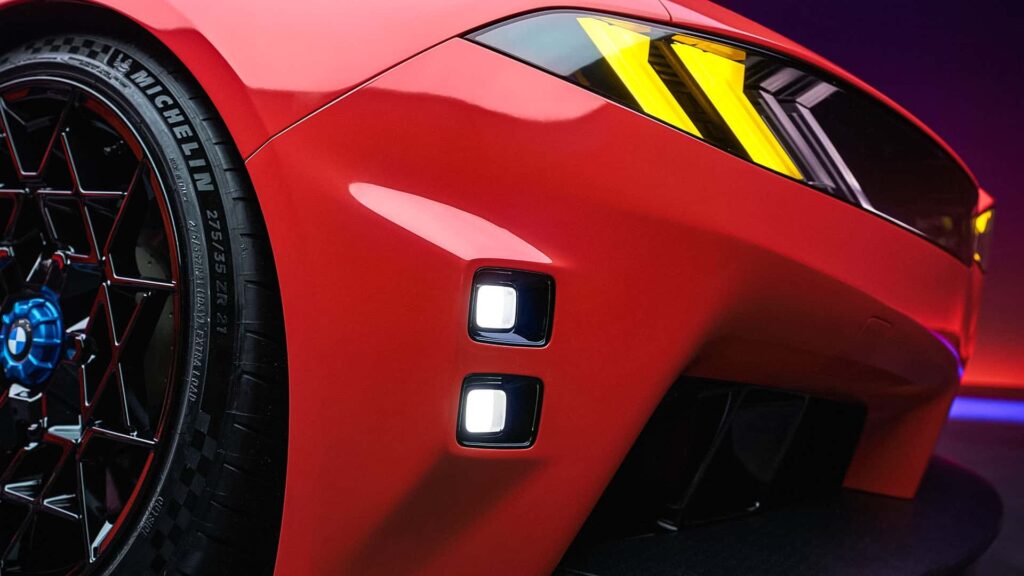
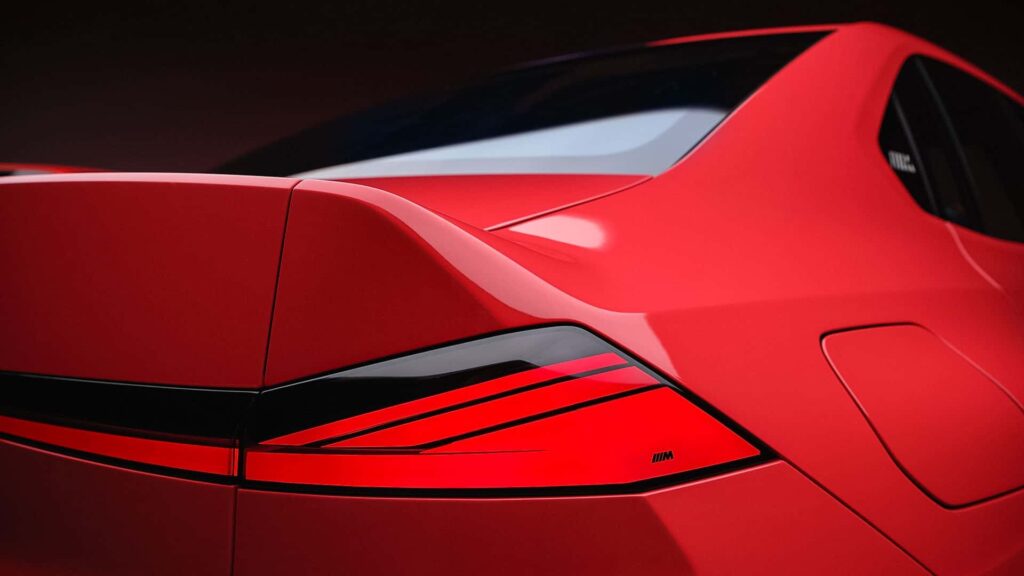
The M Concept Neue Klasse abandons many of the visual themes associated with current BMW M products and introduces a cleaner, more technical design language. Sharp surfaces, dramatic aerodynamic elements and a striking lighting signature create a vehicle that feels futuristic without becoming detached from BMW’s heritage.
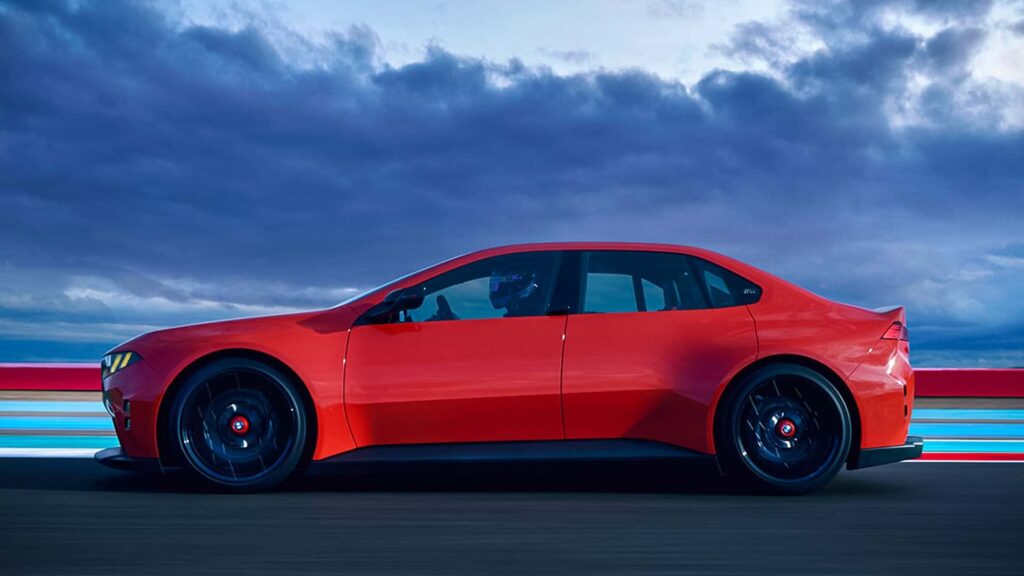
The proportions remain unmistakably BMW.
Long, muscular and purposeful.
Yet there is a new level of confidence in the design.
Rather than relying on oversized grilles or visual aggression, the concept generates presence through precision and proportion. Every surface appears intentional. Every opening serves a purpose.
The result feels less like a conventional sports sedan and more like a performance machine shaped by engineering requirements.
2027 Mercedes-AMG GT 4-Door — AMG’s Electric Super Sedan Revolution
The Electric M3 Everyone Has Been Waiting For
Although BMW has not officially confirmed production details, the automotive world understands what this concept represents.
The spiritual successor to the M3.
Or perhaps more accurately, the beginning of an entirely new branch of the M family.
For years, enthusiasts have questioned whether an electric M car could truly capture the character that made generations of BMW performance models so beloved.
BMW’s answer appears to be remarkably ambitious.
Instead of simply replacing an engine with electric motors, the company has developed a completely new performance architecture designed specifically around the demands of electric driving.
The objective is not to imitate the past.
It is to create something worthy of the future.
Four Motors, One Philosophy
At the heart of the concept lies a quad-motor electric powertrain.
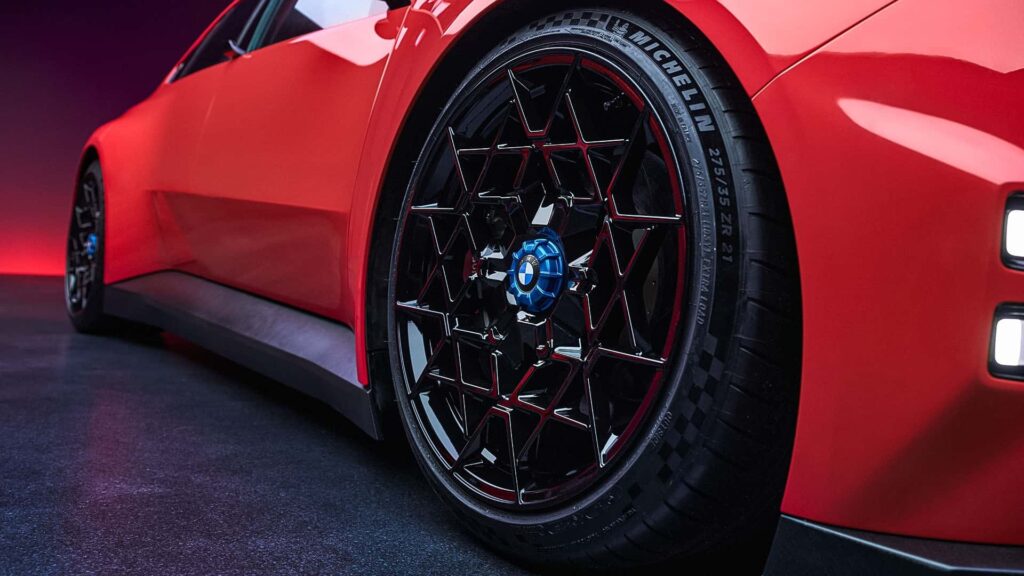
One motor powers each wheel, allowing unprecedented levels of precision in torque distribution and vehicle control. Unlike traditional all-wheel-drive systems, this setup can manage power delivery individually at each corner of the car.
The implications are enormous.
Cornering balance can be adjusted in milliseconds.
Traction can be optimized continuously.
Power delivery can be tailored to suit road conditions, driving style and performance requirements simultaneously.
Yet BMW insists that the objective is not simply maximum grip.
The goal is preserving the playful, engaging character that has always defined M cars.
This is perhaps the most fascinating challenge facing the project.
Not creating speed.
Creating emotion.
Le Mans Influence
The unveiling location was no coincidence.
Le Mans represents one of the most demanding tests of performance engineering in the world, and BMW’s growing motorsport involvement has clearly influenced the philosophy behind the M Concept Neue Klasse.
Several design cues directly reference the company’s endurance racing efforts.
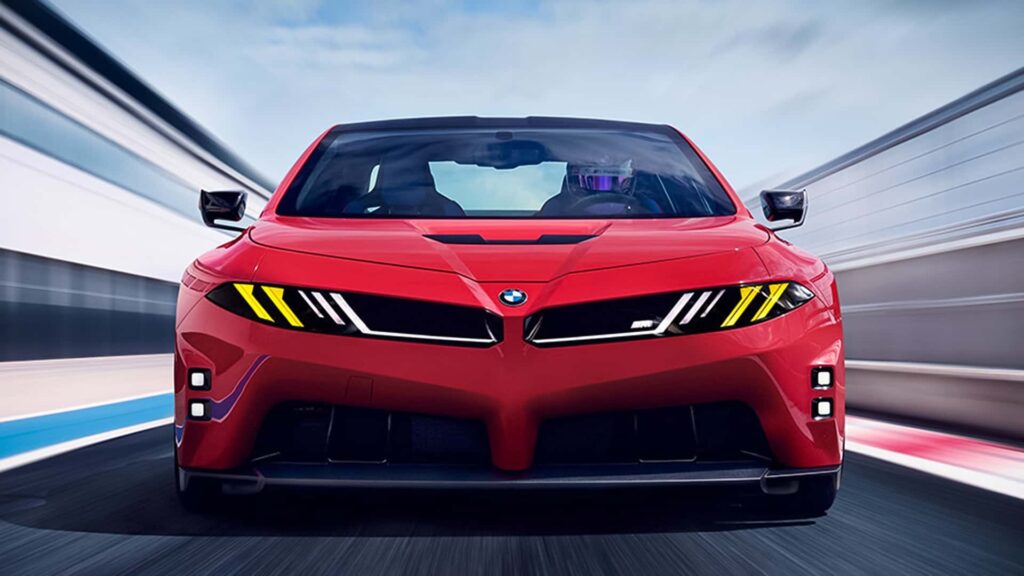
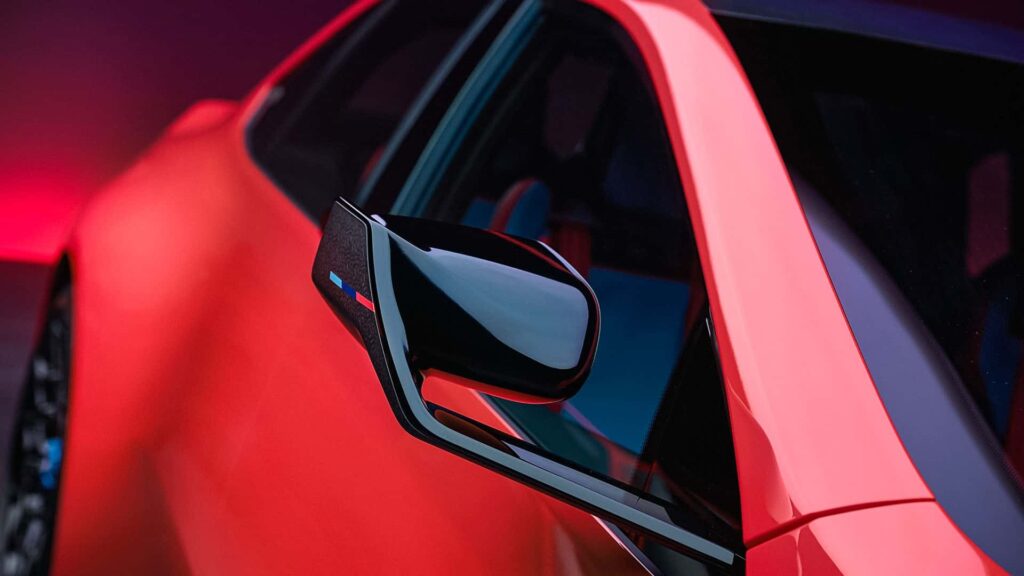
The distinctive lighting signatures, aerodynamic surfaces and technical detailing all hint at lessons learned on the racetrack.
For BMW, motorsport has always been more than marketing.
It serves as a development laboratory.
The M Concept Neue Klasse demonstrates how those lessons may shape the next generation of road cars.
A Cabin Designed Around the Driver
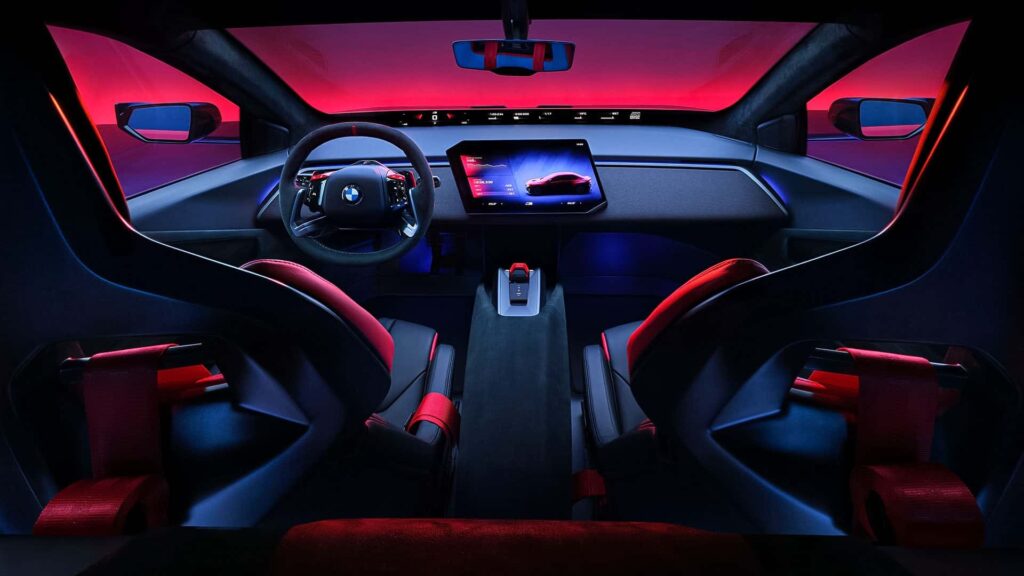
While the exterior attracts immediate attention, the interior may be even more significant.
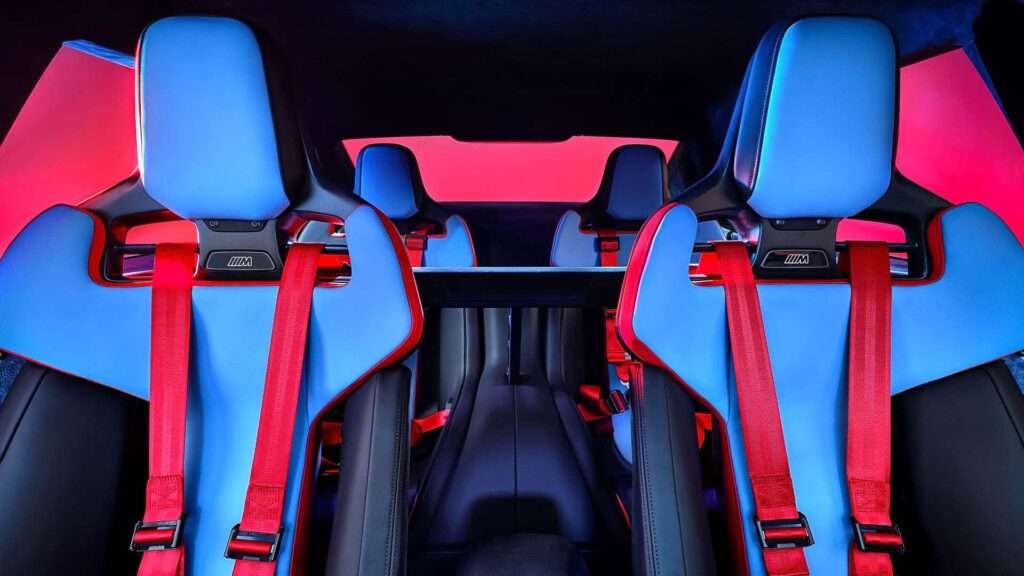
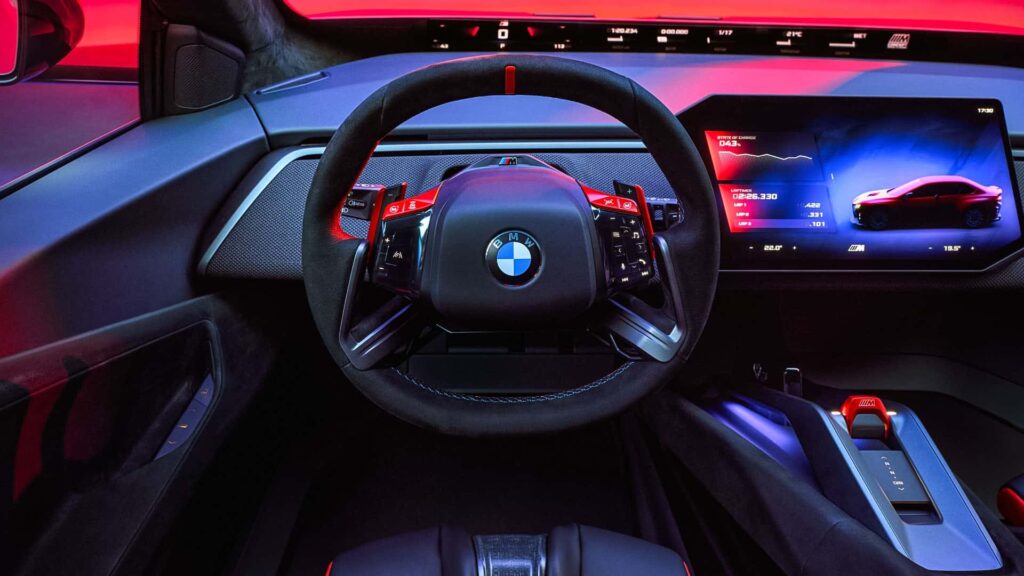
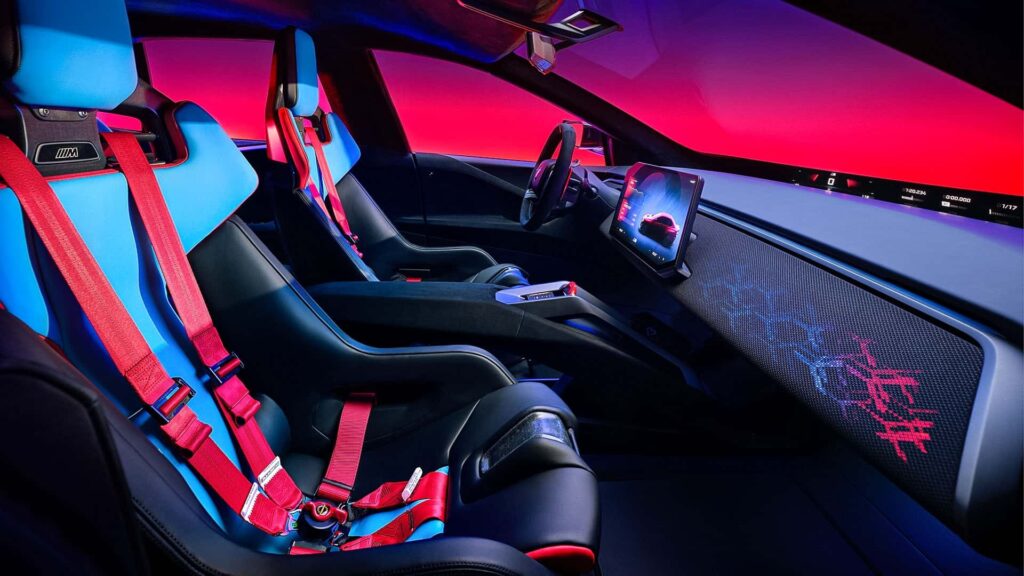
The cabin introduces a radically different interpretation of BMW’s driver-focused philosophy.
Large displays remain present, but they are integrated in a more sophisticated and less intrusive manner than many contemporary luxury vehicles. A full-width digital display stretches across the base of the windscreen, creating a new relationship between driver, information and vehicle.
The atmosphere feels purposeful rather than overwhelming.
BMW M8 Prototype (E31) — The Secret V12 Supercar BMW Never Built
Performance remains the priority.
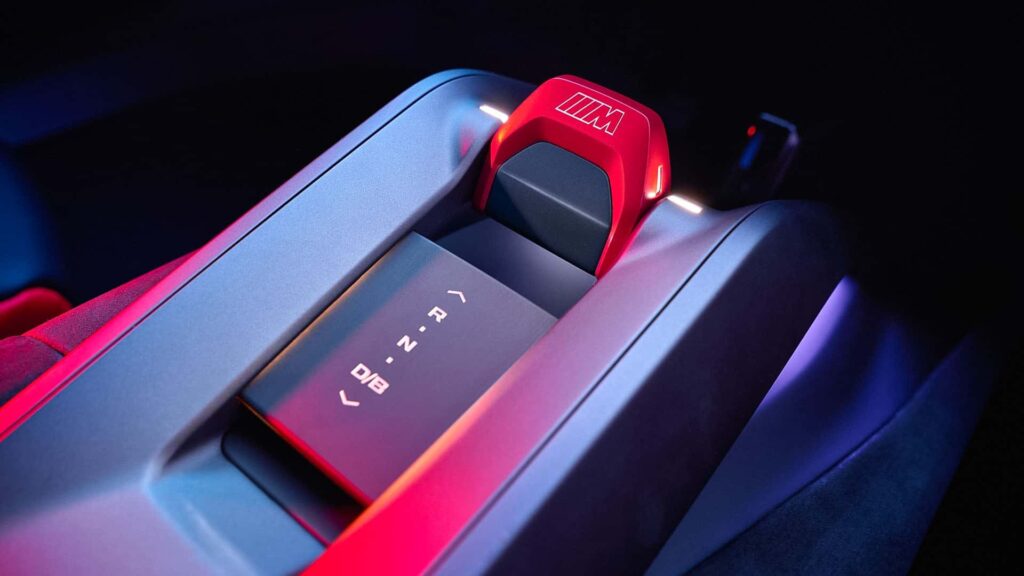
The bucket seats, driver-oriented controls and minimalist architecture all reinforce the idea that this is first and foremost a driver’s car.
Just one built for a digital age.
The Challenge Facing BMW M
The M Concept Neue Klasse arrives at a critical moment.
Perhaps no performance division faces greater scrutiny during the transition to electrification than BMW M.
For decades, the company has been defined by engine character, steering feel, balance and driver engagement. These qualities cannot simply be measured through acceleration figures or power outputs.
They must be felt.
This concept represents BMW’s confidence that those qualities can survive the transition to electric power.
Whether enthusiasts ultimately agree remains to be seen.
But BMW deserves credit for confronting the challenge directly rather than avoiding it.
More Than an Electric Sedan
The M Concept Neue Klasse is not important because it previews a future production model.
It is important because it previews a philosophy.
A vision of how one of the world’s most respected performance brands intends to evolve.
Many manufacturers are building electric performance cars.
Few are attempting to redefine what performance means in the process.
BMW appears determined to do exactly that.
The Future Starts Here
Every generation of enthusiasts remembers a car that changed everything.
The original M3.
The E39 M5.
The M1.
The question facing BMW today is whether the M Concept Neue Klasse will eventually join that list.
It is too early to know.
But one thing is certain.
This concept represents far more than the future of the M3.
It represents the future of BMW M itself.
And if the production version delivers on even a fraction of the promise shown here, the next era of performance may be far more exciting than many enthusiasts expect.