

Few manufacturers in automotive history have built their identity around a single engine architecture quite like Lamborghini.
For more than six decades, the Lamborghini V12 has represented excess, drama, rebellion, and mechanical theater in its purest form. While other manufacturers pursued refinement or efficiency, Lamborghini continued building cars that felt unapologetically emotional — machines designed not simply to be driven, but to shock, intimidate, and fascinate.
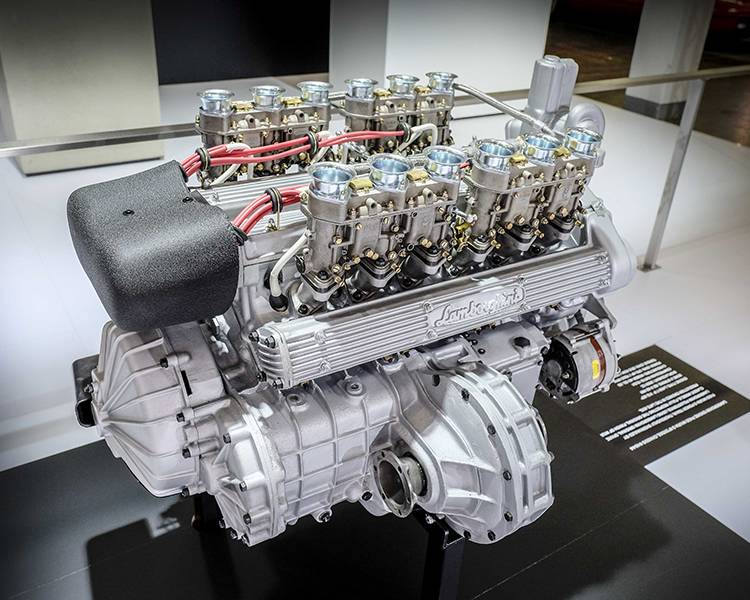
From the revolutionary Lamborghini Miura to the hybrid-era Lamborghini Revuelto, the company’s flagship V12 lineage has produced some of the most iconic supercars ever created.
But beyond the main production models lies another world entirely:
limited editions, homologation-inspired variants, one-offs, and collector-grade machines that pushed Lamborghini engineering and design into almost surreal territory.
This is the complete story of Lamborghini’s V12 legacy.
Lamborghini 350 GT and 400 GT: The Origins of the Lamborghini V12
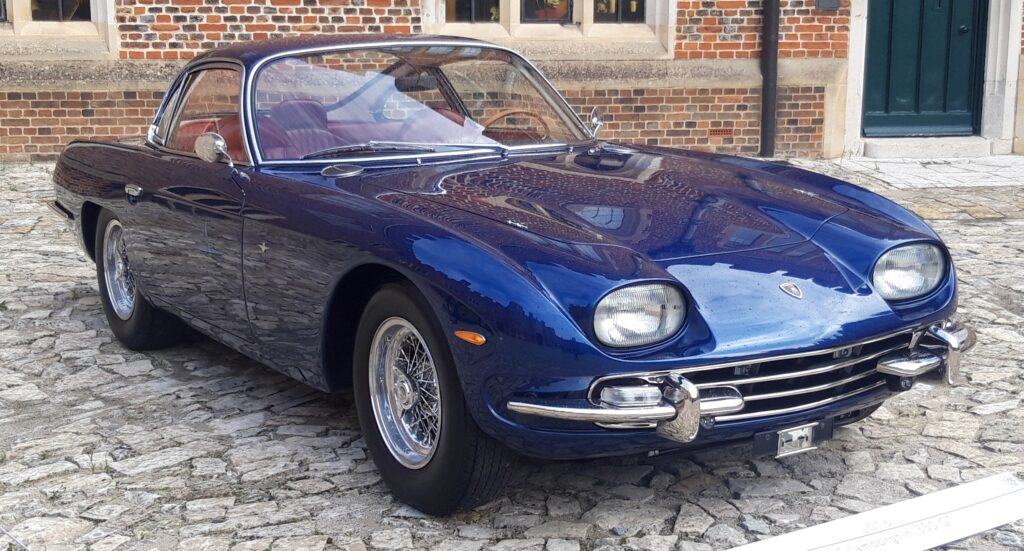
Before the Miura revolutionized the supercar world, Lamborghini’s V12 story began with something far more elegant and refined. The 350 GT, unveiled in 1964, became the company’s very first production car and represented Ferruccio Lamborghini’s direct challenge to Ferrari’s grand touring dominance.
Designed as a sophisticated high-performance GT rather than an uncompromising sports car, the 350 GT combined clean Touring Superleggera styling with a remarkable 3.5-liter V12 engineered by Giotto Bizzarrini. Producing around 280 hp, the naturally aspirated engine delivered smooth high-speed performance and immediately established Lamborghini as a serious new competitor in the world of exotic Italian automobiles.
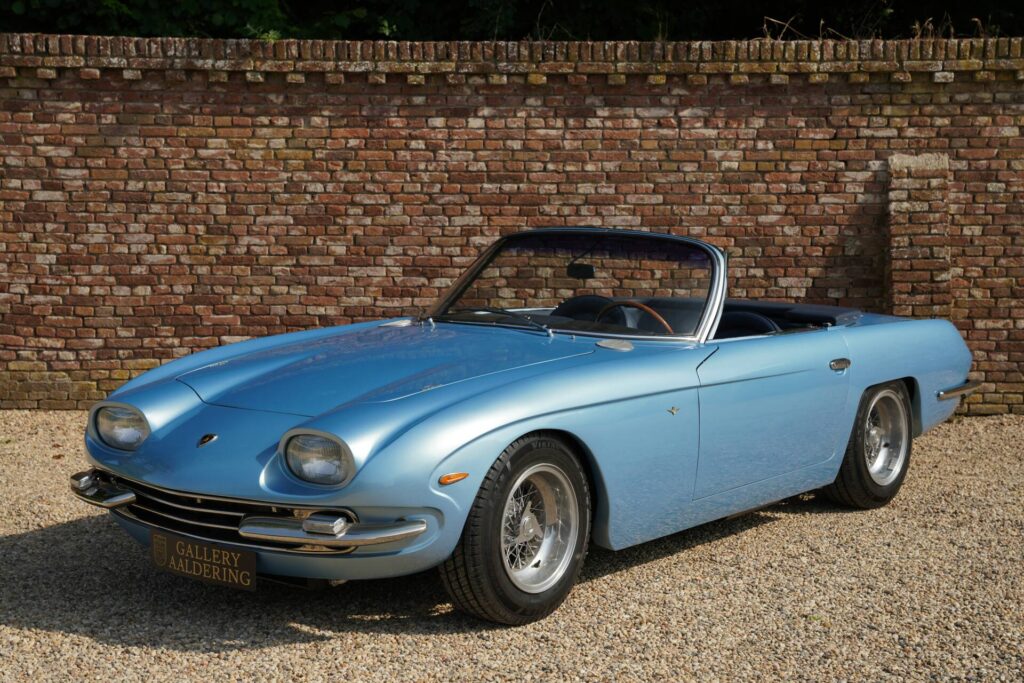
The later 400 GT evolved the formula further by increasing displacement to 4.0 liters and improving overall usability and refinement. With approximately 320 hp and available in both two-seat and 2+2 configurations, the 400 GT transformed Lamborghini from a promising newcomer into a legitimate luxury performance manufacturer capable of competing directly with Ferrari’s finest grand tourers.
Today, both the 350 GT and 400 GT remain among the most historically important Lamborghinis ever produced. Their elegant proportions, low production numbers, and direct connection to the origins of Lamborghini’s legendary V12 lineage have made them highly prized collector cars within the classic Italian automotive world.
Lamborghini Miura: The Birth of the Modern Supercar
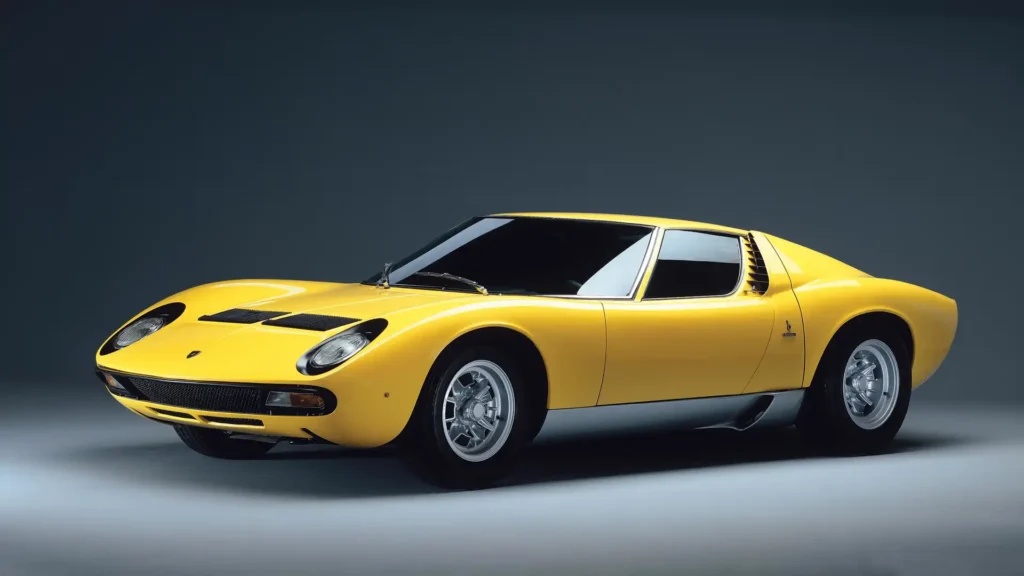
When the Lamborghini Miura arrived in 1966, it completely changed the automotive world and effectively created the blueprint for the modern supercar.
Designed by Marcello Gandini at Bertone, the Miura introduced the now-iconic mid-engine layout to the road car segment, placing a transversely mounted 3.9-liter V12 directly behind the driver. Producing around 350 hp in early P400 specification, the Miura became one of the fastest production cars of its era, capable of exceeding 280 km/h while delivering a driving experience unlike anything available at the time.
More importantly, it looked extraordinary. The impossibly low bodywork, flowing curves, dramatic proportions, and signature “eyelash” headlight surrounds transformed the Miura into an instant automotive icon and established Lamborghini as Ferrari’s most rebellious and visually daring rival.
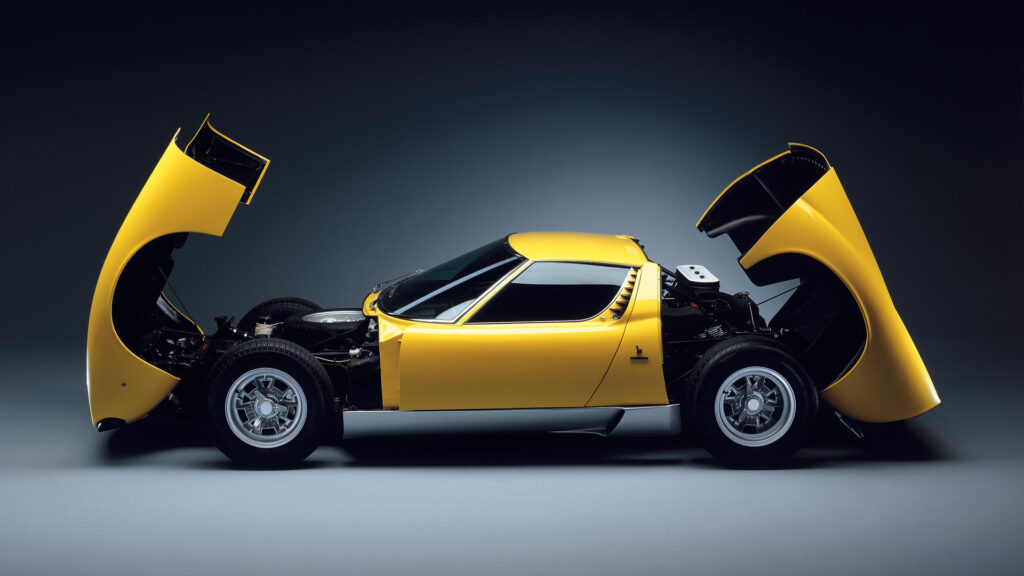
The Miura family would quickly evolve through several increasingly refined and more powerful variants. The Miura P400 S introduced approximately 370 hp alongside improved interior comfort, revised suspension tuning, and upgraded equipment, making the car more usable without sacrificing its dramatic personality. However, it was the legendary Miura SV that truly perfected the formula.
With a wider rear track, revised chassis setup, separated lubrication systems, and nearly 385 hp, the SV transformed the Miura into a far more stable and serious high-speed machine. Visually, the SV also became cleaner and more aggressive, removing the famous headlight “eyelashes” while adopting wider rear bodywork and revised aerodynamics.
Then came the mythical SVJ.
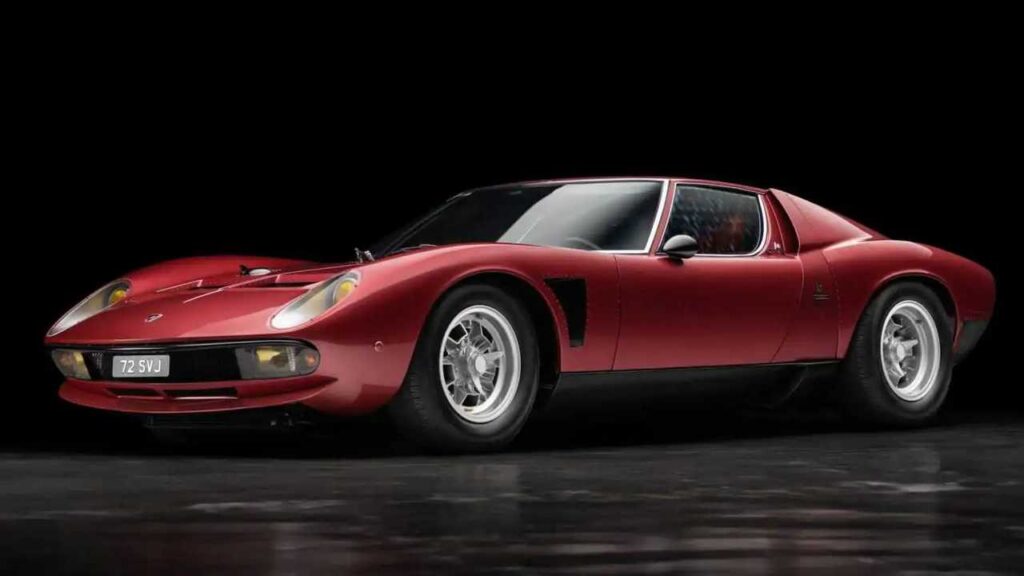
Inspired by the one-off Miura Jota experimental race car developed by Lamborghini test driver Bob Wallace, only a tiny number of Miura SVJ conversions were ever created either by the factory or later specialist modifications. These cars combined the elegance of the Miura with far more aggressive race-inspired details, upgraded performance, and an aura of near-mythical exclusivity.
Today, the rarest Miura variants — particularly the SV and SVJ — rank among the most collectible and valuable Lamborghinis ever built, with exceptional examples regularly reaching multi-million-euro valuations. Even decades later, many collectors and enthusiasts still consider the Miura the most beautiful Lamborghini ever created and one of the greatest automotive designs in history.
Lamborghini Countach: The Wedge-Shaped Revolution
If the Miura created the supercar, the Countach defined its attitude.
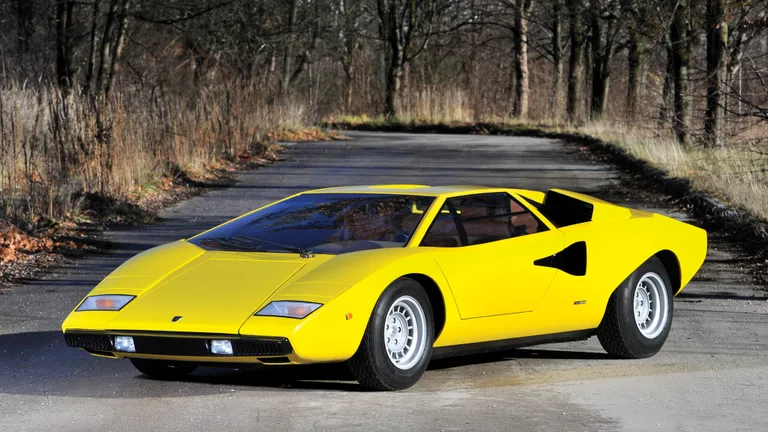
Unveiled during the early 1970s, the Countach introduced the radical wedge-shaped design language that would become synonymous with Lamborghini for decades. Designed once again by Marcello Gandini, the car looked impossibly futuristic for its era, combining razor-sharp surfaces with scissor doors, dramatic air intakes, extreme proportions, and a driving position that felt more like a fighter jet cockpit than a traditional sports car.
The early LP400 models produced around 375 hp from a naturally aspirated 4.0-liter V12 and remain especially prized today because of their relatively clean and minimalist appearance. Without the massive rear wings and exaggerated aerodynamic add-ons of later versions, the original “Periscopio” Countach is often considered the purest interpretation of Gandini’s original design vision.
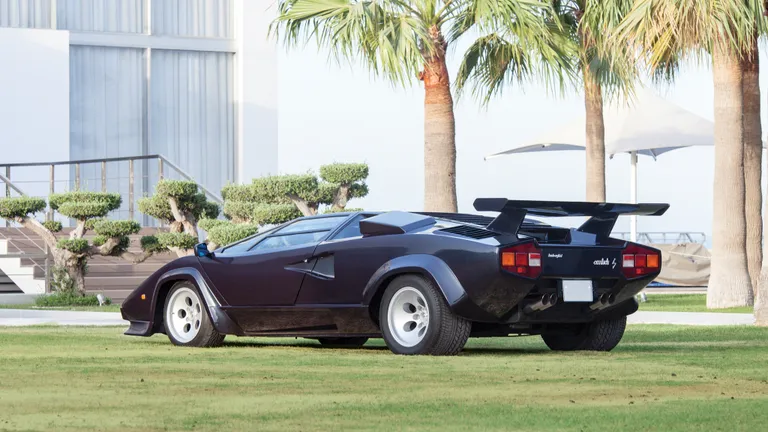
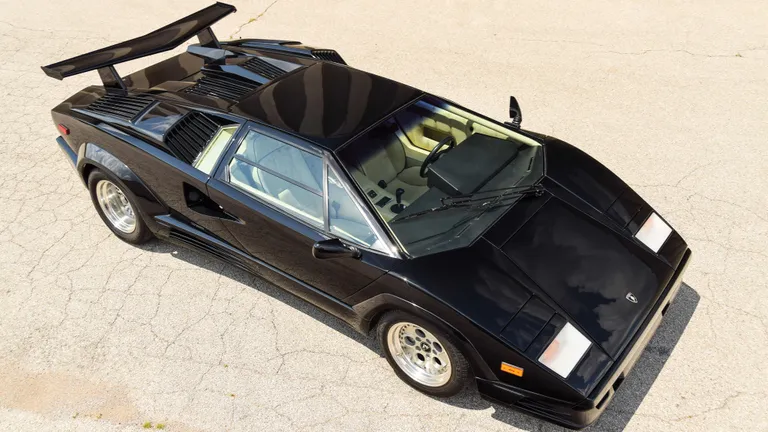
As the years progressed, Lamborghini continuously evolved the platform into increasingly aggressive and powerful forms. The LP400 S introduced the now-famous flared wheel arches and enormous rear tires that would become iconic Countach styling elements. The LP500 S later increased displacement to 4.8 liters, while the legendary 5000 Quattrovalvole pushed output beyond 450 hp and transformed the Countach into one of the most intimidating supercars of the 1980s.
Lamborghini Countach Walter Wolf
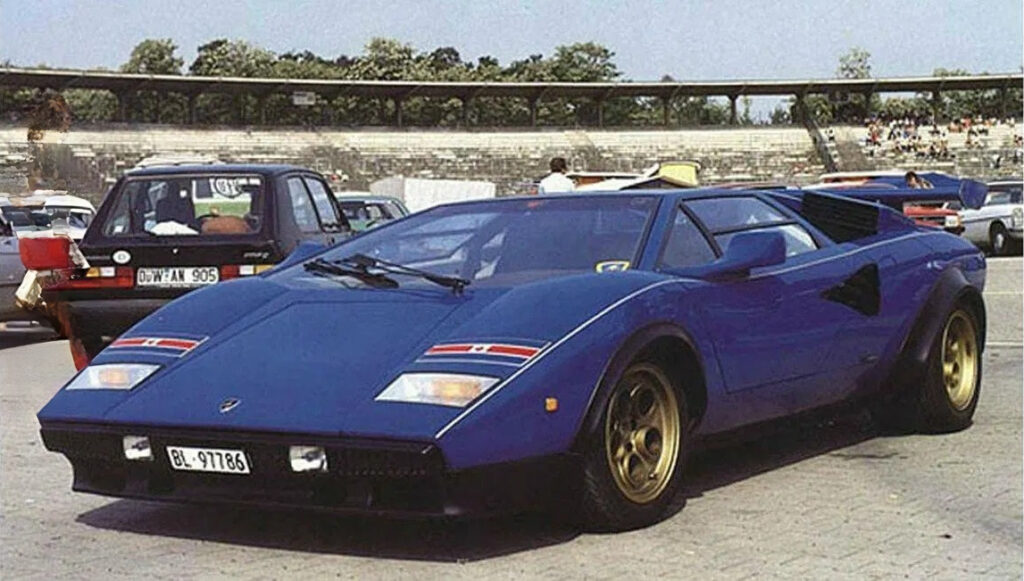
One of the most fascinating chapters in Countach history belongs to the ultra-rare Walter Wolf specials. Commissioned by Canadian businessman and Formula One sponsor Walter Wolf, these highly modified Countachs featured more powerful engines, wider bodywork, upgraded suspension, and aggressive aerodynamic enhancements years before Lamborghini officially introduced similar features into production models.
Only a tiny number of Walter Wolf Countachs were ever built, instantly turning them into some of the most mythical Lamborghinis of the era. More importantly, their dramatic styling and wider stance heavily influenced the future evolution of the Countach itself, particularly later models such as the LP400 S and subsequent wide-body variants.
The final evolution arrived with the 25th Anniversary Countach, introduced near the end of the 1980s. Featuring revised aerodynamics, improved cooling, updated interior refinement, and the unmistakable visual drama that had defined the model for nearly two decades, the Anniversary edition became one of the most recognizable Lamborghinis of its generation.
Today, early Countachs have become true blue-chip collector cars, with exceptional examples regularly selling for well into seven figures. Rare variants such as the Walter Wolf cars, early LP400 “Periscopio” models, and low-mileage Quattrovalvole versions now rank among the most valuable and celebrated Lamborghinis ever produced.
Lamborghini Diablo: The Last Analog Lamborghini
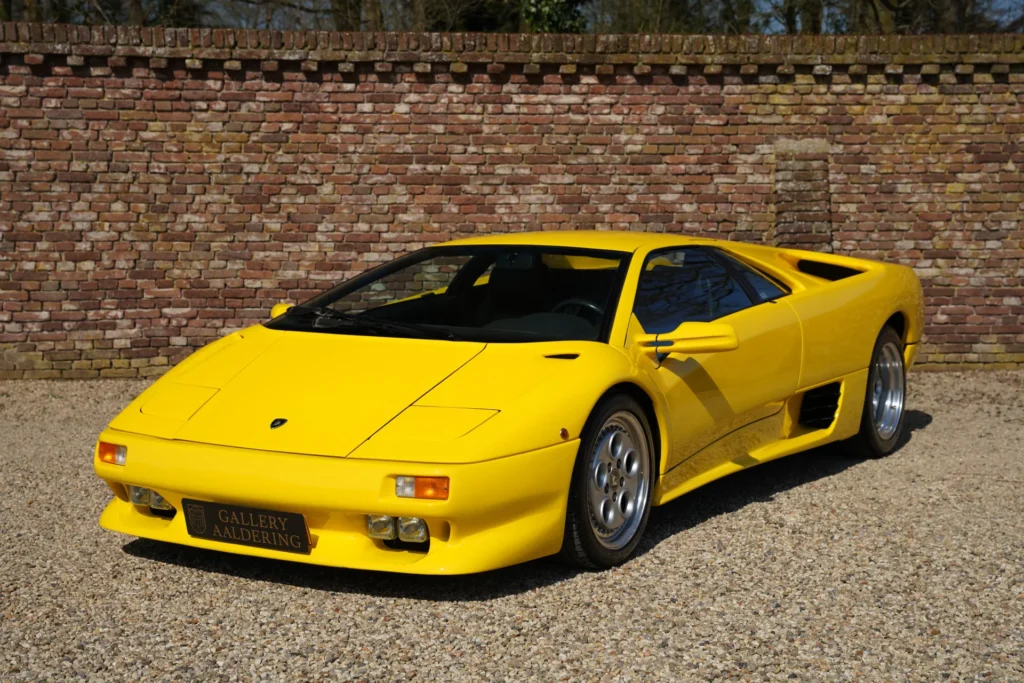
The Lamborghini Diablo marked the transition from the raw and chaotic Lamborghini era of the 1970s and 1980s into the modern supercar age. Introduced in 1990 as the successor to the Countach, the Diablo retained the dramatic personality expected from a Lamborghini flagship while becoming significantly faster, more refined, and more technologically advanced.
Powered initially by a naturally aspirated 5.7-liter V12 producing around 492 hp, the Diablo became the first Lamborghini officially capable of exceeding 325 km/h. It remained visually outrageous, with impossibly wide proportions, scissor doors, and aggressive aerodynamics, yet it also introduced improved stability, better ergonomics, and a far more usable driving experience compared to the Countach.
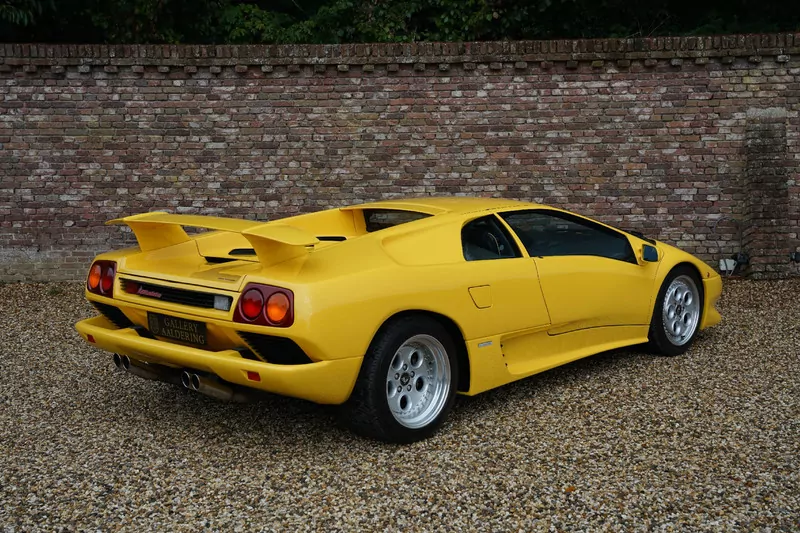
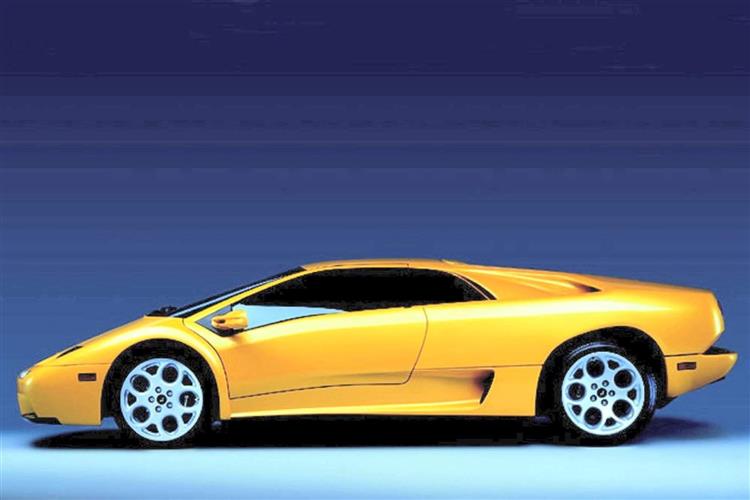
Over time, the Diablo family evolved into one of the most diverse and fascinating Lamborghini lineups ever created. The Diablo VT introduced all-wheel drive for the first time in a Lamborghini V12 flagship, dramatically improving traction and high-speed confidence. The rear-wheel-drive SV embraced a lighter and more aggressive personality, while the VT Roadster became one of the defining exotic convertibles of the 1990s supercar era.
Lamborghini Diablo SE30 Jota
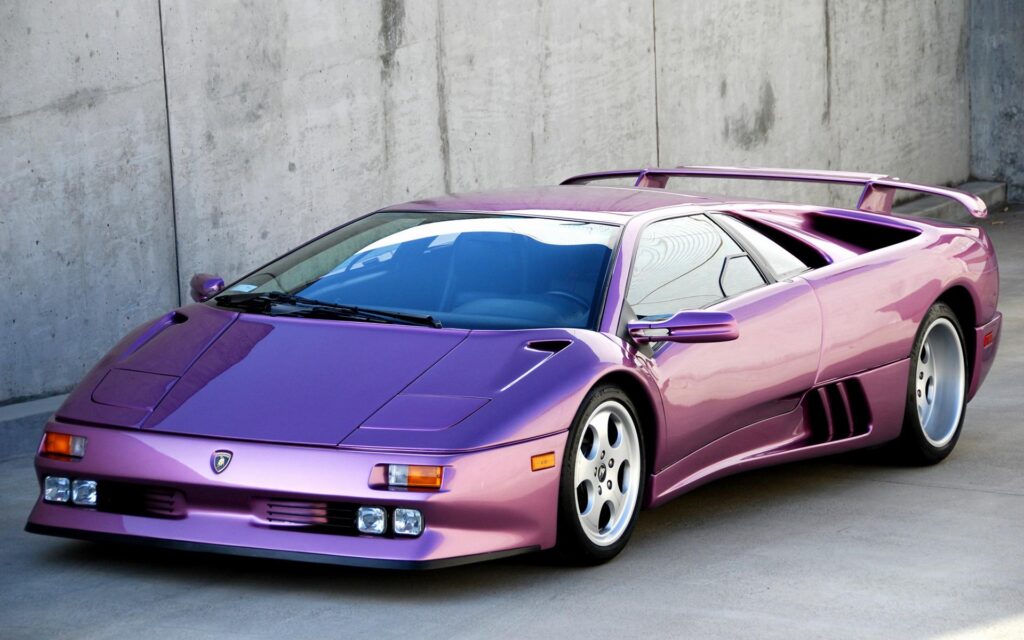
The most legendary Diablo variants emerged during the mid-1990s with the arrival of the SE30 and the mythical SE30 Jota. Built to celebrate Lamborghini’s 30th anniversary, the SE30 stripped away luxury equipment, reduced weight, and transformed the Diablo into something far closer to a road-going race car. The naturally aspirated V12 produced around 525 hp, while revised suspension and aggressive aerodynamic details gave the car a far more focused character.
The even rarer SE30 Jota pushed the concept further through factory-supported upgrades that included revised induction systems, freer-flowing exhaust components, and additional race-inspired modifications capable of increasing output to nearly 600 hp. Visually, the Jota became one of the wildest Lamborghinis of its era, with massive air intakes, stripped-out details, and an unmistakably motorsport-oriented atmosphere.
The Diablo family would continue evolving with increasingly extreme variants such as the Diablo GT, featuring aggressive aerodynamics and approximately 575 hp, and the track-focused Diablo GTR developed specifically for Lamborghini’s one-make racing series. Today, the rarest Diablo variants — particularly the SE30 Jota, GT, and GTR — rank among the most desirable and collectible Lamborghinis ever produced, representing the final years of the truly analog V12 supercar era.
Lamborghini Murciélago: The Audi Era Begins
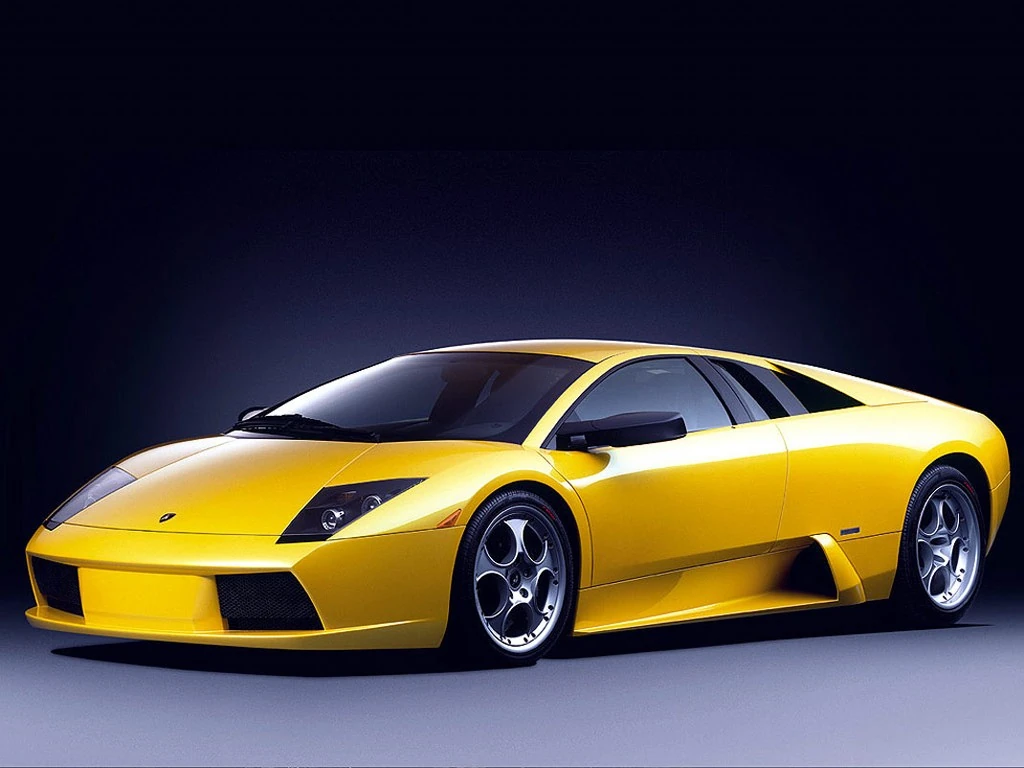
The Lamborghini Murciélago marked the beginning of a completely new chapter for the brand under Audi ownership. Introduced in 2001 as the successor to the Diablo, the Murciélago preserved the naturally aspirated V12 formula that defined Lamborghini’s flagship lineage while introducing dramatically improved engineering quality, reliability, and high-speed stability.
Powered initially by a 6.2-liter V12 producing around 580 hp, the Murciélago combined brutal performance with a level of refinement that previous Lamborghini flagships had never fully achieved. Later evolutions such as the LP640 increased output to approximately 640 hp while improving aerodynamics, cooling, and overall drivability. Despite the technological improvements, the Murciélago still looked unmistakably Lamborghini — low, angular, dramatic, and intimidating from every angle.
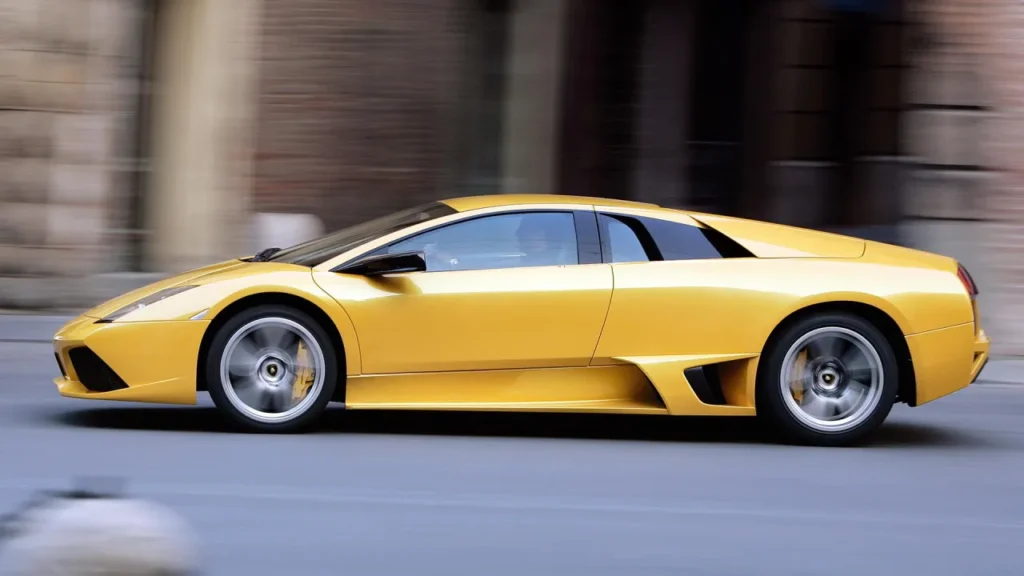
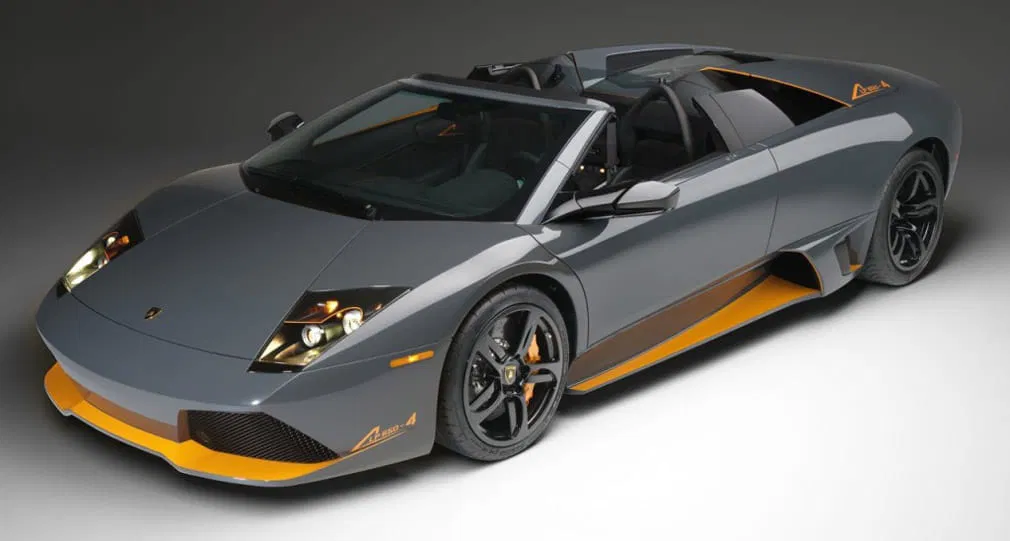
Over time, the Murciélago lineup expanded into several increasingly aggressive variants. The Roadster added open-air V12 theatrics and quickly became one of the most recognizable exotic convertibles of the 2000s, while limited editions such as the LP650-4 Roadster introduced more exclusive configurations and enhanced performance. However, it was the arrival of the LP670-4 SuperVeloce that truly transformed the Murciélago into a modern collector icon.
Lamborghini Murciélago LP670-4 SV

Producing approximately 670 hp while shedding significant weight through extensive carbon-fiber use and stripped-down components, the Murciélago LP670-4 SV became one of the most extreme Lamborghinis of its generation. Capable of exceeding 340 km/h, the SV combined massive naturally aspirated V12 power with aggressive aerodynamics and a far more focused chassis setup, giving the car a raw and intimidating personality even compared to earlier Murciélago models.
Visually, the SV embraced a much more dramatic appearance with enlarged air intakes, revised front and rear bumpers, lightweight wheels, and an enormous rear wing that instantly distinguished it from the standard Murciélago lineup. Production numbers remained relatively low compared to later Lamborghini models, further increasing its exclusivity and desirability among collectors.
Today, the Murciélago SV is widely regarded as one of the most collectible modern Lamborghinis ever produced. Values have risen dramatically in recent years as enthusiasts increasingly recognize the car as one of the final truly analog naturally aspirated V12 Lamborghinis before the fully digital supercar era arrived.
Lamborghini Aventador: The Carbon-Fiber V12 Revolution

Few modern supercars have dominated social media, popular culture, and collector conversations quite like the Lamborghini Aventador. Introduced in 2011 as the successor to the Murciélago, the Aventador represented a dramatic technological leap for Lamborghini while preserving the naturally aspirated V12 formula that defined the brand’s flagship identity.
Built around an entirely new carbon-fiber monocoque chassis, the Aventador combined lightweight construction with a naturally aspirated 6.5-liter V12 producing approximately 700 hp in its original configuration. Everything about the car felt larger, sharper, and more aggressive than its predecessor, from the angular fighter-jet-inspired bodywork to the explosive acceleration and dramatic scissor-door presence that quickly made the Aventador one of the defining supercars of the 2010s.

Over time, Lamborghini evolved the platform into a wide range of increasingly extreme variants. The Aventador Roadster introduced open-air V12 theatrics, while the Aventador S refined the platform with improved aerodynamics and rear-wheel steering technology. The lightweight SV pushed the car toward a more track-focused personality through increased power, reduced weight, and far more aggressive aerodynamic tuning.
Lamborghini Aventador SVJ
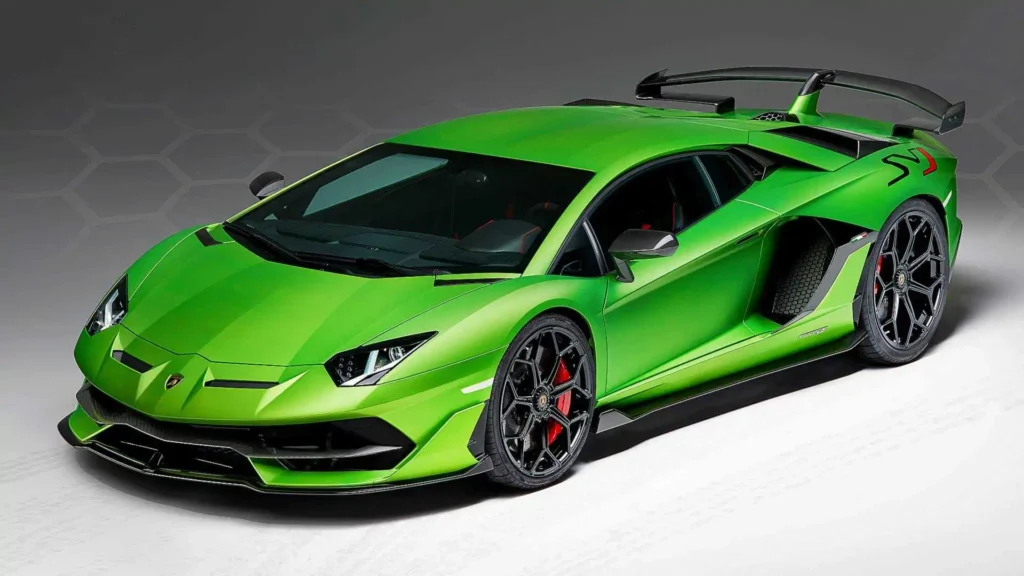
Then Lamborghini unleashed the Aventador SVJ — one of the most extreme naturally aspirated V12 road cars ever created. Producing approximately 770 hp and featuring advanced active aerodynamics through the ALA system, the SVJ transformed the Aventador into a genuine high-performance weapon capable of setting Nürburgring production car records and redefining the limits of Lamborghini’s V12 platform.
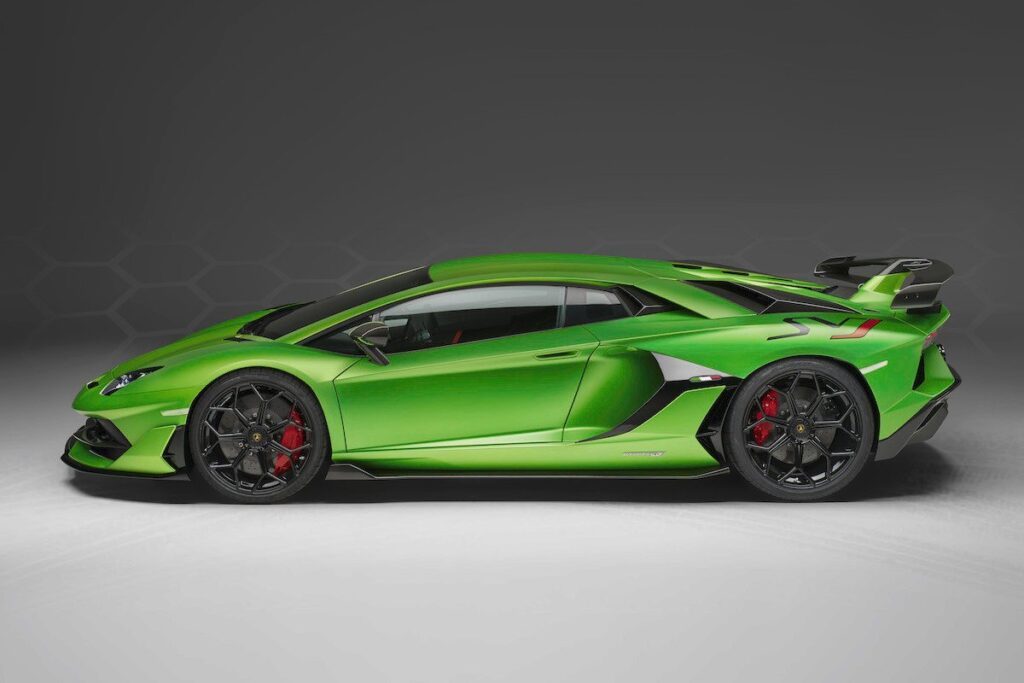
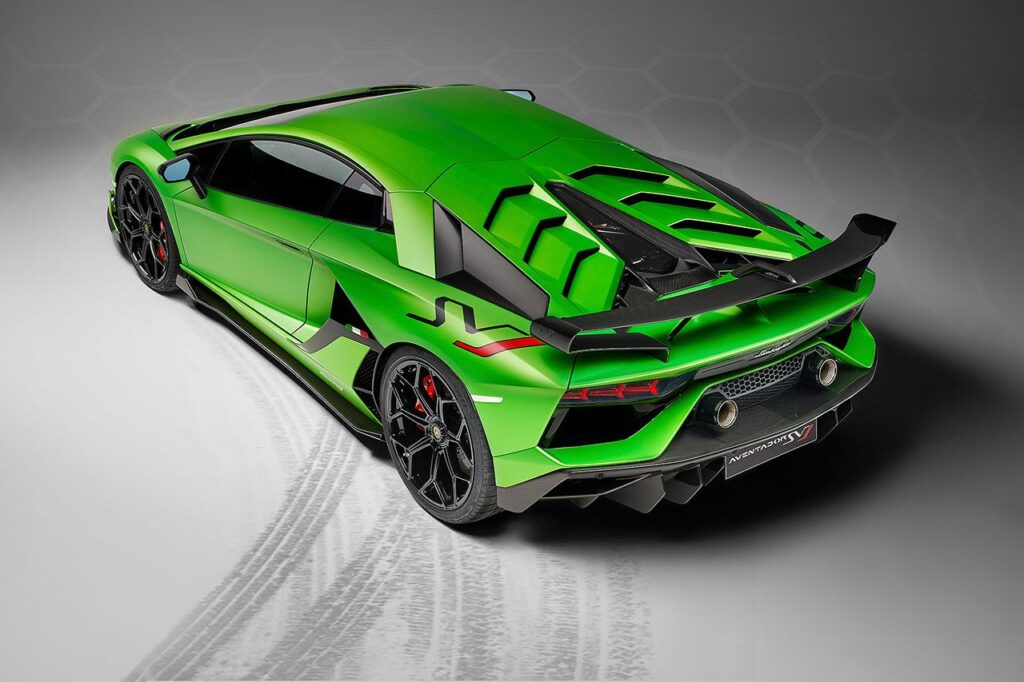
Visually, the SVJ embraced maximum aggression with enormous aerodynamic channels, an oversized rear wing, exposed carbon-fiber surfaces, and dramatically revised bodywork that made even previous Aventador variants appear restrained. The combination of naturally aspirated V12 power, race-inspired engineering, and increasingly limited production immediately elevated the SVJ into collector territory.
The final evolution arrived with the Aventador Ultimae, effectively becoming Lamborghini’s farewell to the pure naturally aspirated non-hybrid V12 flagship era. Combining elements of the Aventador S and SVJ into a final high-performance celebration of the platform, the Ultimae represented the closing chapter of one of Lamborghini’s most successful and recognizable supercar generations. Today, low-production Aventador variants — particularly the SV, SVJ, and Ultimae — are already firmly establishing themselves as highly desirable modern collector cars.
Lamborghini Revuelto: The Hybrid Future

The Lamborghini Revuelto represents the beginning of an entirely new chapter in the history of the brand’s legendary V12 lineage. Introduced as the successor to the Aventador, the Revuelto became Lamborghini’s first series-production plug-in hybrid V12 flagship, marking the transition into the electrified era while still preserving the emotional character that has defined Lamborghini supercars for decades.
Lamborghini Carbonado X — Forged Carbon Extremism
At the heart of the car remains a naturally aspirated 6.5-liter V12, now combined with three electric motors to produce a combined output exceeding 1,000 hp. The hybrid system dramatically improves acceleration, responsiveness, and torque delivery, allowing the Revuelto to achieve performance figures previously reserved for hypercars while still retaining the unmistakable sound and high-revving nature of a traditional Lamborghini V12.
Visually, the Revuelto evolves Lamborghini’s modern design language into something even sharper and more technical. Aggressive aerodynamic channels, Y-shaped lighting signatures, exposed carbon-fiber structures, and an advanced monofuselage chassis create a car that feels both futuristic and unmistakably Lamborghini. Inside, the cockpit introduces a far more digital and driver-focused environment while maintaining the dramatic atmosphere expected from the company’s flagship models.
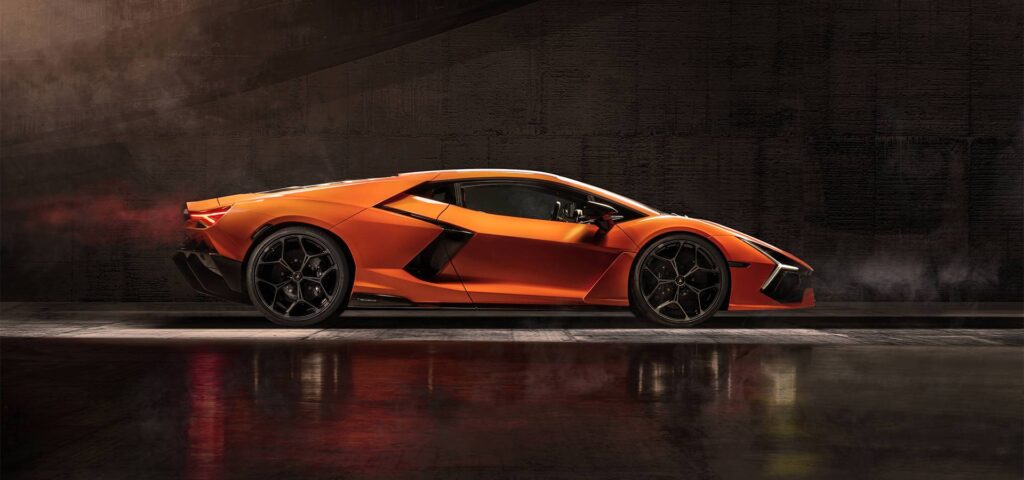
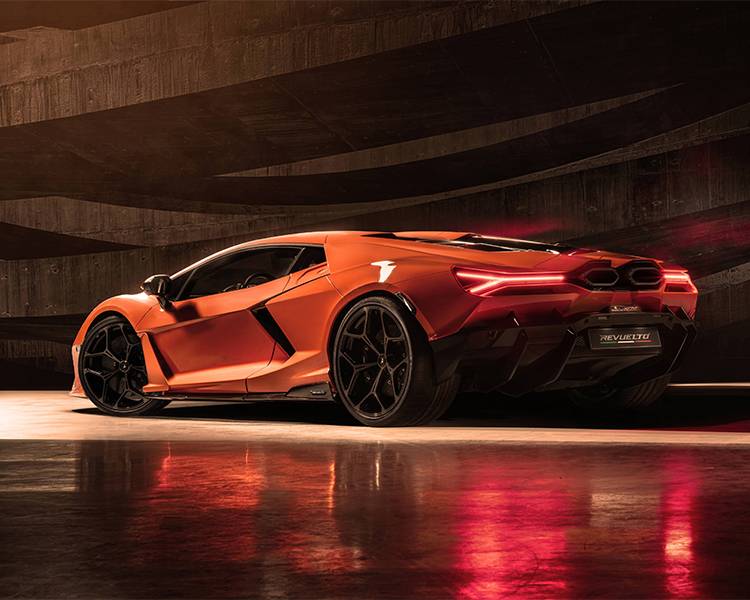
Unlike many hybrid performance cars that prioritize efficiency over emotion, the Revuelto still focuses heavily on drama, sound, and theatricality. It simply delivers them at an entirely new level of performance and technological sophistication. Future variants will almost certainly include even more aggressive SV and SVJ evolutions, continuing Lamborghini’s long tradition of transforming its flagship V12 cars into increasingly extreme and collectible machines.
The Rare Lamborghini V12 Icons
Beyond the main production lineage lies Lamborghini’s most exclusive territory:
limited editions, one-offs, and collector-grade engineering exercises built in tiny numbers.
Lamborghini Reventón and Roadster
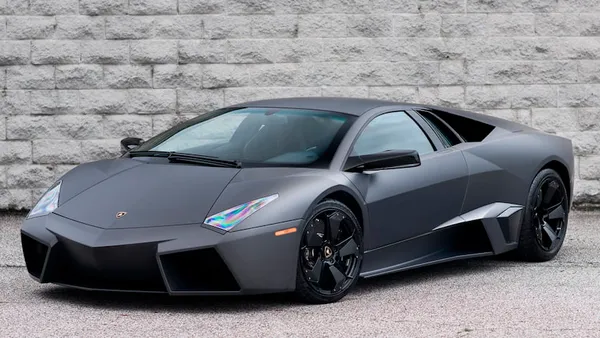
The Lamborghini Reventón became one of the most influential modern Lamborghinis ever created, marking a dramatic shift in the brand’s design philosophy during the late 2000s. Revealed in 2007 and based on the Murciélago LP640 platform, the Reventón introduced a far sharper and more aggressive visual language inspired by stealth fighter aircraft and military aviation technology.
Powered by a naturally aspirated 6.5-liter V12 producing approximately 650 hp in the coupé and later around 670 hp in the Roadster, the Reventón delivered performance figures that matched its intimidating appearance, including top speeds approaching 340 km/h. While mechanically related to the Murciélago platform, both versions featured entirely unique carbon-fiber bodywork, bespoke instrumentation inspired by fighter jet displays, and dramatically angular aerodynamic surfaces that previewed the styling direction Lamborghini would later adopt for models such as the Aventador.

Production was strictly limited to only 20 coupés and 15 Roadsters for customers, instantly transforming the Reventón into one of the rarest and most exclusive Lamborghinis of its era. The later Reventón Roadster amplified the visual drama even further through its ultra-low open-top configuration and more powerful LP670-4 SV-derived mechanical setup, creating one of the most theatrical Lamborghini V12 cars ever produced.
Today, both the Reventón and Reventón Roadster are regarded as modern collector icons, not only because of their rarity and extraordinary values, but because they effectively defined the futuristic design identity that would shape Lamborghini’s entire next generation of V12 supercars.
Lamborghini Veneno and Roadster

If the Reventón introduced Lamborghini’s stealth-fighter design philosophy, the Veneno pushed the concept into something that felt almost extraterrestrial. Revealed in 2013 to celebrate Lamborghini’s 50th anniversary, the Veneno transformed the Aventador platform into one of the most extreme and visually aggressive hypercars the company had ever created.
Powered by a heavily revised naturally aspirated 6.5-liter V12 producing approximately 750 hp, the Veneno combined brutal performance with aerodynamics inspired directly by Le Mans prototypes and endurance racing cars. Every surface appeared sculpted around airflow and downforce generation, from the enormous front splitter and side channels to the towering rear diffuser and oversized central fin. The result was a machine that looked closer to a futuristic racing prototype than a traditional road-going Lamborghini.

Only three coupés were sold to customers, instantly making the Veneno one of the rarest production Lamborghinis ever built. The later Veneno Roadster amplified the visual drama even further with its open-top configuration and equally extreme bodywork. Today, both versions rank among the most valuable and sought-after modern Lamborghinis in existence, with private sales reportedly reaching extraordinary multimillion-euro figures among elite collectors.
Lamborghini Centenario

Built to celebrate the 100th anniversary of Ferruccio Lamborghini’s birth, the Lamborghini Centenario became one of the most technologically advanced and visually dramatic V12 Lamborghinis ever produced. Unveiled in 2016, the car was designed not only as a tribute to the company’s founder, but also as a showcase for Lamborghini’s future design and engineering direction.
Powered by a naturally aspirated 6.5-liter V12 producing approximately 770 hp, the Centenario delivered performance figures worthy of a modern hypercar, including 0-100 km/h in under three seconds and a top speed exceeding 350 km/h. The car also introduced advanced rear-wheel steering technology to Lamborghini’s flagship platform, significantly improving agility and high-speed stability while preserving the aggressive character expected from a naturally aspirated V12 Lamborghini.
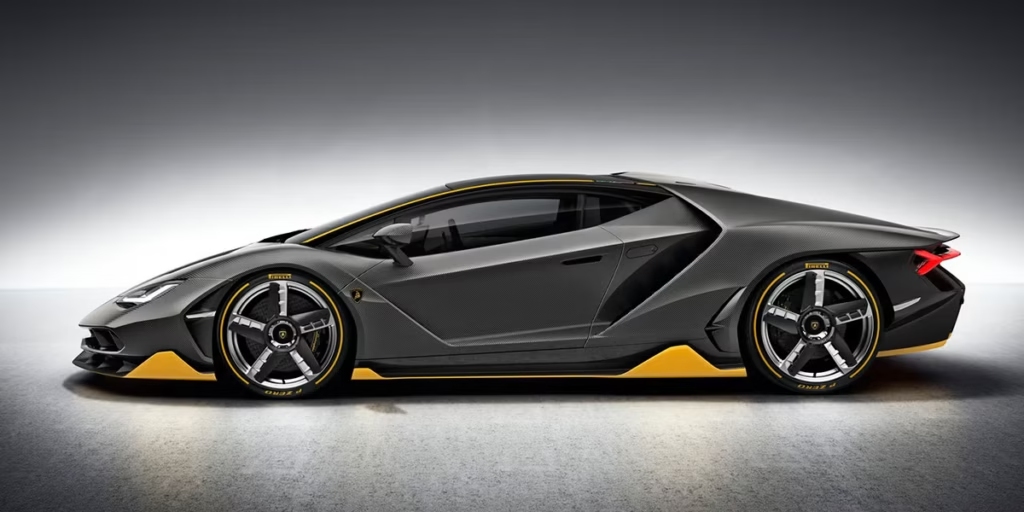
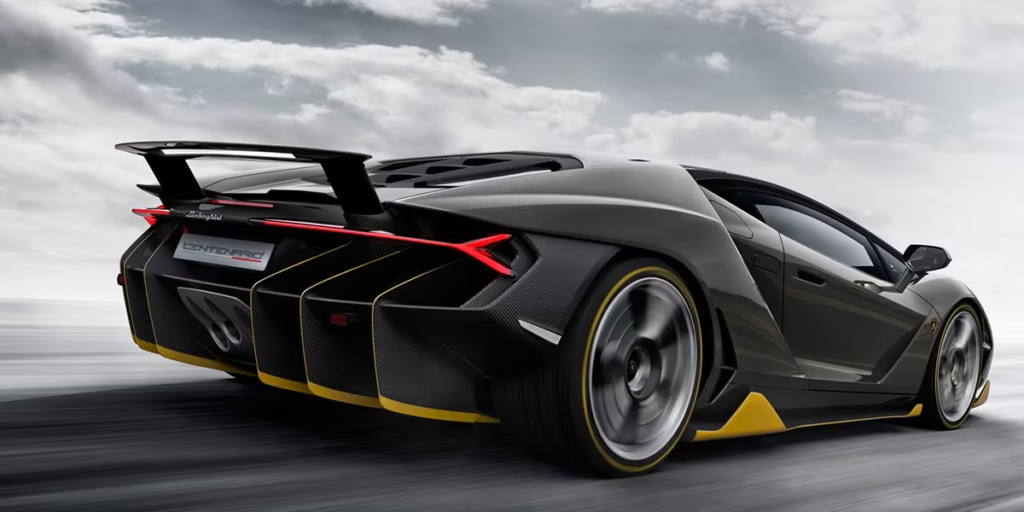
Visually, the Centenario pushed Lamborghini’s aerodynamic philosophy further than almost any previous road car from the brand. Massive air channels, an enormous rear diffuser, active aerodynamic elements, and highly sculpted carbon-fiber surfaces gave the car a far more technical and motorsport-inspired appearance than the Aventador on which it was based. Limited to just 40 units worldwide including both coupés and roadsters, the Centenario immediately became one of the most desirable collector Lamborghinis of the modern era.
Lamborghini Sian

The Lamborghini Sian marked a historic turning point for the brand as the first production Lamborghini to combine a naturally aspirated V12 with electrified technology. Revealed in 2019, the Sian represented Lamborghini’s first serious step toward the hybrid era while still preserving the emotional character and dramatic personality expected from the company’s flagship models.
Rather than using a conventional lithium-ion hybrid battery system, Lamborghini adopted an innovative supercapacitor setup designed to deliver lighter weight and faster energy transfer. Combined with the naturally aspirated 6.5-liter V12 derived from the Aventador, the hybrid system produced a combined output of approximately 819 hp, making the Sian the most powerful Lamborghini road car ever built at the time of its launch.
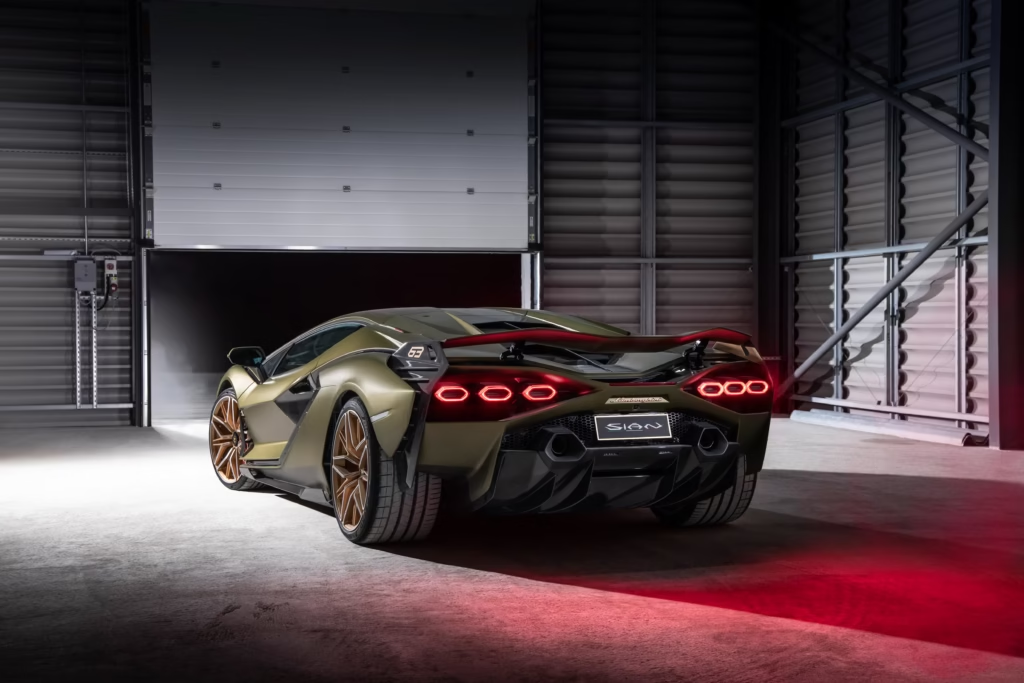
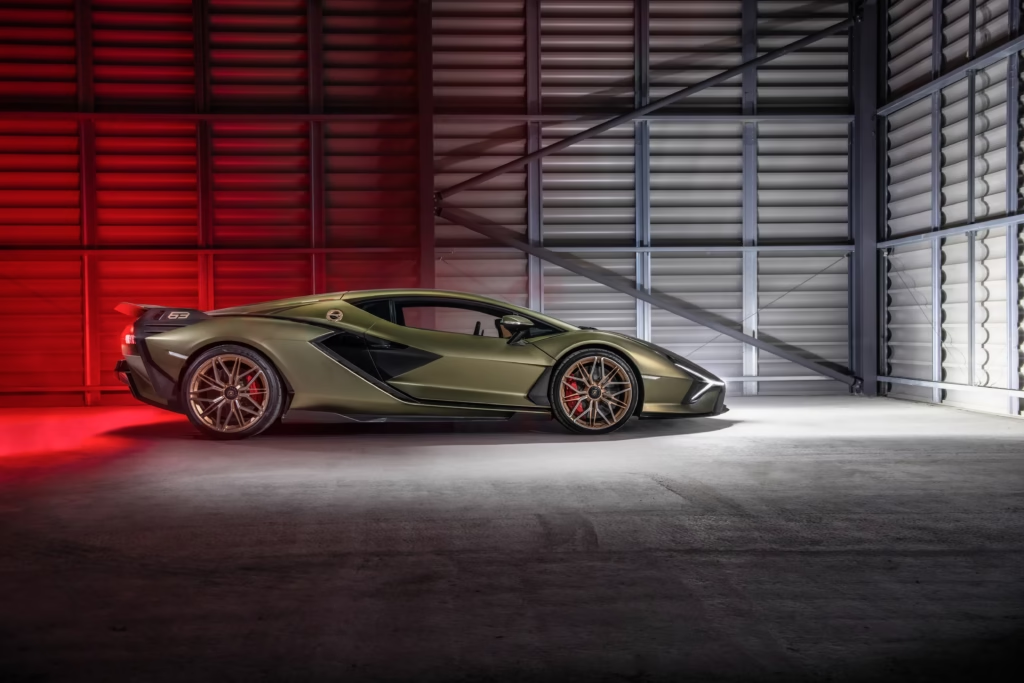
Visually, the Sian embraced a far more futuristic design language inspired by both the Countach and advanced aerospace concepts. Sharp geometric surfaces, dramatic Y-shaped lighting elements, and highly complex aerodynamic details gave the car an unmistakably futuristic appearance even by Lamborghini standards. Production was strictly limited, instantly turning the Sian into a highly desirable collector-grade Lamborghini and an important milestone in the evolution of the brand’s legendary V12 lineage.
Lamborghini Essenza SCV12
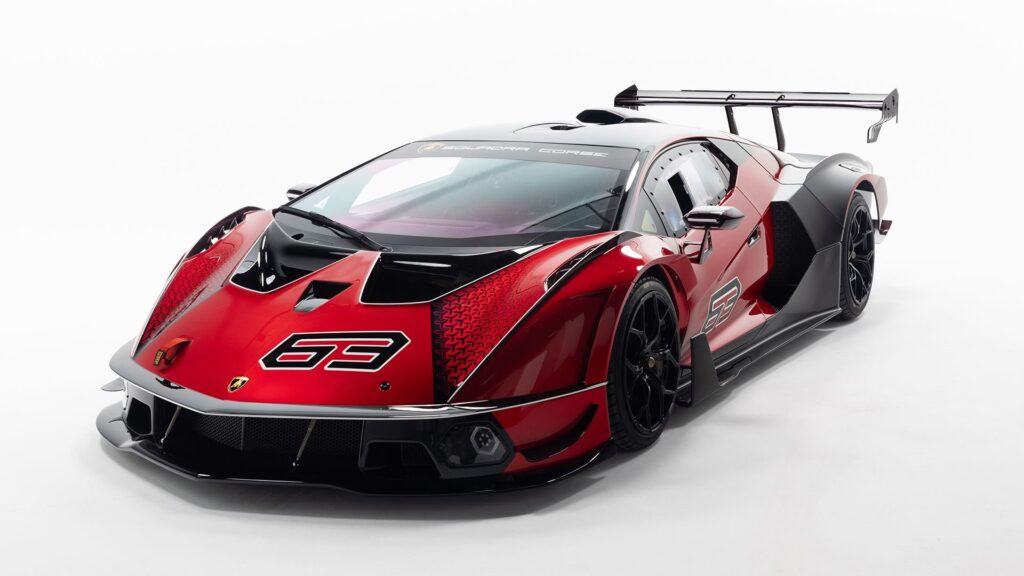
The Lamborghini Essenza SCV12 represents the brand at its most radical and uncompromising. Developed by Lamborghini Squadra Corse as a track-only hypercar, the Essenza was created without the limitations normally imposed by road regulations, allowing Lamborghini engineers to focus entirely on aerodynamic performance, weight reduction, and high-speed stability.
At the heart of the car sits a naturally aspirated 6.5-liter V12 producing approximately 830 hp, making it the most powerful naturally aspirated V12 Lamborghini ever created. Power is sent to the rear wheels through a sequential racing gearbox mounted directly within the rear chassis structure, helping improve rigidity and overall balance. Combined with an ultra-light carbon-fiber monocoque, the result is a machine designed to deliver an experience far closer to a professional racing prototype than a conventional supercar.
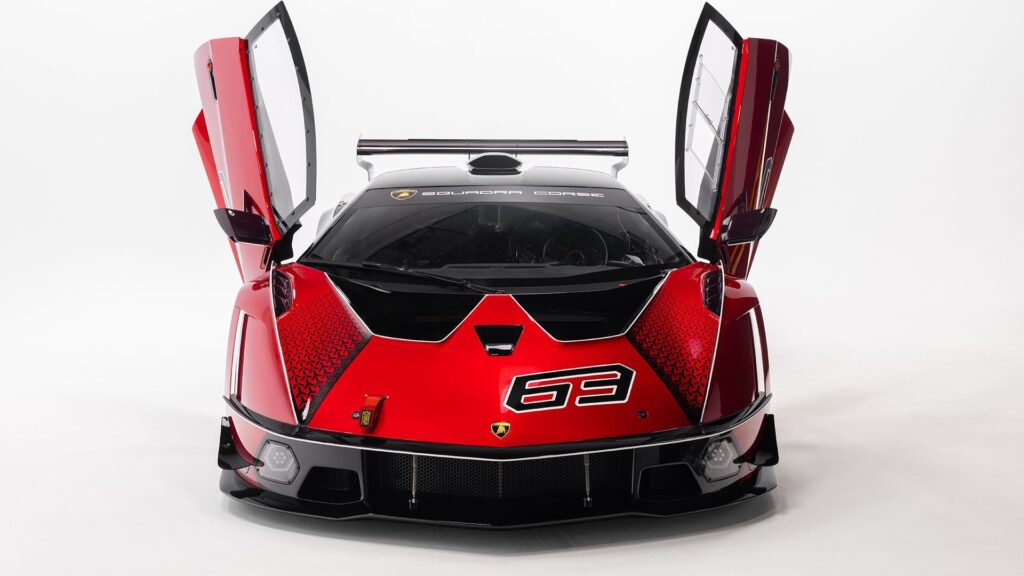
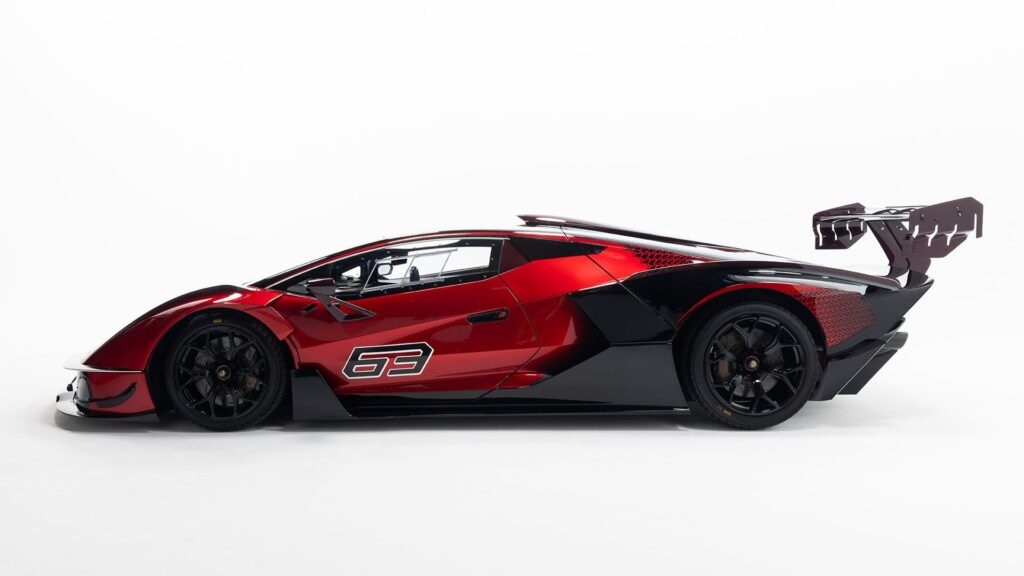
Visually, the Essenza SCV12 looks almost like a modern Le Mans or GT endurance racer adapted into Lamborghini form. Massive aerodynamic tunnels, aggressive front splitters, roof-mounted air scoops, and an enormous rear wing generate extreme levels of downforce while giving the car an unmistakably motorsport-focused appearance. Limited to just 40 units worldwide, the Essenza immediately became one of the most exclusive and collector-oriented track cars Lamborghini has ever produced.
Lamborghini Countach LPI 800-4

The return of the Countach name immediately became one of the most controversial modern Lamborghini projects. Revealed in 2021, the Countach LPI 800-4 attempted to reinterpret one of the most iconic supercars in automotive history for a new generation, combining retro-inspired styling cues with modern hybrid V12 technology.
Built on the Aventador platform and powered by a naturally aspirated 6.5-liter V12 assisted by a hybrid system derived from the Sian, the car produced approximately 803 hp while maintaining all-wheel-drive performance and modern Lamborghini engineering. Production was limited to just 112 units — a direct reference to the internal “LP112” project designation originally used during the development of the first Countach.


Visually, the Countach LPI 800-4 deliberately avoided the extreme aerodynamic aggression seen on models such as the Veneno or Centenario. Instead, Lamborghini focused on cleaner surfaces and subtle design references to the original Countach, including the distinctive wedge-shaped profile, roof channels, and signature rear air intakes. While some enthusiasts viewed the design as overly restrained compared to Lamborghini’s historical excesses, the car nevertheless became an instant collector target thanks to its rarity, V12 hybrid powertrain, and direct connection to one of the most legendary Lamborghinis ever created.
Lamborghini One-Offs: The Most Exclusive Creations
Then there are the true one-offs.
Cars created not for production, but to showcase Lamborghini’s most extreme ideas.
Lamborghini Egoista
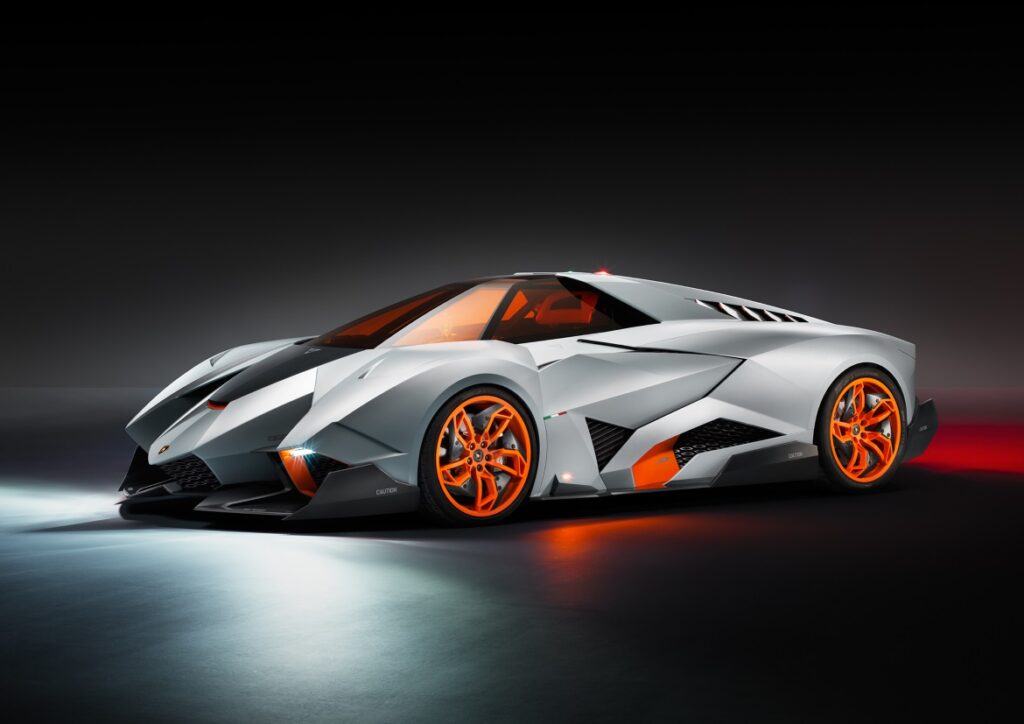
Inspired by Apache attack helicopters and advanced military aviation design, the Lamborghini Egoista remains one of the most outrageous concept cars ever created by the Italian manufacturer. Unveiled in 2013 to celebrate Lamborghini’s 50th anniversary, the car was conceived as a dramatic design statement rather than a realistic production vehicle.
Built around a single-seat layout, the Egoista featured a fighter-jet-inspired cockpit with a removable canopy instead of conventional doors. The driver entered the car almost like a pilot climbing into a military aircraft, reinforcing the concept’s obsession with aviation and futuristic technology. Every detail, from the sharp body lines to the aggressive lighting signatures, appeared intentionally theatrical.


Beneath its radical carbon-fiber bodywork sat a naturally aspirated 5.2-liter V10 producing approximately 600 hp, derived from the Gallardo platform. However, performance figures were almost secondary to the visual impact of the car itself. Massive aerodynamic surfaces, exposed mechanical elements, and extreme proportions transformed the Egoista into something closer to a rolling sculpture than a traditional Lamborghini.
Even years after its debut, the Egoista remains one of the boldest concept cars Lamborghini has ever revealed. It perfectly captured the company’s philosophy of excess, drama, and emotional design, proving that Lamborghini was still willing to create machines driven more by imagination and spectacle than by conventional automotive logic.
Lamborghini SC18 Alston

Built as a unique commission for a private customer, the Lamborghini SC18 Alston represented one of the most extreme interpretations of the Aventador platform ever created. Developed by Lamborghini Squadra Corse in collaboration with the Centro Stile design department, the car blurred the line between a road-going hypercar and a full endurance racing prototype.
Beneath its dramatic carbon-fiber bodywork sat a naturally aspirated 6.5-liter V12 producing around 770 hp, paired with aggressive track-focused engineering inspired directly by Lamborghini’s GT3 racing program. Massive front air intakes, a roof-mounted air scoop, complex aerodynamic channels, and an enormous adjustable rear wing gave the SC18 Alston a far more functional and motorsport-oriented appearance than a traditional Lamborghini road car.

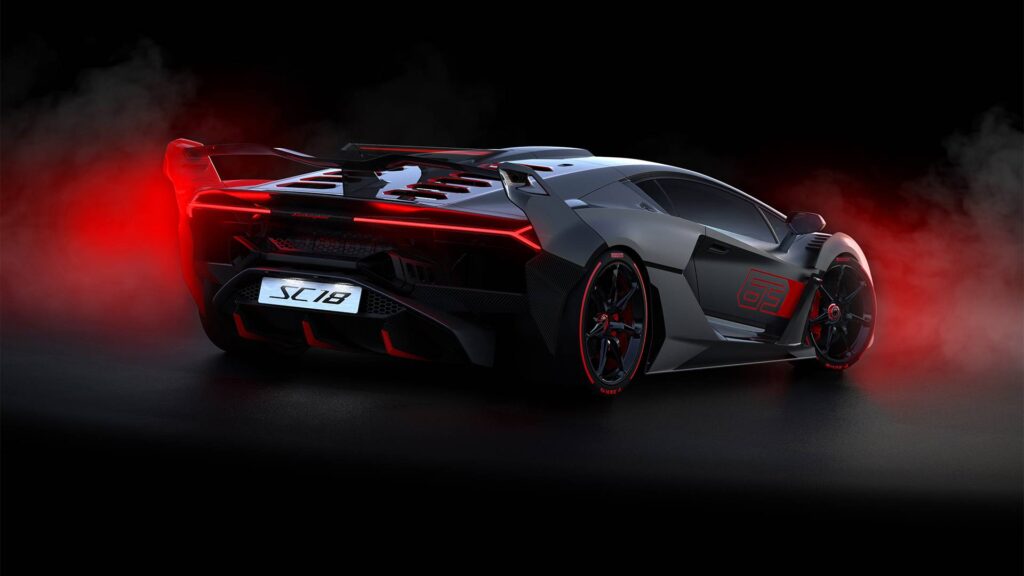
Visually, the car looked almost unreal, even by Lamborghini standards. Every surface appeared sculpted around airflow, cooling efficiency, and high-speed stability, creating a machine that felt closer to a Le Mans-inspired prototype than a conventional supercar. Finished in exposed carbon fiber with striking red accents, the SC18 immediately became one of the most recognizable modern one-off Lamborghinis.
As a true one-of-one creation, the SC18 Alston perfectly illustrated Lamborghini’s growing focus on ultra-exclusive collector-grade projects. Today, it stands as one of the rarest modern V12 Lamborghinis ever produced and one of the clearest examples of the brand’s ability to merge motorsport aggression with bespoke automotive design.
Lamborghini SC20

The Lamborghini SC20 evolved the same philosophy as the SC18 Alston into an even more dramatic open-top speed machine focused entirely on exclusivity, visual impact, and raw driving emotion. Developed by Lamborghini Squadra Corse and Centro Stile as a one-off commission for a private client, the SC20 combined track-inspired engineering with the theatrical presence expected from Lamborghini’s most extreme creations.
Powered by a naturally aspirated 6.5-liter V12 producing around 770 hp, the SC20 featured an entirely bespoke carbon-fiber body designed specifically for open-air performance. Massive aerodynamic channels, sharp sculpted surfaces, and aggressive front and rear diffusers gave the car the appearance of a futuristic prototype racer rather than a traditional road-going supercar. Without a roof or conventional windshield, the driving experience became even more visceral and dramatic.
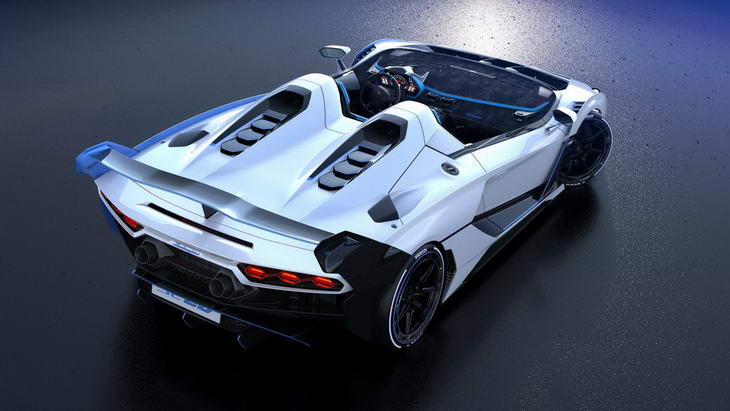

Visually, the SC20 perfectly represented Lamborghini’s obsession with spectacle and individuality. Finished with exposed carbon fiber and unique Blu Cepheus accents, the one-off roadster immediately established itself as one of the wildest modern Lamborghinis ever revealed. As with the SC18 Alston, the SC20 demonstrated Lamborghini’s increasing focus on ultra-exclusive collector-oriented projects designed for a new generation of high-end clients.
Lamborghini Invencible and Lamborghini Auténtica
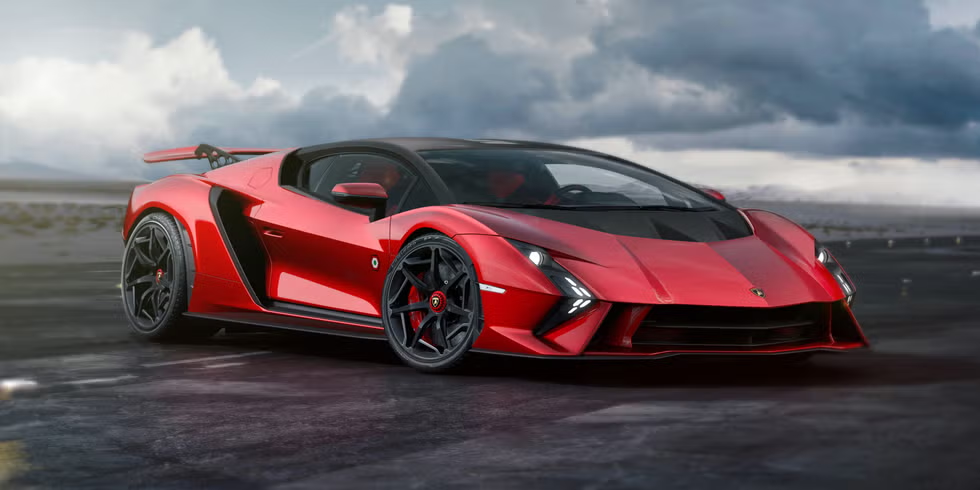
The Lamborghini Invencible and Auténtica effectively became the brand’s final celebration of the pure naturally aspirated non-hybrid V12 era. Revealed in 2023 as two unique one-off creations, both models marked the end of a philosophy that had defined Lamborghini flagship cars for decades before the arrival of hybrid technology.
Built around the Aventador platform and powered by a naturally aspirated 6.5-liter V12 producing approximately 780 hp, the Invencible coupe and open-top Auténtica combined familiar Lamborghini mechanicals with entirely bespoke carbon-fiber bodywork. Their designs incorporated visual references to legendary models such as the Sesto Elemento, Reventón, and Veneno, while also previewing styling elements that would later influence Lamborghini’s future generation of supercars.

Visually, both one-offs embraced an unusually clean yet aggressive design language compared to some of Lamborghini’s previous limited editions. Sharp lighting signatures, exposed carbon-fiber surfaces, hexagonal details, and dramatic aerodynamic channels gave the pair a futuristic appearance while still preserving the unmistakable Lamborghini identity. More importantly, they represented the final expression of Lamborghini’s traditional naturally aspirated flagship formula before full hybridization officially began with the Revuelto.
Lamborghini Fenomeno and Lamborghini Fenomeno Roadster
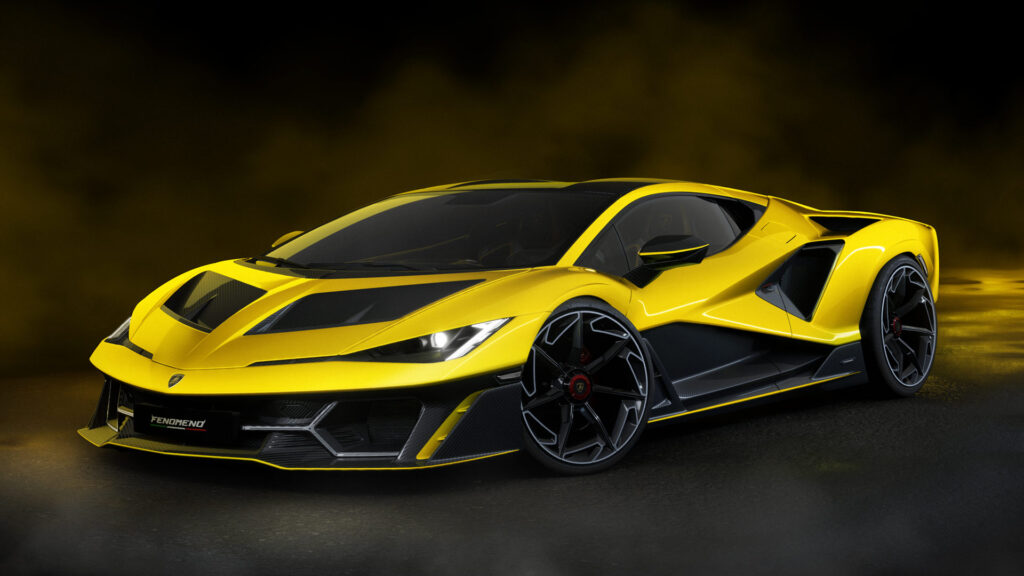
The Lamborghini Fenomeno represents the latest evolution of the brand’s ultra-exclusive “Few-Off” philosophy, combining hybrid V12 performance with some of the most extreme design and engineering ever applied to a modern Lamborghini. Revealed in 2025 to celebrate the 20th anniversary of Lamborghini Centro Stile, the Fenomeno immediately established itself as one of the most exclusive V12 Lamborghinis ever created.
Lamborghini Fenomeno Roadster — The Ultimate Open-Air Expression of Sant’Agata
Built around a heavily evolved version of the Revuelto platform, the Fenomeno combines a naturally aspirated 6.5-liter V12 with three electric motors to produce approximately 1,080 hp, making it one of the most powerful Lamborghini road cars ever developed. Advanced aerodynamics, extensive carbon-fiber construction, and dramatically sculpted bodywork transformed the car into a futuristic interpretation of the modern Lamborghini hypercar.

Production of the coupé was limited to just 29 customer cars, while the later Fenomeno Roadster was restricted to only 15 examples worldwide. Both versions immediately became collector-grade machines aimed at Lamborghini’s most exclusive clients, continuing the lineage established by models such as the Reventón, Veneno, and Centenario.
Visually, the Fenomeno pushed Lamborghini’s hybrid V12 design language into even more extreme territory, combining fighter-jet-inspired surfaces, aggressive aerodynamic channels, and advanced lighting signatures with the theatrical presence that has always defined Lamborghini flagship models. More than simply another limited edition, the Fenomeno feels like a statement about the future direction of Lamborghini’s V12 legacy in the hybrid era.
Lamborghini V12 Vision Gran Turismo

Not every legendary Lamborghini V12 was built for the real world.
Unveiled in 2019 for the Gran Turismo video game franchise, the Lamborghini V12 Vision Gran Turismo became one of the most extreme virtual concept cars ever created by the company.
Powered conceptually by Lamborghini’s hybrid V12 technology derived from the Sian, the single-seat hypercar featured an impossibly futuristic design inspired by prototype race cars, fighter jets, and science-fiction aesthetics.
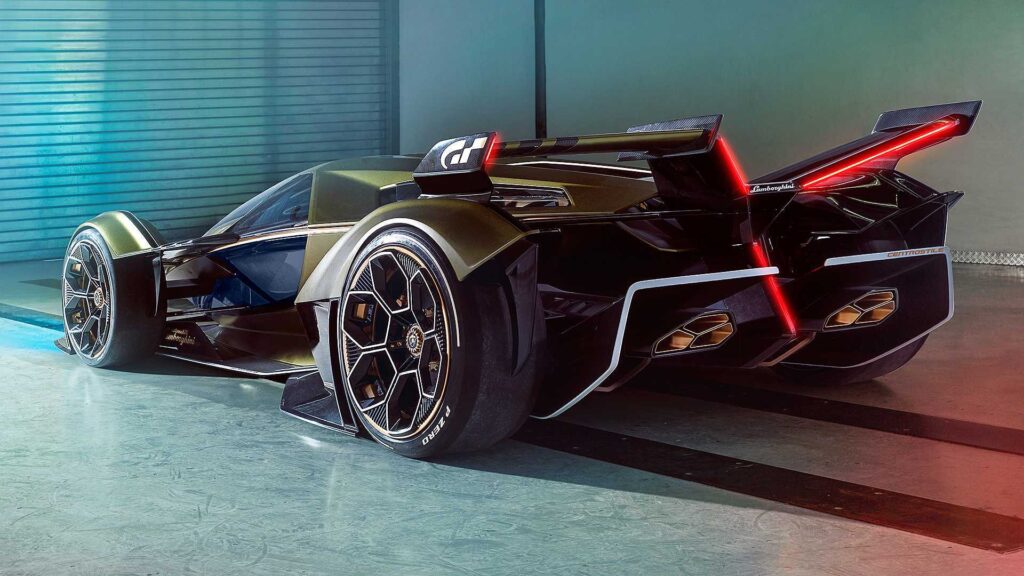

Massive aerodynamic tunnels, exposed carbon-fiber surfaces, dramatic lighting signatures, and an ultra-low cockpit transformed the Vision Gran Turismo into a digital interpretation of what a future Lamborghini hypercar could become.
Although it never entered production and remained entirely virtual, the car quickly became one of the most recognizable modern Lamborghini concept designs and perfectly reflected the brand’s obsession with theatrical V12 machines.
Lamborghini LM002: When Lamborghini Built a V12 Off-Roader

No Lamborghini V12 history would feel complete without the extraordinary LM002 — one of the most absurd and fascinating vehicles the company has ever produced.
Originally derived from Lamborghini’s failed military vehicle projects during the 1980s, the LM002 combined the company’s massive naturally aspirated V12 engine with a gigantic off-road chassis, effectively creating the world’s first true super-SUV decades before the concept became fashionable.
Powered by a 5.2-liter V12 derived from the Countach and producing around 450 hp, the LM002 delivered performance figures unlike anything else in the luxury off-road segment at the time. Despite weighing well over two tons, the vehicle could exceed 200 km/h while surrounding its occupants with leather, luxury equipment, and unmistakable Lamborghini drama.

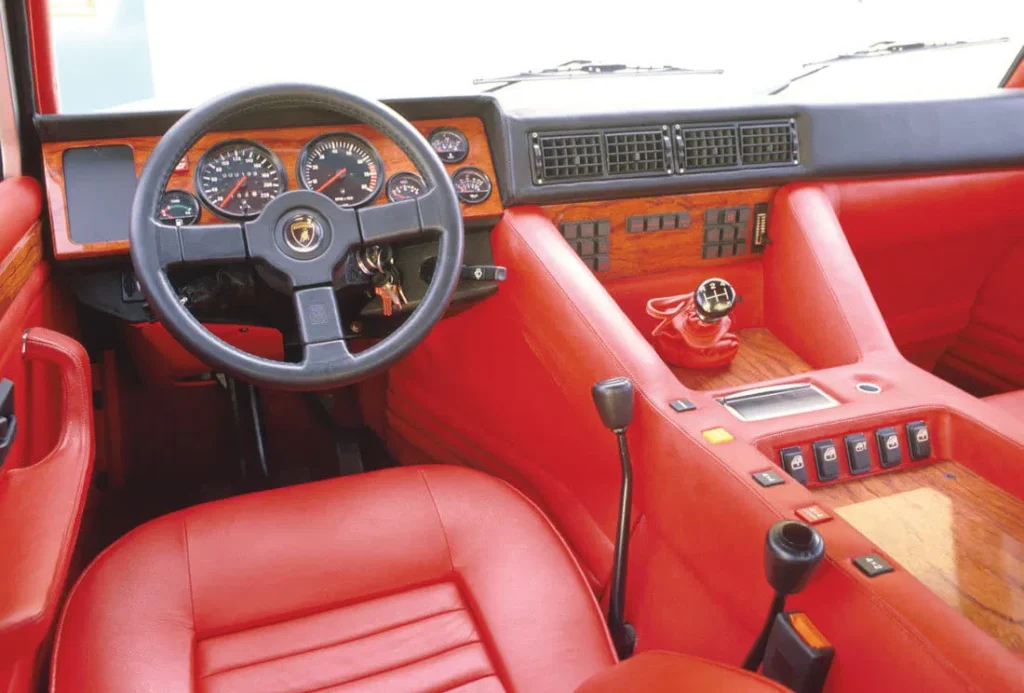
Produced in extremely limited numbers, the LM002 has evolved from an eccentric curiosity into a highly collectible automotive icon. Today, many enthusiasts consider it the spiritual predecessor to modern ultra-performance SUVs and one of the boldest creations in Lamborghini’s entire history.
The Future of the Lamborghini V12
As the automotive industry moves rapidly toward electrification, the future of the Lamborghini V12 enters one of the most fascinating transitions in the company’s history.
For decades, Lamborghini’s naturally aspirated V12 engines represented a form of mechanical excess that seemed increasingly incompatible with modern emissions regulations and environmental pressures. Yet rather than abandoning the architecture entirely, Lamborghini has chosen to evolve it through hybridization, allowing the brand to preserve the emotional intensity and theatrical character that define its flagship models.
The Revuelto already demonstrates this new direction. By combining a naturally aspirated V12 with advanced electric assistance, Lamborghini has managed to increase performance dramatically while still maintaining the sound, response, and high-revving personality enthusiasts expect from a traditional Lamborghini flagship. Unlike many modern performance hybrids that prioritize silence and efficiency, Lamborghini continues to treat emotion as a central part of the driving experience.
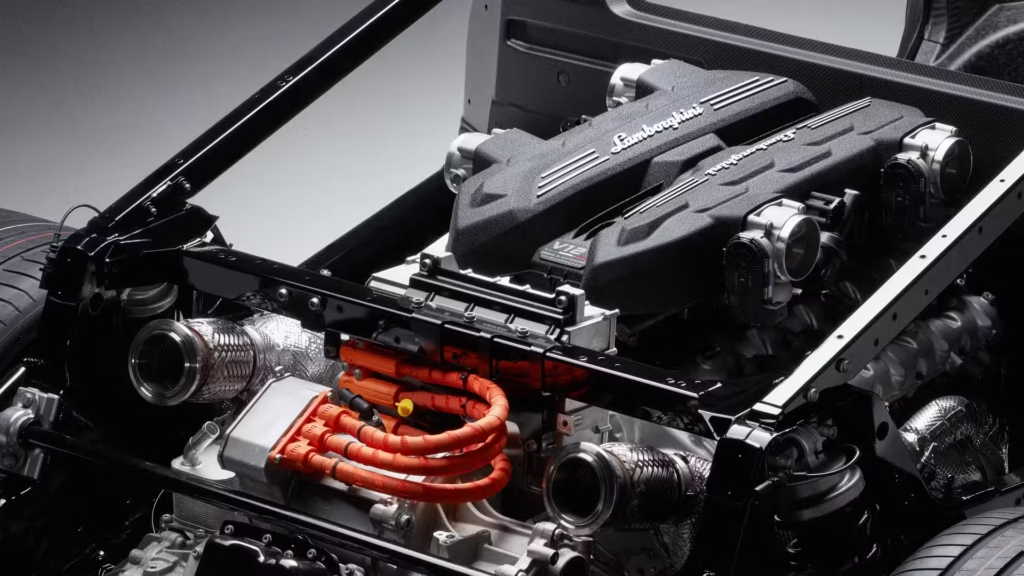
Future variants will almost certainly push the concept even further. More aggressive Revuelto SV and SVJ models are widely expected to arrive in the coming years, continuing Lamborghini’s long tradition of transforming its flagship V12 cars into increasingly extreme machines through weight reduction, advanced aerodynamics, and higher-performance engineering.
At the same time, synthetic fuels may also play an important role in preserving the future of high-performance combustion engines. Lamborghini has repeatedly expressed interest in alternative fuel technologies capable of reducing emissions while allowing naturally aspirated engines to survive beyond the current transition period. For many enthusiasts and collectors, this possibility represents far more than a technical solution — it represents the potential survival of one of the most emotional engine architectures in automotive history.
More Than Just Performance
And perhaps that emotional connection is ultimately what matters most.
Because the Lamborghini V12 has never been defined purely by horsepower or top speed. It has always been about drama, sound, sensation, and spectacle — the feeling of operating a machine designed to overwhelm the senses rather than simply transport its occupants efficiently.
Even as technology changes, that philosophy still remains unmistakably Lamborghini.
The Eternal Lamborghini Formula
What makes Lamborghini’s V12 legacy so remarkable is not simply the performance.
It is the consistency of philosophy.
For more than sixty years, Lamborghini has continued building cars designed around emotion, visual impact, and mechanical drama. Even as the automotive industry shifts toward electrification and digitalization, Lamborghini’s flagship V12 lineage still feels defiantly theatrical.
And perhaps that is exactly why these cars continue to fascinate collectors, enthusiasts, and dreamers around the world.