
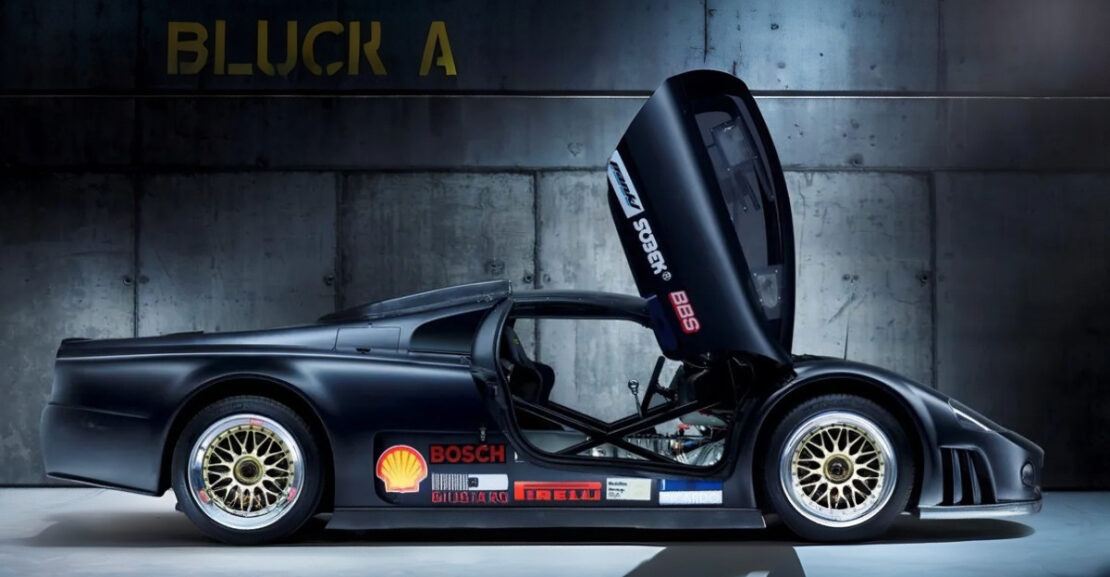
25 Years Later, the W12 Nardo Still Feels Unreal
Some concept cars preview the future.
Others become forgotten experiments.
The Volkswagen W12 Nardo became something far rarer:
A myth.
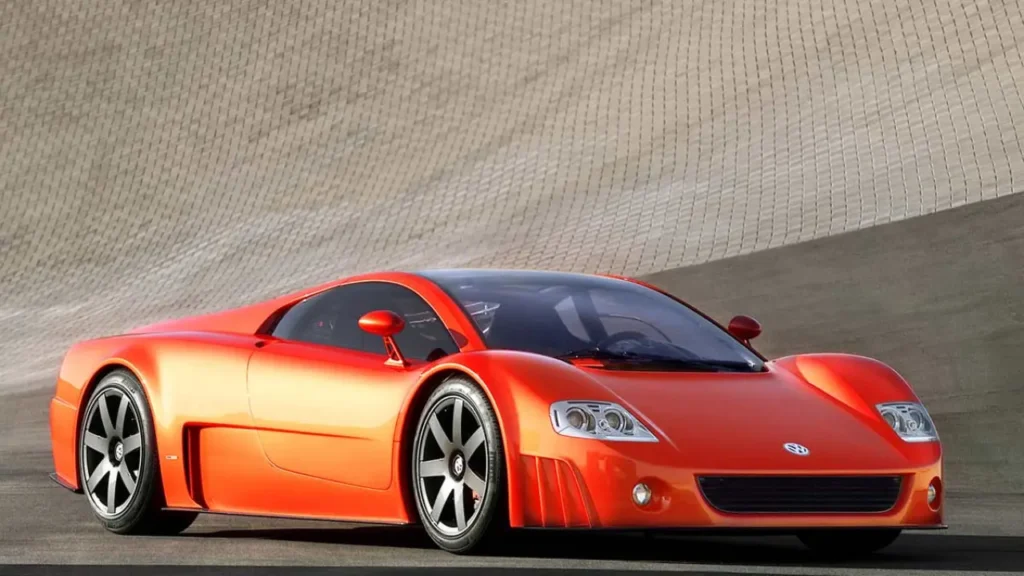
Unveiled at the end of the 1990s and refined through the early 2000s, the W12 project represented one of the boldest engineering exercises ever attempted by Volkswagen — a mid-engined supercar capable of rivaling Ferrari, McLaren, and Porsche at the highest level.
And yet…
It never reached production.
Twenty-five years later, the W12 Nardo remains one of the greatest “what if” stories in automotive history.
Ferdinand Piëch’s Vision of Engineering Dominance
To understand the W12 Nardo, one must understand the ambition of Ferdinand Piëch.
At the time, Volkswagen Group was transforming itself into an empire of engineering prestige:
- Bentley
- Lamborghini
- Bugatti
- Audi performance divisions
The W12 project was more than a halo car.
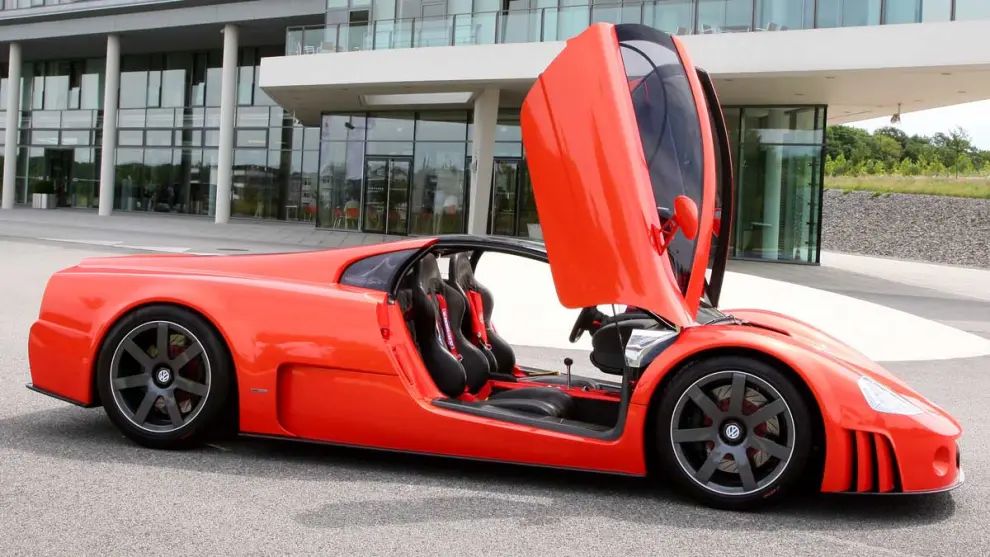
It was proof that Volkswagen itself could build a genuine world-class supercar from scratch.
Not through branding.
But through engineering.
The Birth of the W12 Concept
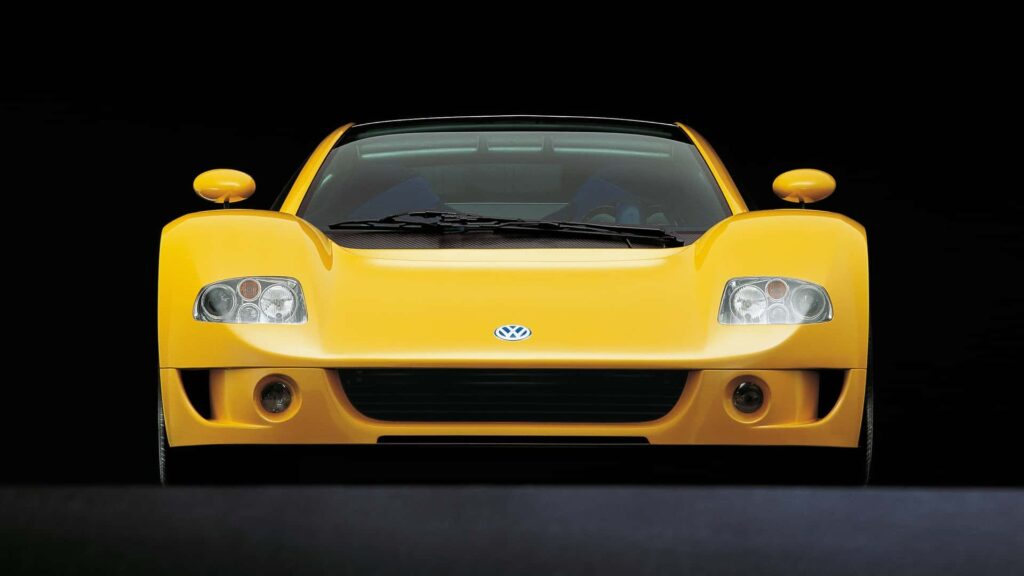
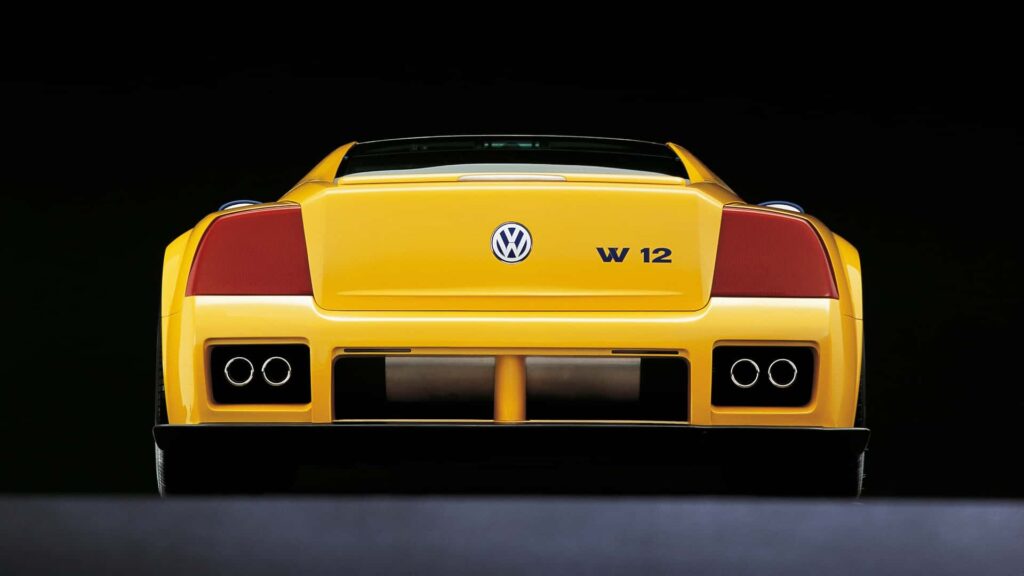
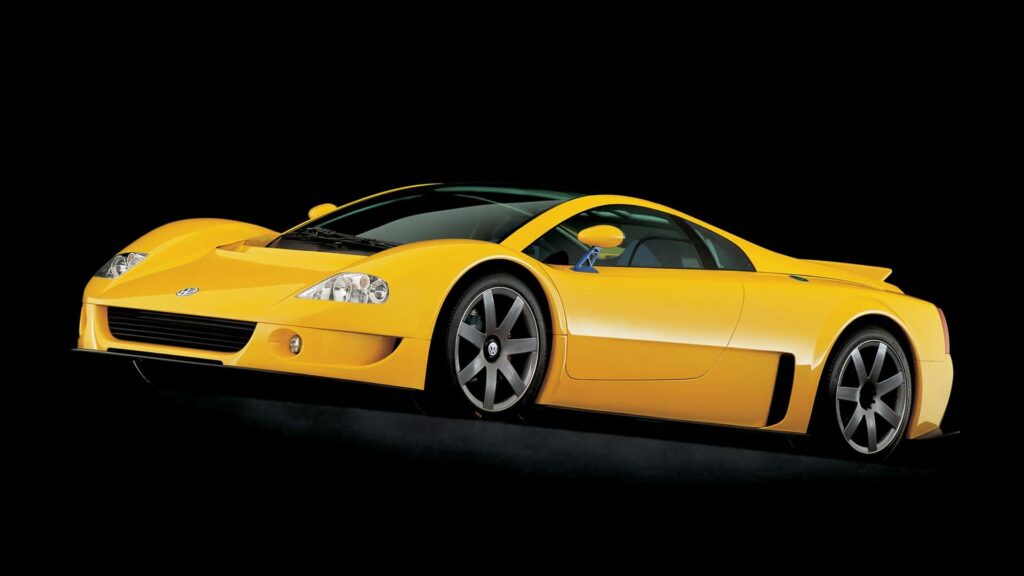
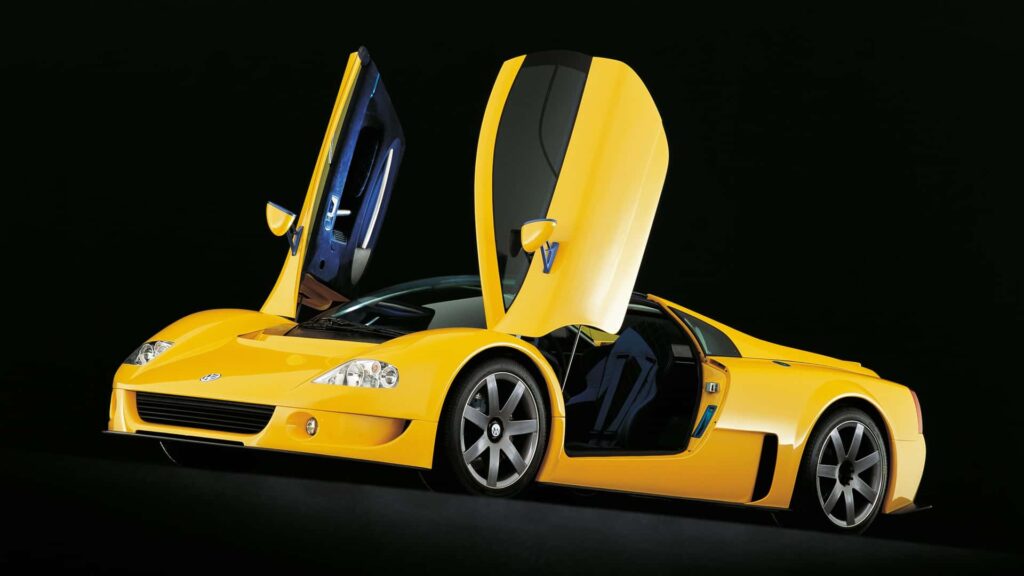
The original W12 concept debuted as an extreme low-slung coupé with proportions unlike anything Volkswagen had ever created.
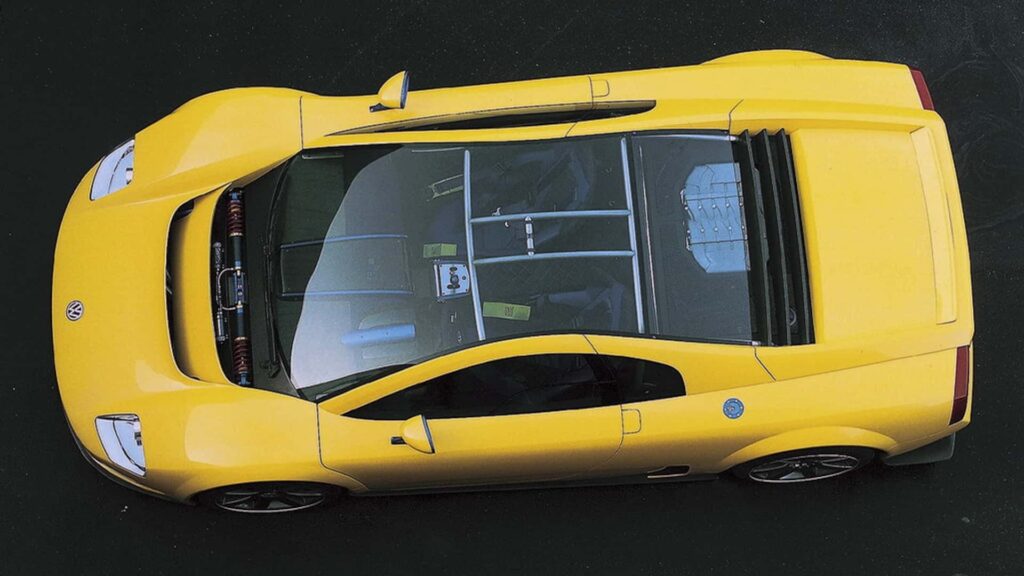
Key characteristics included:
- Mid-mounted engine layout
- Carbon-fiber-intensive construction
- Radical aerodynamic profile
- Ultra-low roofline
The design was futuristic, aggressive, and surprisingly cohesive.
Even today, it still looks remarkably modern.
The W12 Engine — An Engineering Statement
At the heart of the project sat one of Volkswagen Group’s most unusual powerplants:
A naturally aspirated W12 engine.
Unlike a conventional V12, the compact W-configuration allowed engineers to package twelve cylinders into a smaller footprint — critical for the car’s mid-engine layout.
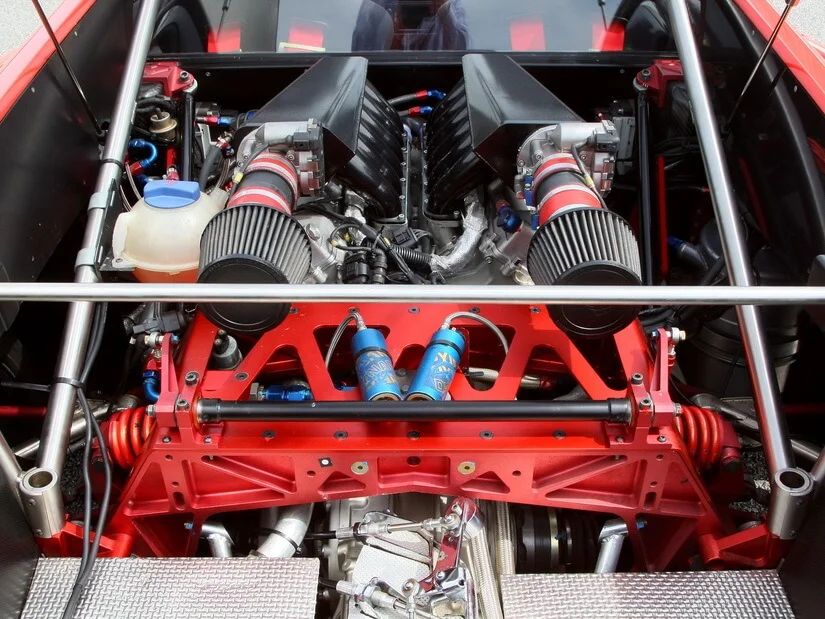
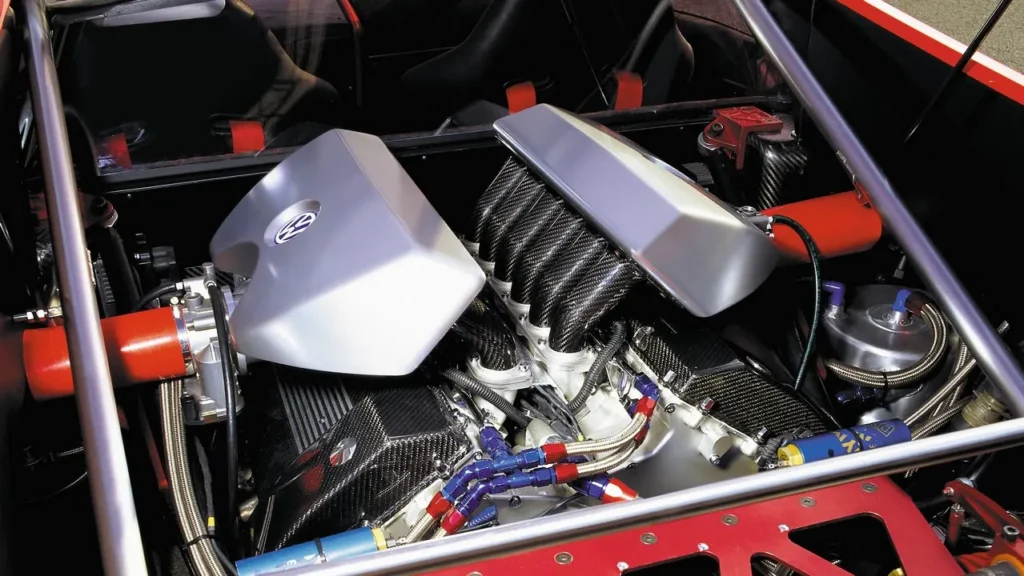
Over the project’s evolution, output climbed beyond:
- 600 horsepower
- Top speeds exceeding 350 km/h
This was not simply a prototype powertrain.
It was a technological showcase that would later influence multiple high-end Volkswagen Group products.
Nardo — Where the Legend Was Born
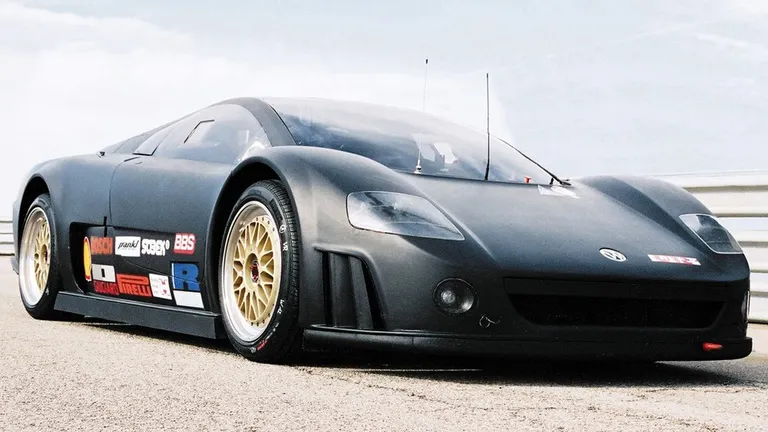
The project became legendary after its high-speed endurance testing at the Nardo Ring in southern Italy.
There, the W12 prototype achieved something extraordinary:
A series of endurance speed records over 24 hours.
Among the most significant:
| Record | Average Speed |
|---|---|
| 100 km | 322.464 km/h |
| 500 km | 324.672 km/h |
| 1,000 km | 325.280 km/h |
| 1 hour | 328.160 km/h |
| 24 hours | 322.891 km/h |
Maintaining over 320 km/h continuously for an entire day was almost unimaginable at the time.
And this was not a purpose-built Le Mans prototype.
It was effectively a road car concept.
The Importance of the 24-Hour Record
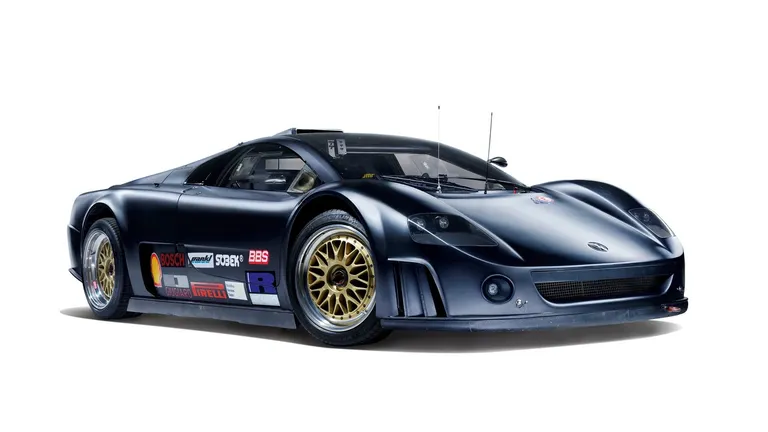
The 24-hour record mattered most because it demonstrated something beyond speed:
Reliability.
Anyone can build a fast prototype for a single run.
Sustaining extreme speed for hours requires:
- Thermal stability
- Mechanical durability
- Aerodynamic balance
- Engine resilience
The W12 Nardo proved Volkswagen could engineer all of it.
A Design Ahead of Its Time

Visually, the W12 anticipated many trends that would later define modern hypercars:
- Cab-forward proportions
- Minimal overhangs
- Integrated aerodynamic surfacing
- Dramatic rear haunches
Some elements even foreshadowed later Bugatti design philosophies under the Volkswagen Group umbrella.
In retrospect, the W12 feels less like a dead-end concept…
…and more like a missing evolutionary link.
Why It Never Reached Production
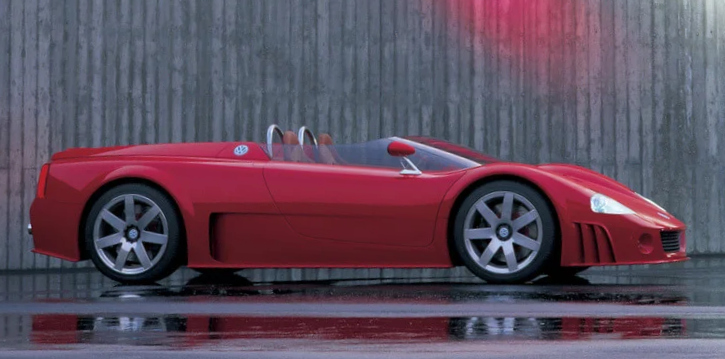
Despite its success, the W12 never became a production vehicle.
Several factors likely contributed:
- The arrival of the Bugatti Veyron program
- Internal overlap with Lamborghini
- Extremely high development costs
- Limited commercial justification
Volkswagen ultimately chose to channel its supercar ambitions into Bugatti — a move that reshaped the hypercar industry forever.
The W12 project quietly disappeared.
But its influence did not.
The Car That Predicted the Volkswagen Group Future
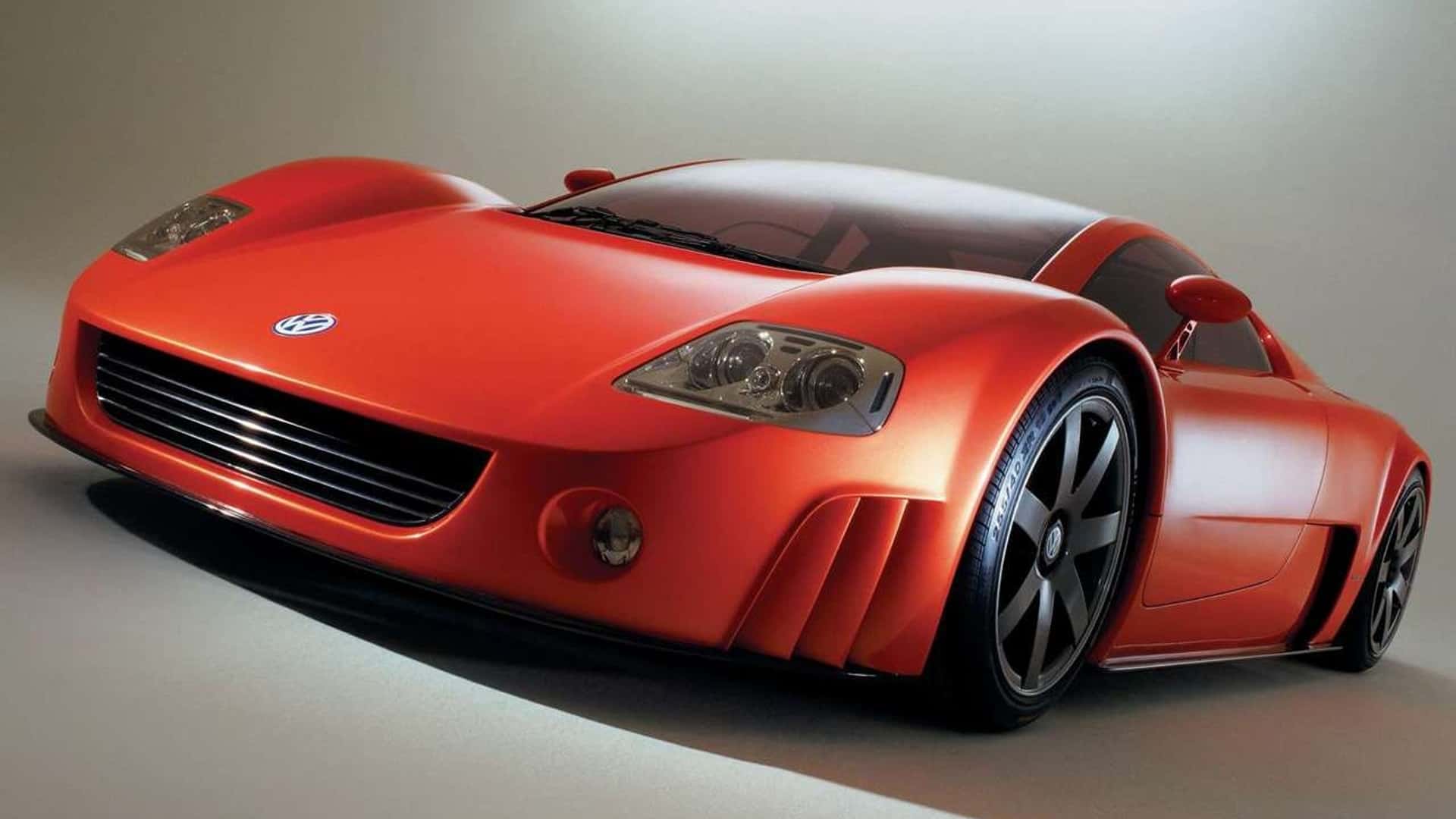
Many technologies and ideas explored through the W12 later appeared across the Volkswagen Group ecosystem:
- W-configuration engines
- High-speed aerodynamic development
- Carbon-intensive engineering
- Hypercar-level endurance testing philosophy
In many ways, the W12 Nardo was the experimental foundation for what would later become:
- The Bugatti Veyron
- Bentley’s W12 era
- Audi’s high-performance engineering expansion
An Alternate Reality Supercar
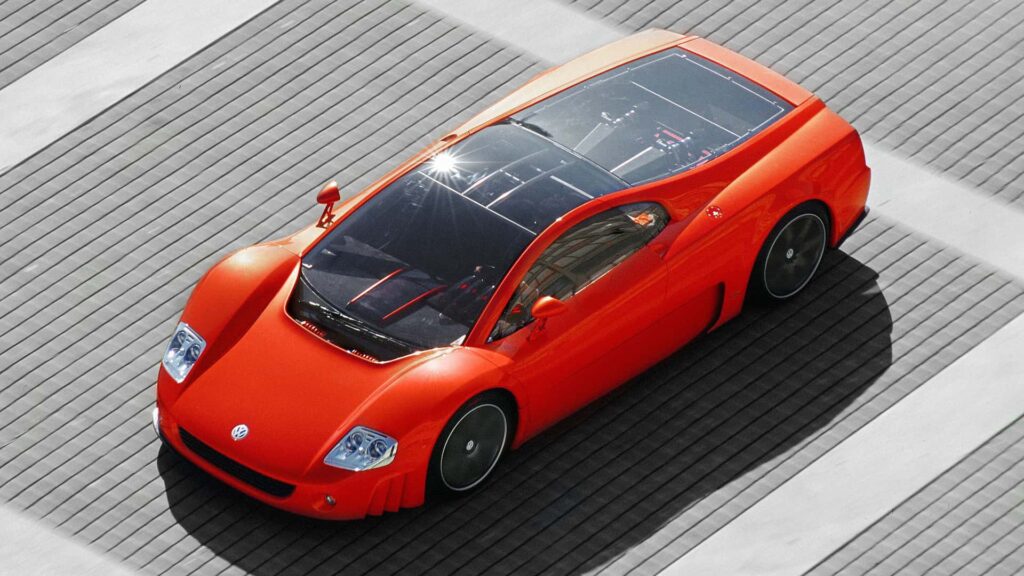
What makes the W12 so fascinating today is that it feels entirely plausible.
Unlike many concept cars, it was not fantasy.
It worked and broke records.
It demonstrated real capability.
Had Volkswagen chosen a different strategic path, the W12 might have become one of the defining supercars of the 2000s.
Instead, it became an alternate reality automotive icon.
More Than a Concept Car

The W12 Nardo occupies a unique place in automotive culture.
It is remembered not only for what it achieved…
…but for what it could have become.
A Volkswagen supercar sounds improbable today.
But for a brief moment, it was very real.
And terrifyingly fast.
The Legacy of the W12 Nardo
Twenty-five years later, the W12 Nardo remains one of the boldest engineering statements ever associated with the Volkswagen name.
It proved that:
- Volkswagen could compete technically with exotic manufacturers
- endurance and speed could coexist
- and radical ambition sometimes leaves a deeper legacy than production success itself
The W12 Nardò never entered showrooms.
But it entered automotive legend.